Finding the right LED display supplier in Malaysia starts with identifying who will take responsibility for the finished system. A manufacturer supplying cabinets, an AV integrator delivering an installed video wall, and an event company providing a temporary screen offer different services. Comparing their quotations without separating those responsibilities can leave significant costs and technical work outside the contract.
For Malaysian projects, the shortlist below includes LEDtronics, LED Vision, Big Screen Media, Israk Solutions, HeloLED, EagerLED, LED King, Quadniaga Solutions, DOREMi, and MatrixPro Technology. Together, they represent several purchasing routes: local integration, display supply, event production, and overseas manufacturing. EagerLED is a China-based LED display manufacturer with documented shipments to Malaysian customers, rather than a Malaysian-headquartered supplier.
This guide primarily supports AV integrators and project contractors preparing a supplier shortlist. Distributors and professional buyers can also use the technical comparisons, quotation checklist, and acceptance criteria to evaluate an indoor LED video wall, outdoor advertising screen, or rental inventory purchase.
“Top 10” describes an editorial shortlist, not an independently audited ranking. Company information reflects publicly available materials reviewed for this 2026 guide; project suitability depends on the specific equipment, service scope, and written offer.
1. Understanding LED Display Suppliers in Malaysia
An LED display supplier may provide hardware alone or manage the complete installation. Establishing that distinction is the first procurement decision.
A manufacturer produces the display equipment and may support cabinet selection, configuration, factory testing, and technical documentation. A distributor provides access to products and potentially local stock or warranty coordination. An AV integrator combines the screen with processing, mounting, electrical infrastructure, content sources, and operator controls.
An event supplier has a different operating model. Its quotation may cover temporary equipment, transport, assembly, technicians, rehearsal, and dismantling. Purchasing a rental-design LED display from a manufacturer does not automatically include any of those event services.
For a fixed installation, identify the party responsible for the interface between trades. The screen supplier, structural contractor, electrician, network administrator, and content team must work from compatible drawings and requirements. A clearly assigned project lead reduces gaps that otherwise appear during commissioning.
2. How These 10 Suppliers Were Selected
The shortlist considers publicly documented LED display products or services, relevance to Malaysian buyers, and differences in purchasing models. It includes equipment manufacturers, local solution providers, and event specialists because buyers frequently encounter all three during supplier research.
The selection does not rely on unverified market-share figures, customer counts, or claims of being Malaysia’s largest supplier. Public company descriptions establish what a business advertises; they do not independently prove workmanship, response times, or performance on a particular project.
Assess each candidate against four practical questions:
- Does its documented offering match your application?
- Can it explain the proposed system beyond cabinet specifications?
- Is responsibility for installation and service clearly assigned?
- Can it demonstrate comparable equipment under relevant conditions?
The appropriate choice depends on whether your team needs manufacturing supply, local project delivery, or a fully operated event service.
3. Top 10 LED Display Suppliers in Malaysia
01. LEDtronics
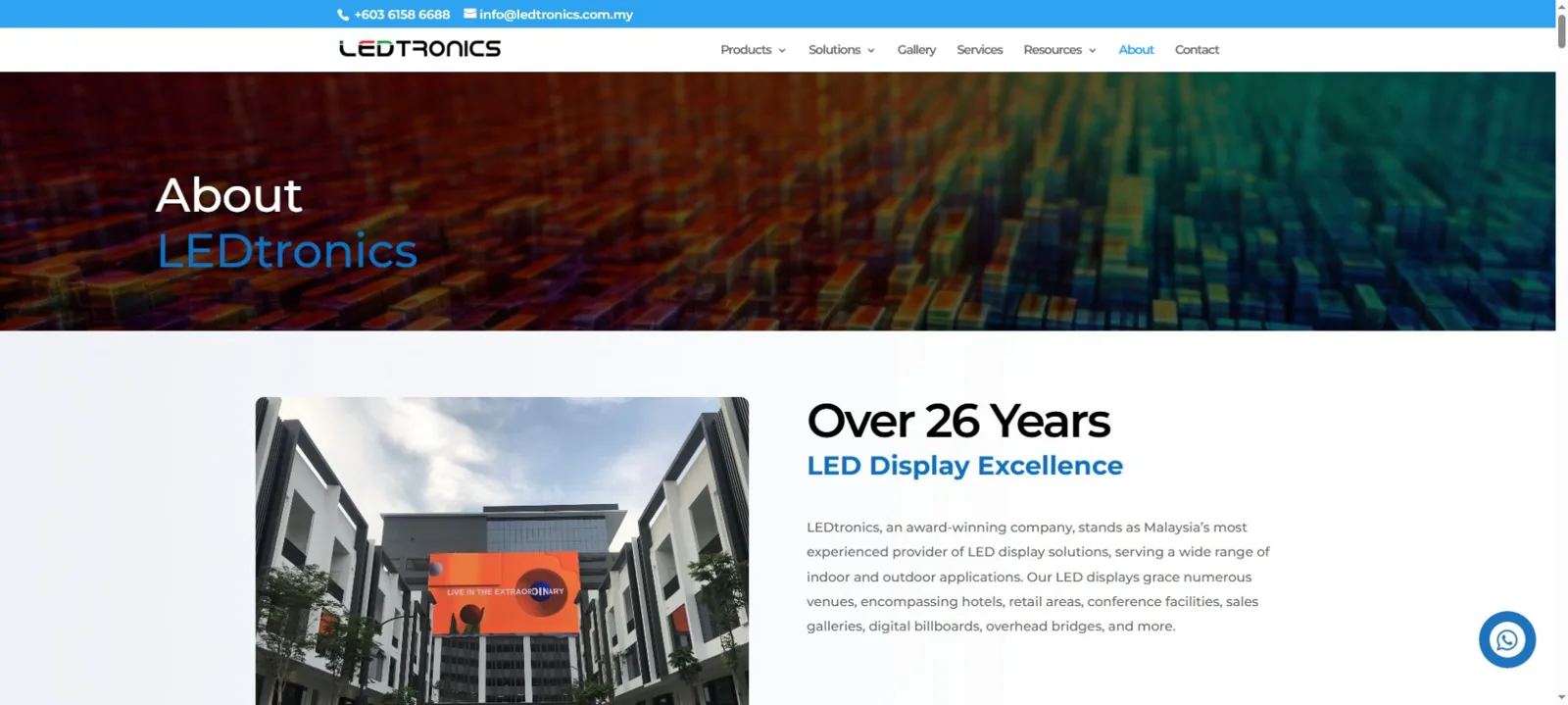
LEDtronics presents an LED display offering covering indoor screens, outdoor installations, transparent displays, and digital billboards. Its published service scope includes planning, engineering, installation, content setup, and maintenance.
This makes it a candidate for buyers seeking an integrated local delivery model. The useful next step is to request a proposal showing how structural work, electrical work, display commissioning, and ongoing service connect within the contract.
Compare the proposed equipment and service obligations directly. A broad company portfolio does not establish that every product or support arrangement is included in every quotation.
02. LED Vision
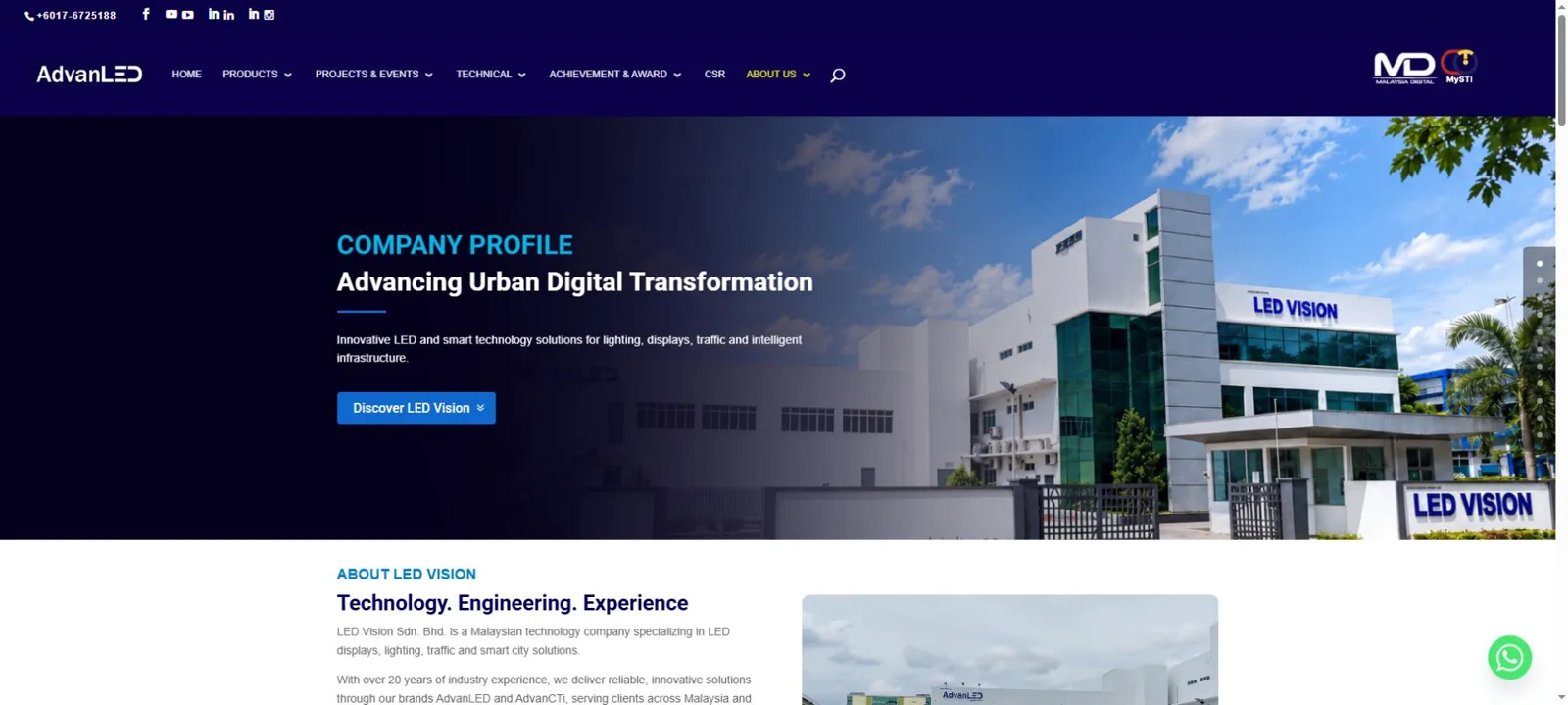
LED Vision is a Malaysian company whose published portfolio includes LED display solutions alongside lighting, traffic, and smart-city systems. It also describes project support extending through installation and commissioning.
For contractors working on infrastructure or multidisciplinary projects, that wider portfolio may warrant investigation. Ask for references specifically relevant to the display being purchased; experience with traffic equipment or lighting is different from demonstrating a fine-pitch video wall.
Confirm the proposed display architecture, maintenance approach, and the team responsible for system integration before comparing its offer with specialist screen suppliers.
03. Big Screen Media
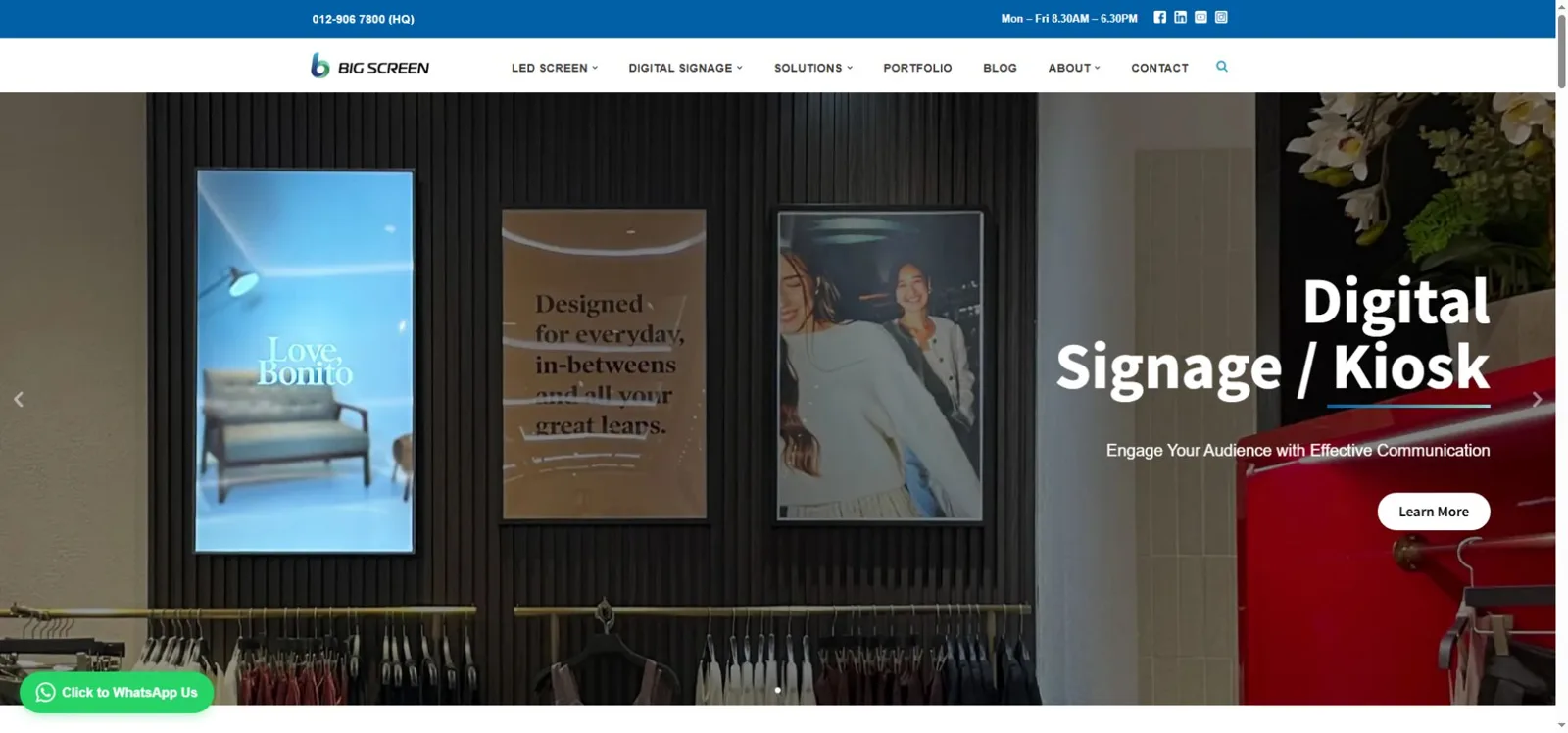
Big Screen Media advertises indoor and outdoor LED screens, digital signage, video walls, AV solutions, and event rental. Its website also describes maintenance services and assistance with billboard licensing processes.
It is worth evaluating where the LED display forms part of a broader audiovisual installation. Buyers should distinguish the direct-view LED equipment from other display technologies included in the company’s portfolio.
For an outdoor project, request an itemized division between screen hardware, structural design, installation, and any approval-related assistance. Each item affects the usable scope of the quotation.
04. Israk Solutions
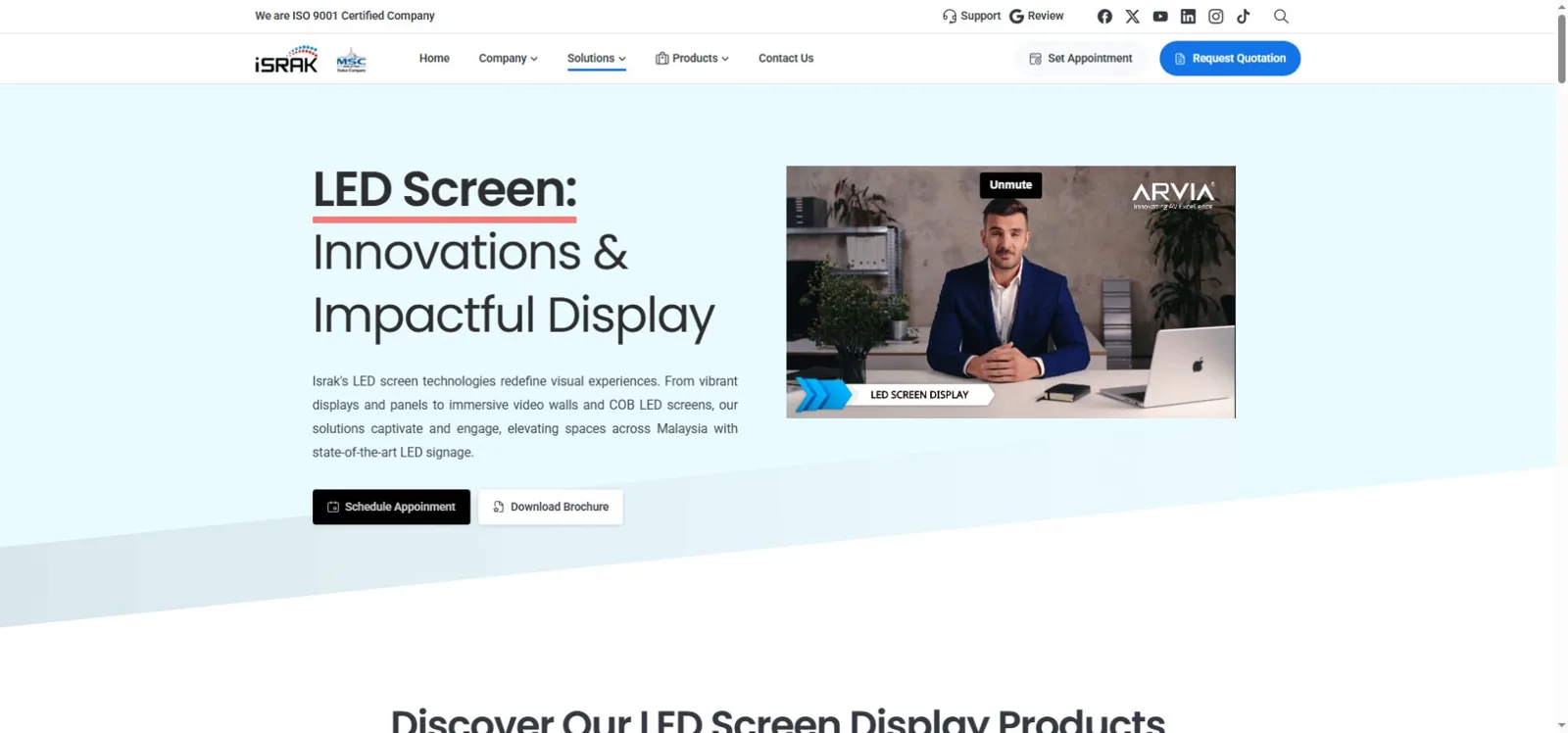
Israk Solutions offers LED screen products within a broader AV and ICT portfolio. Its published range includes fine-pitch and COB LED options, with applications discussed across corporate and institutional environments.
It is a candidate for projects where the LED display must work with conferencing, presentation, or control-room equipment. Evaluation should therefore include source switching, user controls, and the complete signal path.
Ask to demonstrate the actual content your client will use. Small spreadsheet text and detailed dashboards reveal different limitations from promotional video.
05. HeloLED
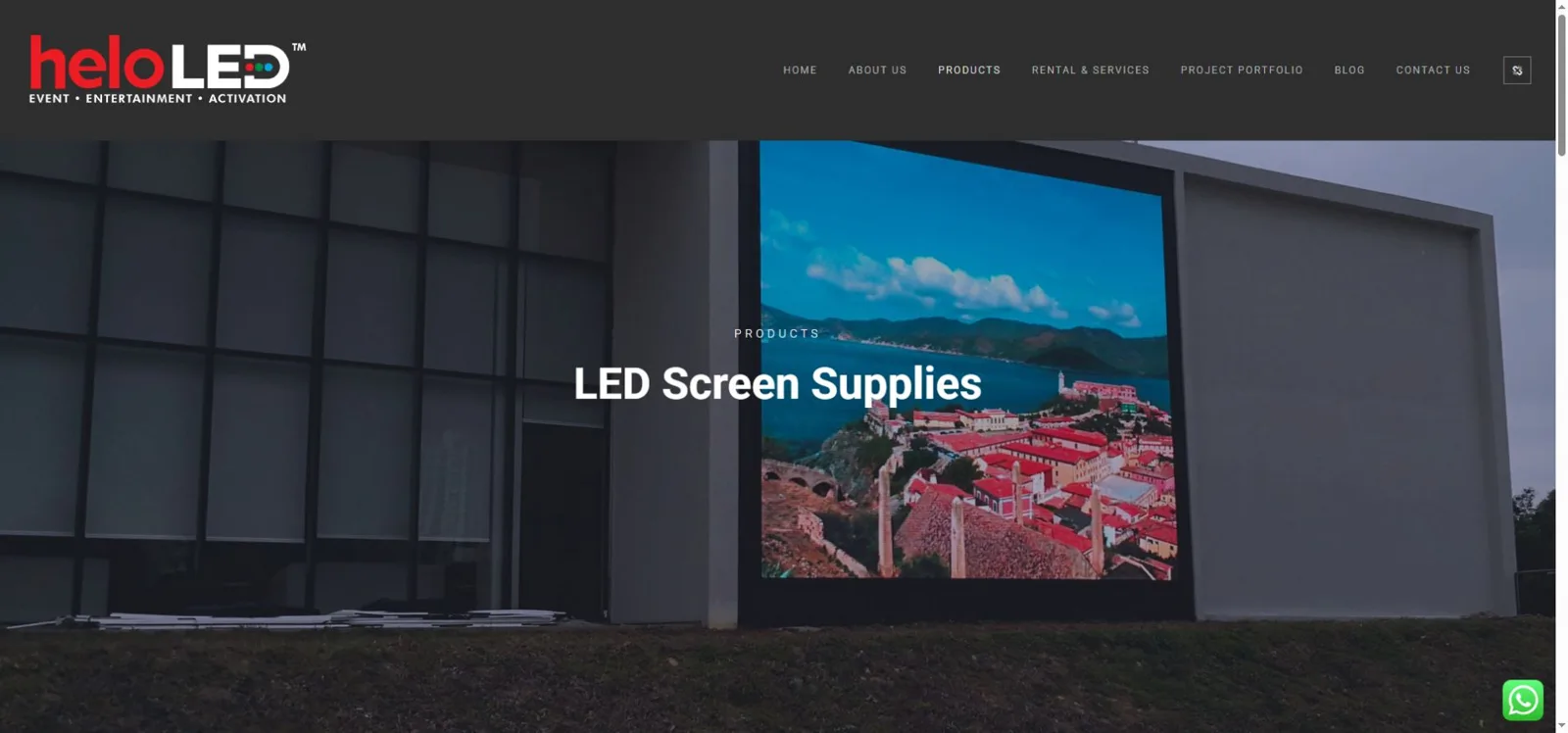
HeloLED lists indoor and outdoor LED screens, rental services, repairs, and wholesale supply. Its public offering therefore spans both equipment procurement and operational support.
Buyers can investigate it for projects requiring a local screen supplier with associated service options. Confirm which technicians, spare parts, and response arrangements apply to the proposed installation.
A service statement on a website should become a written commitment in the contract. Specify whether support includes remote diagnosis, site attendance, replacement labor, and transport.
06. EagerLED
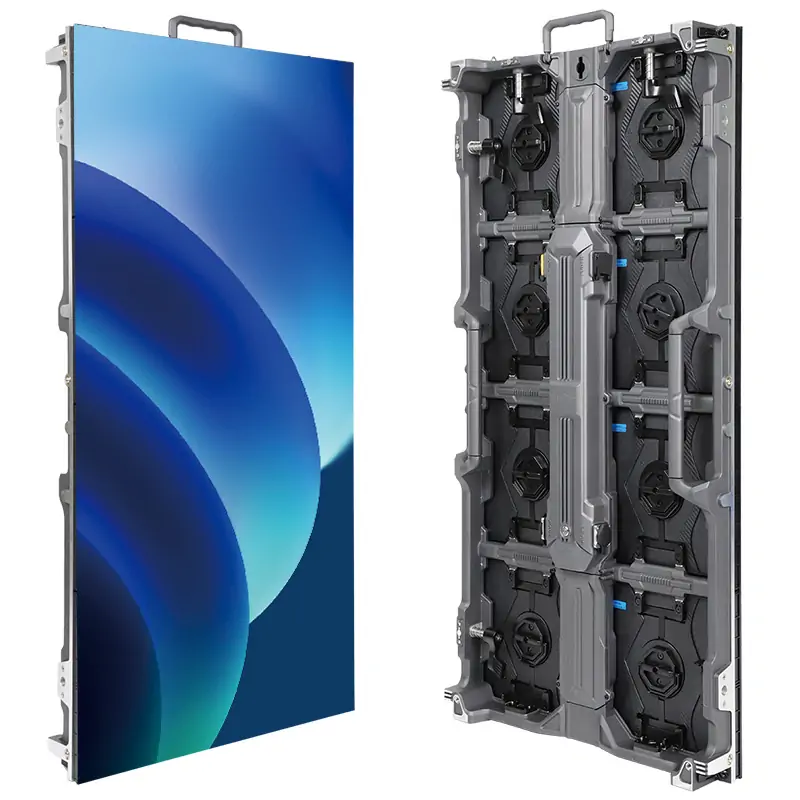
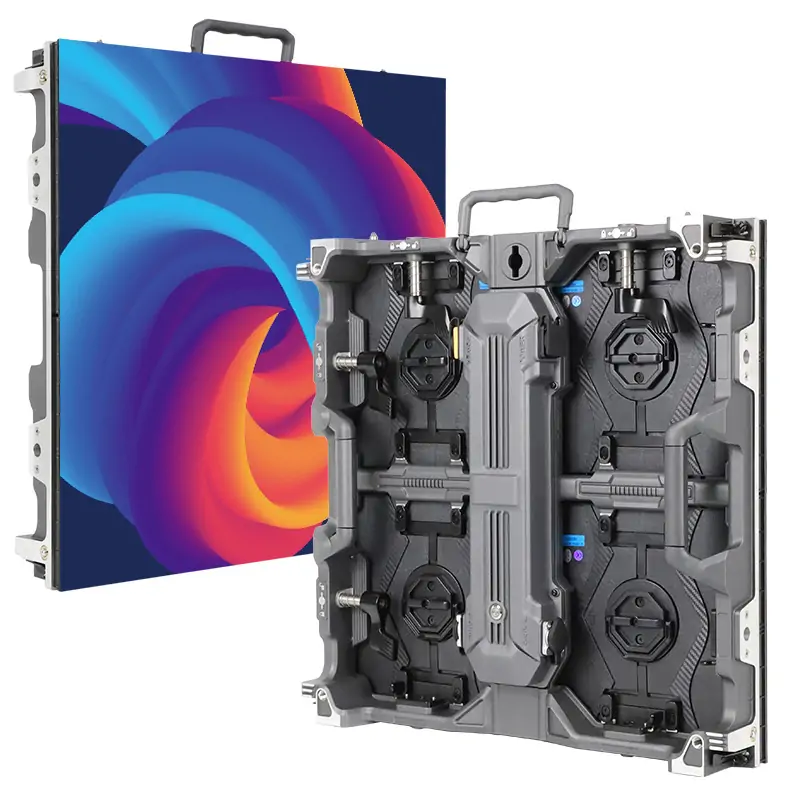
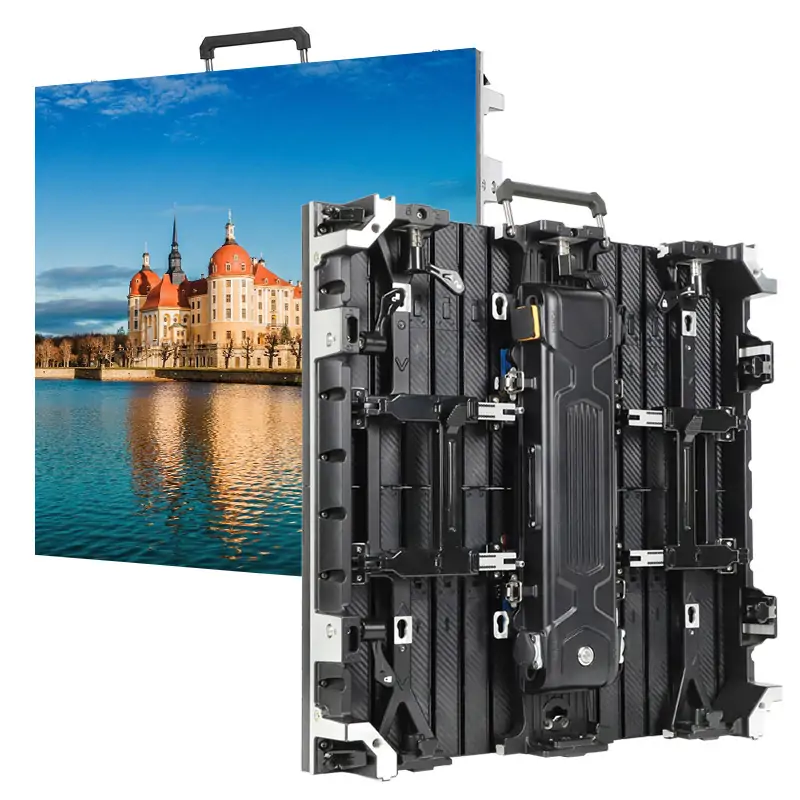
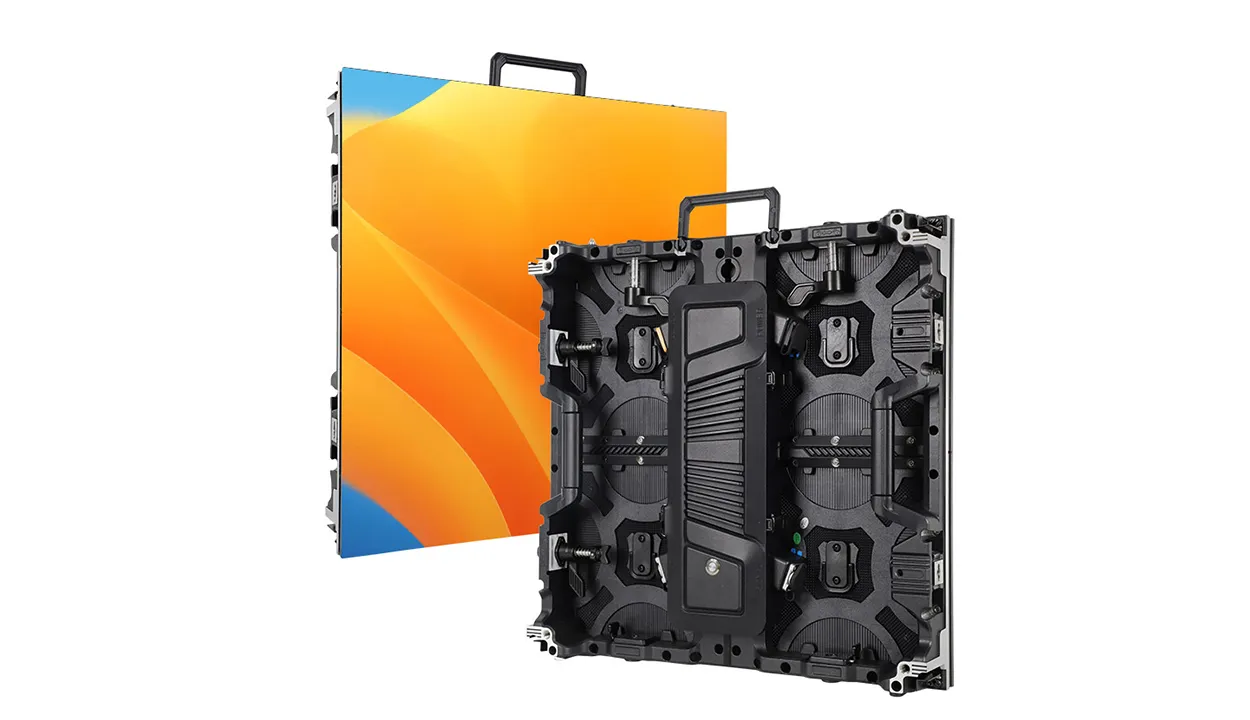
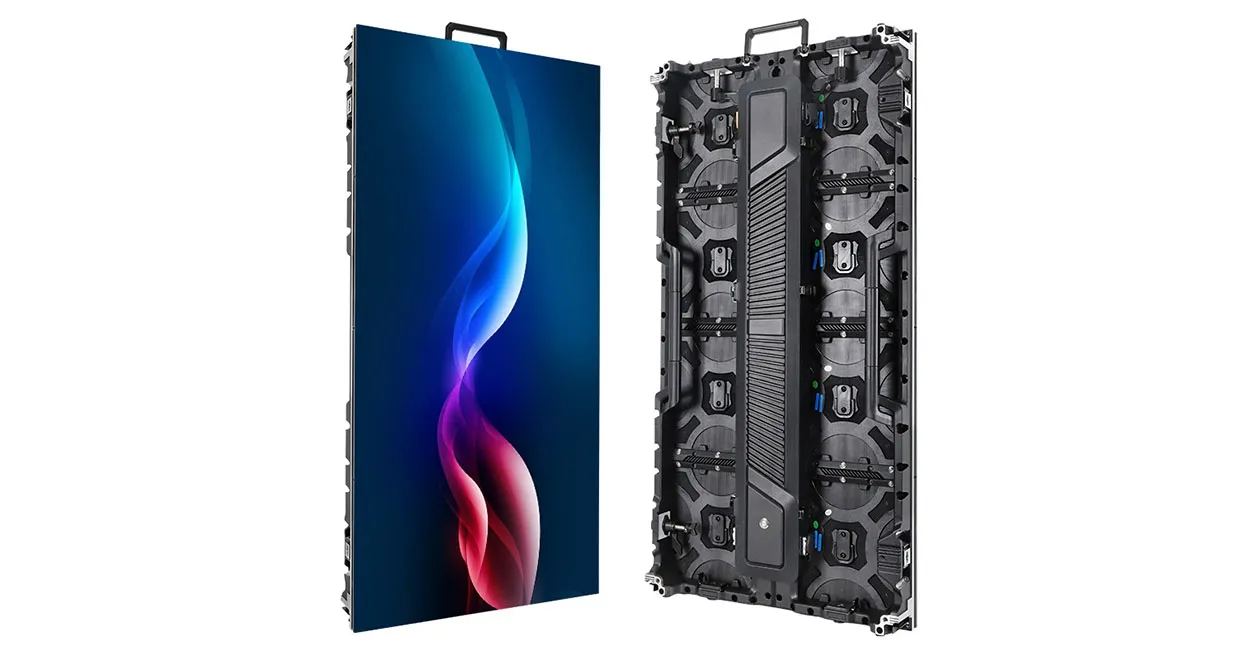
EagerLED is a China-based LED display manufacturer offering indoor, outdoor, fixed-installation, and rental-design products. Its relevance to Malaysian procurement is supported by published shipment information, including a Malaysian order for 192 P10 EA-O outdoor display units. That establishes supply experience, without implying a Malaysian service office or local installation commitment.
For distributors and integrators, EagerLED is a candidate when the purchasing requirement centers on equipment sourcing and factory coordination. Request a project-specific bill of materials covering cabinets, modules, receiving cards, processing, cables, and spare parts.
Before ordering, agree who will handle importation, installation, commissioning, and warranty logistics. These responsibilities should be explicit even when technical support is available remotely.
07. LED King
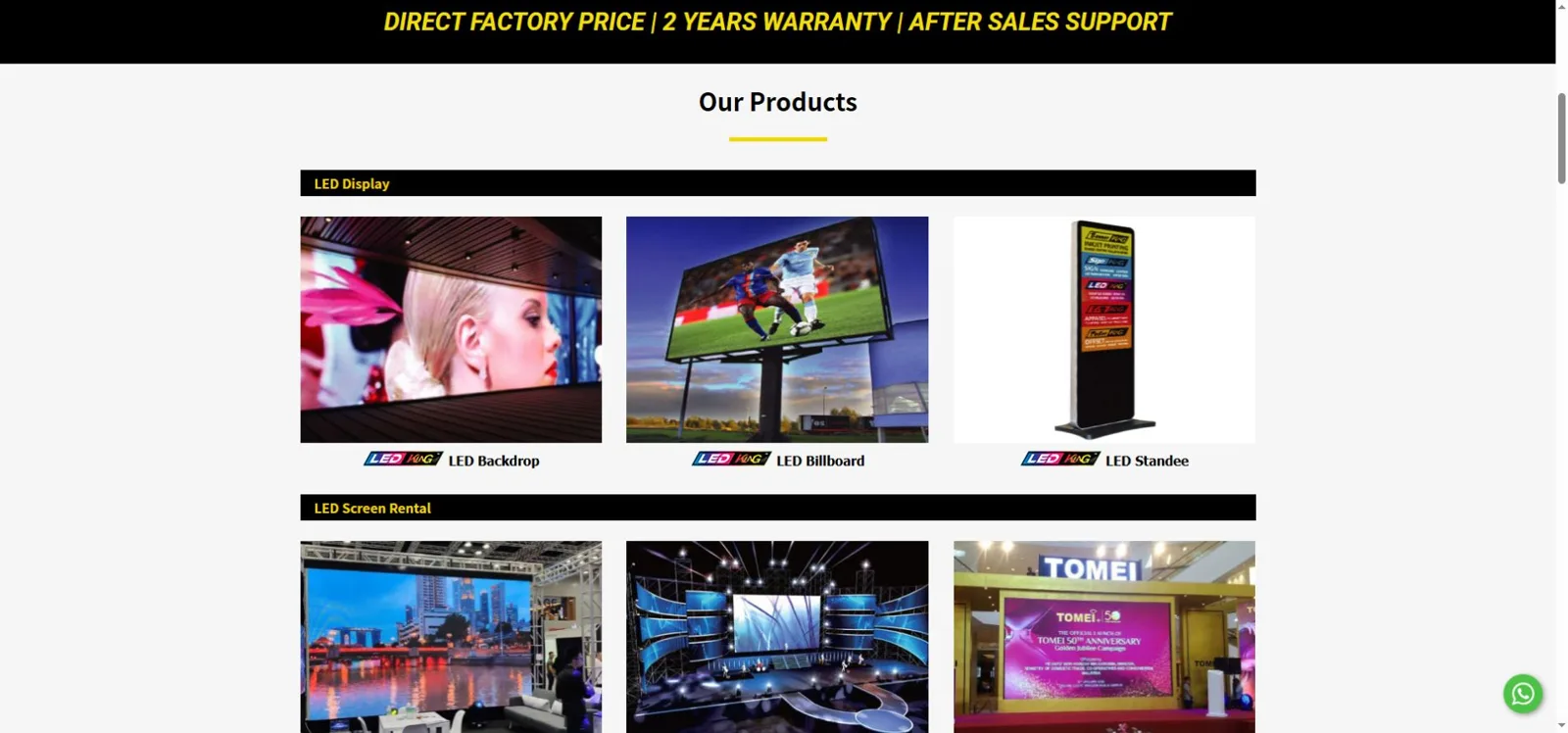
LED King advertises LED display products for sale and rental, including indoor screens, outdoor screens, and advertising applications.
It is a candidate for businesses comparing permanent ownership with temporary screen use. Request separate scopes for purchase and rental so the comparison accounts for equipment ownership, operation, installation, and dismantling.
For any package offer, establish the exact screen dimensions, native pixel resolution, processing equipment, and included services. A package name alone does not provide enough information for technical comparison.
08. Quadniaga Solutions
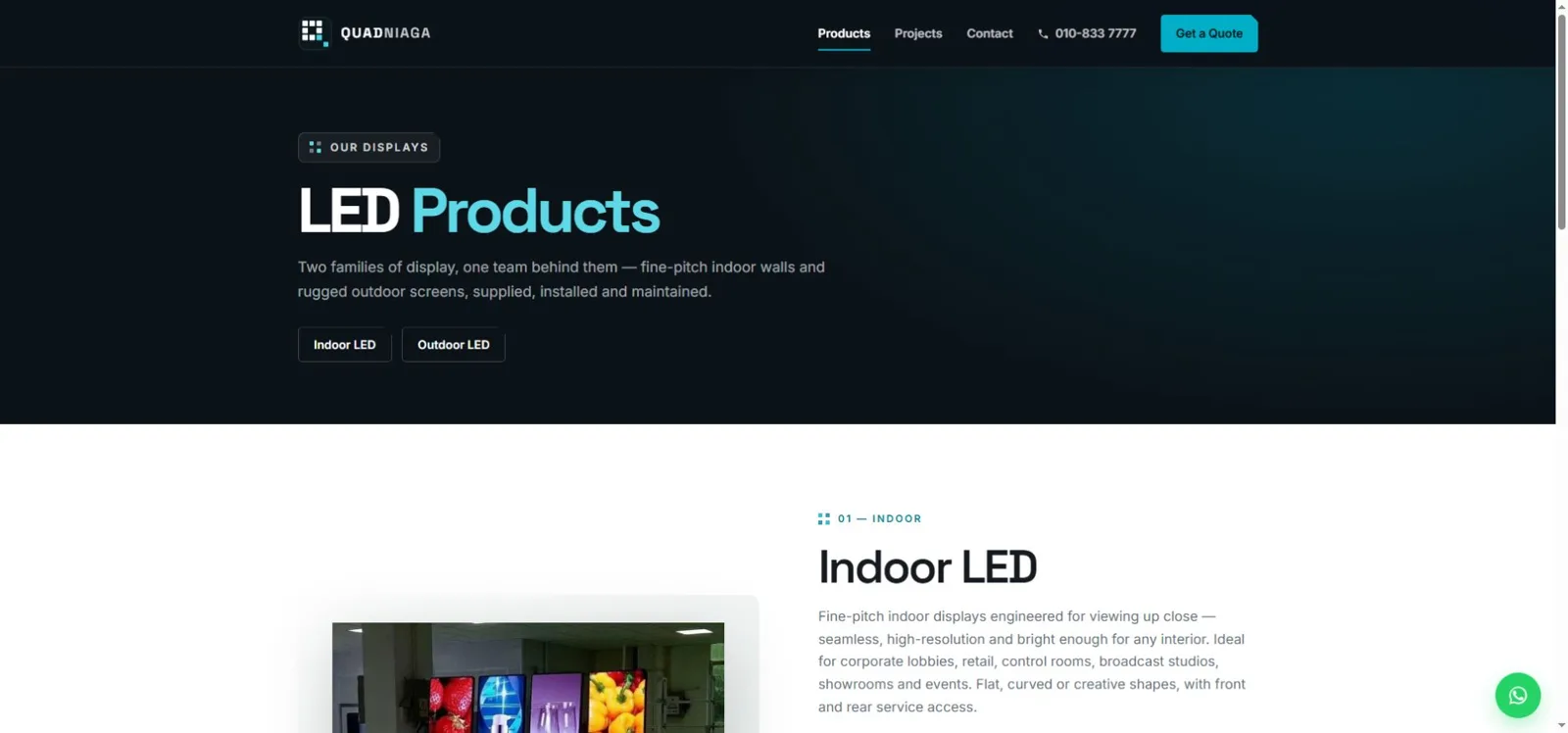
Quadniaga describes a Malaysian LED display supply and installation offering covering outdoor billboards, indoor video walls, structures, power coordination, and maintenance.
This scope is relevant when the screen is one component of a larger site-development project. Buyers should examine the proposed interfaces between display equipment, supporting structure, electrical infrastructure, and site access.
Request clear exclusions and responsibilities. Assistance with project approvals, for example, should be distinguished from a guarantee that approval will be obtained.
09. DOREMi
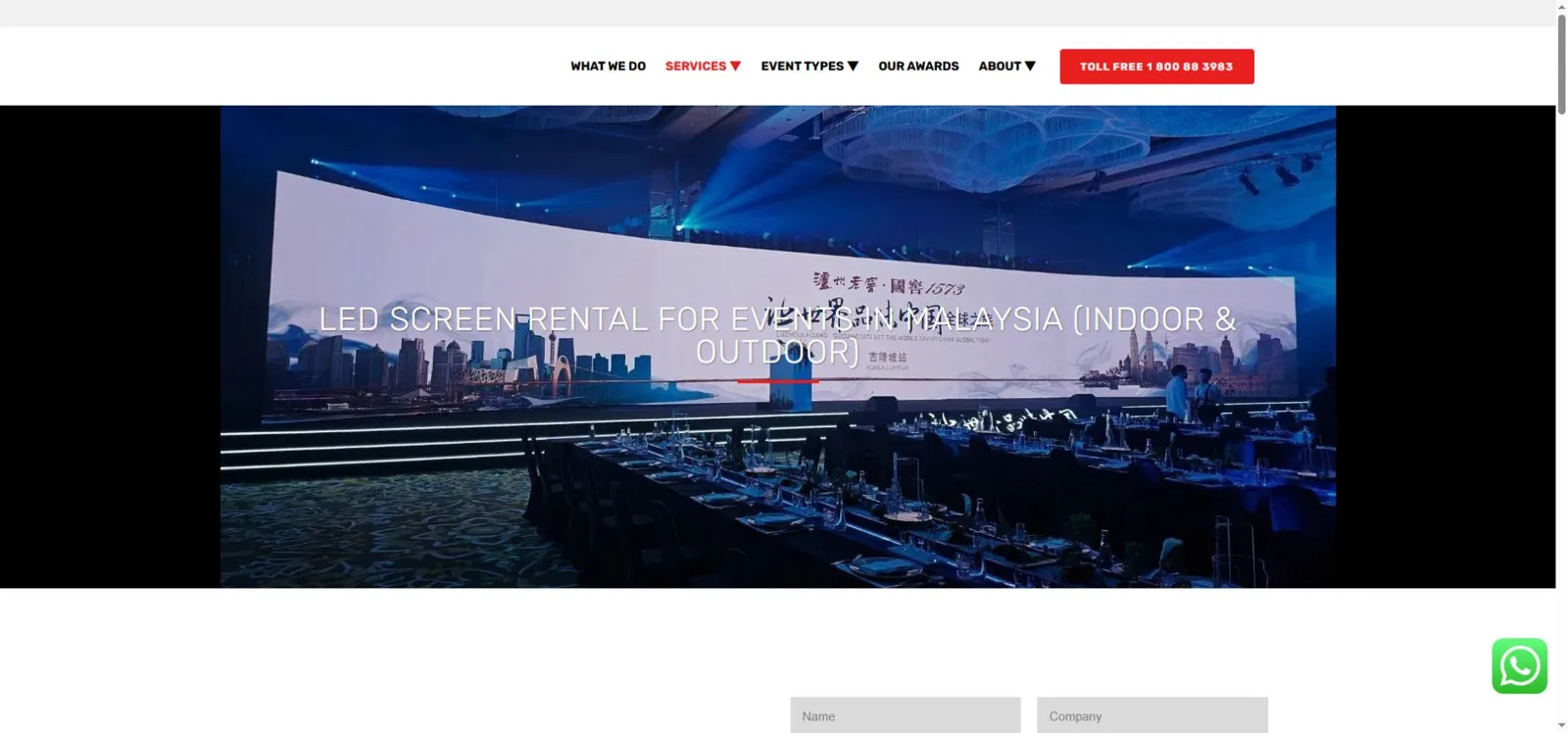
DOREMi offers LED screen services within an event-production portfolio that also includes audiovisual systems, lighting, staging, and video production equipment.
It is particularly relevant when a project requires an operated event system rather than hardware procurement alone. The quotation should identify rehearsal time, technical crew, signal management, and the procedure for equipment failure during the event.
For permanent installations, confirm the specific delivery and maintenance arrangement separately from the company’s event services.
10. MatrixPro Technology
MatrixPro Technology describes LED display boards and control systems alongside a substantial LED lighting and programming offering. Its website references synchronous and asynchronous display control solutions.
It is a candidate for projects involving displays, programmed lighting, or specialist control integration. However, buyers should confirm its current scope for the particular complete video wall they require.
Request display-specific references, equipment documentation, and an explanation of how the screen interfaces with other systems. Lighting-control expertise and video-processing capability should be evaluated separately.
4. Supplier Comparison at a Glance
Use this table to decide whom to approach first. The “question to resolve” column identifies a procurement issue, not a reported weakness.
| Supplier | Published offering relevant to buyers | Question to resolve before shortlisting |
|---|---|---|
| LEDtronics | Display systems and integrated project services | Which engineering and maintenance services are included? |
| LED Vision | Displays within a broader technology portfolio | Which references match this display application? |
| Big Screen Media | LED screens, AV integration, and rental | What is included beyond screen equipment? |
| Israk Solutions | LED screens and broader AV/ICT solutions | How will sources, controls, and user workflows integrate? |
| HeloLED | Screen supply, rental, and repair | What local support terms apply to this project? |
| EagerLED | Overseas LED display manufacturing and supply | Who handles local installation and warranty logistics? |
| LED King | Indoor/outdoor screen sales and rental | What equipment and services define the package? |
| Quadniaga Solutions | Displays and site-related project services | Where do structural, electrical, and approval duties sit? |
| DOREMi | LED screens within event production | What crew, rehearsal, and contingency provisions apply? |
| MatrixPro Technology | Display control and lighting integration | What complete-screen delivery scope is available? |
A productive shortlist normally includes suppliers with comparable responsibilities. If different purchasing models remain under consideration, normalize their scopes before comparing totals.
5. Choosing the Right LED Display Technology
The correct LED display specification follows the viewing task, installation environment, and service conditions. Selecting the smallest pixel pitch or highest advertised brightness without that context can increase cost without improving the finished result.
01. Pixel pitch and native resolution
Pixel pitch is the center-to-center spacing between adjacent pixels, measured in millimeters. At a fixed screen size, a smaller pitch produces more pixels.
For an illustrative calculation, a screen measuring 4,000 × 2,000 mm at an exact 2.5 mm pitch would contain 1,600 × 800 pixels. Actual dimensions must also fit the selected module and cabinet geometry.
This explains why accepting a 4K input does not make every LED display a native 4K screen. The processor may scale that input to a much smaller physical pixel matrix.
Evaluate pitch using the closest viewing position, content detail, and required legibility. A simple distance rule is only a starting point; small text deserves a demonstration.
02. Brightness, environment, and service access
Indoor LED screens and outdoor LED display products solve different environmental problems. An outdoor enclosure needs protection appropriate to its exposure, while indoor applications often prioritize comfortable brightness and image quality at reduced output.
Check protection ratings for the relevant surfaces and installed configuration. Cabinet protection does not automatically cover exposed connections, site cabling, or the surrounding structure.
| Selection factor | What to specify | Practical consequence |
|---|---|---|
| Viewing task | Smallest text, audience position, content examples | Determines useful resolution |
| Ambient light | Daylight exposure and night operation | Shapes brightness and dimming requirements |
| Environment | Rain exposure, humidity, dust, corrosion risks | Influences enclosure and material selection |
| Service access | Front access, rear access, or removal route | Determines repair practicality |
| Operating schedule | Daily hours and shutdown pattern | Supports thermal and maintenance planning |
| Camera use | Actual camera and intended settings | Reveals artifacts missed by visual inspection |
03. Packaging and image performance
SMD and COB describe different LED packaging approaches. Neither label, by itself, establishes overall display quality. Compare the proposed product’s surface characteristics, repair method, thermal design, uniformity, and appearance at the intended brightness. The COB and GOB packaging guide explains additional distinctions to discuss with suppliers.
For filmed applications, a high refresh-rate figure alone does not guarantee a clean image. Panel scanning, camera exposure, synchronization, and the physical pixel pattern can all matter. Test the actual combination of camera, lens, screen, and operating settings.
6. Local Suppliers vs. Overseas Manufacturers
Buying locally can simplify coordination when the supplier accepts responsibility for site work and support. Purchasing from an overseas LED display manufacturer can suit an integrator that already manages installation and wants direct involvement in equipment selection.
Neither route is automatically cheaper. Compare the cost of reaching the same operational result.
| Purchasing route | Potential advantage | Responsibility to establish |
|---|---|---|
| Local turnkey supplier | One project interface for equipment and installation | Exact scope, exclusions, and subcontracted work |
| Local equipment distributor | Local commercial contact and possible stock access | Installation, configuration, and warranty handling |
| Overseas manufacturer | Direct coordination on equipment and configuration | Freight, importation, site work, and service logistics |
| Event rental provider | Temporary system with operational services | Crew coverage, operating hours, and contingency equipment |
An imported LED display quotation should identify shipping terms, destination, packaging, documents, and the point at which responsibility transfers. Have the appropriate logistics adviser confirm current import requirements for the actual goods and shipment.
For EagerLED procurement, a Malaysian integrator should agree the factory-to-site workflow before placing the order. Production completion, shipment arrival, installation completion, and operational handover are separate milestones.
7. LED Display Applications in Malaysia
01. Retail and outdoor advertising
Retail screens need to match the audience’s movement and viewing distance. A storefront LED display viewed from across a concourse has different requirements from a product-information wall read at close range.
For outdoor advertising, investigate direct sunlight, nighttime dimming, weather exposure, service access, and the mounting environment. Structural and electrical requirements need project-specific assessment by qualified personnel.
02. Corporate, education, and control rooms
Presentation spaces should be evaluated with real documents, diagrams, and video-conferencing layouts. The ability to read small text matters more than how impressive a full-screen demonstration video looks.
For a control-room LED display, establish operating hours, source layouts, monitoring, maintenance access, and acceptable interruption. Redundancy must address the required failure scenarios; a backup signal cable does not protect against every processor or power failure.
03. Events and rental fleets
Event screens require attention to handling, cabinet alignment, repeated assembly, transport protection, and rapid servicing. Use an event LED screen planning checklist when coordinating screen size, rigging, and power.
A rental fleet purchase also creates inventory decisions. Standardizing compatible cabinets, spare modules, power components, and control configurations can simplify deployment. Verify compatibility in writing before assuming different production batches can be freely mixed.
8. LED Display Prices and Rental Costs
There is no reliable universal LED display price for Malaysia. Cost depends on the physical screen, pixel count, component choices, processing, installation, and support scope.
A price per square meter can help compare similar hardware configurations. It becomes misleading when one offer includes an installed system and another covers cabinets only.
01. Compare complete project costs
| Cost category | What to request in the quotation | Common omission to check |
|---|---|---|
| Display hardware | Model, quantity, pitch, cabinet dimensions | Spare modules and matching components |
| Processing | Exact devices, capacities, and required features | Scaling, source switching, or licenses |
| Structure | Design, fabrication, finish, and installation | Access equipment and building interfaces |
| Electrical work | Defined distribution and connection scope | Site preparation and protective measures |
| Logistics | Delivery destination and handling scope | Unloading, storage, and difficult access |
| Commissioning | Configuration, calibration, and tests | Operator training and documentation |
| Maintenance | Labor, parts, travel, and response terms | Return freight and access costs |
Request a consistent currency and clearly identified tax treatment. For offers in different currencies, use a documented comparison date and retain an allowance for exchange-rate movement where appropriate.
02. Separate operating cost from maximum power
Maximum LED display power and typical operating consumption are different quantities. Typical demand varies with brightness, content, configuration, and operating conditions.
Estimate energy use from a documented average load under representative conditions, then multiply by operating hours. Use the relevant current electricity charges for the site. Electrical design should follow the equipment requirements and qualified project assessment, rather than an optimistic average-consumption estimate.
03. Compare rental and ownership fairly
Rental can suit occasional events when storage, transport, technicians, and maintenance would otherwise become the buyer’s responsibility.
Ownership may suit frequent use, but utilization is only part of the calculation. Include crew time, damaged components, warehouse space, insurance where applicable, and equipment downtime.
For rental quotations, compare screen dimensions, usable resolution, event duration, rehearsal, operator attendance, setup, dismantling, and contingency arrangements. “One day” should have an agreed definition.
9. How to Evaluate Quotes and Accept Delivery
A useful request for quotation describes the finished task: location, screen dimensions, viewing positions, content, operating hours, environment, installation access, and completion date.
Ask each supplier to return the same technical schedule. Differences then become visible before contract award.
01. Define acceptance before ordering
An LED display should be accepted against documented requirements rather than a general statement that the picture looks good.
| Acceptance area | Test or evidence | Record to retain |
|---|---|---|
| Equipment identity | Match delivered hardware to approved schedule | Models, quantities, and serial records |
| Native resolution | Verify pixel mapping and physical layout | Final screen map |
| Image quality | Review solid colors, gradients, text, and video | Agreed observations and corrections |
| Operating conditions | Test at intended brightness and sources | Settings and test conditions |
| Failure handling | Test agreed backup functions where fitted | Observed behavior and limitations |
| Serviceability | Demonstrate approved maintenance access | Service procedure |
| Handover | Check files, training, and documents | Signed delivery checklist |
Set defect tolerances, test duration, and correction procedures in the contract. This avoids disputes about whether a visible issue is acceptable after delivery.
02. Keep recoverable configuration records
Request screen mapping, configuration files, calibration data where applicable, software versions, and a component inventory. Store an approved backup under the buyer’s control.
Controller platforms differ, but configuration recovery is a real operational requirement. NovaStar documentation, for example, describes restoring system and card configurations from backup files. Verify the appropriate procedure for the platform supplied.
Final payment milestones should correspond to the agreed deliverables, including commissioning records and unresolved defects.
FAQ
01. Can an existing LED display be expanded later?
Sometimes, but expansion requires more than buying additional cabinets with the same pixel pitch. Mechanical dimensions, module design, receiving-card configuration, power requirements, and processing capacity must remain compatible.
Color and brightness differences between older and newer batches may also remain visible. If expansion is likely, discuss compatible reserve stock and future availability before the initial purchase.
02. Can modules from different manufacturers be mixed?
Matching dimensions and pitch do not establish compatibility. Modules can differ in electrical connections, driver components, scan behavior, configuration, and optical output.
Use replacements approved for the specific LED display system. Even a module that lights correctly may produce a visible patch or require configuration changes.
03. Can an LED video wall display ordinary video files?
Usually, an appropriate media player or source computer decodes the file and sends video into the display system. File-format support therefore depends on the playback equipment, not simply the LED cabinets.
Prepare content for the actual screen canvas and aspect ratio. Otherwise, scaling may crop important material, add borders, or distort the image.
04. Can an LED display work with an existing AV system?
Often, provided the interfaces and operating requirements are compatible. Check source connections, signal formats, resolution, frame rate, switching, latency, and any content-protection requirements.
The receiving-card network is not automatically equivalent to a general-purpose building network. Have the integrator document the complete signal path and any required converters or transport devices.
05. Why does an LED display look different on camera?
A camera samples the image differently from the human eye. Exposure timing and panel scanning can produce bands, while interaction between the camera sensor and screen pixel grids can create moiré.
Changing refresh rate alone does not resolve every artifact. Camera position, focus, lens choice, exposure, and compatible synchronization features may need adjustment.
06. Is a quoted LED lifetime the same as the system’s service life?
No. A stated LED lifetime may describe light-output degradation under particular test conditions. It does not establish how long every power supply, fan, connector, controller, or module will operate.
For procurement, ask about warranty coverage, component availability, repair arrangements, and expected maintenance. Those details are more useful than treating one lifetime figure as a system guarantee.
07. Can LED display content be managed remotely?
Yes, when the specified player, controller, or content-management platform supports it. Confirm scheduling, access permissions, connectivity, software charges, and behavior during an internet outage.
Assign ownership of administrator accounts and define who can publish content. Remote access should be configured through the organization’s approved network and security arrangements.
08. What should happen after a module failure?
The operator should follow the supplier’s diagnostic and replacement procedure. A screen fault may originate in a module, cable, receiving card, power component, or configuration, so replacing the visible section is not always the correct first action.
Keep approved spares and configuration records available. After replacement, check image consistency and apply the supported calibration procedure where required.
Conclusion
Choosing among LED display suppliers in Malaysia requires a clear connection between the supplier’s role and your project responsibilities. Establish the application, compare equivalent scopes, and confirm how the system will be installed, tested, maintained, and restored after a fault.
EagerLED is an option for distributors, AV integrators, and contractors seeking an overseas manufacturing partner with documented Malaysian supply experience. Send the intended screen dimensions, viewing distance, environment, content requirements, and delivery location through EagerLED’s inquiry page. Request a project-specific equipment schedule, spare-parts proposal, and support scope so the resulting LED display quotation can be evaluated against the same requirements as local alternatives.
 Top 10 LED Screen Suppliers in the Philippines (2026)
Related Posts
Fill In Your Needs In Detail
Fill in the screen usage scene and size you need in “Content”.You will get a quote.