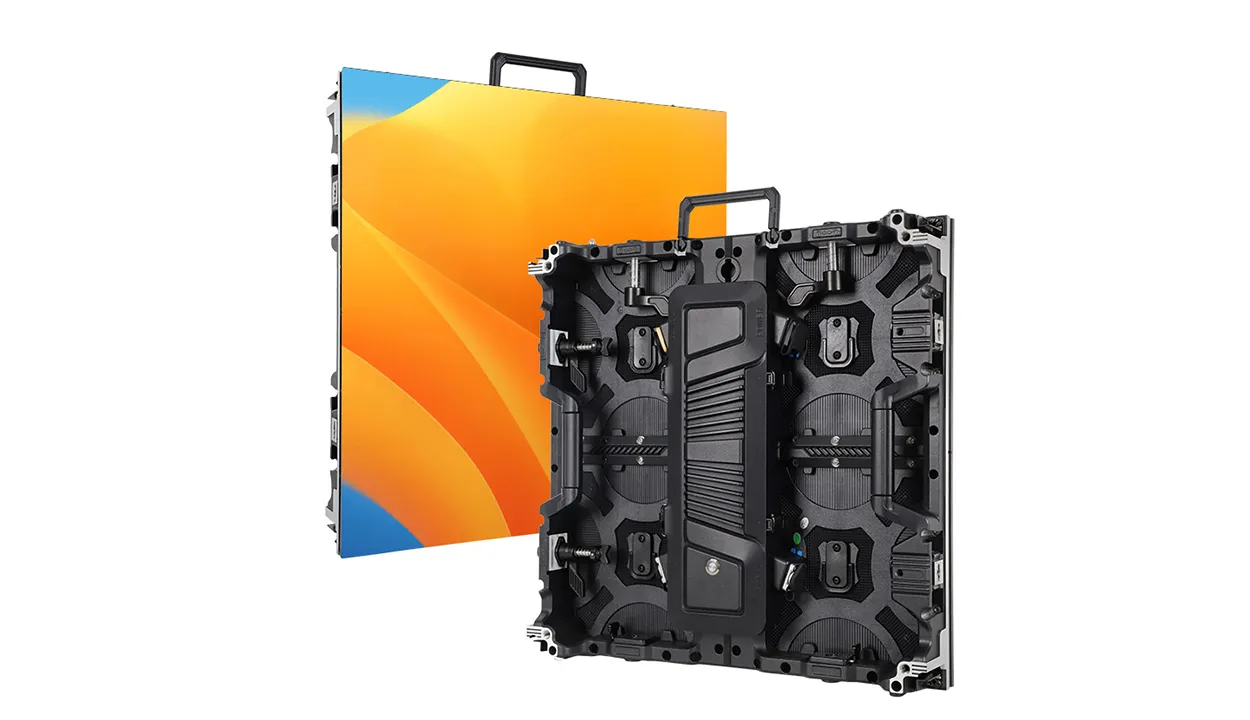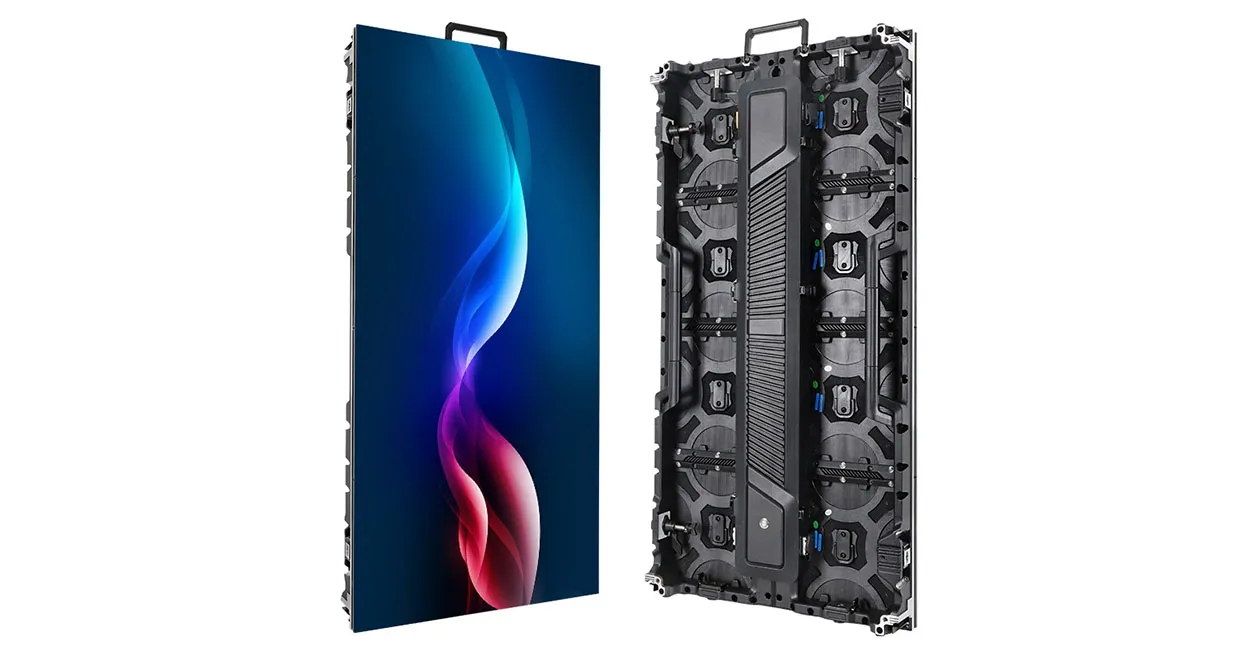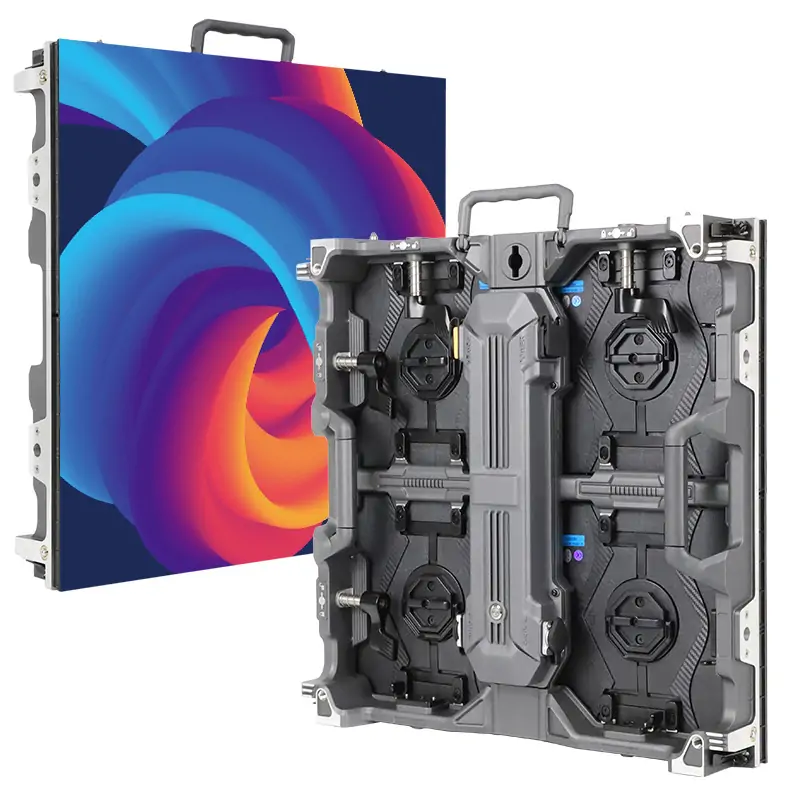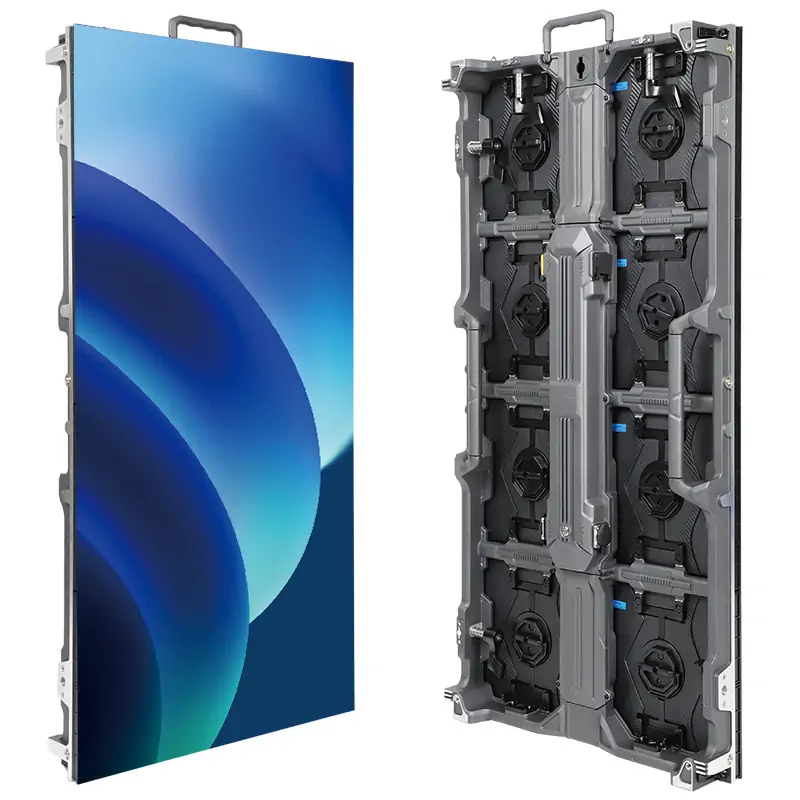
A P4 outdoor LED video wall is a weatherproof direct-view LED screen with 4 mm between pixel centers. That pitch puts 62,500 pixels into every square meter, so text, faces and product shots stay sharp even when people stand only a few meters away. For this reason, P4 has become a common choice when an outdoor screen must serve pedestrians as well as passing traffic.
Fine pitch outdoors is harder to build than fine pitch indoors, however. The LEDs are smaller, yet they must still beat direct sunlight. The cabinets must stay sealed, cool and flat for years. As a result, two P4 outdoor LED video wall quotations with the same headline pitch can perform very differently on site.
The sections below are aimed at people who specify, resell or install outdoor screens: buyers, distributors, AV integrators and contractors. They start with what P4 means and which datasheet lines to question. Later sections cover sizing, the brightness and heat trade-off, P4 against nearby pitches, good sites, cost drivers and installation. Ranges marked “typical” come from published manufacturer datasheets. Always confirm values against the exact product you plan to buy.
1. What Is a P4 Outdoor LED Video Wall?
The “P” in P4 stands for pixel pitch, the center-to-center distance between two adjacent pixels. On a full-color P4 outdoor LED video wall, each pixel is an RGB group. It is almost always a single SMD package containing red, green and blue chips. In other words, the “4” describes geometry, not quality.
Because pitch is fixed, density is fixed too. With 4 mm spacing there are 250 pixels per meter in each direction. One square meter therefore carries 250 × 250 = 62,500 pixels, four times as many as a P8 screen and about 56% more than P5.
01 Video wall, screen or billboard?
Buyers use several names for the same product family. “P4 outdoor LED video wall” usually describes a large, multi-cabinet screen showing video. “P4 outdoor LED screen” and “P4 outdoor LED display” are broader terms, while “P4 LED billboard” points to advertising use. The hardware is the same in each case: modules mounted in sealed cabinets, joined into one seamless canvas and driven by a common control system.
02 Where P4 sits among outdoor pitches
Outdoor pitches range from roughly 2.5 mm up to 16 mm and beyond. Pitches from about P2.5 to P4 are generally treated as fine pitch for outdoor use. In contrast, P6.67, P8 and P10 are the workhorses of roadside advertising. A P4 outdoor LED video wall therefore sits at the sharp end of mainstream outdoor products. Here, image quality improves quickly, but so do component count and cost.
2. P4 Outdoor LED Video Wall Specifications That Matter
A P4 outdoor LED video wall datasheet lists dozens of values, but a handful decide image quality, reliability and running cost. The table below summarizes them with ranges from published outdoor P4 datasheets. It also adds the question a buyer should ask about each.
| Parameter | Typical for outdoor P4 | What to check |
|---|---|---|
| Pixel pitch | 4 mm (P3.91 and P4.81 are separate pitches) | Exact pitch in mm, not only the “P4” label |
| Pixel density | 62,500 pixels/m² | Fixed by geometry for a true 4 mm pitch |
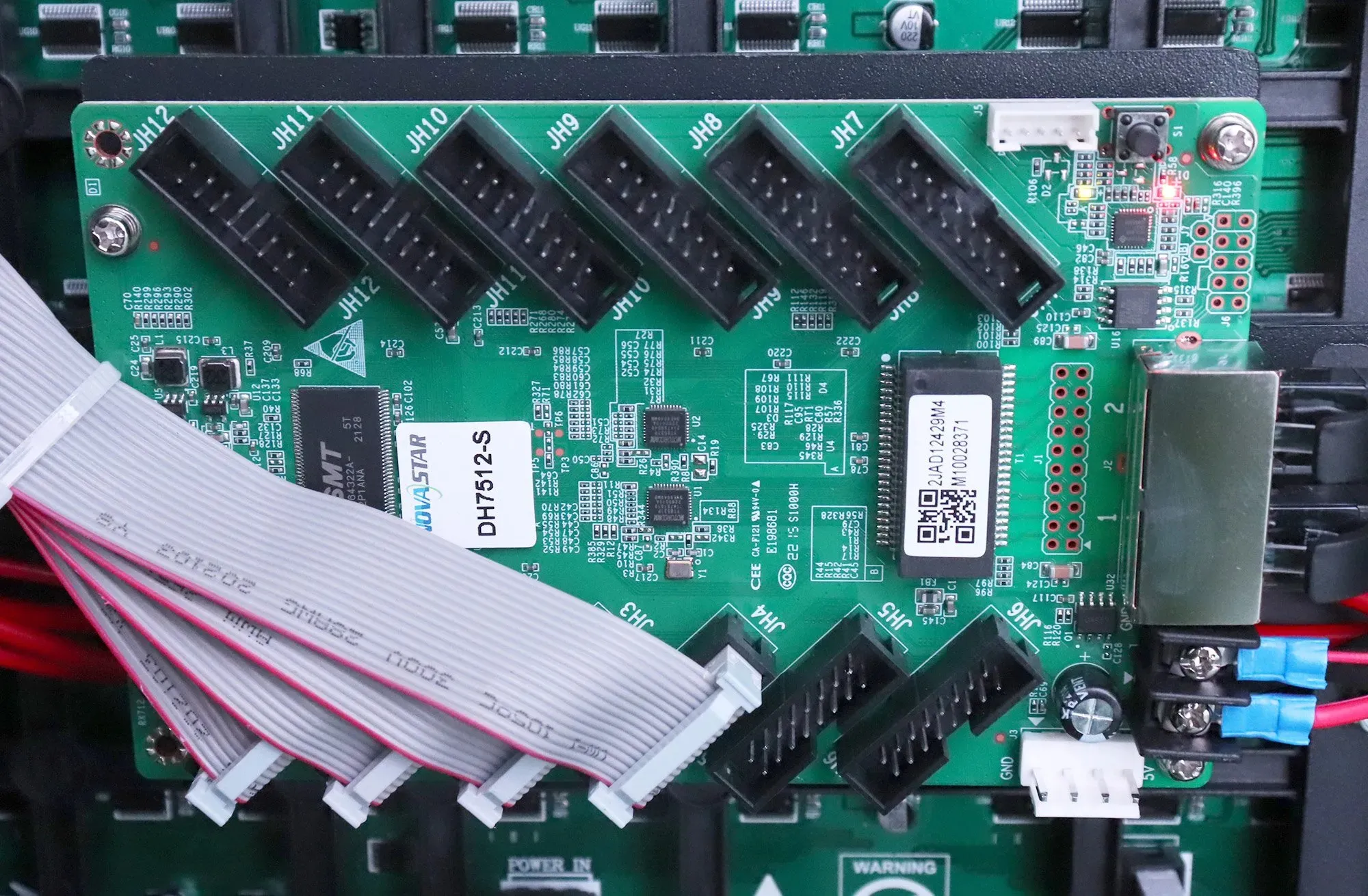
| LED package | SMD1921 is common at this pitch | Chip brand, black-body surface, moisture resistance |
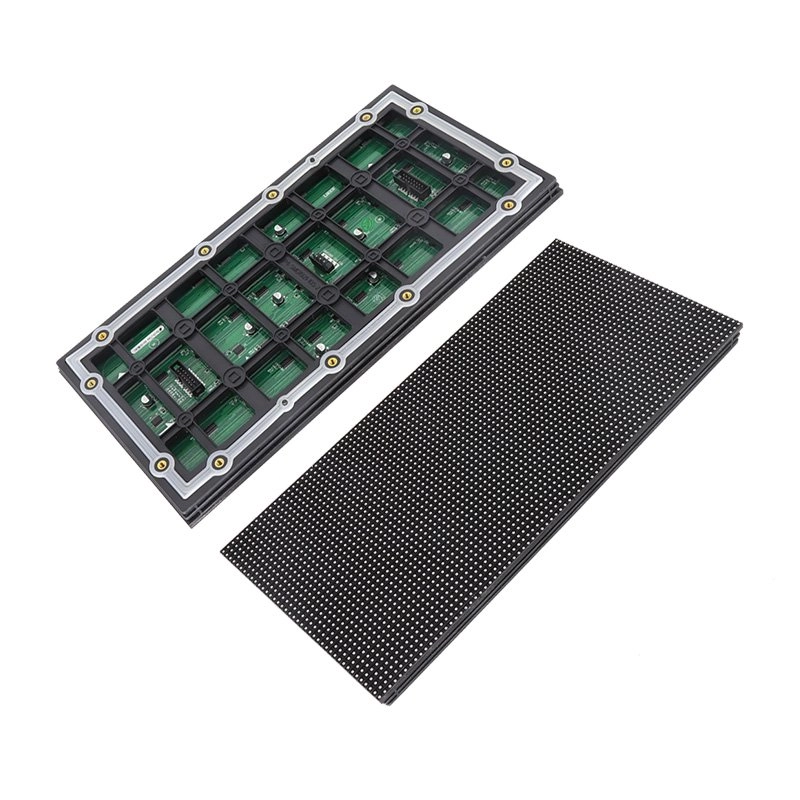
| Module size | 320 × 160 mm (80 × 40 px) or 256 × 128 mm (64 × 32 px) | Spare-part compatibility |
| Cabinet size | 960 × 960 mm (240 × 240 px) is common | Weight, material, flatness, splicing |
| Brightness | Often about 5,000–6,500 nits | Measured after calibration? Light sensor included? |
| Refresh rate | 1920 Hz standard; 3840 Hz options | Camera, broadcast or phone-video use |
| Scan mode | Often 1/8 or 1/10 | Driver IC model and brightness at that scan |
| Power | Datasheets often state roughly 850–900 W/m² max and 280–300 W/m² average | Both maximum and average figures |
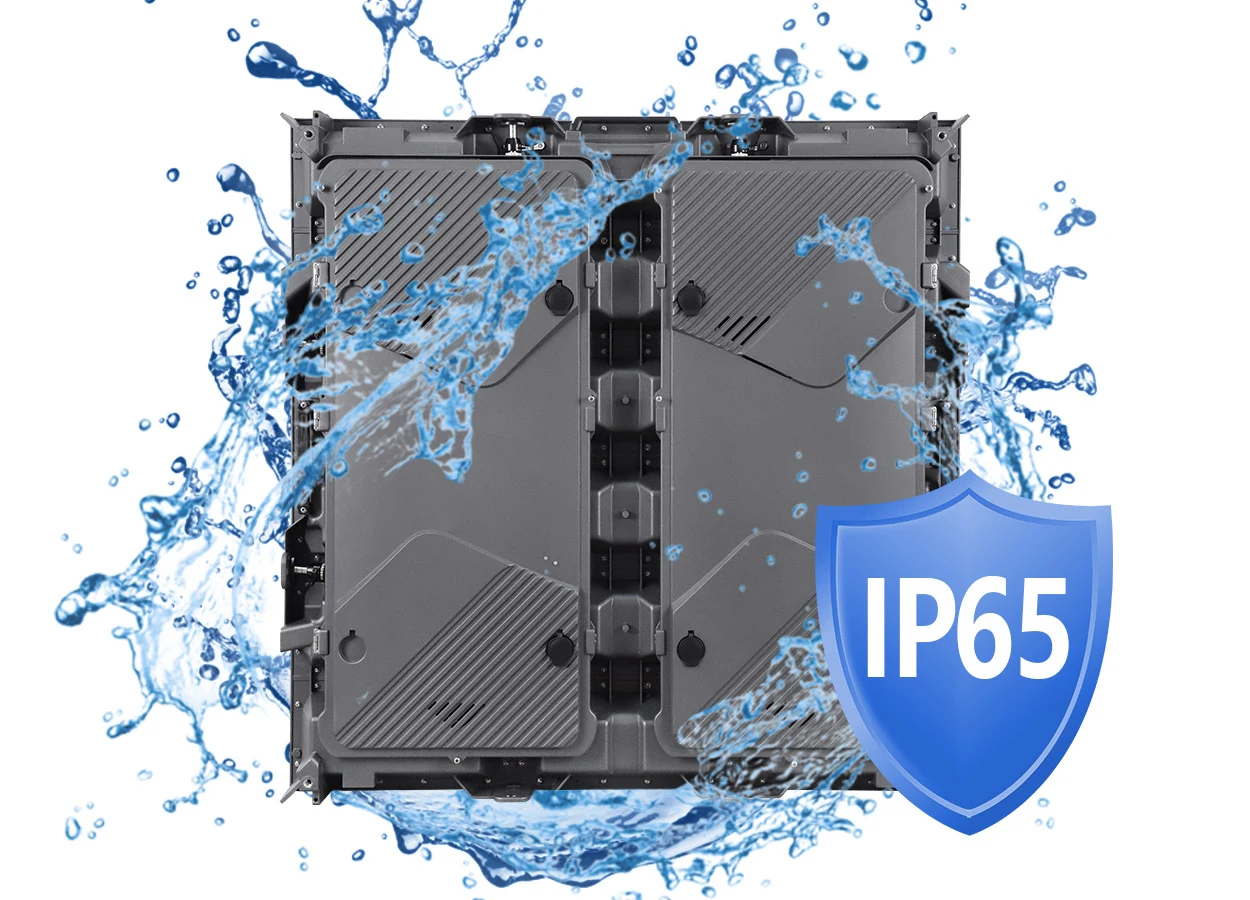
| Ingress protection | IP65 front; rear rating varies | Rear rating and sealing method |
| Service access | Rear, front or dual service | Space available behind the wall |
Two published examples show how these ranges look in practice. EagerLED’s EA-OFixed P4 datasheet lists SMD1921 LEDs and 320 × 160 mm modules at 80 × 40 pixels. Its 960 × 960 mm cabinet carries 240 × 240 pixels at 5,500 cd/m² and 1/10 scan, with 1920 Hz or 3840 Hz refresh. Power is listed at 900 W/m² maximum and 300 W/m² average, with IP65 front and IP54 rear protection. Other published P4.0 outdoor datasheets show similar values. One example lists 6,000 nits and 3840 Hz, with 850 W/m² maximum and 280 W/m² average power on a 960 × 960 mm cabinet.
01 LED package and surface treatment
At 4 mm pitch, each pixel must fit into a much smaller footprint than on P8 or P10. Consequently, small packages such as SMD1921 dominate. On a P4 outdoor LED video wall, small packages leave less margin against moisture and ultraviolet light. That is why the LED, its encapsulation and the module coating matter more here than at larger pitches. Ask for the LED brand, the package type and any protective coating or potting used on the module.
02 Refresh rate and gray scale
Refresh rate sets how stable the image looks to viewers and to cameras. A 1920 Hz configuration is common for advertising loops. On the other hand, 3840 Hz is the safer specification when the P4 outdoor LED video wall will appear in event photography, broadcast or social-media video. The driver IC also sets gray-scale depth, which shows in dark scenes and skin tones.
3. Viewing Distance and Screen Size for a P4 Outdoor Video Wall
Most P4 projects are justified by viewing distance. The pitch only pays off when many viewers stand near the screen.
01 Minimum and comfortable viewing distance
Integrators often start from a simple ratio: one meter of minimum viewing distance for every millimeter of pitch. Applied to a P4 outdoor LED video wall, the nearest comfortable viewer stands about 4 m away. Inside that range, the grid of individual pixels starts to show. For a polished, photo-like image, many planners double or triple that figure, which gives roughly 8 to 12 m. Treat the ratio as a starting point, not a rule. If the site is borderline, put a sample cabinet in place and look at real content from the real spot. Our guide to choosing pixel pitch covers when the ratio holds and when it does not.
02 Cabinet layouts, wall size and resolution
An LED wall has no fixed resolution; resolution follows size. The next table uses the popular 960 × 960 mm cabinet, which holds 240 × 240 pixels. It lists common P4 outdoor LED video wall layouts with their size and pixel count.
| Cabinet layout (W × H) | Screen size (W × H) | Native resolution | Approx. aspect ratio |
|---|---|---|---|
| 3 × 2 | 2.88 × 1.92 m | 720 × 480 | 3:2 |
| 4 × 3 | 3.84 × 2.88 m | 960 × 720 | 4:3 |
| 6 × 3 | 5.76 × 2.88 m | 1440 × 720 | 2:1 |
| 6 × 4 | 5.76 × 3.84 m | 1440 × 960 | 3:2 |
| 8 × 5 | 7.68 × 4.80 m | 1920 × 1200 | 16:10 |
| 16 × 9 | 15.36 × 8.64 m | 3840 × 2160 | 16:9 |
Two practical points follow. First, a P4 outdoor LED video wall reaches Full HD width at 7.68 m, so mid-size P4 screens can play HD content close to pixel-for-pixel. Second, true 4K needs a screen more than 15 m wide. For most projects, content should simply be authored at the wall’s native resolution rather than scaled.
4. Brightness, Scan Rate and Heat in Fine-Pitch Outdoor Screens
This is where a P4 outdoor LED video wall differs most from larger outdoor pitches. Understanding the trade-off helps buyers read datasheets critically.
01 Why fine pitch makes brightness harder
A P4 outdoor LED video wall carries four times as many pixels as a P8 screen of the same size. To keep driver IC count and cost under control, P4 modules usually run at a higher scan ratio. Values such as 1/8 or 1/10 are typical, compared with 1/4 or 1/5 at P8 and P10. With a higher scan ratio, each LED is lit for a smaller share of every frame. As a result, reaching 5,000 nits or more requires efficient LEDs and well-designed drive circuits. Our article on 1/8 vs 1/16 scan rates covers the underlying mechanism.
02 How much brightness is enough?
The right figure depends on orientation, shade and operating hours, not on the highest number in a catalogue. A P4 outdoor LED video wall facing west into afternoon sun needs real headroom. A wall under a canopy or in a narrow street may never need full output. Either way, include a light sensor that lets the system dim at dusk, and ask whether the quoted value is measured after white-balance calibration. Brightness is quoted in nits, and one nit equals one candela per square meter. The LED screen brightness guide explains how to match nits to a site.
03 Heat, power and sealing
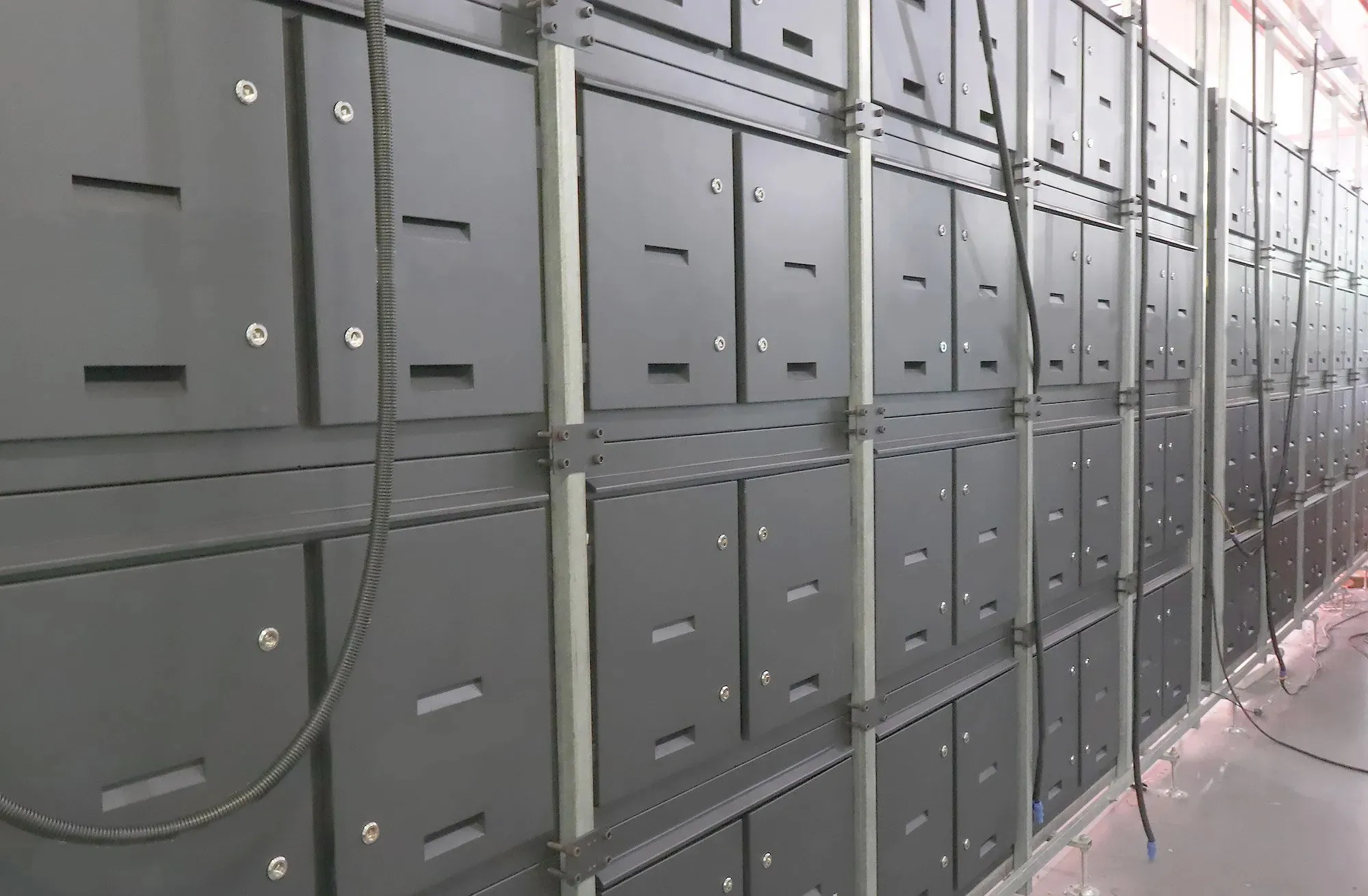
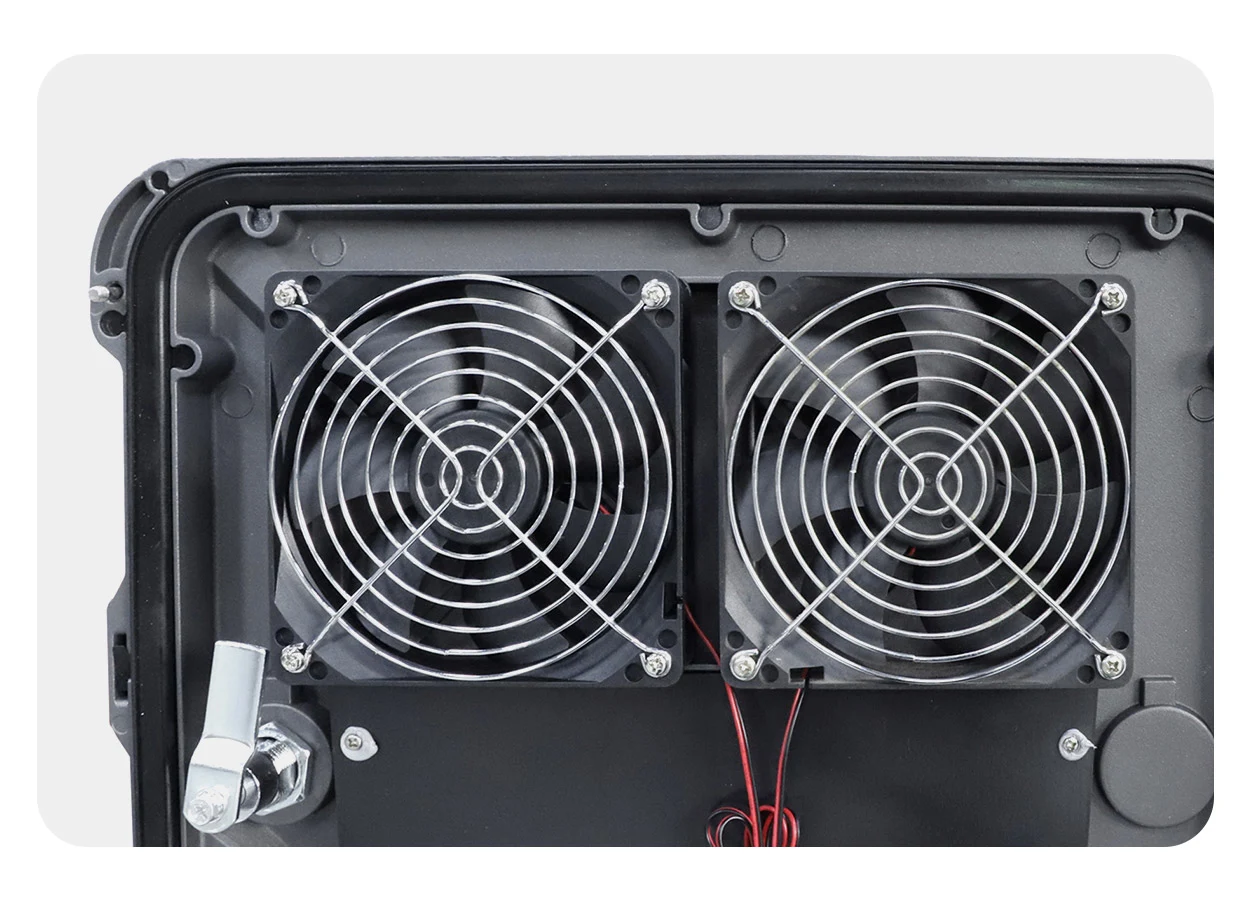
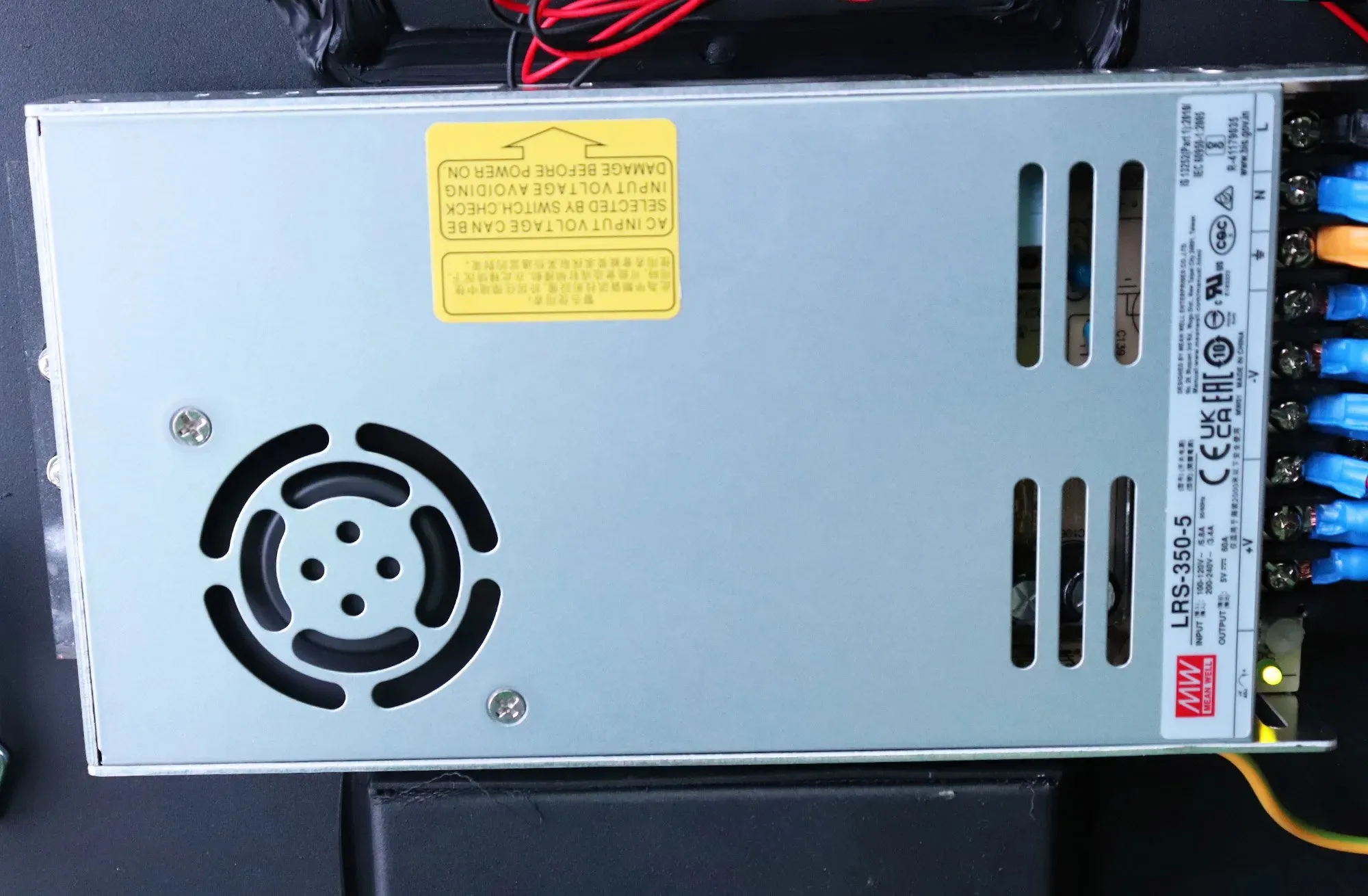
In a P4 outdoor LED video wall, more LEDs and driver ICs per square meter mean more heat in the same cabinet volume. Meanwhile, the cabinet must stay sealed against rain and dust. Good designs handle this with die-cast aluminum cabinets, conductive paths from the modules to the frame, and fans or air channels where needed. For ingress protection, IP65 on the front is the common baseline; the IEC’s IP ratings page defines both digits. Ask for two power figures: peak draw, which decides cable and breaker sizes, and typical draw, which decides the electricity bill.
5. P4 vs P3.91 vs P5 vs P6.67: Choosing an Outdoor Pitch
An RFQ that begins at P4 often turns into a comparison with nearby pitches. Every figure in the next table follows from the pitch itself; the distance row applies the ratio from section 3.
| Item | P3.91 | P4 | P5 | P6.67 |
|---|---|---|---|---|
| Pixel pitch | 3.91 mm | 4 mm | 5 mm | 6.67 mm |
| Pixels per m² | ≈65,500 | 62,500 | 40,000 | ≈22,500 |
| Pixels per 960 × 960 mm cabinet | Not a standard fit (usually 500 mm cabinets) | 240 × 240 | 192 × 192 | 144 × 144 |
| Rule-of-thumb minimum viewing distance | ≈4 m | ≈4 m | ≈5 m | ≈6.7 m |
| Screen width for 1920 px | ≈7.5 m | 7.68 m | 9.60 m | ≈12.8 m |
| Relative component count and cost | High | High | Medium | Lower |
| Typical use | Rental and event screens | Fixed close-view outdoor walls | Fixed mid-distance advertising | Roadside and building advertising |
In practice, P3.91 and P4 are almost identical in density. The main difference is the product family. P3.91 is mostly built into 500 × 500 mm and 500 × 1000 mm rental cabinets for events. P4, by contrast, usually appears in fixed-installation cabinets such as 960 × 960 mm.
The step from P4 to P5 matters more. Compared with P5, a P4 wall packs roughly 1.56 times the pixels into each square meter. That difference shows clearly in small text and faces at 4 to 6 m, but it fades when viewers stay beyond 10 m.
The practical decision usually runs like this:
- Pick P4 when many viewers stand within about 4 to 8 m, the content includes small text or detailed products, and the screen is mid-sized.
- Consider P5 when the closest viewers are around 5 m or more and budget per square meter carries more weight.
- Move to P6.67 or larger when the audience is mainly in vehicles or across a wide plaza, and close-up detail is not the priority.
6. Advantages and Limitations of a P4 Outdoor LED Screen
Every pitch is a compromise. Knowing both sides helps avoid over-specifying a P4 outdoor LED screen, or under-delivering on a close-view site.
01 Advantages
- Close-view clarity. Small text, logos and faces stay legible from about 4 m, which suits pedestrian streets and storefronts.
- HD on mid-size walls. A 7.68 m wide P4 outdoor LED video wall already reaches 1920 pixels across.
- Flexible content. Menus, schedules, live feeds and detailed product video all work at this density.
- Smaller screens stay useful. A 3 m wide P4 screen still has 750 horizontal pixels, enough for readable layouts.
- Brand perception. A sharper image near shop entrances and building lobbies supports premium positioning.
02 Limitations to plan around
- Higher cost per square meter. More LEDs, driver ICs and receiving capacity raise the price compared with P5 or P6.67.
- Higher power density. Maximum consumption per square meter is typically higher than on larger-pitch outdoor screens.
- Brightness engineering. Higher scan ratios make high brightness harder, so LED and IC quality matter more.
- Wasted detail at long range. If nearly all viewers are beyond 10 m, the extra pixels add cost without visible benefit.
- Maintenance precision. Small LEDs are more sensitive to impact and moisture, so handling and sealing deserve attention.
7. Where a P4 Outdoor LED Video Wall Works Best
The common thread across a good P4 outdoor LED video wall project is close or mixed-distance viewing. The table below matches typical sites with configuration priorities.
| Application | Typical viewing situation | Configuration priorities |
|---|---|---|
| Storefronts and retail façades | Pedestrians within a few meters | Front service, night dimming, high contrast |
| Shopping mall exteriors and plazas | Mixed walking and seated viewing | 3840 Hz refresh, scheduling, uniform color |
| Transport hubs and bus or rail stations | Waiting passengers at medium range | Legible text, remote monitoring, reliability |
| Building lobbies and entrance canopies | Close viewing under partial cover | Moderate brightness, flatness, low noise |
| Campus, corporate and civic squares | Mixed audiences and events | Live input support, flexible layouts |
| Drive-thru and outdoor menu boards | Viewers at a few meters | Readable fonts, sunlight readability, front access |
By contrast, highway billboards and rooftop signs read mainly by drivers rarely need P4. For those sites, P6.67, P8 or P10 usually deliver the same visible result at lower cost.
8. P4 Outdoor LED Video Wall Cost Factors
Buyers often ask for a single P4 outdoor LED video wall price per square meter. That figure is useful for early budgeting. Still, matching per-square-meter prices often hide different LEDs, cabinets and scopes of supply. These are the items that usually explain the difference.
| Cost factor | Why it changes the price | Buyer tip |
|---|---|---|
| LED package and chip brand | Chip quality sets brightness, uniformity and failure rate | Ask for LED brand and package in writing |
| Driver IC and refresh rate | 3840 Hz and high gray-scale ICs cost more | Pay for camera performance only if needed |
| Module protection | Coatings or potting add process cost | Ask how modules are protected from moisture |
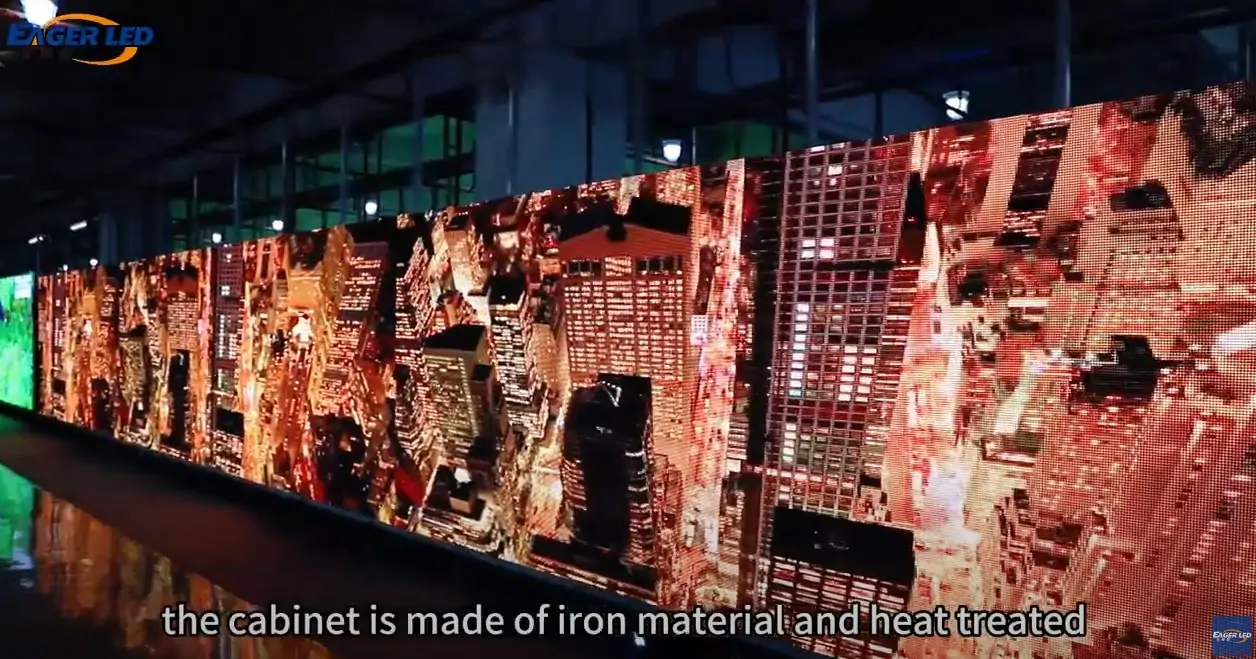
| Cabinet material and service type | Die-cast aluminum and front service add cost | Choose service type from site access |
| Brightness and cooling | High-efficiency LEDs and thermal design add components | Match brightness to sun exposure |
| Control system | Processors, sending cards and players vary widely | Confirm live feed or scheduled playback |
| Screen area and cabinet count | Fixed costs spread over more square meters | Compare price per cabinet and cabinet count |
| Structure, installation and freight | Often excluded from panel prices | Request a scope-separated quotation |
To compare offers fairly, line them up cabinet by cabinet rather than by a rounded square-meter figure. Ask each supplier to list hardware, steelwork, electrical work, installation, shipping and content production as separate lines. Then look past the purchase price. Average power draw, dimming control and module swap time all shape what the wall costs over its life. Early budgets can begin with EagerLED’s LED display price calculator, followed by a quotation built on the real site details.
9. Installation, Service Access and Maintenance Planning
A P4 outdoor LED video wall is usually installed closer to people than larger-pitch screens. This affects mounting, access and safety planning.
01 Mounting and structure
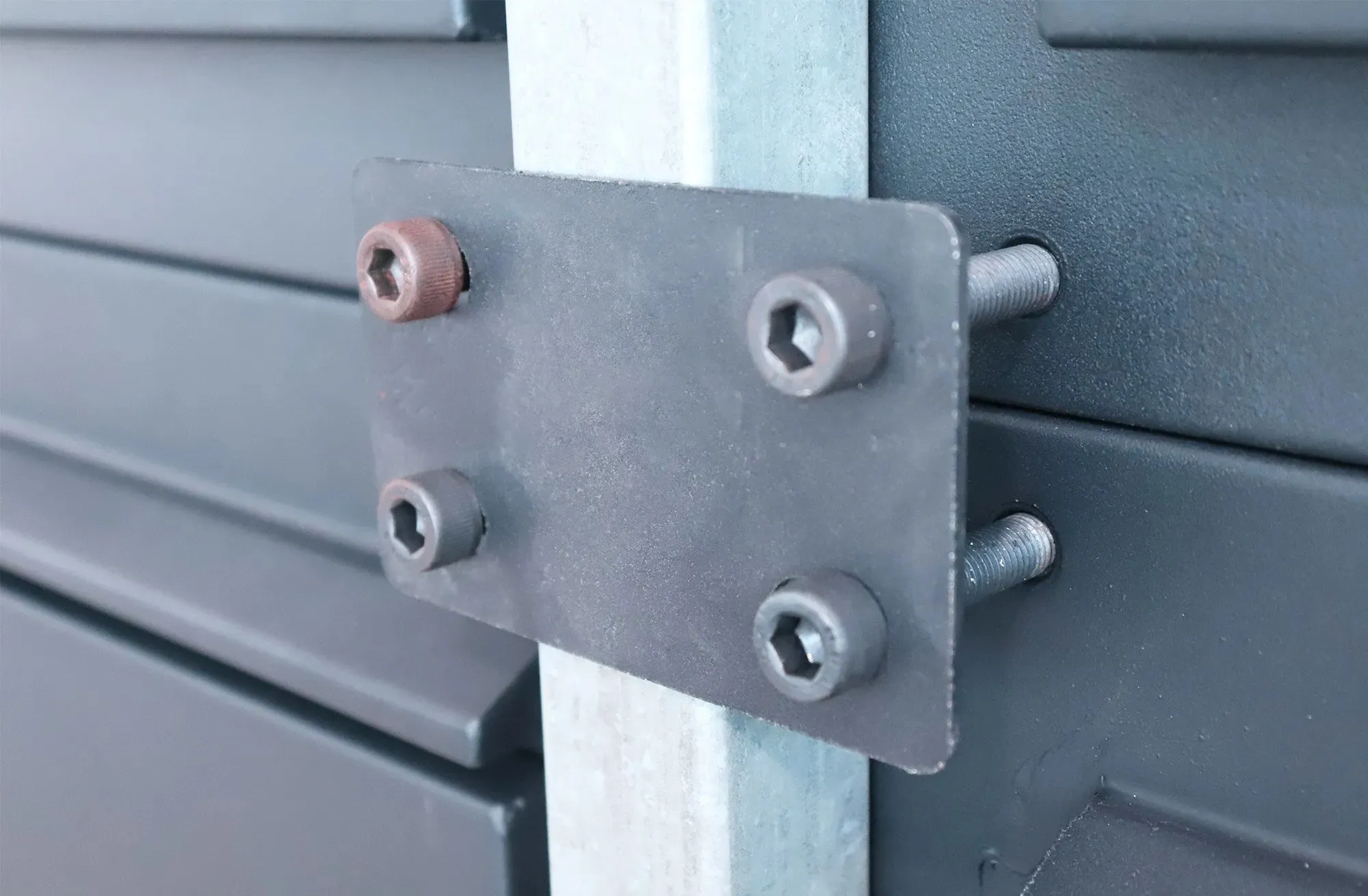
Wall mounting, freestanding frames, canopies and pole structures are all common. Whatever the method, the structure must handle the wall’s weight, wind load and thermal movement, and it must keep the cabinets flat. Flatness matters more at fine pitch, because small steps between cabinets show as visible seams at close range. Common approaches are compared in outdoor LED screen installation methods.
02 Front service or rear service
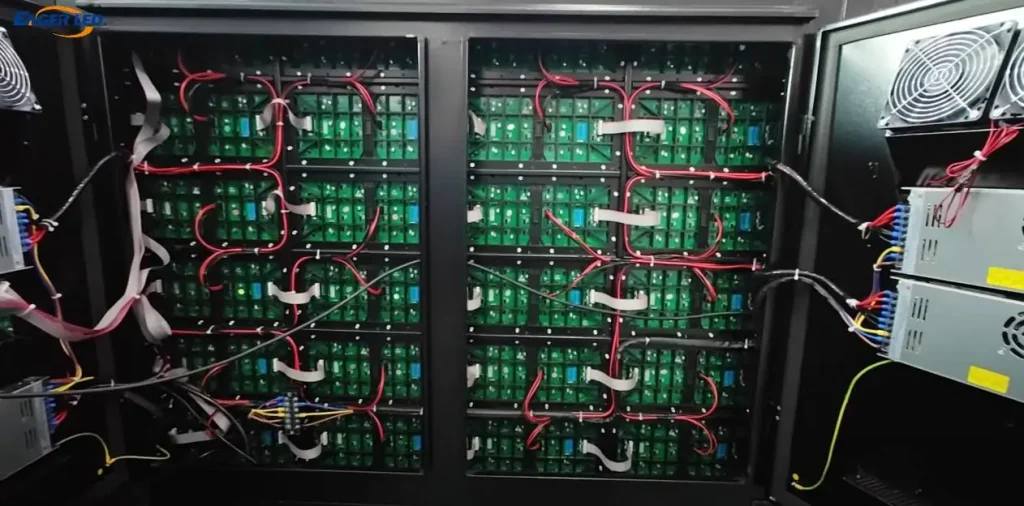
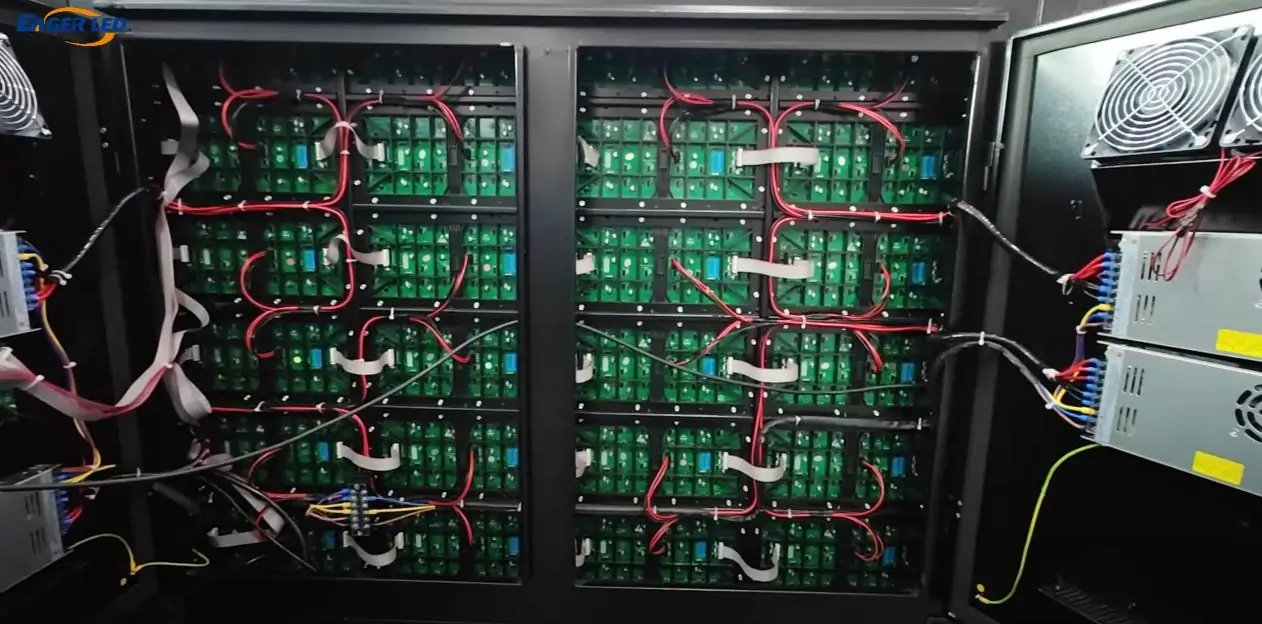
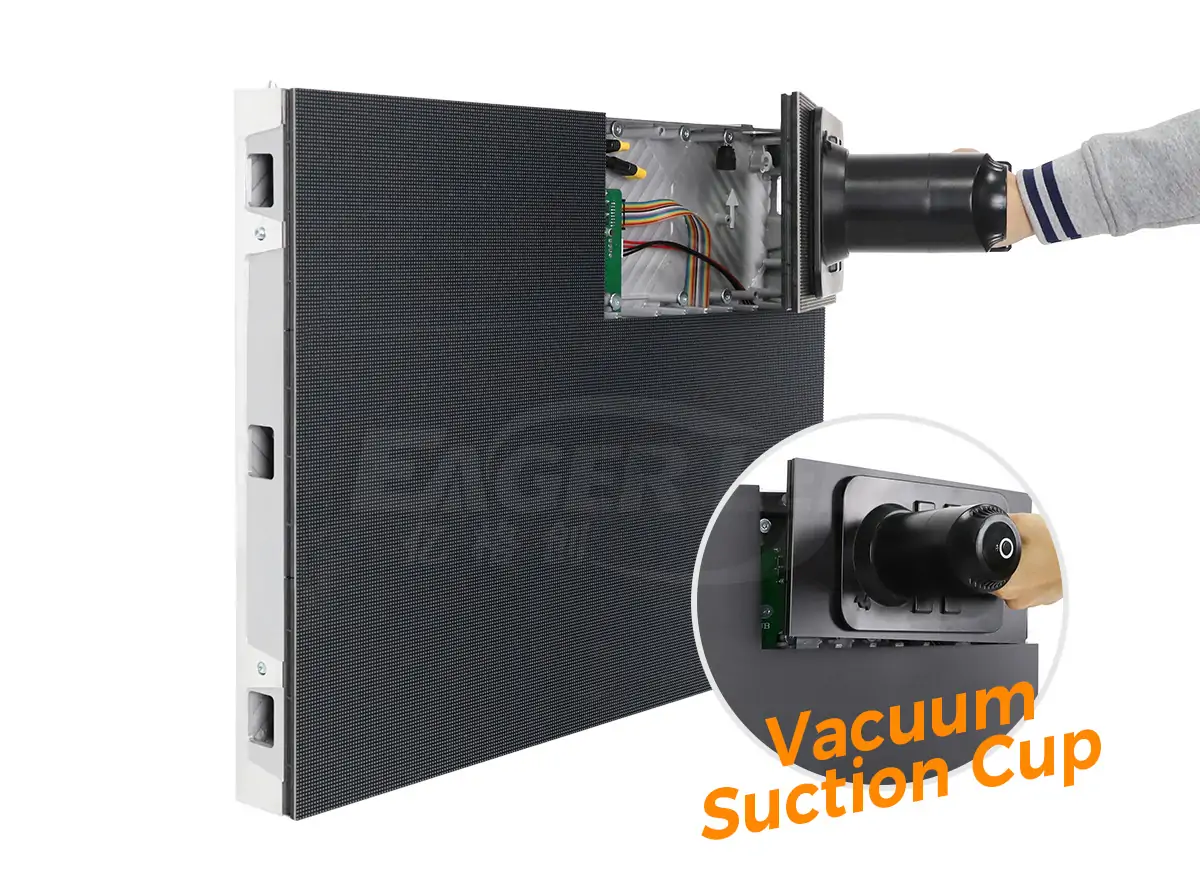
Service access should be decided by what sits behind the wall. A freestanding frame or a structure with a built-in corridor leaves room for rear access, so rear-service cabinets work well there. A wall fixed flat against a shopfront or façade leaves no such space, so modules must come out from the viewing side. EagerLED’s EA-OFixed outdoor fixed LED display is a rear-service design offered in P4. For a deeper comparison, see front service vs rear service LED displays.
03 Testing, spares and remote monitoring
Ask the supplier how each P4 outdoor LED video wall cabinet is calibrated and tested before shipment. EagerLED, for example, runs assembled outdoor screens through a 72-hour test before shipping. Next, agree on spare modules, power supplies and receiving cards in writing, ideally from the same production batch. Lastly, choose a control setup that reports cabinet temperature, voltage and faults remotely, so most problems are diagnosed before anyone climbs a ladder.
10. FAQ
11. Conclusion
A P4 outdoor LED video wall is the right tool when an outdoor screen must look sharp to people standing about 4 to 10 meters away. Its 62,500 pixels per square meter deliver HD content on mid-size walls and keep small text readable. Those benefits come with higher cost, higher power density and tougher brightness engineering than larger outdoor pitches.
A sound project begins on site: record where viewers actually stand, how the sun hits the wall and what lies behind it. From there, choose a whole-cabinet layout that suits the content’s resolution. Finally, judge suppliers on complete specifications and scope, not on a single price figure. Scoping a P4 outdoor LED video wall? Send EagerLED your site photos, dimensions and viewing distances. Our engineers will then suggest a cabinet layout and configuration to match.
 P8 LED Display: Specs, Viewing Distance, Price & Buyer's Guide
Related Posts
Fill In Your Needs In Detail
Fill in the screen usage scene and size you need in “Content”.You will get a quote.