Shortlist Chinese transparent LED display manufacturers for a shopping mall glass façade by requiring a traceable chain from the proposed glass bay to the approved sample, production order and service plan. For US and Canadian retail design teams, a useful shortlist shows which supplier can document that chain and resolve gaps with the mall’s local project team. A factory video and a transparency percentage cannot establish the suitability of the finished façade.
- Give every supplier the same numbered glass-bay drawing.
- Require evidence for the exact product revision, not a similar display.
- Approve a representative bay and retain its settings and component list.
- Name the party responsible for installation, local review and ongoing access.
Contents — a supplier evidence trail
1. Issue one glass-bay brief
Divide the proposed façade into numbered bays. For each bay, identify the glass dimensions, mullions, doors, display boundary, intended viewing direction and proposed equipment position. State whether the display sits inside behind glass or is exposed outside. A street-facing image does not make an indoor product suitable for outdoor exposure.
Record the mall location, glazing information available from the building team, opening hours, content owner and service restrictions. Include photographs looking both into and out of the mall. Ask the landlord or project team to identify the people responsible for reviewing the glass, supports, electrical installation and signage arrangement. This is a procurement workflow, not a statement of code requirements for every US state or Canadian province.
Use the transparent screen versus LED film comparison to settle the construction question first. Then ask shortlisted manufacturers to quote the chosen construction against the same brief. Otherwise a thin adhesive-film quotation and a cabinet-system quotation can conceal substantially different supply scopes.
2. Compare transparent LED supplier evidence
Use the following worksheet during supplier calls. Add columns for the document reference, revision, reviewer and unresolved action. Mark an item accepted only when the designated reviewer has checked it; “available on request” is still an open item.
| Decision gate | Evidence to request | Reason to keep the item open |
|---|---|---|
| Supplier identity | Legal seller, manufacturing role, factory location and named project contact | Quotation, invoice and proposed production site do not match |
| Bay fit | Dimensioned arrangement showing cabinets, borders, power boxes and access | Only the overall glass area is shown |
| Product configuration | Model, revision, pitch in both axes, control equipment and agreed bill of materials | Sample and quotation use different components |
| Local review | Documents for the exact supplied equipment and a list of scope exclusions | Generic certificate or component document is offered as complete project approval |
| Visual acceptance | Recorded bay mock-up conditions, buyer content, viewing positions and agreed observations | Only an edited promotional video is available |
| Service handover | Access demonstration, spare revisions, settings backup, support hours and repair responsibilities | Warranty duration is stated without a workable repair route |
Keep a supplier with an honestly documented gap under review if there is a credible closure plan. Avoid a score that lets attractive pricing cancel an unresolved installation or service dependency. Agree which gates must close before sample approval, production release and shipment.
3. Approve a representative bay
Ask the supplier to reproduce the part of the design that is hardest to judge: a mullion crossing, visible power-box edge, junction between cabinets or the nearest pedestrian viewing position. Use matching glass where feasible and record any differences from the site. A test with different glazing or background lighting should be labelled as preliminary.
Show the mall’s actual tenant names, directional text, brand colours and campaign content. Review the screen from the agreed outside viewpoints and from inside the shop. Record daylight conditions and evening dimming settings rather than accepting two videos with unknown exposure as a controlled comparison.
Request the native pixel canvas and content template for each bay. Check whether mullions or inactive borders interrupt a letter or logo. The goal is an approved content-and-hardware arrangement that the supplier can reproduce, not a universal minimum transparency or brightness figure.
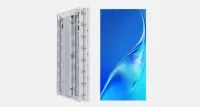
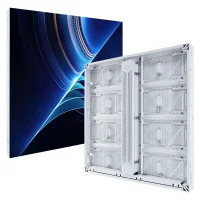
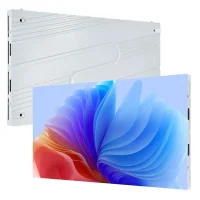
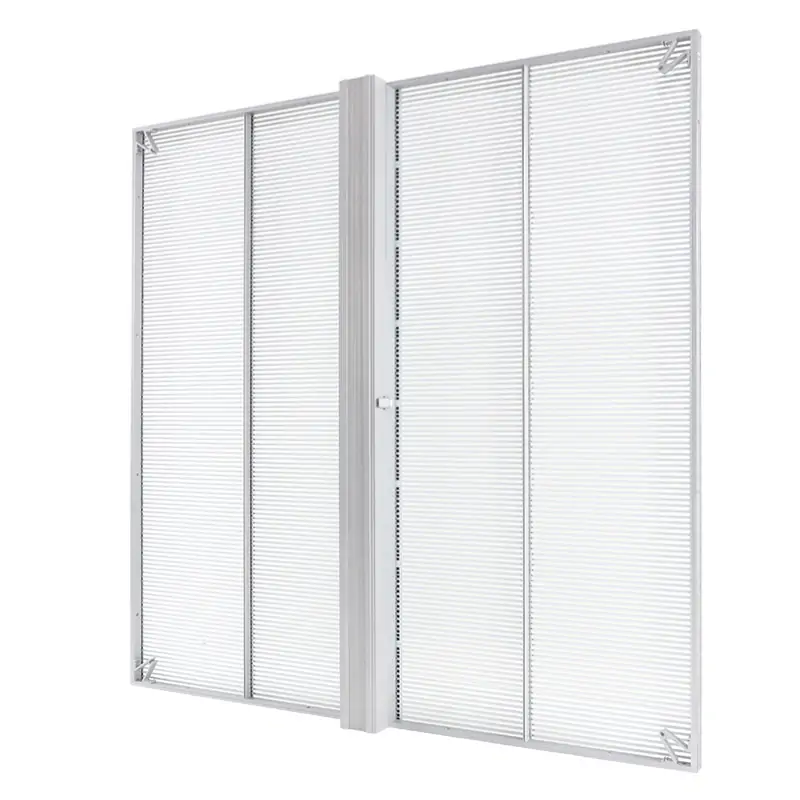
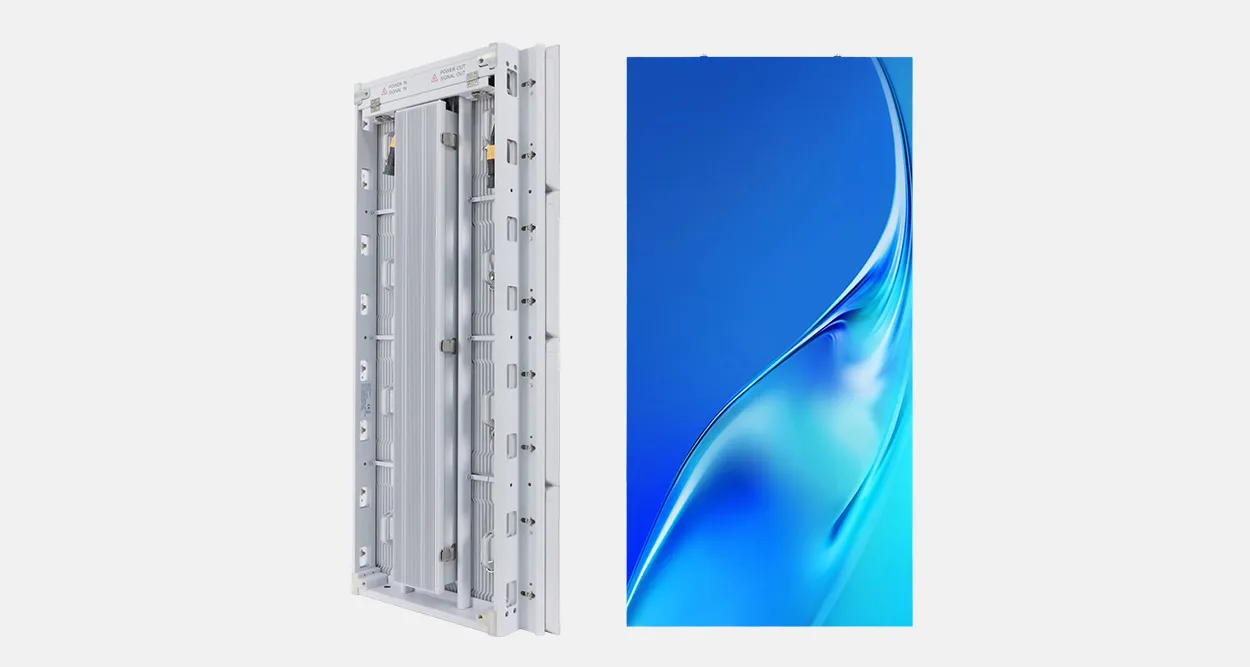
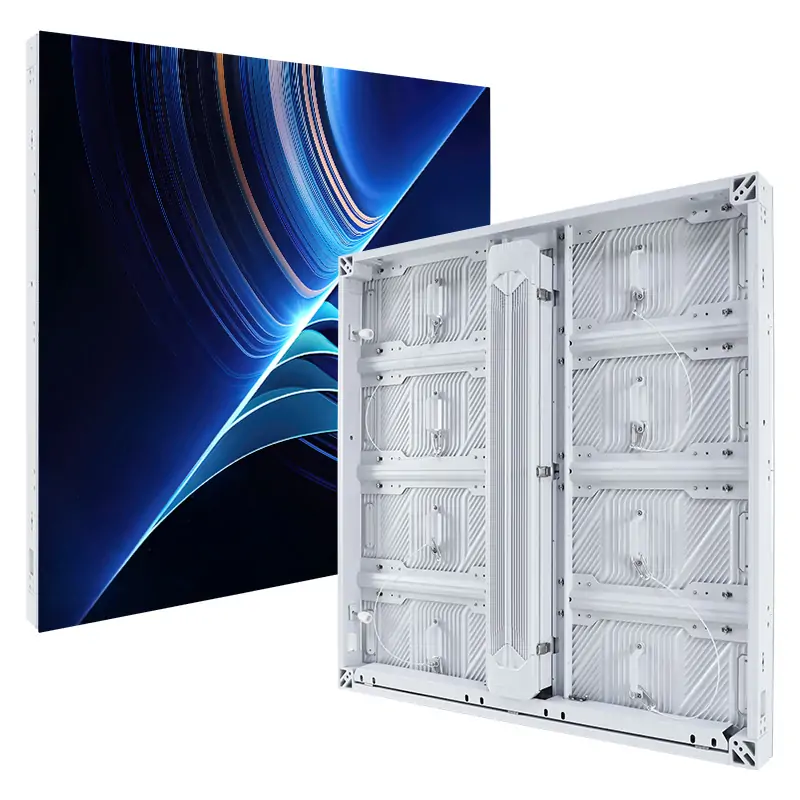
EagerLED’s EA1000TiF2 is an indoor fixed cabinet reference with rear maintenance. The EA-iFilm2 is an indoor adhesive-film reference. Treat them as different constructions and request the current configuration documents. Neither product name establishes compatibility with a particular pane or permission to alter a curtain wall.
4. Connect factory checks to the purchase order
During a live factory tour or independent inspection, ask the supplier to identify the actual work areas used for your product. Follow a labelled sample through assembly, inspection and packing, and ask which steps are performed elsewhere. Record the seller’s role accurately; an assembler or trading company should explain its production partners and responsibility for defects.
Make the approved sample’s component list, software settings and relevant drawings part of the order record. Require written approval of substitutions. At pre-shipment inspection, compare labels and representative components with that record, demonstrate the agreed content and reconcile cabinets, accessories and spares against the packing list.
For claimed mall references, request the installed model, approximate installation date, supplier scope and permission to verify the reference. An authentic project in another country can demonstrate experience, but it does not prove the same configuration or local approval applies to your mall. Do not rely on a photograph whose supplier involvement cannot be established.
5. Close the maintenance and warranty gaps
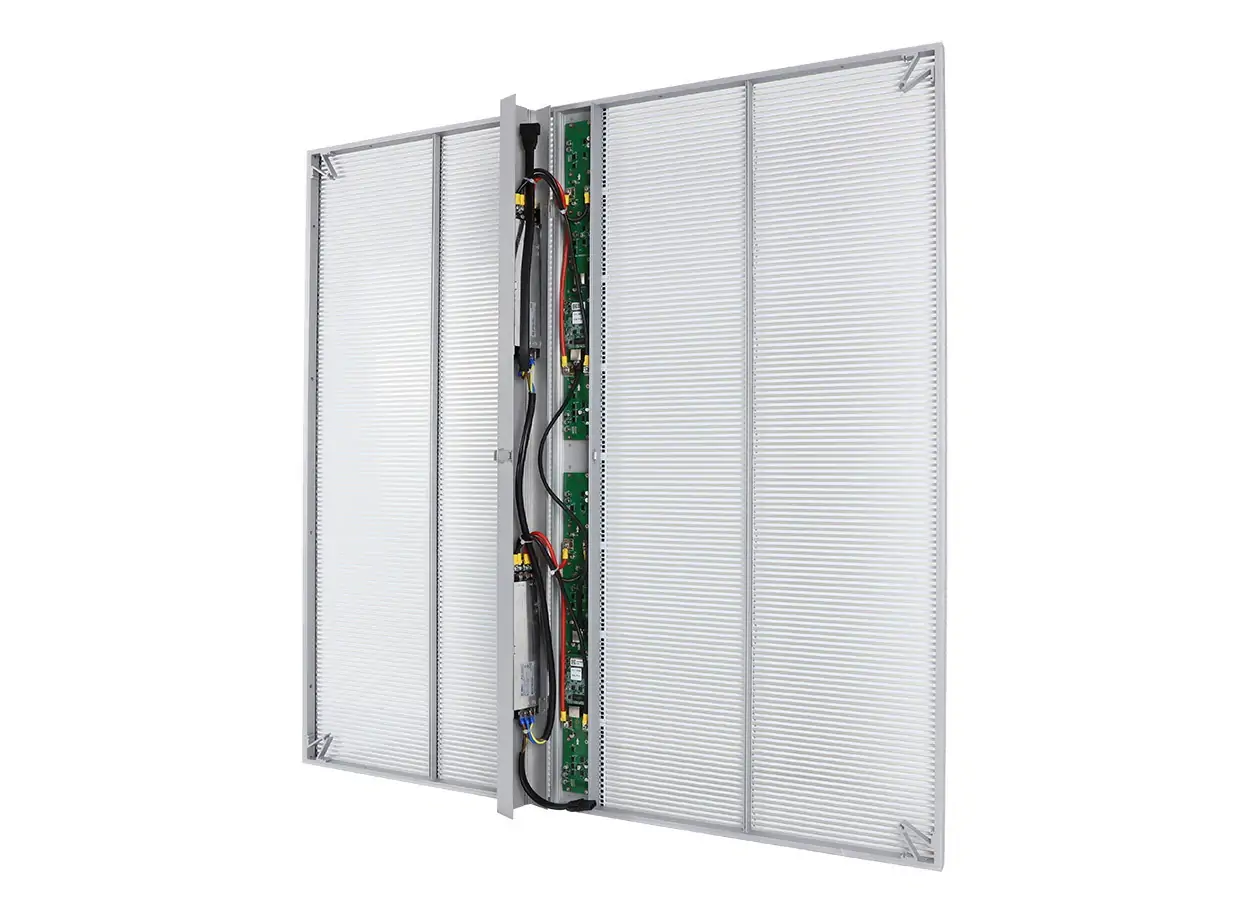
Ask for a service demonstration using the proposed bay arrangement. Identify which component is removed, the access direction, required working space and how the replacement is configured. Compare this with the mall’s actual access hours and equipment routes. A rear-service cabinet fitted close to inaccessible glazing can turn a simple component change into building work.
Separate the equipment warranty from on-site labour, access equipment, freight and glass-related work. Request the warranty start event, covered components, exclusions, diagnostic process, repair location and responsibility for return shipments in writing. Ask who handles local site visits and whether that service is actually included in the quotation.
For US and Canadian projects, convert the supplier’s support availability into the mall’s local time, including the operating schedule that matters to you. Confirm an escalation contact and the spare-parts route. A remote contact is useful, but it is not equivalent to a contracted local maintenance team.
6. Prepare the enquiry package
Send: destination city and country; numbered bay drawings; glass information and site photographs; display dimensions; indoor or outdoor exposure; viewing distances; content samples; proposed mounting arrangement; electrical and data locations; access restrictions; review contacts; opening date; and required support scope.
Ask EagerLED to return a bay arrangement, exact equipment list, sample plan, documentation schedule and itemised exclusions. EagerLED supplies the product references in this article; use the same evidence gates when comparing its proposal with other manufacturers.
This checklist supports purchasing and design coordination. Qualified local project professionals and the building owner must resolve the actual glass, mounting, electrical and applicable approval requirements before installation.
 Top 10 LED Display Suppliers in Malaysia (2026)
 Front-Maintenance Retail LED: Supplier Evidence Checks
Related Posts

Fill In Your Needs In Detail
Fill in the screen usage scene and size you need in “Content”.You will get a quote.