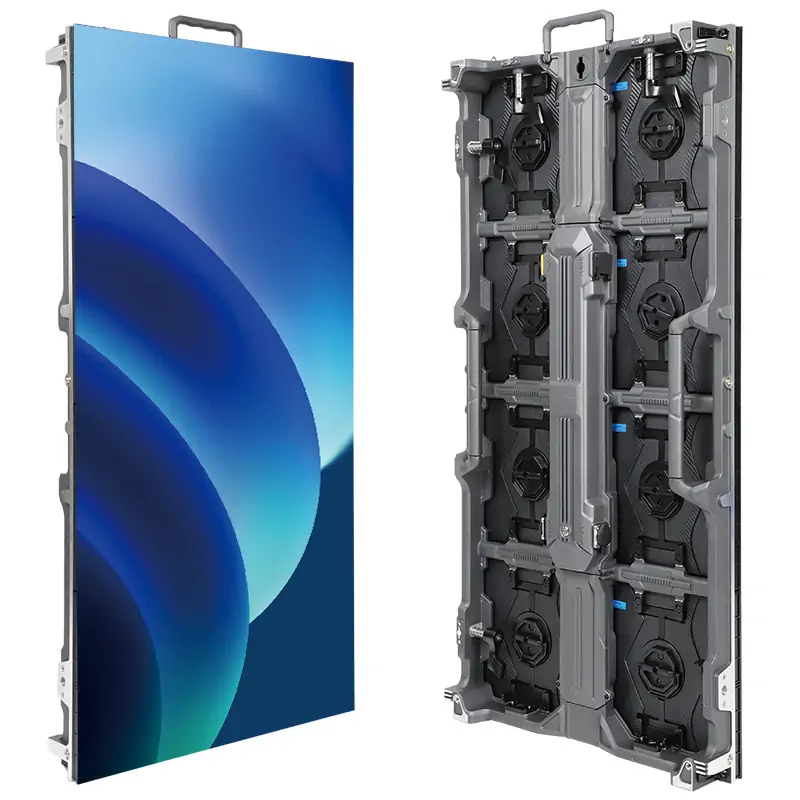
Shortlist a Chinese front-maintenance LED display supplier for retail walls by asking it to prove a complete repair using the exact cabinet, mounting arrangement and spare parts it proposes to ship. A module-removal video is useful evidence, but it does not show that a local technician can restore a finished shop wall. For system integrators delivering projects in Africa, the strongest proposal connects factory configuration control with destination-specific training, replacement stock and a clear repair route.
- Can the proposed product fit and be maintained on this wall?
- Can the supplier reproduce the approved configuration in production?
- Can the integrator obtain the right parts and support at the installation city?
Contents
1. Define the supplier’s delivery boundary
Start with a drawing showing the display, supporting wall, decorative borders, cable entry and working area in front. Identify who surveys the wall, designs and installs the fixings, provides power and data, configures the controller and trains store staff. Do not let an equipment-only quotation silently become an installation commitment.
Specify the destination country and city rather than treating Africa as one approval or service market. Ask the project’s local professionals and importer to identify applicable equipment documentation and site review needs. A certificate for a power supply or a different cabinet does not establish approval of the complete installed system.
For the initial access decision, consult the existing front-service versus rear-service guide. The worksheet below serves a different purpose: it records what a shortlisted manufacturer must demonstrate and what the local service team must receive.
2. Use a witnessed acceptance worksheet
Give each candidate the same task sheet before a live demonstration. Record the cabinet model, hardware revision, technician, tools, drawing reference and any temporary access used. Use a controlled demonstration with trained personnel following the manufacturer’s procedure; this article is not an electrical repair instruction.
| Witness task | Record from the supplier | Release condition |
|---|---|---|
| Reach a centre and an edge position | Exact module-removal path, border clearance and tool used | Proposed shop finish does not block the approved method |
| Access the power and receiving system | Which parts can be replaced from the front and which cannot | Every excluded task has an agreed alternative access plan |
| Fit a labelled spare | Part number, revision, connector compatibility and configuration file | Replacement matches the ordered system and restores the agreed image |
| Restore the display | Whole task sequence, interruptions and final content check | Buyer accepts the complete restoration process, not just extraction speed |
| Hand over to the local team | Training record, tool list, settings backup and escalation contact | Named local technician can locate the correct information and spare |
Keep unresolved observations attached to the quotation. For example, a removable sample border is not equivalent to the fixed joinery in the shop drawing. Ask for a revised arrangement or a witnessed repeat before approving that dependency. Do not average an unresolved access problem into a numerical supplier score.

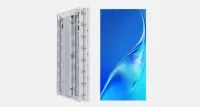
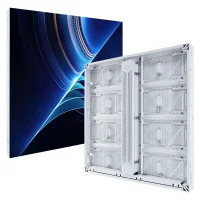
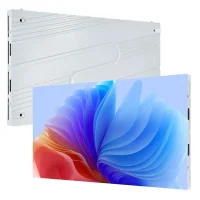
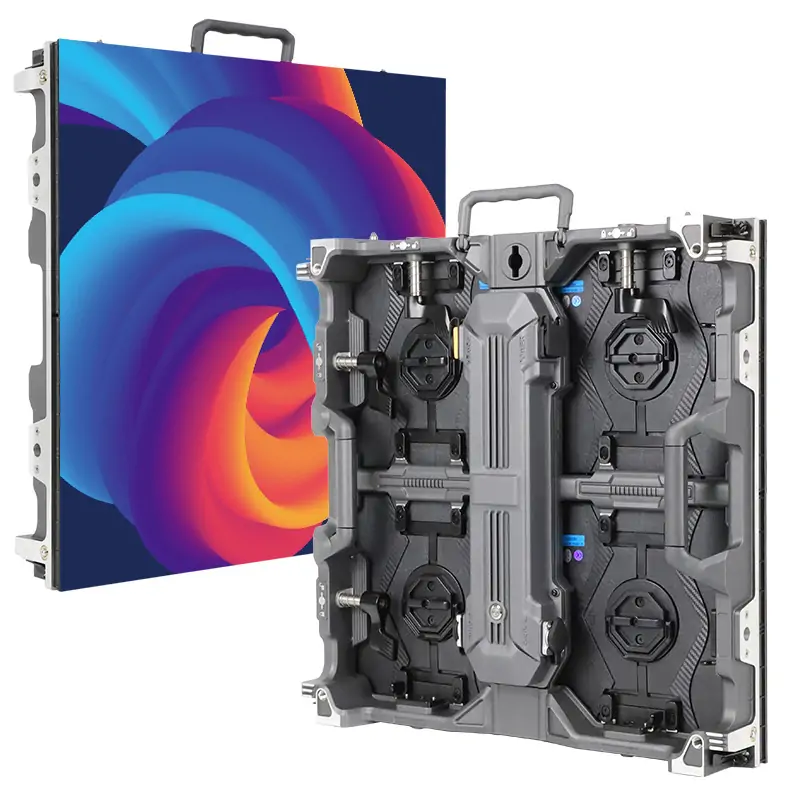
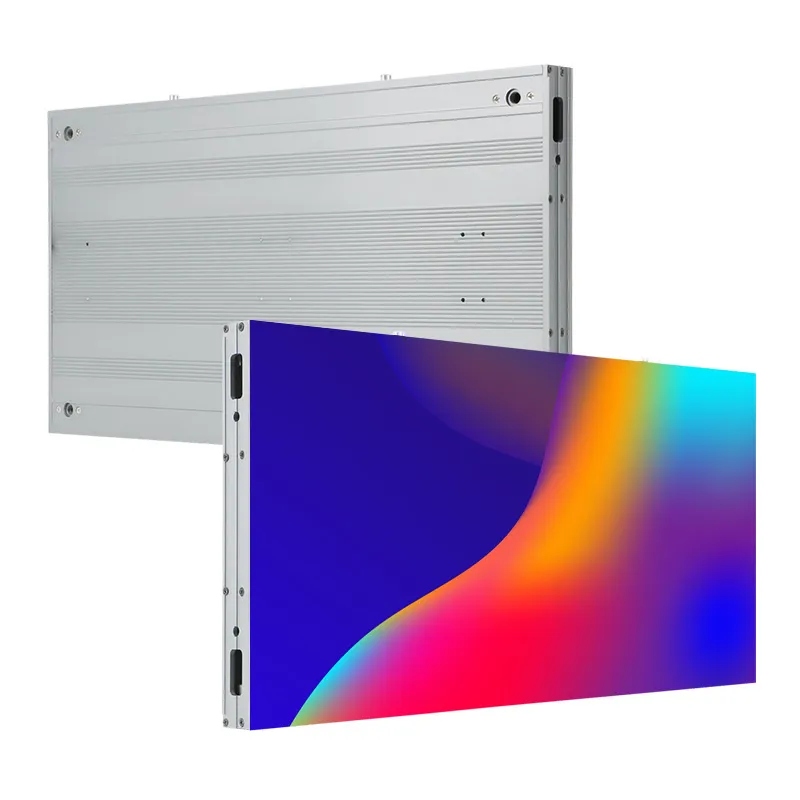
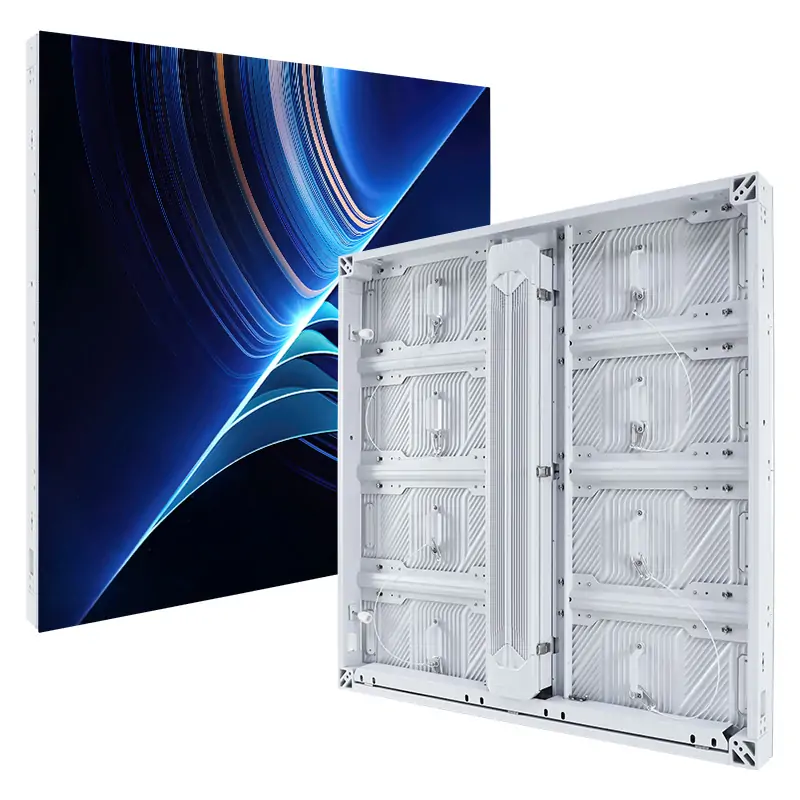
The EA250WH1 indoor front-service product page describes front access to modules, power supplies and control cards. Use that as a starting point for an exact-configuration demonstration. It does not establish the suitability of an unknown wall or prove that installation labour and local repairs are included.
3. Follow the approved build into production
Ask the seller to identify its legal entity, actual assembly location and responsibility for outsourced stages. During a factory tour, request evidence tied to your order: labelled cabinets, the approved component list, inspection records and packing preparation. A broad workshop video cannot resolve whether the proposed product is made or assembled there.
Attach the approved module, receiving card, power supply and controller revisions to the order. Define how substitutions are proposed and accepted. Before shipment, reconcile representative production labels and the packing list with that record. Record any difference from the sample and close it before release.
When checking a reference installation, establish the supplier’s actual role, supplied configuration and permission to contact the reference. A delivery photograph demonstrates neither commissioning responsibility nor the ability to support a distant shop. Request evidence relevant to the support arrangement you are buying.
4. Make the local spare kit usable
Agree the initial stock by component and revision. Have the integrator and owner decide where it will be stored, who controls access and how replacements will be replenished. Base quantities on the service agreement, number of sites and realistic replenishment route; there is no universal spare percentage for every retail project.
Request an inventory that links each spare to the installed cabinet and its configuration. Include required extraction tools and settings backups. Confirm the storage conditions and any handling precautions with the manufacturer. A box marked “LED spare” is not an effective maintenance package if its contents cannot be identified.
For the destination city, ask who pays and arranges diagnostic calls, cross-border shipments and local visits. Establish how a failed item is identified before shipment and whether a compatible replacement can be supplied while it is being assessed. Describe the agreed route in the owner’s handover record.
5. Compare service and commercial scope
Separate equipment warranty terms from installation workmanship, access equipment, labour, freight and travel. Ask for the start event, exclusions, evidence needed for a claim, repair location and escalation route in writing. Convert support hours into the site’s local time and confirm the language required by the technicians.
Compare quotations using the same delivery term, destination and installation boundary. Mark taxes, import handling, site preparation, tools and training as included, excluded or awaiting confirmation. Ask the local importer to verify destination-specific charges rather than assuming a supplier’s freight line is the landed project cost.
6. Send a comparable enquiry
Provide: country and city; screen width and height; viewing distance; indoor conditions; wall construction and photographs; border details; power and data locations; opening hours; access restrictions; controller requirements; number of sites; commissioning date; and the local maintenance team’s capabilities.
Ask EagerLED to return the proposed cabinet arrangement, component revision list, witnessed demonstration plan, spare inventory and service exclusions. EagerLED supplies the product reference used here; apply the same acceptance requirements when comparing other manufacturers.
 Transparent LED Mall Façades: Supplier Evidence Checks
 Boardroom Fine-Pitch LED: Supplier Demonstration Checks
Related Posts


Fill In Your Needs In Detail
Fill in the screen usage scene and size you need in “Content”.You will get a quote.