If you spend any time around LED displays, you already know the control side can get messy fast. That is usually where a device like the Novastar ET1S-G comes in. It is built to simplify the way LED content is managed, sent, and displayed, especially when the job needs to feel stable rather than clever for the sake of it.
The ET1S-G sits in that practical middle ground. It is not trying to be flashy. It is meant to handle the real work of control and signal management for LED setups, and that matters more than people sometimes admit. In most cases, what users want is not a long feature list they will never touch. They want a system that is dependable, straightforward to use, and flexible enough for different display environments. That is the space this product is aimed at.
1. What the Novastar ET1S-G Is Designed to Do
At a basic level, the ET1S-G works as a smart LED control solution that helps manage display content and signal delivery. It is part of the broader NovaStar ecosystem, which many LED integrators already know for practical display-control tools. The point here is not just to move data from one place to another. It is to keep the process organized, responsive, and easy enough to live with during actual deployment.
That sounds simple, but anyone who has dealt with LED control equipment knows it can become a headache when the hardware and software do not line up properly. The ET1S-G is meant to reduce that friction. It gives operators a way to handle LED screen content with more confidence, and in larger installations that can save a lot of wasted time.
2. Key Features That Stand Out
The main appeal of the ET1S-G is its balance between control and usability. It is built with LED display work in mind, so the features are not random extras. They support the actual day-to-day tasks people run into.
One of the things that stands out is how the device is positioned for smart content handling. That usually means cleaner management of display signals, better coordination between input and output workflows, and fewer surprises once the system is live. It is the kind of equipment that should make an operator feel like the setup is under control, not the other way around.
It also fits into professional environments where stability matters. Concerts, retail screens, exhibitions, command areas, and similar spaces tend to demand a system that can keep up without becoming fussy. The ET1S-G is built with that reality in mind. It supports the sort of workflow that gets repeated over and over, which is where reliability matters most.
Another important point is integration. NovaStar products are often chosen because they work comfortably inside existing LED display chains. That does not sound exciting, but in the field, compatibility is a big deal. If the device talks to the rest of the system cleanly, installation becomes easier and the chances of troubleshooting later go down.
3. Where It Fits Best
The ET1S-G is not only for one type of display project. It is more useful than that. It works best in setups where LED control needs to feel organized, especially when the display is being used for public-facing content or time-sensitive visuals.
In practice, that includes commercial displays, stage and event environments, digital signage projects, and other professional LED applications. These are situations where the screen is not just decorative. It has to perform, and it usually has to perform under pressure. A control solution like the ET1S-G is aimed right at those conditions.
For integrators, this can also mean less time spent patching together awkward workflows. For end users, the benefit is even simpler: the system should behave predictably. That may not sound dramatic, but predictable systems are often the ones people keep.
4. A Practical Way to Think About Setup
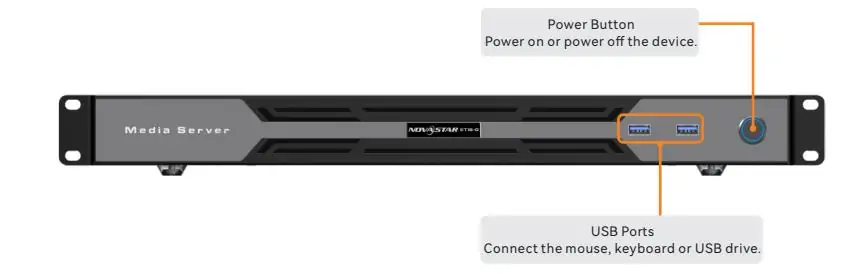
Getting started with a device like the ET1S-G is usually more about good planning than anything else. The hardware itself is only part of the story. Before installation, the display layout, signal path, and content source should already be mapped out. That saves time later.
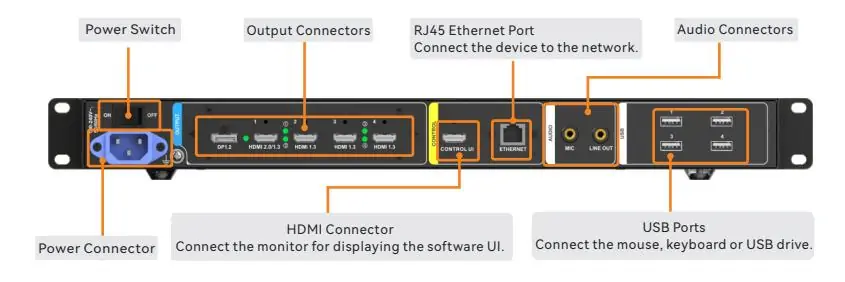
Once the unit is placed into the system, the usual process is to connect the relevant inputs and outputs, check that the display is responding correctly, and then verify the content management workflow. In real projects, people often rush this part, and then small issues turn into bigger ones. It is better to take a slower pass early on. That is especially true when the LED wall is large or part of a live environment.
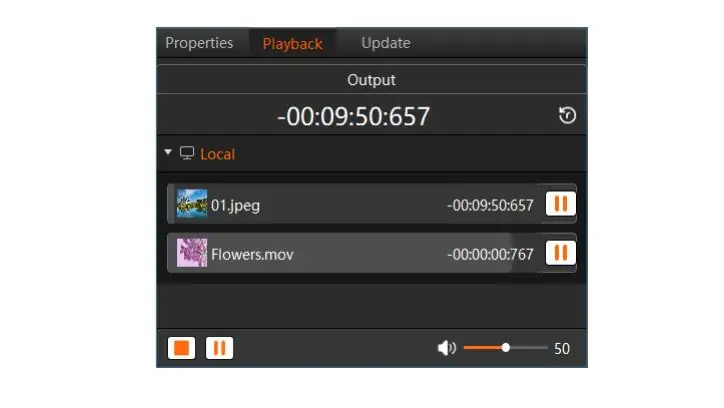
After that, the configuration should be tested under normal operating conditions. Not just a quick proof that the screen turns on. A proper check. Different resolutions, switching behavior, signal stability, and content playback should all be reviewed before the system is handed over.
5. Why People Choose This Kind of Solution
There are plenty of LED control options out there, so the reason to choose one usually comes down to a few simple things. The first is reliability. If a control system works consistently, operators stop worrying about it, which is honestly the best compliment this kind of device can get.
The second is efficiency. When a solution like the ET1S-G is easy to integrate, it reduces the amount of time spent on setup and adjustment. That can matter a lot on projects with tight deadlines or when multiple screens need to be managed together.
The third is flexibility. Display environments are not all the same, and a device that can adapt to different use cases tends to be more valuable over time. A retail wall has different demands from an event screen. A corporate display has different expectations from a public installation. The ET1S-G is meant to handle that sort of variation without making the workflow feel complicated.
There is also the practical matter of user experience. Some control systems feel technically impressive but awkward to run. Others are less showy and simply easier to live with. In most cases, people end up preferring the second option. The ET1S-G seems to lean in that direction.
6. Technical Details Matter More Than People Think
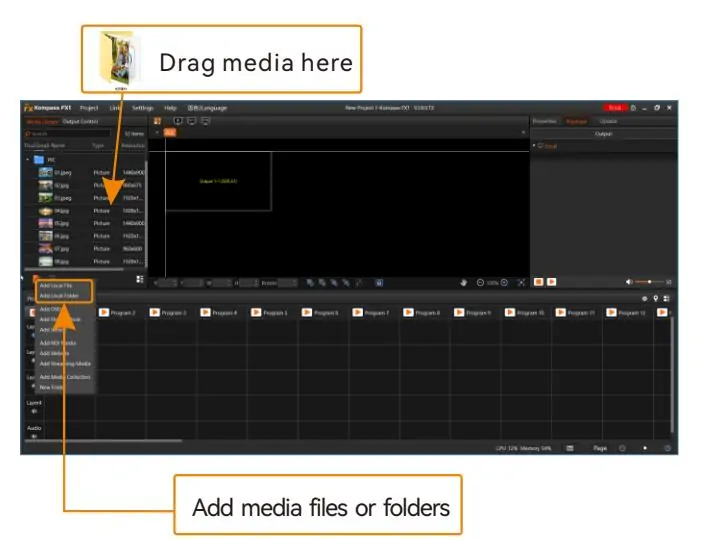
With LED control equipment, the technical side is never just a formality. Even a product that sounds simple can create problems if the specs do not fit the project. That is why people usually look beyond the headline features and check the actual configuration carefully.
The ET1S-G should be evaluated in terms of its signal handling, compatibility within the NovaStar ecosystem, and how it fits the intended display setup. That is the part that determines whether the unit is a good match or just a decent-sounding option on paper.
For integrators, this often means checking the full chain: source, controller, display, and the way content will be managed during daily use. Once those pieces line up, the system usually becomes much easier to live with. If one part is mismatched, though, the whole setup can feel fragile. That is true of almost every LED project, not just this one.
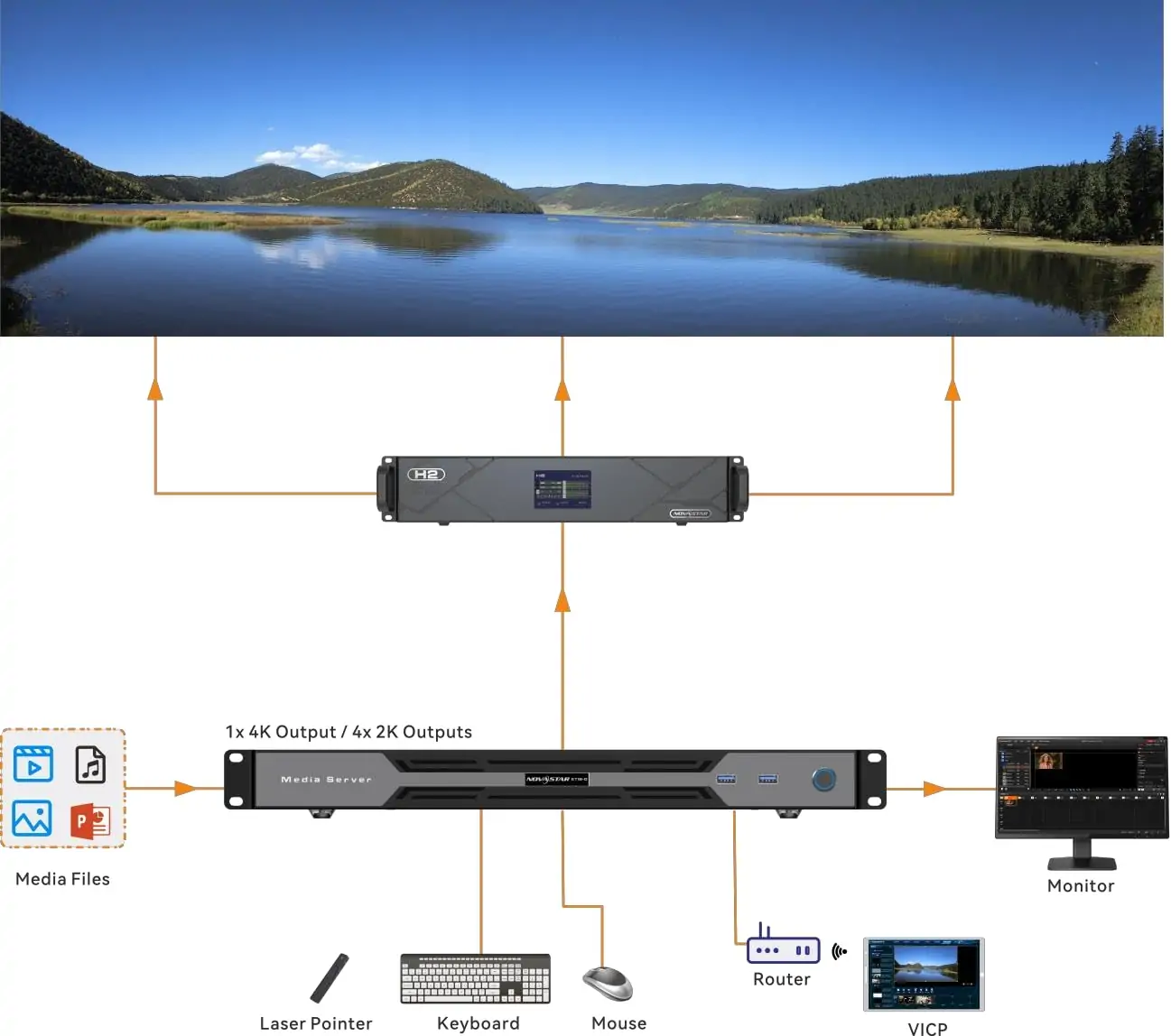
7. How the ET1S-G Fits Into Real Workflows
One reason control devices like this continue to matter is that they fit into workflows people already understand. The ET1S-G is not trying to change everything. It is more about making the usual process less painful.
In a live event, that might mean keeping content delivery steady while the show is running. In a retail environment, it could mean maintaining a consistent visual presentation throughout the day. In a corporate or control-room setting, the focus is often on reliability and clean operation. The product makes sense wherever the screen has to stay dependable for hours at a time.
That practical angle is easy to overlook when reading spec sheets. On paper, many products can sound similar. In use, the differences show up in the small things: how quickly the system is brought online, how much manual correction is needed, and whether the setup feels manageable after the first week instead of only on day one.
8. A Few Things to Keep in Mind Before Buying
Before choosing the ET1S-G, it helps to be clear about what the project actually needs. Not every LED installation needs the same level of control, and not every team wants the same workflow. Some projects need a compact, straightforward solution. Others need more room for expansion and integration.
It is also worth thinking about the people who will be using the system. If the setup will be managed by technical staff, that opens up one kind of workflow. If non-technical users will be involved, simplicity becomes much more important. That can affect how the entire LED control system is designed around the ET1S-G.
And of course, it makes sense to check compatibility with the rest of the LED hardware before committing. That part is not glamorous, but it avoids the kind of last-minute adjustment that turns a clean installation into a long afternoon.
8. Final Thoughts
The Novastar ET1S-G is best understood as a practical LED control solution built for real display work. It is not trying to overcomplicate the job. Instead, it focuses on keeping LED content handling organized, stable, and usable in professional environments.
That is probably why products like this remain relevant. When a display system is running well, nobody talks about the controller. They just notice that the screen works the way it should. And in this field, that is usually what matters most.
And of course, it makes sense to check compatibility with the rest of the LED hardware before committing. That part is not glamorous, but it avoids the kind of last-minute adjustment that turns a clean installation into a long afternoon.
 4K UHD vs QLED: Key Differences & Which is Better?(2026)
 SMD VS COB LED Display: Key Differences and Comparison Guide
Related Posts
Fill In Your Needs In Detail
Fill in the screen usage scene and size you need in “Content”.You will get a quote.