An LED screen rental San Antonio request should define the venue and room, screen dimensions, readable content, loading access, signal handoff, rehearsal schedule, and service responsibilities. For a two-day convention, request an itemized price covering the entire deployment, from delivery through removal, rather than comparing only two days of panel hire.
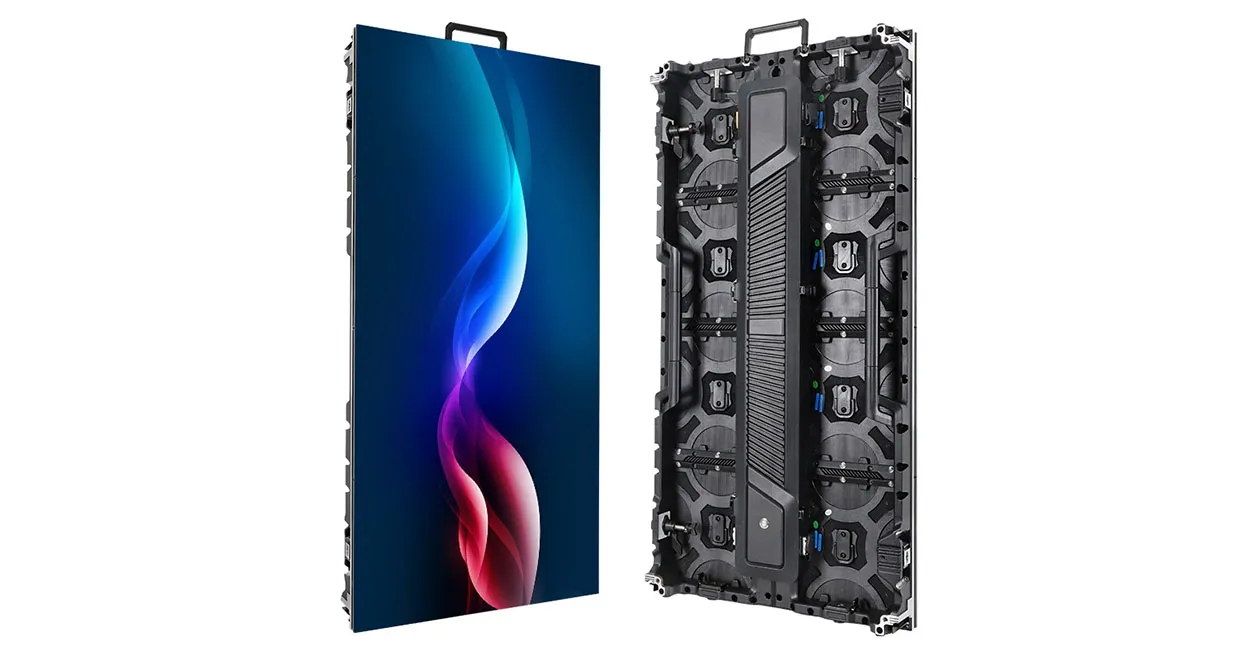
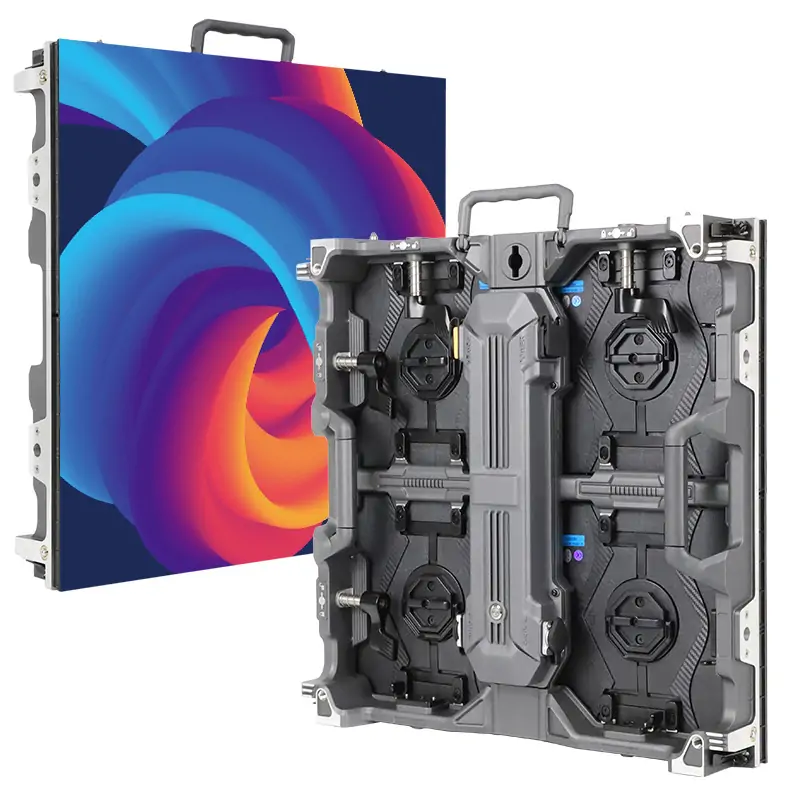
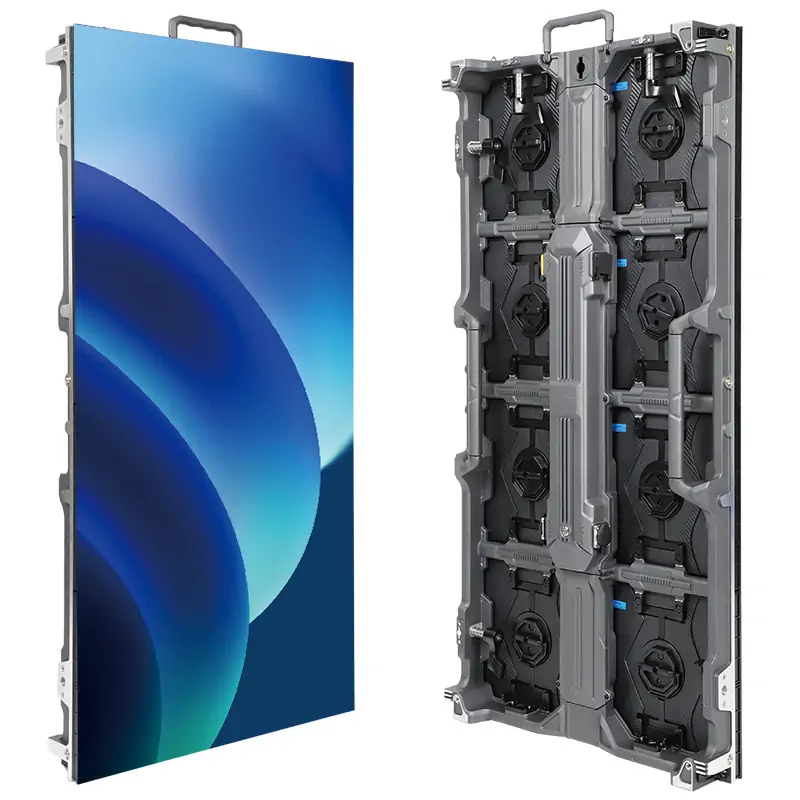
This guide is for event production companies preparing supplier inquiries. It provides a practical way to compare proposals, identify missing services, and approve a screen that works with the stage program. EagerLED product images illustrate cabinet features; they do not document a San Antonio installation or establish local rental inventory.
Local access and service arrangements depend on the booked venue and event contract. Confirm them with the organizer and venue before accepting a quote. No local rental rates, available dates, or on-site service commitments are assumed here.
1. Build Your LED Screen Rental San Antonio Brief
Send every bidder the same event brief and ask each to identify deviations. A two-day convention can involve a separate installation day, evening rehearsal, overnight equipment custody, and late removal. Those periods affect staffing and equipment availability even when attendees see the screen for only two days.
Start with the program: a keynote stage, an exhibition booth, and an overflow room have different priorities. Identify whether the wall primarily shows speaker slides, live camera images, sponsor graphics, or a combination. Include a representative slide with the smallest text, not just a full-screen logo that hides readability problems.
Record the event name, venue address, contracted room or hall, room access dates, audience opening time, and removal deadline. Add the production manager who can authorize changes. Use local venue time on the schedule and include the calendar date with every deadline so remote content teams do not confuse delivery times.
A useful LED screen rental San Antonio brief also distinguishes confirmed information from assumptions. If the organizer has not approved a hanging position, ask bidders to price the proposed arrangement conditionally and identify an alternative. Do not let an attractive stage rendering become an unqualified instruction to supply an unsupported structure.

2. Resolve Venue Access Before Pricing
Obtain the approved delivery route, unloading appointment, crew entry procedure, and work window before treating an installation price as complete. A truck reaching the venue does not mean that cases can immediately reach the stage. Waiting, material handling, storage, and room access may be controlled by different parties.
01. Use the booked event’s instructions
For events at the Henry B. González Convention Center, its published Loading Dock Procedures, revised January 31, 2024, describe security check-in at the east and west loading docks. Its official FAQs also state that the facility has no shipping and receiving department and that early freight deliveries are refused. Reconfirm the current procedures and event-specific delivery instructions with the organizer; these statements do not establish a loading slot for your booking.
The center’s Event Services information distinguishes audiovisual services from rigging responsibilities. That makes a separate rigging scope check essential when considering a suspended wall. Ask who obtains approvals, provides the relevant equipment, and coordinates with the designated service provider. Do not apply those arrangements automatically to another San Antonio hotel or meeting venue.
For your LED screen rental San Antonio inquiry, attach the organizer’s latest exhibitor or production manual and identify its revision date. Ask the rental supplier to flag conflicts with its proposed arrival time, crew plan, or equipment. A supplier should price the actual access conditions, not an unrestricted warehouse installation.
02. Check the route and assembly sequence
Request packed case dimensions and shipment weight, then compare them with the approved doors, freight route, and staging area. Confirm whether cases can remain near the wall during assembly and where empty packaging goes afterward. Storage arrangements matter because the same cases must return in time for removal.
Coordinate the wall build with staging, lighting, audio, and scenic installation. Identify when the structure must be inspected, when power becomes available, and when the video crew can start testing. Require qualified personnel to confirm structural and electrical suitability; a cabinet specification alone is not a complete installation design.

3. Specify a Readable Screen and Buildable Layout
Define image width and height, cabinet arrangement, nearest audience position, and content requirements together. A screen described only as “large” or “4K compatible” leaves important questions unanswered. Input compatibility does not tell you how many physical pixels are available for presentation text.
Request the proposed cabinet model, pitch, cabinet pixel dimensions, total native resolution, and indoor or outdoor variant. Review the room drawing for viewing angles, scenic obstructions, and presenter positions. Ask for a content test at representative viewing distances before approving a coarser pitch simply because it reduces the equipment price.
For example, a hypothetical layout of eight cabinets across and five high, using 500 × 500 mm (19.7 × 19.7 in) cabinets, measures 4 × 2.5 m (13.1 × 8.2 ft). It uses 40 cabinets and has an 8:5 image ratio, not 16:9. A standard widescreen slide therefore needs an agreed placement, crop, or background treatment. This is a layout calculation, not a recommended screen size for every convention.
The EA500C6 product information documents a 500 × 500 mm cabinet family with separate indoor and outdoor specifications. It also describes mixed installation with EA1000C6 cabinets. Ask the supplier to confirm the exact compatible configuration; shared family names do not replace a cabinet map and matching setup files.
Keep the approved drawing with the LED screen rental San Antonio quote. Show the active image area separately from the structure, base, trim, and service space. If the supplier changes cabinet sizes, request a revised drawing and pixel map before the content team exports its final files.
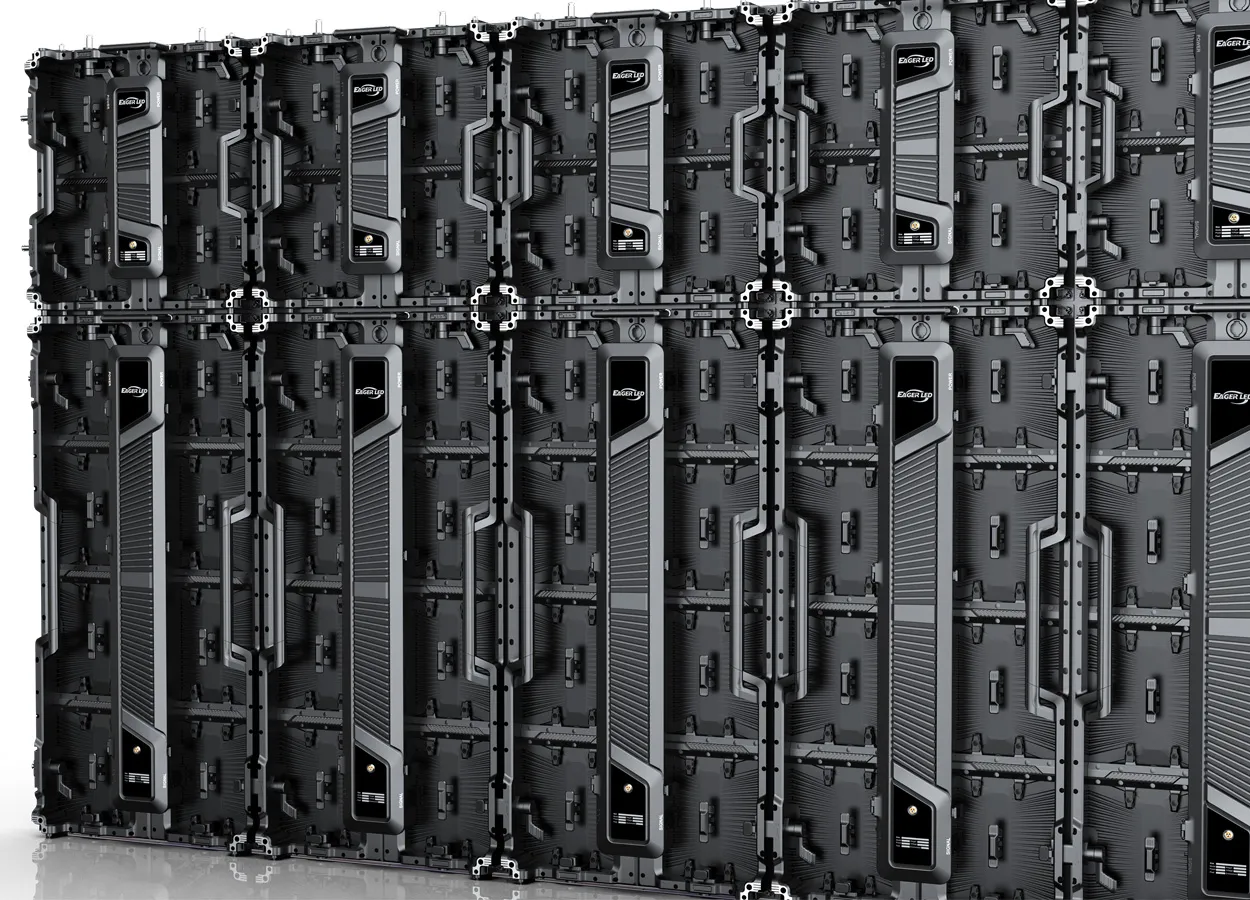
For an LED screen rental San Antonio comparison, attach a revision number to the layout and quote. A room change after approval may alter cable lengths, crew access, and audience sightlines. Keep the original assumptions visible and request a written change summary showing the revised equipment, labor, and schedule. This gives the organizer a clear decision before extra work begins. After approval, distribute the same final drawing to the screen supplier, stage team, venue coordinator, and content operator so each works from a common plan.
4. Assign the Stage Signal Handoff
Specify where the screen supplier’s responsibility begins and ends in the video chain. The person supplying LED cabinets may not also supply presentation computers, cameras, switching, playback, or streaming. Every connection needs an agreed owner and a tested format.
Include a simple signal drawing with the source devices, switcher, processor, wall, and any recording or streaming outputs. Name the connection type and required format at each handoff. Confirm actual equipment compatibility rather than treating a connector name as proof that resolution, frame rate, protection settings, and cable distance will all work.
| Handoff | Record before booking | Witness during rehearsal |
|---|---|---|
| Presentation laptop to switcher | Computer owner, adapter, output format, and backup source | Actual deck, embedded video, and presenter changes |
| Camera system to screen feed | Camera crew, switching responsibility, format, and delay expectations | Live presenter framing and visible timing |
| Switcher to LED processor | Connection, cable route, scaling owner, and spare path | Input switching, picture placement, and loss-of-source response |
| Processor to cabinet network | Pixel map, port assignment, configuration backup, and technician | Correct cabinet order and full-screen test patterns |
| Video playback to sound system | Audio output owner and handoff to the audio team | Sound level, synchronization, and absence of duplicate audio |
The technical appendix to an LED screen rental San Antonio proposal should specify who prepares the final content canvas. Request export dimensions, accepted file formats, frame rate, naming conventions, and a delivery deadline. Keep a versioned master folder so the operator can distinguish an approved sponsor reel from an obsolete rehearsal copy.
For a hybrid convention, inspect both the in-room screen and the camera output. Check fine patterns, text edges, skin tones, brightness, and camera exposure with the intended equipment. A published LED refresh specification is useful product information, but it cannot guarantee the result for every camera and shutter setting.

5. Compare the Complete Rental Scope
Compare proposals against one common equipment and service schedule. Separate panel hire from supporting equipment, labor, venue services, and conditional charges. An omitted item is an unresolved cost, not a free service.
For LED screen rental San Antonio comparisons, ask bidders to state the rental start and end, included crew hours, rehearsal attendance, show coverage, and removal window. Confirm whether transport is a round trip and whether loading delays change the price. Request currency, quote validity, and how applicable taxes and venue charges are presented.
| Cost group | Included scope to confirm | Common gap to resolve |
|---|---|---|
| Display package | Cabinet quantity, model, processor, cabling, and agreed spares | A panel-only quote compared with a working wall package |
| Structure and access | Support design, hardware, approved rigging scope, and access equipment | Venue-managed services billed separately |
| Delivery and handling | Outbound and return transport, unloading, internal movement, and cases | Waiting time, storage, or material handling excluded |
| Installation and removal | Crew size, work windows, commissioning, and final clearance | Removal scheduled after the included labor period |
| Rehearsal and show operation | Technician attendance, playback duties, breaks, and standby coverage | Equipment hire without an operator or rehearsal support |
| Changes and contingencies | Approval process and pricing method for extra hours or revised content | Open-ended overtime or a changed wall layout without repricing |
Build a comparable total from the base offer plus confirmed prices for required exclusions and selected options. Keep unresolved amounts separate. Do not invent a contingency allowance and present it as a supplier commitment. If one bidder cannot price an essential item, request clarification before declaring its offer cheaper.
A hypothetical comparison illustrates the issue without assigning local rates: proposal A includes installation, two show days, and removal but excludes rehearsal. Proposal B includes rehearsal and show operation but leaves venue rigging outside its scope. Add an agreed rehearsal price to A and an agreed rigging scope to B before comparing totals. Also check that both deliver the same dimensions and pixel performance.
The best-priced LED screen rental San Antonio package is the one that meets the agreed scope at a known total, with acceptable service coverage. A smaller headline number may simply move a necessary task to your production team. Record who will perform it and whether that team actually has the equipment and time.
6. Make Rehearsal an Acceptance Checkpoint
Schedule a technical check before the presenter rehearsal, and define what must pass at each stage. Screen assembly, a test image, and a finished show are different milestones. Keeping them separate makes it easier to identify whether a delay belongs to hardware, sources, content, or production coordination.
01. Agree the tests before arrival
Ask the LED technician to verify cabinet mapping, visible defects, image continuity, and agreed brightness using suitable test content. Then test the real presentation and video sources through the complete signal chain. Observe from the nearest audience seats and relevant side positions, not only from the control desk.
Include a controlled rehearsal of the agreed backup procedure. Identify who calls the change, which source appears, and how the operator returns to the main program. Do not assume that spare cabinets alone provide source redundancy or that a second laptop contains the latest deck.
The LED screen rental San Antonio schedule should reserve time to correct defects before presenters arrive. Use a written issue list with an owner and retest deadline. Photograph the accepted screen layout and retain the final content version so later changes can be distinguished from an unresolved setup problem.

02. Define late-change boundaries
Agree a content freeze and a separate process for essential corrections. Replacing a speaker name is different from rebuilding the wall, adding a live source, or changing the content aspect ratio. Ask the supplier which changes are included, which require extra time, and who must approve additional charges.
Keep the approval route short: one production contact records the requested change, the cost or time impact, the person approving it, and the test result. Avoid parallel instructions from sponsors, presenters, and stage staff. A clear authority list helps the operator protect the live program while still accommodating necessary revisions.
7. Close the Overnight and Removal Gaps
A two-day show needs an overnight operating plan. Confirm equipment custody, room security, permitted power state, and the time technicians regain access. Agree whether the supplier performs a morning check and whether the organizer may alter content between show days.
Put these details in the LED screen rental San Antonio handover sheet alongside technician contact numbers and escalation responsibilities. Record the accepted configuration and location of the current playback files. Restrict configuration changes to the agreed technical team so a late content edit does not accidentally become a wall-mapping change.
After the final session, confirm when removal may start, who releases the stage, and when transport must depart. Coordinate the return of empty cases with other crews. Include a joint equipment condition check and identify how missing items or damage are documented. Do not leave the final hours outside the scope simply because the audience has gone.
Frequently Asked Questions
Should a supplier substitution automatically be accepted?
No. Ask for the replacement model, cabinet map, native resolution, support compatibility, and service implications. Evaluate it against the approved requirements and retest affected content. A similar physical size does not prove equivalent image quality or compatibility with the original plan.
How should captions be included in the screen brief?
Identify who creates the captions, where they enter the signal chain, and the reserved on-screen area. Test representative captions against the actual presentation and camera layouts. Ask the organizer to confirm its accessibility requirements rather than assuming captions are included in panel hire.
Can the LED wall also serve as the presenter’s confidence monitor?
A wall behind the presenter does not provide the same function as a separate confidence display. Specify speaker notes, timers, preview slides, and their operator separately if needed. Confirm that these feeds can differ from the audience image without accidental disclosure.
What if a sponsor requests live internet content?
Identify the network service owner and test access before show time. Prepare an approved local fallback for loss of connectivity, and confirm who updates the content. Venue Wi-Fi availability alone does not establish a reliable production connection or permission to use a particular online service.
Does this guide confirm EagerLED rental stock in San Antonio?
No. This LED screen rental San Antonio checklist helps production teams specify and compare a local service proposal. EagerLED’s published rental-display products can inform hardware discussions, but local stock, staffing, delivery, and event availability require separate written confirmation from the provider.
Prepare Your Supplier Inquiry
Send a single revision-controlled package containing the venue manual, room drawing, screen requirements, content sample, signal diagram, schedule, and completed scope worksheet. Ask bidders to return a clear list of inclusions, exclusions, assumptions, and proposed substitutions.
For hardware specifications, review EagerLED’s rental LED display range. If your production company is evaluating equipment for repeated projects, send EagerLED your display requirements with the proposed dimensions, viewing distances, deployment frequency, and technical questions. Keep the local event-service agreement separate and confirm the provider responsible for every on-site task.
 LED Display Module: Types, Sizes, Specs and How to Choose
Related Posts



Fill In Your Needs In Detail
Fill in the screen usage scene and size you need in “Content”.You will get a quote.