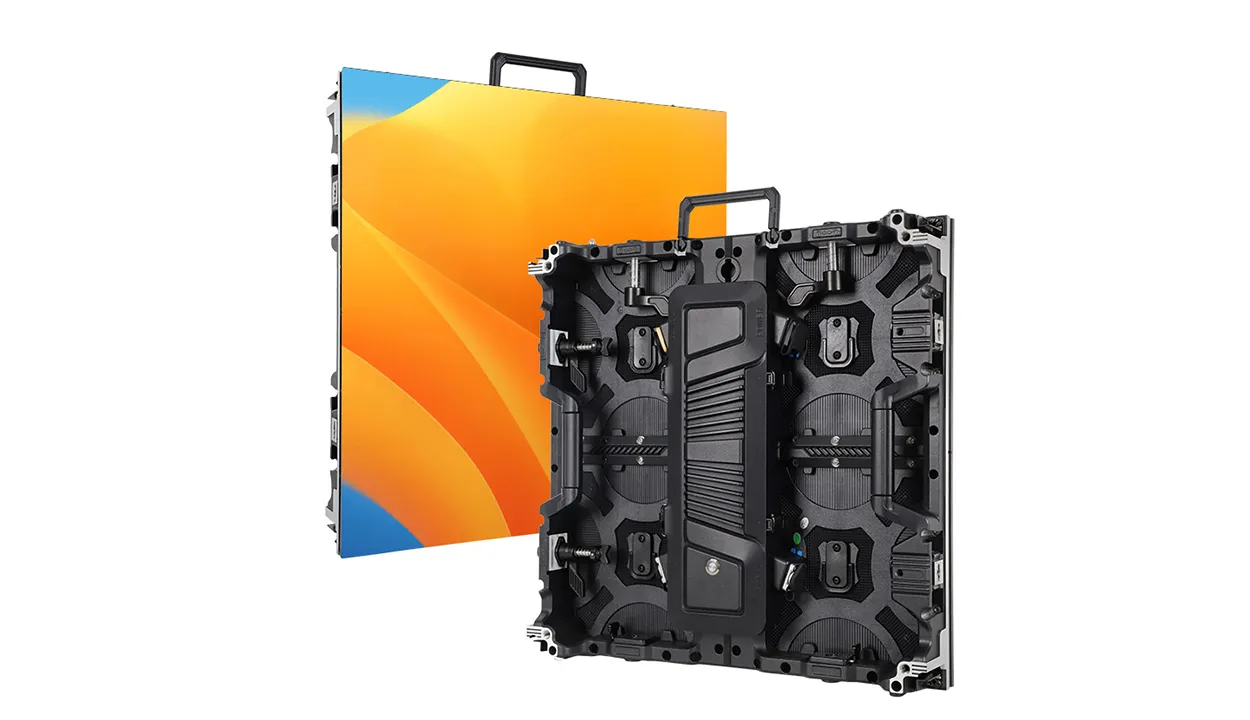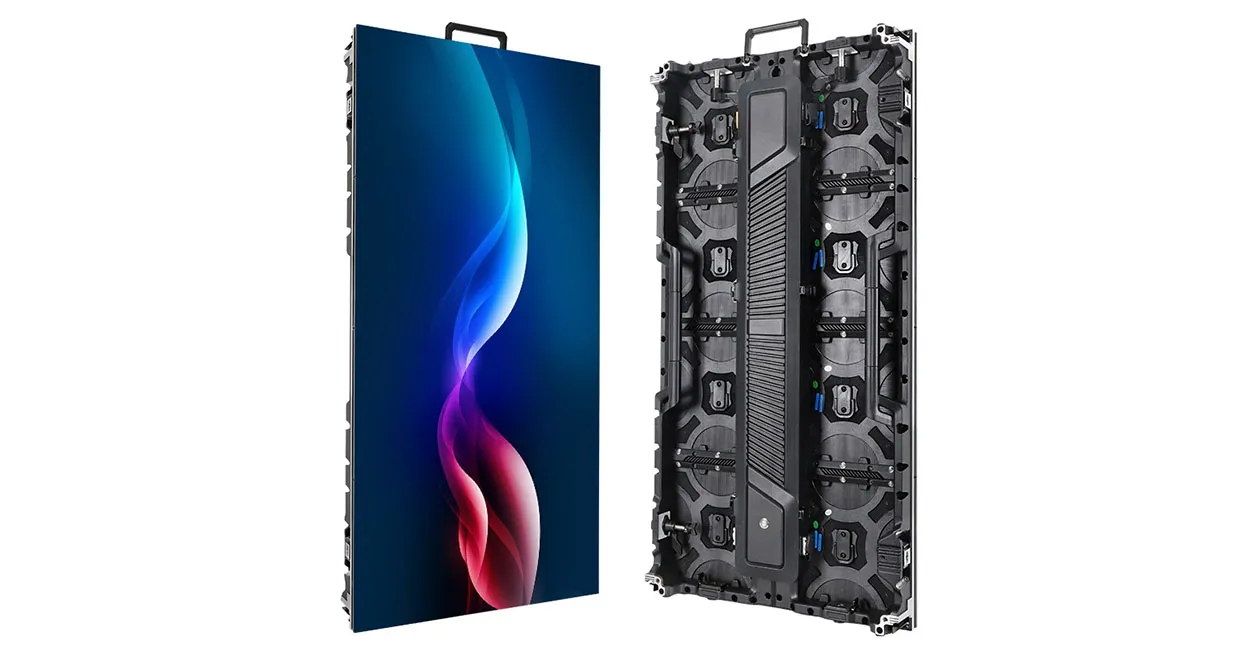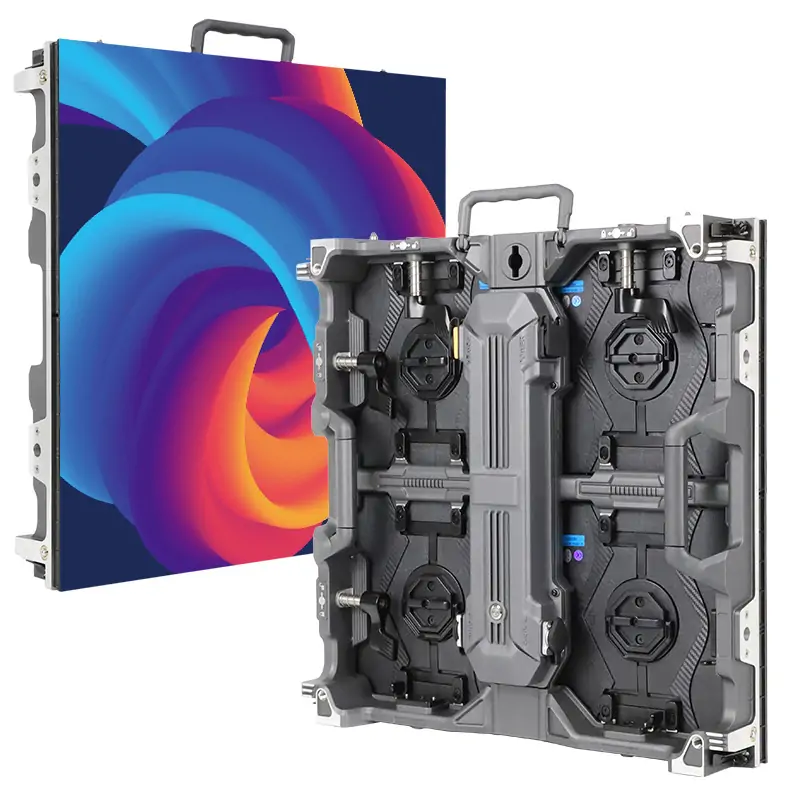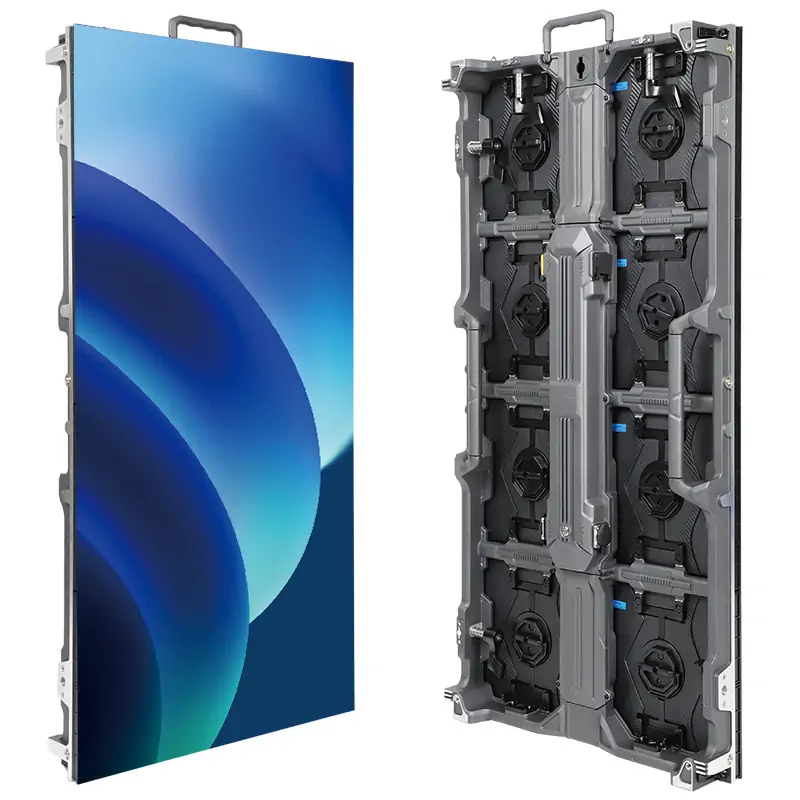
Choosing LED screen suppliers in Spain starts with deciding what you need to buy: display hardware, a complete installed system, or a temporary screen with technical operation. Alfalite, Ditec Group, Electrofuture, EagerLED, LEDDREAM Group, LEDLEMON, Ledsvisor, ProdaLED, SMLED Group, and TECCO offer different routes into the Spanish market. Their services overlap, but they are not interchangeable.
For an AV integrator preparing a project quotation, the difference matters. A competitively priced cabinet can become expensive if the installation needs unplanned structural work, inaccessible replacement parts, or additional video processing. Conversely, an extensive managed service may add little value when your own team already handles engineering and commissioning.
This guide compares LED screen suppliers from a professional procurement perspective. It explains the shortlist, identifies technical questions that affect performance, and provides a framework for comparing purchase and rental proposals. Distributors and contractors can also use the tables to prepare a consistent request for quotation.
The selection is based on publicly available company information reviewed for this 2026 guide. The numbered order is an editorial selection, without performance scores or a claim that one supplier is universally best. The list includes providers operating in Spain and EagerLED, a China-based manufacturing option for Spanish buyers organizing international procurement, local delivery, and installation.
1. Understanding LED Screen Suppliers in Spain
LED screen suppliers may manufacture equipment, distribute another company's products, integrate complete audiovisual systems, or provide rental services. Identify the contracting party's role before comparing its offer with another quotation.
A manufacturer supplies the display platform. An integrator makes that platform work with the building, power distribution, source equipment, and operator workflow. A rental provider adds temporary deployment, logistics, and potentially show operation. Some companies perform several of these functions.
Table 1. Supplier roles and purchasing responsibilities
| Supplier role | Typical scope to discuss | Buyer responsibility to clarify |
|---|---|---|
| Manufacturer | Cabinets, modules, configuration, factory testing | Importing, installation, commissioning, local service |
| Distributor | Product selection, equipment supply, channel support | Who performs repairs and holds replacement stock |
| AV integrator | System design, installation, processing, handover | Building works, network access, content provision |
| Rental provider | Temporary equipment, delivery, setup, removal | Operators, rehearsal time, permits, event contingencies |
When assessing LED screen suppliers in Spain, distinguish a Spanish business address from Spanish manufacturing. Neither fact establishes product quality by itself. Ask where the proposed equipment is produced and which organization is responsible for each service obligation.
Also distinguish an LED video wall from an LCD wall with LED backlighting. Direct-view LED uses an array of light-emitting pixels to form the image; an LCD display uses a different imaging architecture. A supplier offering both technologies should identify the exact system in its proposal.
2. How We Selected the Suppliers
The shortlist includes businesses with a public Spanish-market presence and documented LED display products or related services. It represents several procurement routes rather than ten versions of the same business model.
The review considered product categories, published service scope, and relevance to professional display projects. Company descriptions below summarize official information; suggested purchasing questions are editorial guidance, not claims about a company's shortcomings.
Public pages cannot establish current stock, contractual response times, or the suitability of a particular cabinet for your site. Before appointing LED screen suppliers, request evidence tied to the proposed configuration: drawings, datasheets, references for comparable work, and written support terms.
A useful reference project shares your technical constraints. A retail installation with close viewing distances says more about a similar shop project than an unrelated large outdoor screen. For rental work, compare handling frequency, installation method, and operating conditions.
The strongest shortlist is usually the one that reduces unresolved responsibilities. LED screen suppliers should explain what they deliver, what their partners deliver, and what your team must arrange before the screen arrives.
3. Top 10 LED Screen Suppliers in Spain
These LED screen suppliers cover manufacturing, system integration, fixed installation, and event rental. Use the profiles to decide which companies merit a detailed technical conversation.
01. Alfalite

Alfalite identifies itself as a Spain-based manufacturer and distributor of LED screens, with development, manufacturing, and testing activities in Spain. Its published offering covers indoor, outdoor, commercial, and television-related applications. Source: Alfalite.
For buyers specifically seeking LED screen suppliers with domestic manufacturing, Alfalite is a relevant company to investigate. Request a proposal for the actual application rather than comparing its entire portfolio with a single product from another vendor. Confirm processing requirements, service access, and the division of responsibility between the manufacturer and the installation team.
02. Ditec Group
Ditec Group operates across audiovisual integration, equipment rental, events, and maintenance. Its published integration materials include LED screens, placing it within a broader audiovisual delivery context. Source: Ditec Group.
This scope makes Ditec worth assessing when the display forms part of a larger meeting, presentation, or event system. Buyers comparing LED screen suppliers should establish which division will contract and deliver the work. Request the proposed screen manufacturer, cabinet model, signal workflow, and service arrangements, alongside the wider AV quotation.
03. Electrofuture
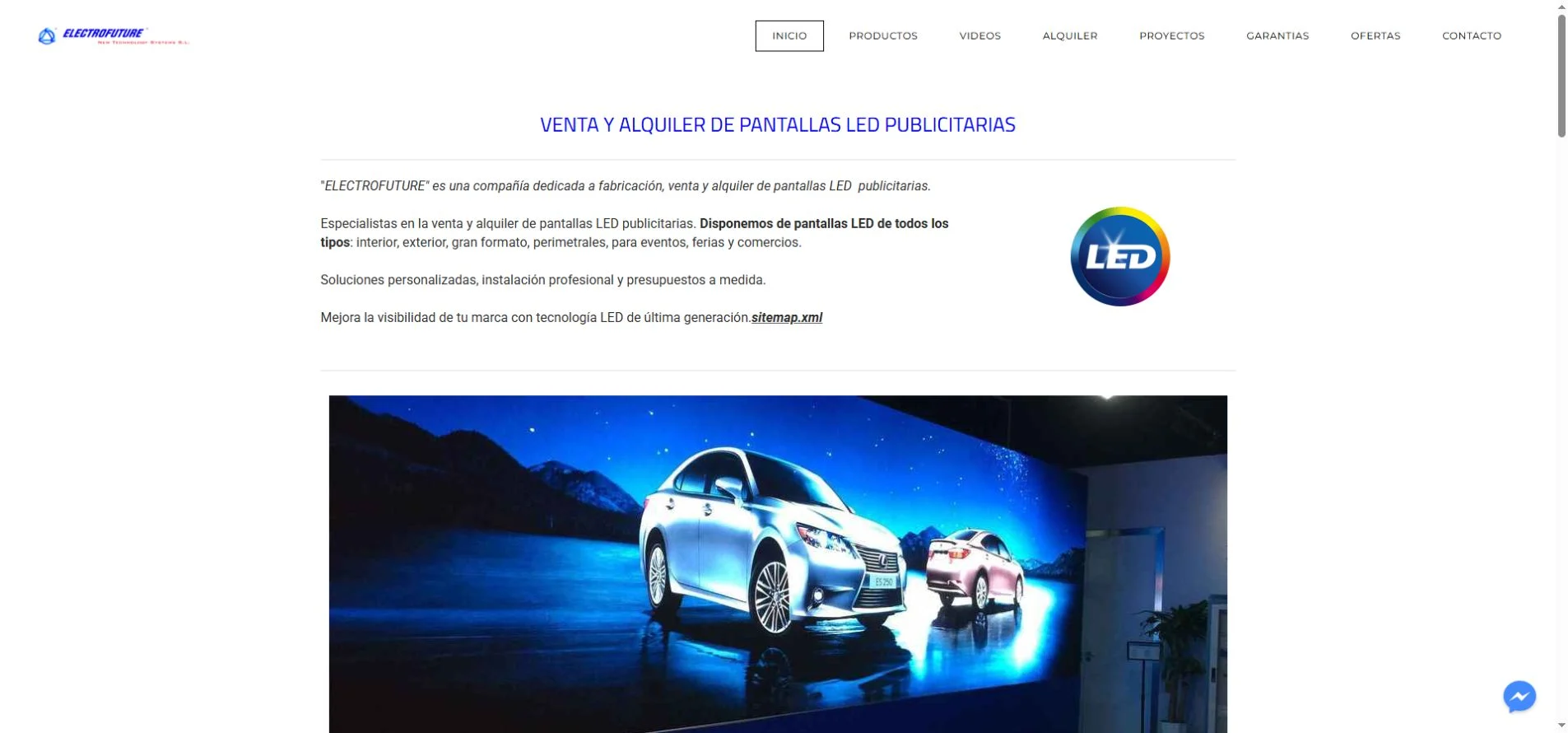
Electrofuture advertises the sale and rental of indoor and outdoor LED screens, with categories including advertising displays, perimeter screens, transparent formats, and event equipment. Its website also describes importing and distributing LED displays in Spain. Source: Electrofuture.
Its range provides a starting point for projects requiring several display formats. Ask which products belong to the same supported platform and which require separate spare parts or control arrangements. When reviewing LED screen suppliers with broad catalogs, confirm the specifications of the quoted model instead of treating company-wide descriptions as product guarantees.
04. EagerLED
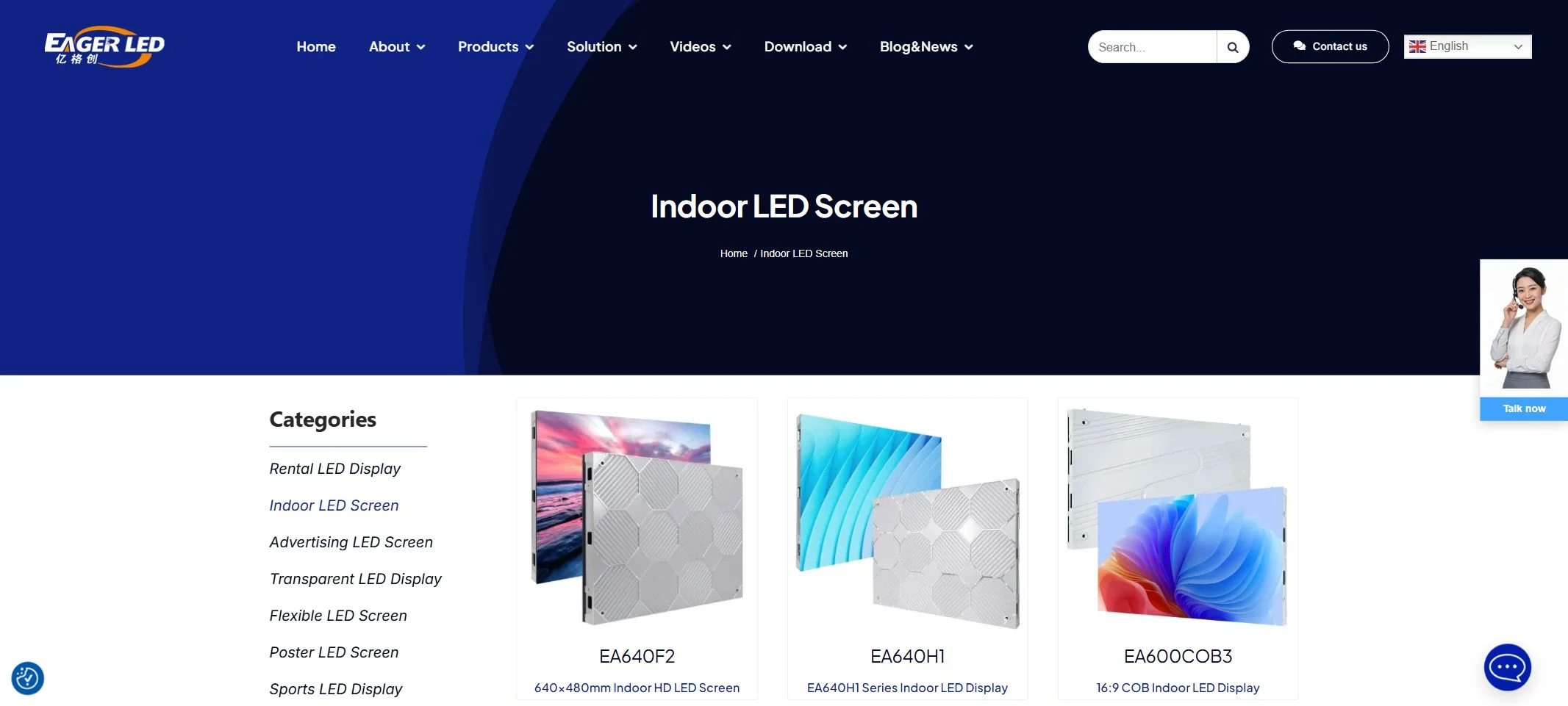
EagerLED is a China-based LED display manufacturer offering indoor, outdoor, transparent, and rental-grade display products. It is included here as an international factory-sourcing option for Spanish distributors and AV integrators. Its location should be distinguished from the Spanish operations of other companies in this list. Source: EagerLED's published company and product information.
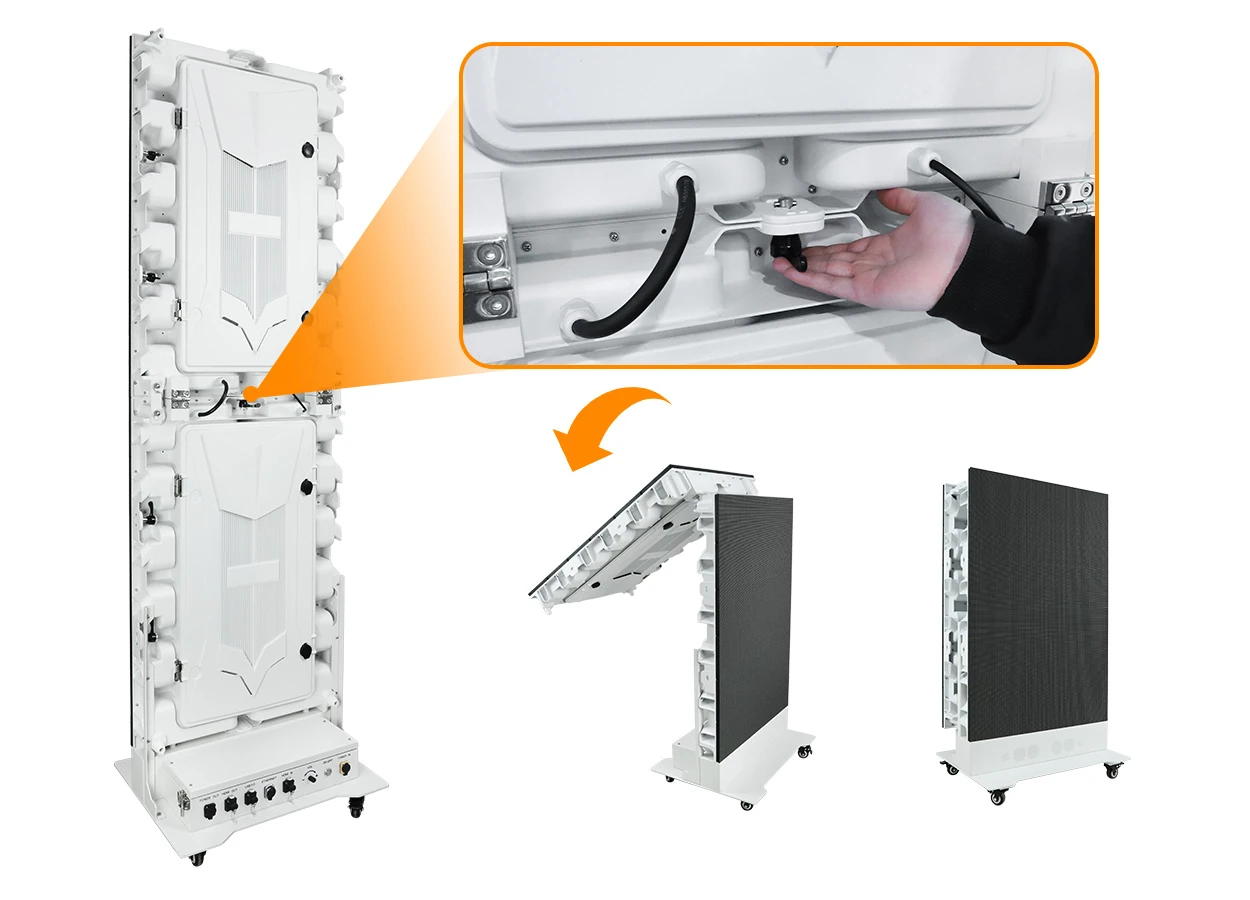
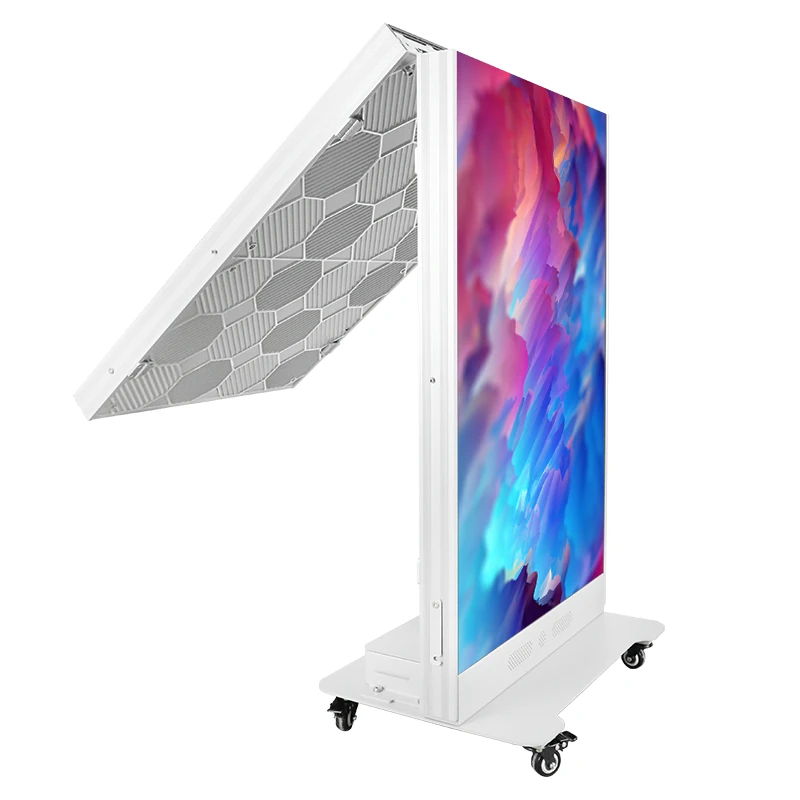
Buyers comparing LED screen suppliers can assess EagerLED for equipment procurement while arranging local installation and maintenance. Request the proposed cabinet configuration, processing system, spare-parts package, and model-specific documentation. Its rental-grade products are equipment sold for repeated deployment; they should not be confused with a staffed event rental service in Spain.
05. LEDDREAM Group
LEDDREAM Group combines audiovisual integration with creative and experiential services. Its website lists offices in the Barcelona area and Madrid, alongside indoor, outdoor, transparent, curved, and flexible LED display categories. Source: LEDDREAM Group.
Consider this type of provider for projects where architecture, screen shape, and content development must be coordinated. Define ownership of creative assets and responsibility for future content changes. A custom installation also needs an agreed repair method: replacing a module should remain possible after surrounding finishes and architectural features are complete.
06. LEDLEMON
LEDLEMON publishes services covering LED screen design, sales, installation, rental, commissioning, and maintenance for indoor, outdoor, retail, and event projects in Spain. Its company information states that final warranty scope and project conditions are defined in the quotation. Source: LEDLEMON.
This is a useful reminder when evaluating LED screen suppliers: a headline warranty period does not explain the entire service. Establish whether the offer includes replacement parts, site labor, access equipment, freight, and recalibration. Keep these items separate so the commercial comparison remains meaningful.
07. Ledsvisor
Ledsvisor presents itself as a provider of LED screen rental, sales, and installation across Spain. Its published services include fixed installations, repairs, and mobile LED display solutions. Source: Ledsvisor.
For a temporary deployment, clarify whether the proposed format is a modular wall, a mobile unit, or another configuration. Each creates different access and setup requirements. Ask for the complete event schedule, including arrival, assembly, testing, operation, and removal. Operator attendance should appear as an explicit line item rather than an assumed part of equipment hire.
08. ProdaLED
ProdaLED describes manufacturing, sales, rental, and repair activities for LED and LCD displays. Its published offering includes customized structures, sports scoreboards, single-pole displays, and totem formats, with turnkey services for projects in Spain. Source: ProdaLED.
For freestanding or outdoor installations, the supporting structure deserves as much attention as the screen. Ask for the scope of engineering, foundations, electrical connections, maintenance access, and final installation drawings. LED screen suppliers proposing complete structures should identify who verifies site-specific loads and who approves the finished installation.
09. SMLED Group
SMLED Group offers sales and rental of indoor and outdoor LED and LCD displays. Its website identifies applications including businesses, retail, hospitality, and events, and lists an address in Ullastrell, Barcelona. Source: SMLED Group.
Its mixed display offering makes it relevant when the technology choice is still open. Request a comparison based on physical size, viewing distance, content, ambient light, and service access. For LED proposals, confirm module availability and processing scope; for any alternative, compare the complete installed system rather than display hardware alone.
10. TECCO
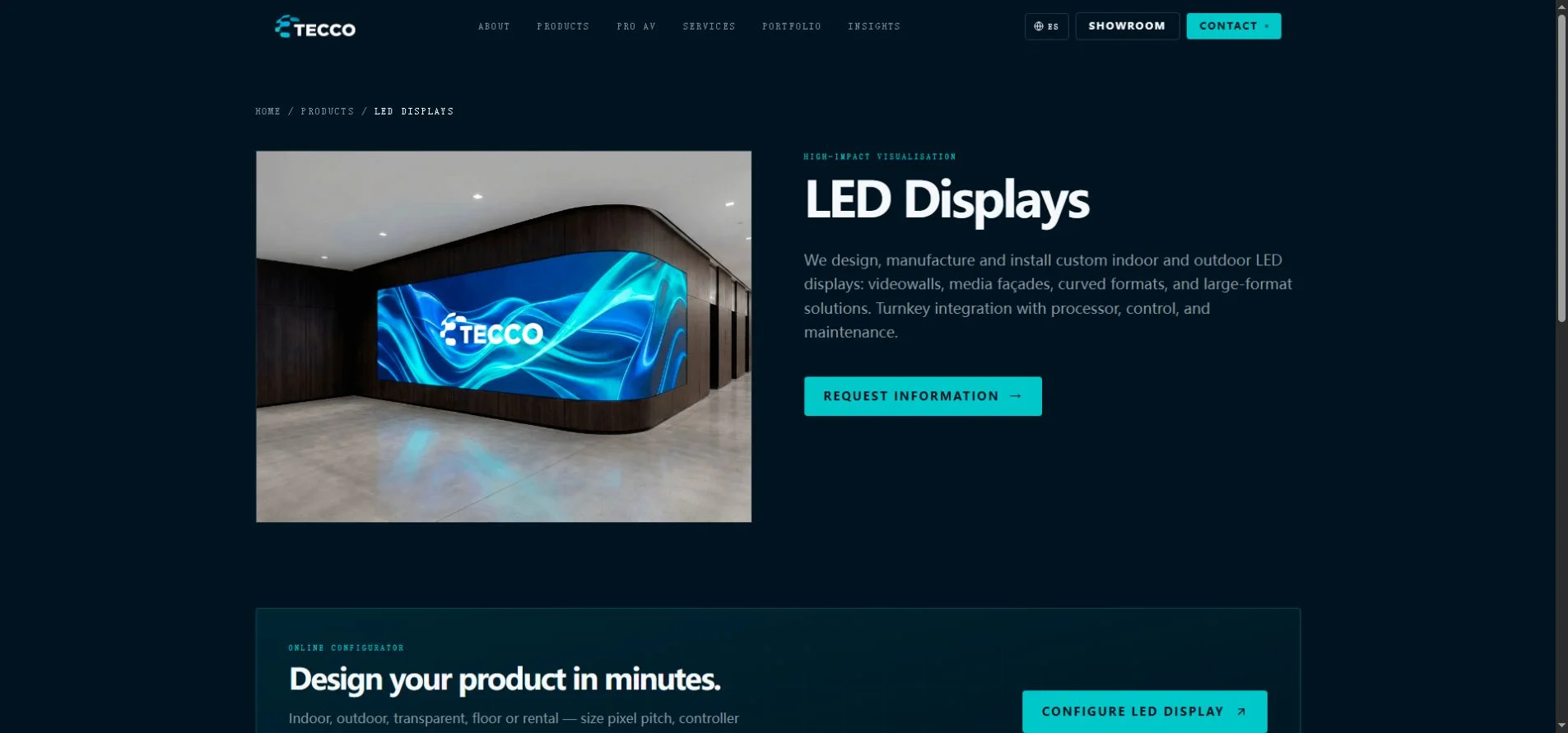
TECCO describes designing, manufacturing, and installing custom LED displays, including indoor and outdoor walls, media façades, and curved formats. Its product page also identifies processing, control, and maintenance within its integration offering. Source: TECCO.
Custom geometry requires more than a screen width and height. Give the supplier drawings, mounting constraints, sightlines, and the intended content layout. Ask for cabinet arrangement and service-clearance drawings before construction begins. Buyers comparing LED screen suppliers for unusual shapes should also confirm how content maps across corners, curves, and interrupted surfaces.
4. LED Screen Specifications Buyers Should Compare
LED screen suppliers should explain how the proposed specifications meet the viewing conditions. A collection of high numbers does not establish that a screen will perform well in its intended location.
01. Pixel pitch, resolution, and viewing distance
Pixel pitch is the center-to-center distance between adjacent pixels, measured in millimeters. At the same screen size, a smaller pitch provides more pixels. Comfortable viewing also depends on content, eyesight, and distance; a single pitch-to-distance rule cannot resolve every project. Technical reference: Planar's viewing-distance guide.
As a hypothetical calculation, a 4.8 × 2.7 m display, approximately 15.7 × 8.9 ft, at exactly 2.5 mm pitch would contain 1,920 × 1,080 pixels. Actual dimensions must follow the selected module and cabinet geometry. Accepting a 4K input would not turn that physical pixel array into a native 4K display.
Ask LED screen suppliers to demonstrate your smallest text, typical graphics, and video at the intended viewing distance.
02. Brightness, protection, and the operating environment
Specify ambient light and operating hours before selecting brightness. A shop window exposed to sunlight and a controlled meeting room need different settings. Request performance information at the brightness you expect to use.
An IP rating classifies enclosure protection under IEC 60529. It should not replace separate consideration of corrosion, heat, condensation, or structural loads. Confirm the rated surfaces and required installation conditions. Technical reference: IEC 60529.
03. Processing, camera performance, and maintenance
Camera performance depends on more than a headline refresh rate. Camera exposure, panel timing, and synchronization can affect recorded results. Test the intended camera workflow; Brompton's documentation explains why matching LED refresh behavior to camera timing matters. Technical reference: ShutterSync.
Table 2. Technical evidence to request from LED screen suppliers
| Item | Request | Decision it supports |
|---|---|---|
| Pixel layout | Exact native resolution and cabinet drawing | Content design and processor capacity |
| Brightness | Calibrated operating settings and test conditions | Readability without excessive output |
| Power | Maximum load and stated typical-use assumptions | Electrical design and operating budget |
| Service access | Removal method for modules, power supplies, cards | Realistic maintenance clearance |
| Video processing | Inputs, pixel capacity, frame-rate support | Compatibility with the source workflow |
| Environmental design | Applicable ratings and installation conditions | Suitability for the actual site |
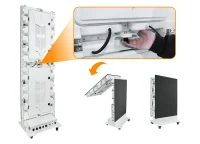
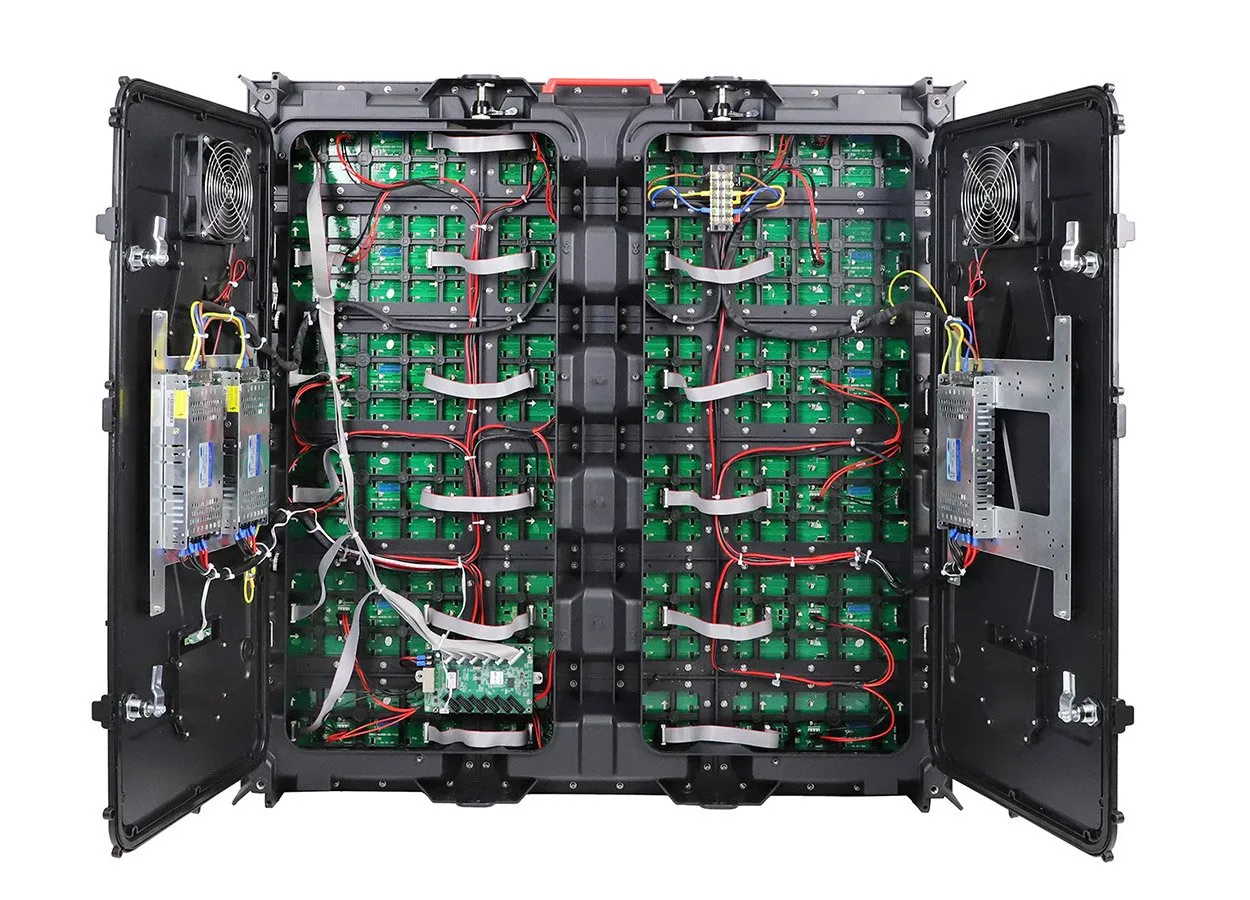
Front-removable modules do not automatically mean every internal component is front-serviceable. Have the maintenance procedure demonstrated before approving a wall-mounted design.
5. Comparing Spanish LED Screen Suppliers
Compare LED screen suppliers against the responsibilities your organization can realistically assume. Local installation support may be valuable for one project, while direct equipment sourcing may suit an integrator with established engineering and maintenance teams.
Table 3. Procurement routes and their tradeoffs
| Route | Potential advantage | Limitation or responsibility |
|---|---|---|
| Local turnkey integration | Coordination of display and site works | Verify exclusions and subcontracted tasks |
| Local equipment distribution | Access to product selection and channel support | Local stock and field service require confirmation |
| Direct factory purchase | Detailed configuration discussions and repeat ordering | Buyer coordinates import, site work, and local support |
| Managed event rental | Equipment and services for a defined deployment | Availability and changes depend on booking terms |
Neither local sourcing nor factory sourcing guarantees a lower total cost. Compare equivalent configurations, delivery terms, spare-parts packages, and service obligations.
For distributors building repeatable installations, consistency matters. Record the approved bill of materials, receiving-card configuration, firmware version, and calibration files. Agree how substitutions are disclosed and approved. An apparently equivalent replacement may affect mechanical fit, software compatibility, or visual matching.
01. Planning a factory-sourced project
Factory sourcing requires an agreed handoff between equipment manufacture and local project delivery. Before ordering, establish who approves the cabinet drawings, checks the shipment, stores spare parts, and completes the site acceptance tests. Include the local installation team in the technical review so that mounting details and access requirements are resolved before production.
Buyers comparing LED screen suppliers should request written procedures for troubleshooting, replacement authorization, and warranty returns. Identify the information needed for remote diagnosis and who can perform repairs locally. The purchasing decision should account for these responsibilities alongside the equipment price.
6. Choosing LED Screens for Your Application
The application should determine the specification and service package. LED screen suppliers need to understand who views the display, what it shows, and how it will be operated.
For retail, review sightlines, window reflections, content scheduling, and access outside trading hours. An attractive cabinet layout still needs enough physical pixels to render the smallest required text.
For outdoor advertising, establish the exposure conditions and available maintenance access. For sports applications, determine whether the screen is a scoreboard, video display, or perimeter system; these are different operating requirements.
Event buyers should evaluate assembly, transport, crew requirements, and camera use together. Corporate buyers should test actual presentation material and source switching, especially where detailed dashboards or spreadsheets will be displayed.
Table 4. Application priorities for the project brief
| Application | Include in the brief | Demonstrate before approval |
|---|---|---|
| Retail or shop window | Sunlight, sightlines, opening hours | Real promotional content under relevant light |
| Corporate presentation | Smallest text, sources, viewing positions | Slides, spreadsheets, and switching |
| Outdoor advertising | Exposure, access, operating schedule | Brightness control and maintenance procedure |
| Live events | Build schedule, cameras, stage layout | Assembly workflow and live-feed operation |
| Sports venue | Scoring feeds, audience positions, display role | Content workflow and system interfaces |
These practical demonstrations help LED screen suppliers resolve unsuitable assumptions before equipment is ordered. Keep the approved demonstration settings with the technical specification so that acceptance is based on the same conditions.
7. LED Screen Prices in Spain: Rental vs. Purchase
There is no reliable universal LED screen price per square meter. Pitch, cabinet construction, processing, installation, and service scope all affect the quotation. A hardware-only price cannot be compared directly with a fully installed project total.
Ask LED screen suppliers to separate equipment, project work, and recurring costs. That makes it easier to identify whether a cheaper proposal omits essential items.
Table 5. Cost items to normalize across quotations
| Cost category | Check what is included |
|---|---|
| Display hardware | Cabinets, modules, receiving cards, power supplies |
| Processing | Controllers, scaling, source switching, licenses |
| Structure | Mounting system, engineering, access provisions |
| Installation | Transport, lifting, cabling, electrical work, labor |
| Commissioning | Mapping, calibration, testing, operator training |
| Ongoing service | Maintenance, repairs, replacement stock, freight |
| Rental services | Rehearsal, operators, overtime, removal, contingency |
| Commercial terms | Tax treatment, payment schedule, delivery basis |
Rental can suit occasional events or changing screen sizes. Ownership can suit repeated deployments or permanent installations, provided the organization can handle storage, maintenance, transport, and trained operation.
Compare ownership and rental over the same expected usage period. Include financing where relevant and use a realistic residual value. Do not assume every owned screen will remain fully utilized throughout that period.
LED screen suppliers should also explain electricity assumptions. Maximum rated power is relevant to electrical planning; operating consumption changes with content, brightness, and settings. A budget based on typical consumption needs those conditions stated. The screen's power figure also excludes unrelated loads unless the quotation explicitly includes them.
For imported equipment, compare the delivered project cost. Confirm who handles shipping, customs clearance, applicable taxes, inland transport, and warranty returns before accepting an apparently lower equipment price.
8. How to Request and Compare Supplier Quotes
Send the same project brief to all shortlisted LED screen suppliers. Include the location, active display dimensions, viewing distances, content examples, environmental conditions, installation method, available power, and desired completion date.
Then request a response in a consistent format. Separate mandatory requirements from preferences so bidders can identify genuine alternatives without silently changing the specification.
01. Make exclusions visible
Ask each bidder to identify missing information and excluded work. Pay particular attention to structural engineering, power distribution, network provision, content creation, lifting equipment, and out-of-hours labor.
Clarify whether delivery means arrival at your warehouse, arrival at the site, or a commissioned system ready for use. LED screen suppliers may use the same word for different project milestones.
02. Agree acceptance before placing the order
Define the tests, viewing conditions, permitted defects, and correction process in writing. Relevant checks can include cabinet alignment, pixel defects, uniformity, source mapping, representative content, and recovery after power interruption.
Where redundancy is purchased, demonstrate the agreed failure scenarios. A spare controller on a shelf is different from an automatically switching system.
Request the final cabinet map, configuration backups, calibration data where applicable, operating instructions, and maintenance records at handover. LED screen suppliers should identify who retains these files and how your team obtains updates.
For phased projects, specify the approval sequence: technical submission, sample or demonstration, production authorization, pre-shipment inspection where agreed, installation, and final acceptance. Tie payment milestones to clearly defined deliverables rather than ambiguous progress descriptions.
9. FAQ
01. Can LED screen suppliers provide samples before a bulk order?
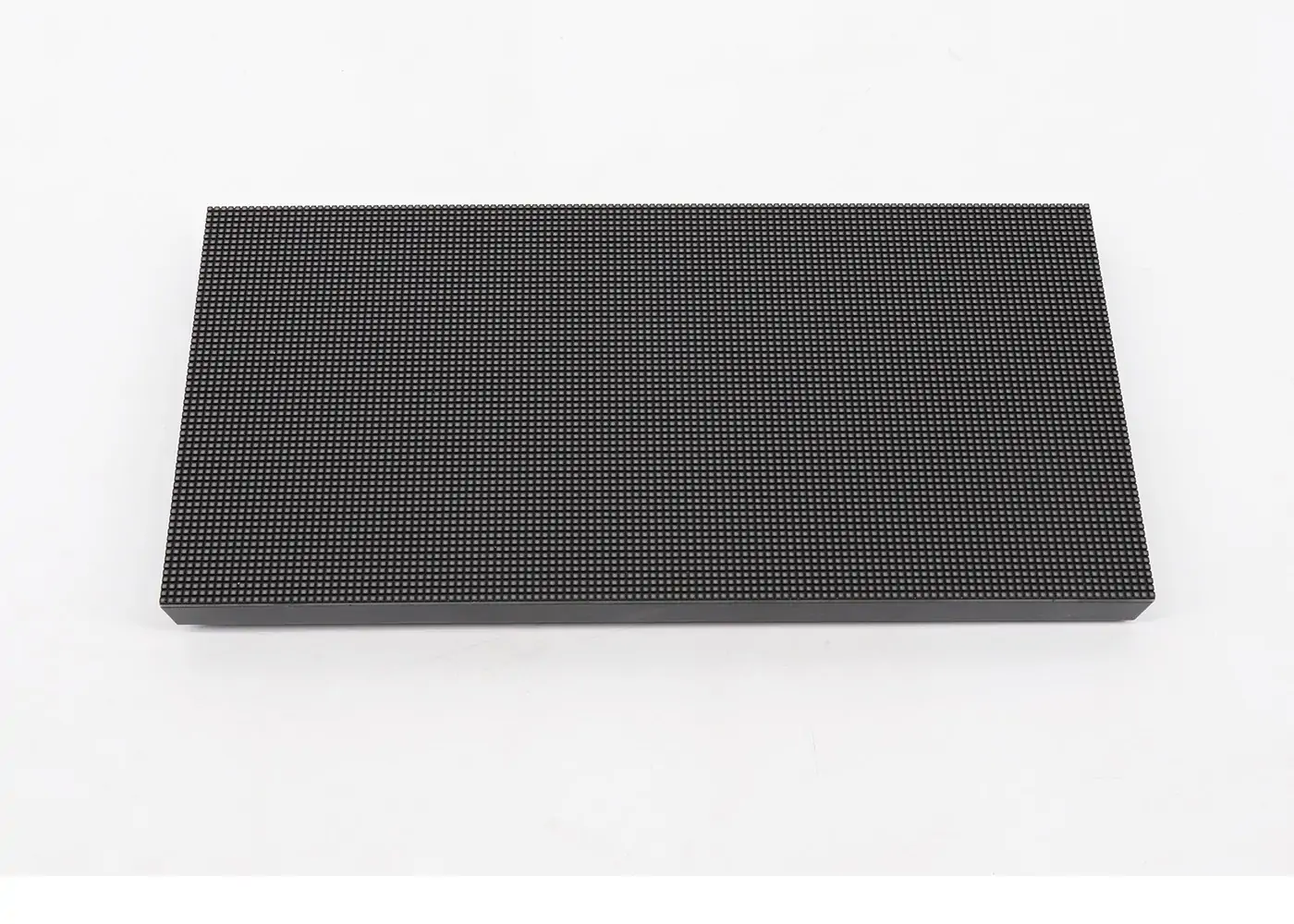
Ask whether a sample module, cabinet, or demonstration is available and what it costs. Confirm that its components and settings represent the proposed order. A module can help assess image characteristics, while a cabinet demonstration is more useful for handling, connections, and maintenance access.
02. Can I add cabinets to an existing LED wall later?
Possibly, but matching nominal pitch and cabinet size is insufficient. Mechanical connections, electronics, firmware, calibration, and LED characteristics must be compatible. Discuss expansion early and reserve suitable equipment where practical; later production may not match the installed wall visually.
03. Can cabinets from different brands work in the same wall?
Do not assume they can. Even when dimensions look similar, locks, power connections, signal mapping, and receiving systems may differ. Separate screens can sometimes share an upstream video source, but combining cabinets into one uniform display requires a deliberately engineered and tested arrangement.
04. Can an existing HDMI source connect to a new LED screen?
It can if the selected processing system supports the source's resolution, frame rate, and other relevant requirements, including HDCP where applicable. The processor maps the input to the wall's physical pixels. Test the actual source and cable path before final acceptance.
05. Do LED screen suppliers need to provide CE documentation?
For products subject to relevant EU legislation, request the applicable EU Declaration of Conformity identifying the supplied equipment. CE marking represents the manufacturer's declaration of conformity; it does not replace checking the product identity and documentation. Importers also have compliance responsibilities. Sources: European Commission, Your Europe.
06. Can a cloud-controlled LED screen keep playing offline?
That depends on the playback architecture. A player with local storage may continue scheduled playback during a connection loss, while remote updates and monitoring become unavailable. Ask for an offline demonstration and confirm whether licenses, account access, or periodic online checks affect operation.
07. What happens when a replacement module looks different?
Check whether it is the correct approved replacement and whether its calibration data has been applied. Differences in components, production batches, aging, or settings can affect visual matching. Keep documented spare-part references and agree how the supplier will assess and correct unacceptable differences.
08. Can LED screen suppliers deliver to Spanish island locations?
Confirm the destination explicitly. A statement of national coverage does not establish delivery cost, access arrangements, technician availability, or replacement-part turnaround for every location. Give the full site address and request destination-specific logistics and service terms in writing.
10. Conclusion
The right LED screen suppliers in Spain are those whose equipment, project scope, and support arrangements match your requirements. Use the ten-company shortlist to identify suitable procurement routes, then narrow the options through technical evidence, comparable quotations, and practical demonstrations.
Before requesting prices, prepare the display dimensions, viewing distances, content examples, installation drawings, and service expectations. These details help LED screen suppliers propose an appropriate system and expose differences that a price-per-square-meter comparison would miss.
For distributors and integrators considering factory sourcing, contact EagerLED with your project brief. Request a model-specific proposal covering display configuration, processing, spare parts, and documentation, together with a clear plan for local installation and ongoing support.
 Fashion Show LED Screen Guide: Runway Backdrops, Floors and Cameras
 LED Display Manufacturing Process: How LED Screens Are Made
Related Posts
Fill In Your Needs In Detail
Fill in the screen usage scene and size you need in “Content”.You will get a quote.