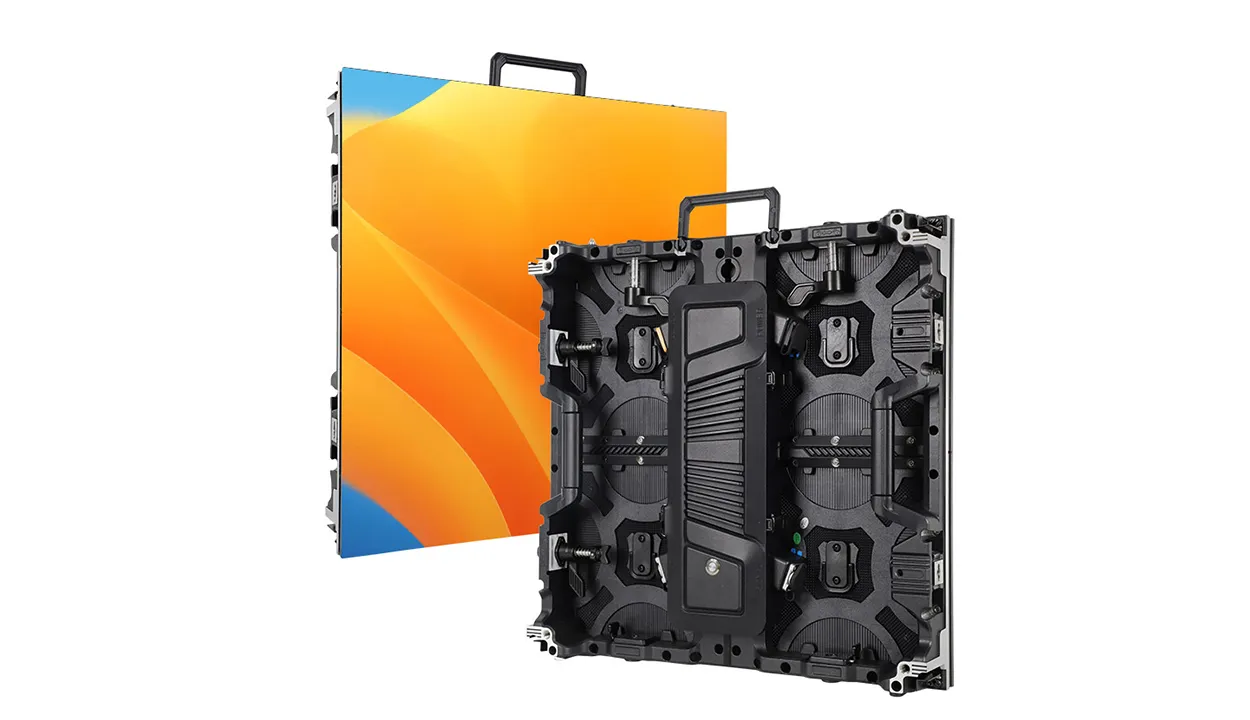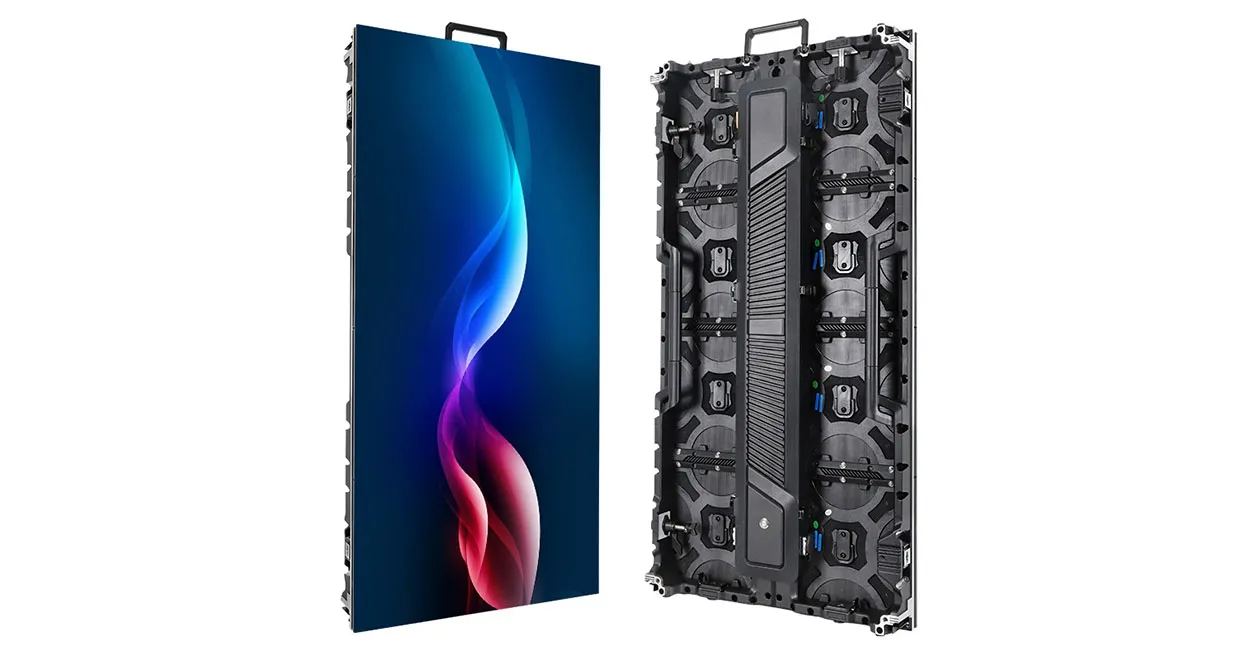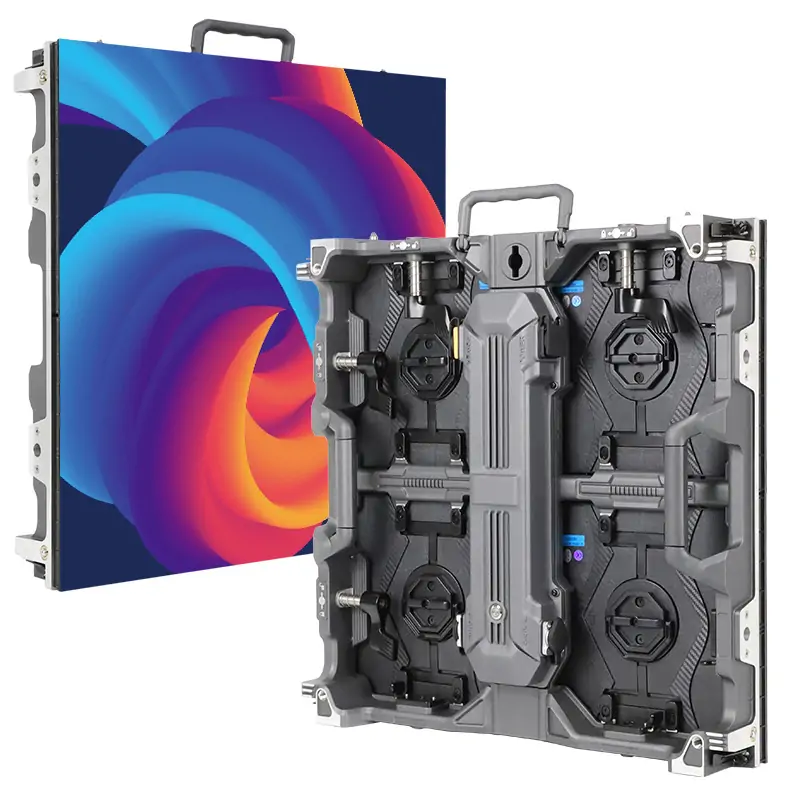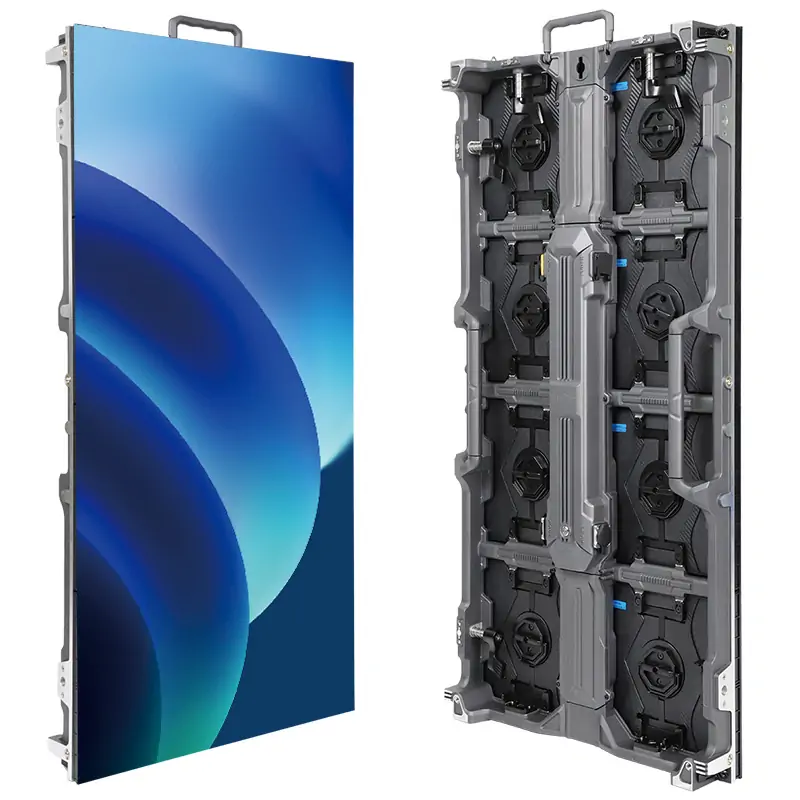
Indoor vs outdoor LED screen differences come down to six practical points: brightness, pixel pitch, weather protection, viewing distance, cabinet construction and installation. Indoor LED screens are designed for controlled environments and closer viewing, while outdoor LED screens must handle changing daylight, weather and dust. This B2B guide compares both types so you can define the right display requirements before requesting a quotation.
- 1. Indoor LED Screens: Environment and Applications
- 2. Outdoor LED Screens: Environment and Applications
- 3. Indoor vs Outdoor LED Screen: Main Differences
- 4. Indoor LED Screen Applications
- 5. Outdoor LED Screen Applications
- 6. Comparing EagerLED Display Options
- 7. How to Choose an Indoor or Outdoor LED Screen
- 8. Indoor LED Screen Selection Points
- 9. Outdoor LED Screen Selection Points
- 10. Conclusion
- Indoor vs Outdoor LED Screen FAQs
1. Indoor LED Screens: Environment and Applications
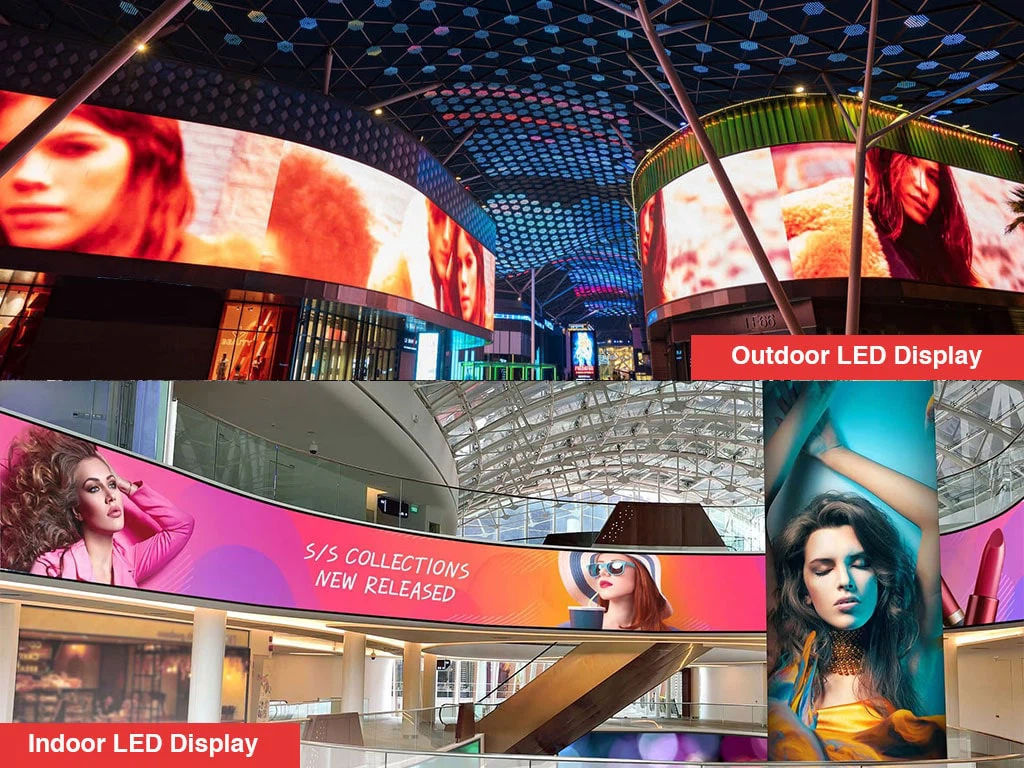
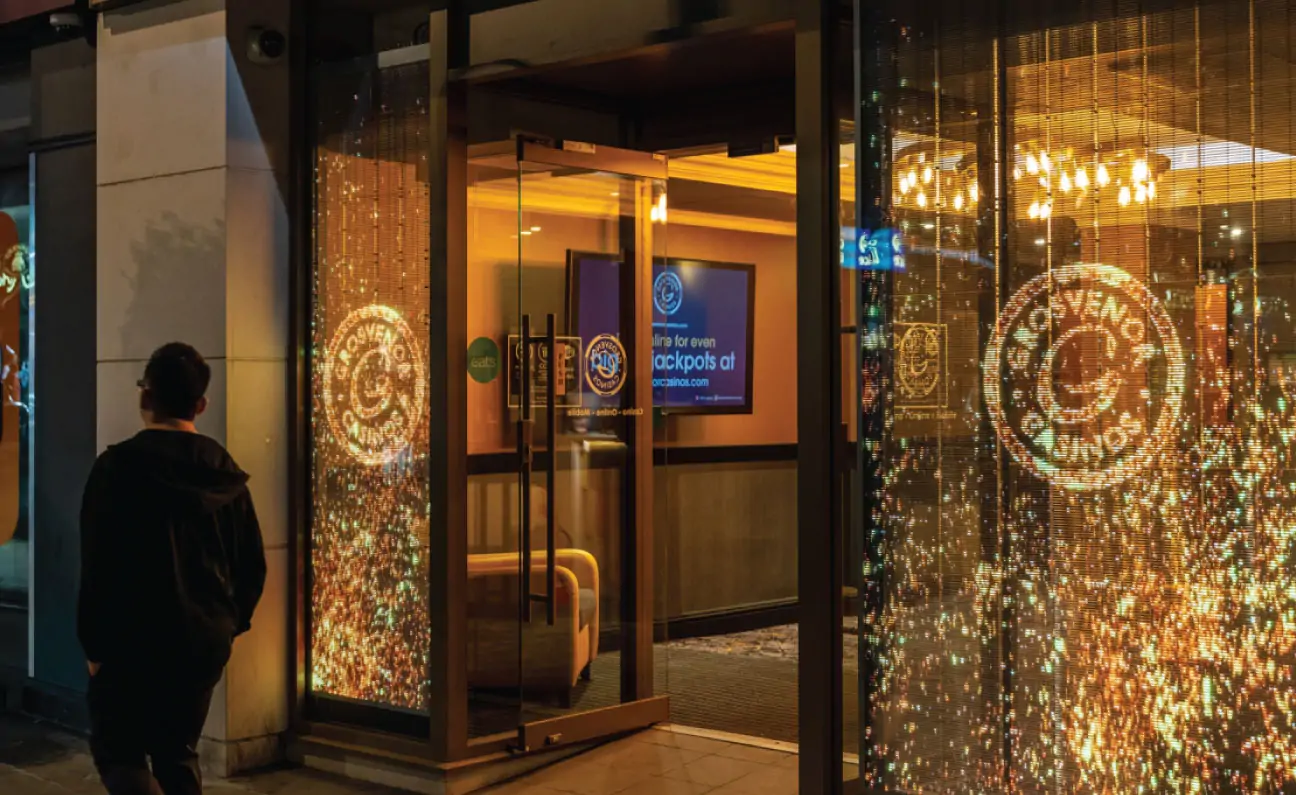
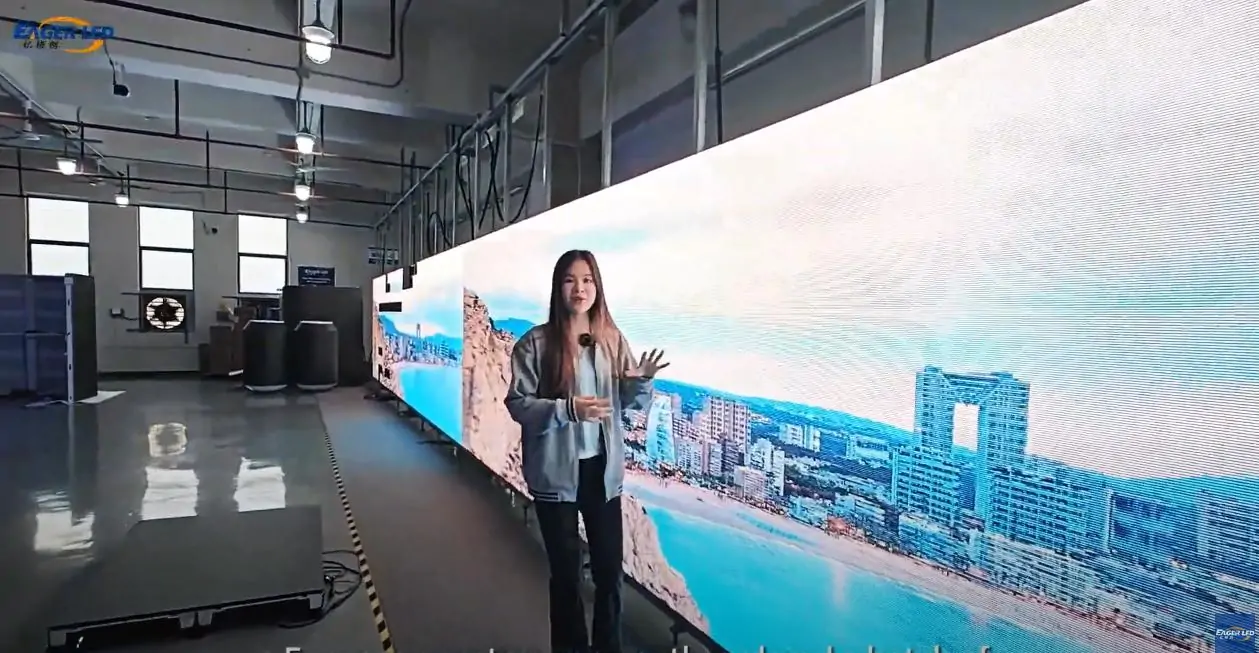
Indoor LED screens are designed for controlled environments where viewers may stand relatively close to the display. Common applications include:
- Corporate offices
- Retail stores
- Shopping malls
- Conference rooms
- Event venues
- Theaters
1.1 What Is an Indoor LED Screen?
An indoor LED screen uses LED pixels, a control system, power supplies and modular cabinets to show images, video or data. The suitable configuration depends on viewing distance, content detail, room lighting and available service access.
1.2 Indoor LED Screen Components
- LED panels: Modules contain arrays of LEDs that form the image.
- Pixel pitch: The distance between adjacent pixels affects resolution and recommended viewing distance.
- Control system: Processing equipment receives content and distributes the signal across the display.
- Power supply: Converts incoming electricity for the display components.
- Cabinets or frames: Hold modules in the planned layout and allow installation or service access.
- Cooling: Manages heat according to the model and operating environment.
1.3 How Indoor LED Screens Work
- Content input: A media player, computer or controller sends images, video or animations.
- Signal processing: The control system distributes the incoming signal to the display modules.
- LED illumination: Red, green and blue LEDs combine to create the displayed colors.
- Image rendering: The processed signal forms the final image or video on the screen.
1.4 Indoor LED Screen Features
- Resolution: Smaller pixel pitches can support detailed content at closer viewing distances.
- Brightness: Indoor systems are selected for the room lighting and viewing comfort.
- Form factor: Cabinet size, weight and service access affect integration into an interior space.
- Viewing angle: Check visibility from the positions where the audience will stand.
- Configuration: Confirm the available dimensions and layout limits for the selected model.
- Content control: Verify the software and controller features required by the operator.
2. Outdoor LED Screens: Environment and Applications
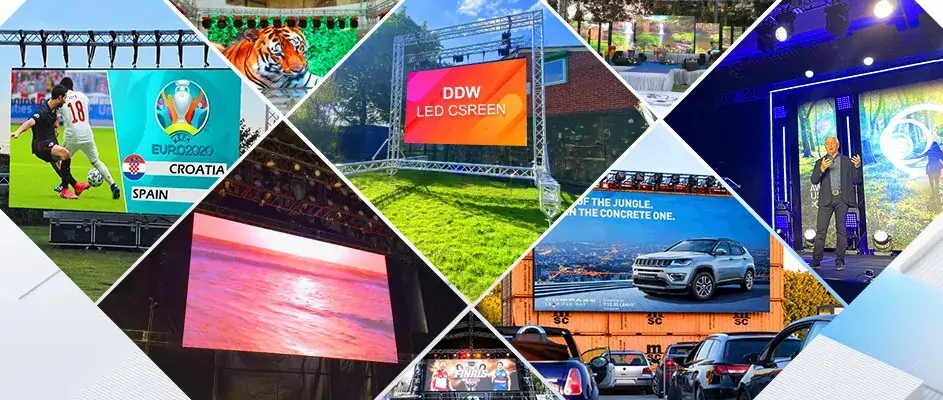
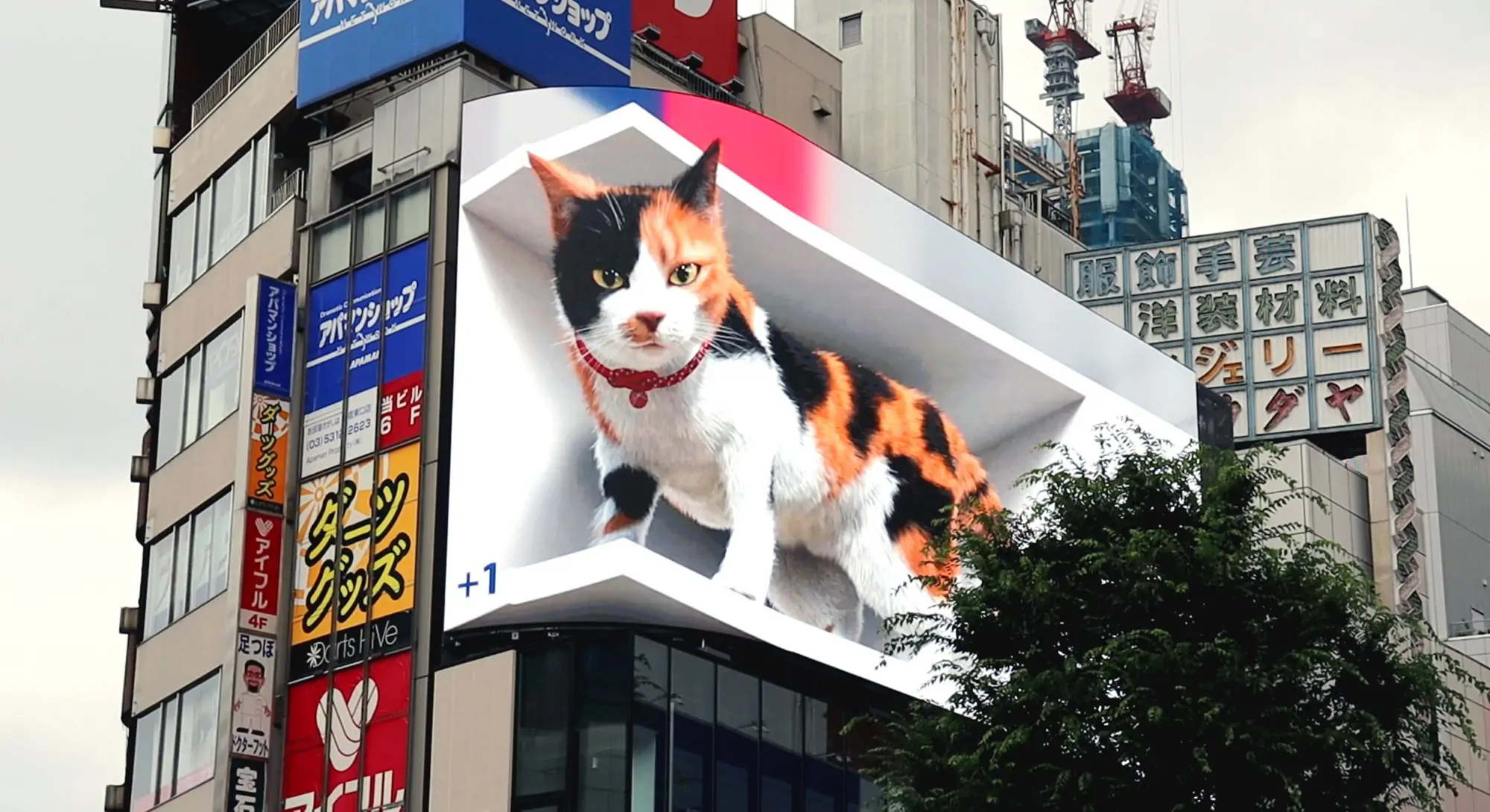
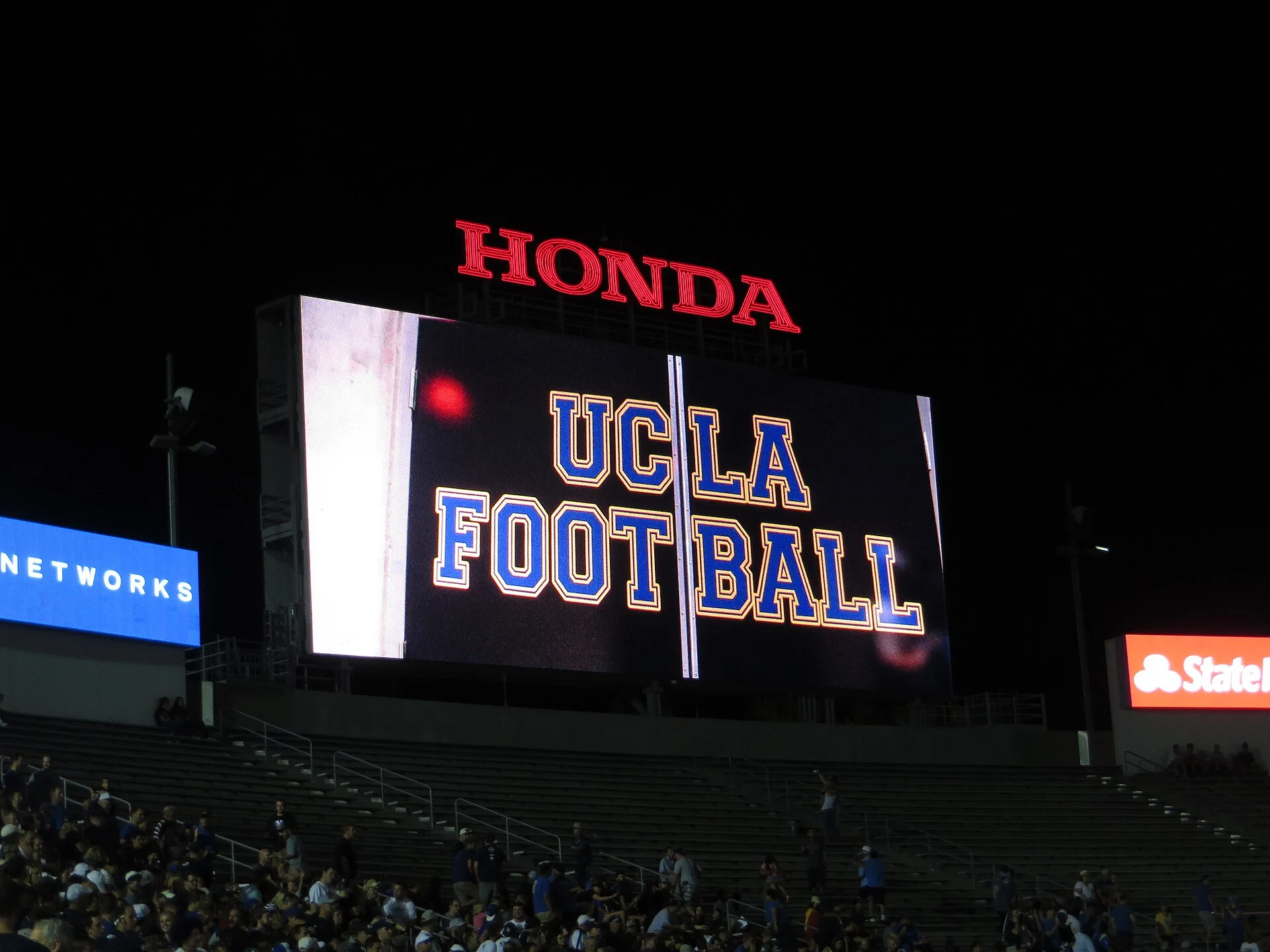
Outdoor LED screens are designed for open-air locations and changing environmental conditions. Common applications include:
- Billboards
- Sports arenas
- Outdoor events
- Public transport stations
- Street advertising
- Festivals and concerts
2.1 Outdoor LED Screen Features
- Brightness: Outdoor displays are specified for the site lighting and required viewing distance.
- Environmental protection: Check the exact model rating for water, dust, wind and temperature exposure.
- Durability: Confirm cabinet construction, mounting and service requirements for the installation.
- Pixel pitch: Select resolution for long-distance viewing and the content detail required.
- Screen size: Match dimensions to sightlines, structural limits and permitted placement.
- Cooling: Review ventilation and operating requirements for the local climate.
2.2 What Is an Outdoor LED Screen?
An outdoor LED screen combines LED modules, control equipment, power supplies and protective cabinets. Its configuration must be checked against the site conditions, content, mounting method and maintenance plan.
2.3 Outdoor LED Screen Components
- LED panels: Modules contain the pixels that form the image. Select pixel pitch for the content and viewing distance.
- Protective cabinets: Check water and dust protection separately from structural wind resistance and operating temperature limits.
- High-brightness LEDs: Brightness can reach up to 10,000 nits or more in some outdoor designs; confirm the specification of the proposed model and the needs of the site.
- Control system: Hardware and software manage content, brightness and synchronization.
- Ventilation and cooling: Heat management must suit the model and local conditions.
- Supporting structure: Confirm cabinet mounting, structural design and maintenance access.
2.4 How Outdoor LED Screens Work
- Content input: A media player, computer or approved network system sends the planned content.
- Signal processing: The controller distributes the image data across the cabinets.
- LED illumination: RGB LEDs produce the colors used in the displayed content.
- Image rendering: The processed signals form the image or video across the screen.
- Brightness control: Confirm whether the proposed system supports the adjustment method required at the site.
3. Indoor vs Outdoor LED Screen: Main Differences
- Brightness: Reference brightness ranges are 600–1,500 nits indoors and above 2,500 nits outdoors. Confirm the required figure for the actual model and location.
- Pixel pitch: Example pixel pitches include indoor pitches as low as 1.2 mm and outdoor pitches of about 6–20 mm. Choose by viewing distance and content, not the label alone.
- Weather resistance: Indoor displays are for controlled spaces; outdoor displays require model-specific environmental protection.
- Durability: Outdoor installations need suitable cabinet, structure and service planning.
- Viewing distance: Indoor screens are often viewed closer, while outdoor screens are planned for longer sightlines.
- Cost: Compare equipment, structure, delivery, installation, power and maintenance in the complete quotation.
4. Indoor LED Screen Applications
Indoor LED screens can support retail promotions, corporate communication, entertainment, education and hospitality. Match the content, viewing positions and installation access to the selected system.
- Retail advertising and product communication
- Corporate presentations and internal messaging
- Theaters, clubs and event venues
- Classrooms and auditoriums
- Hotel lobbies and conference halls
5. Outdoor LED Screen Applications
Outdoor LED screens can support advertising, public information, events, traffic communication and other permitted outdoor uses. Confirm local installation requirements and content responsibilities.
- Billboard advertising
- Public announcements at transport locations
- Live event content
- Traffic and navigation updates
- Public campaigns and notices
6. Comparing EagerLED Display Options
EagerLED offers indoor and outdoor LED display options. Compare the proposed model, configuration and support terms with your project brief before making a purchasing decision.
- Product fit: Request model-specific specifications for the intended environment.
- Configuration: Confirm dimensions, resolution, control equipment and power requirements.
- Installation: Clarify structure, cabling, commissioning and site responsibilities.
- Support: Review training, maintenance, warranty and response terms in writing.
- Quotation clarity: Separate included equipment, optional services and exclusions.
7. How to Choose an Indoor or Outdoor LED Screen
- Purpose: Define whether the screen is for advertising, information, communication or entertainment.
- Location: Record indoor lighting, daylight, weather exposure and available service space.
- Budget: Compare total ownership costs rather than screen price alone.
- Audience: Measure viewing distance, angles and expected audience movement.
- Maintenance: Plan access, inspections, spare parts and technical support.
8. Indoor LED Screen Selection Points
- Resolution: Compare pixel pitch and content readability at the intended distance.
- Configuration: Confirm dimensions, cabinet layout and available mounting options.
- Viewing: Check visibility from the main audience positions.
- Operation: Confirm content formats, scheduling and controller access.
- Service: Agree on installation, maintenance and warranty responsibilities.
9. Outdoor LED Screen Selection Points
- Environmental protection: Confirm the exact outdoor rating and operating limits.
- Visibility: Evaluate brightness and contrast under representative daylight.
- Durability: Review cabinet, structure and service access requirements.
- Screen size: Match the display area to sightlines and local restrictions.
- Ownership cost: Include power, maintenance and content operation in the comparison.
Choosing between an indoor and outdoor LED display depends on the environment, viewing distance, content and installation requirements. Indoor systems prioritize controlled lighting and close viewing; outdoor systems require site-appropriate brightness, protection and structural planning.
10. Conclusion
Use the project brief to compare indoor and outdoor LED screen proposals. Ask for model-specific specifications, an itemized quotation and clear responsibility for installation, operation and support.
Indoor vs Outdoor LED Screen FAQs
What is the main difference between indoor and outdoor LED screens?
Indoor LED screens are designed for controlled environments and closer viewing. Outdoor LED screens are specified for changing light and weather conditions, so brightness, protection, cabinet construction and installation requirements must be checked for the exact model.
How do I choose between an indoor and outdoor LED screen?
Start with the installation environment, viewing distance, content, screen dimensions and available maintenance access. Then compare brightness, pixel pitch, environmental protection, control equipment and total ownership costs.
Why is pixel pitch important when comparing LED screens?
Pixel pitch affects image detail and recommended viewing distance. Compare the pitch with the audience position and content rather than selecting a screen by indoor or outdoor label alone.
Do outdoor LED screens need weather protection?
Outdoor projects require a model with suitable environmental protection and installation design. Confirm the stated rating, operating limits, drainage, ventilation and service access for the proposed system.
What should an indoor or outdoor LED screen quotation include?
Request the model, dimensions, resolution, brightness, control system, power requirements, structure, delivery terms, installation scope, warranty and optional services. Ask the supplier to list exclusions separately.
 Rental LED Video Walls Feedback from Mauritius Customer
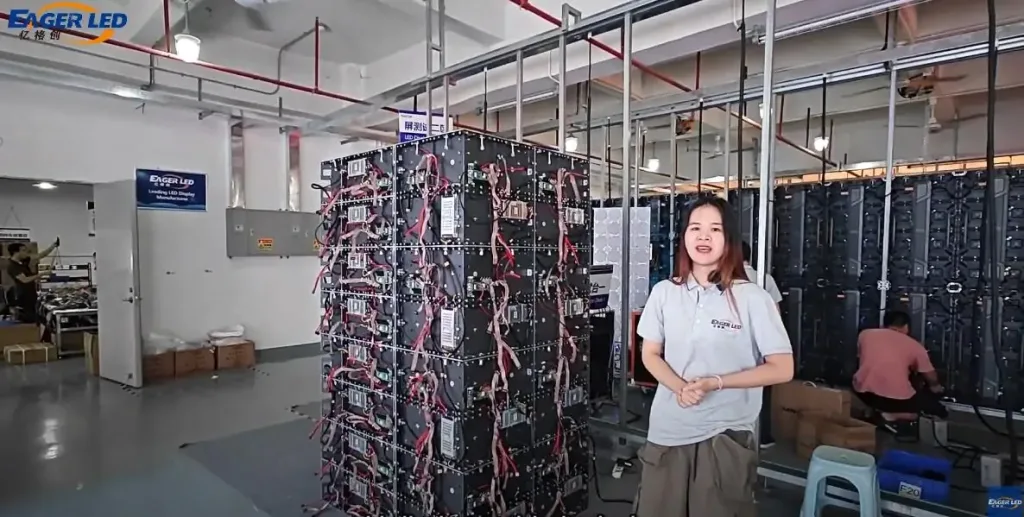 EagerLED Pillar LED Display Introduction
Related Posts
Fill In Your Needs In Detail
Fill in the screen usage scene and size you need in “Content”.You will get a quote.