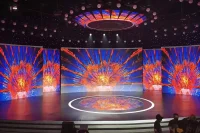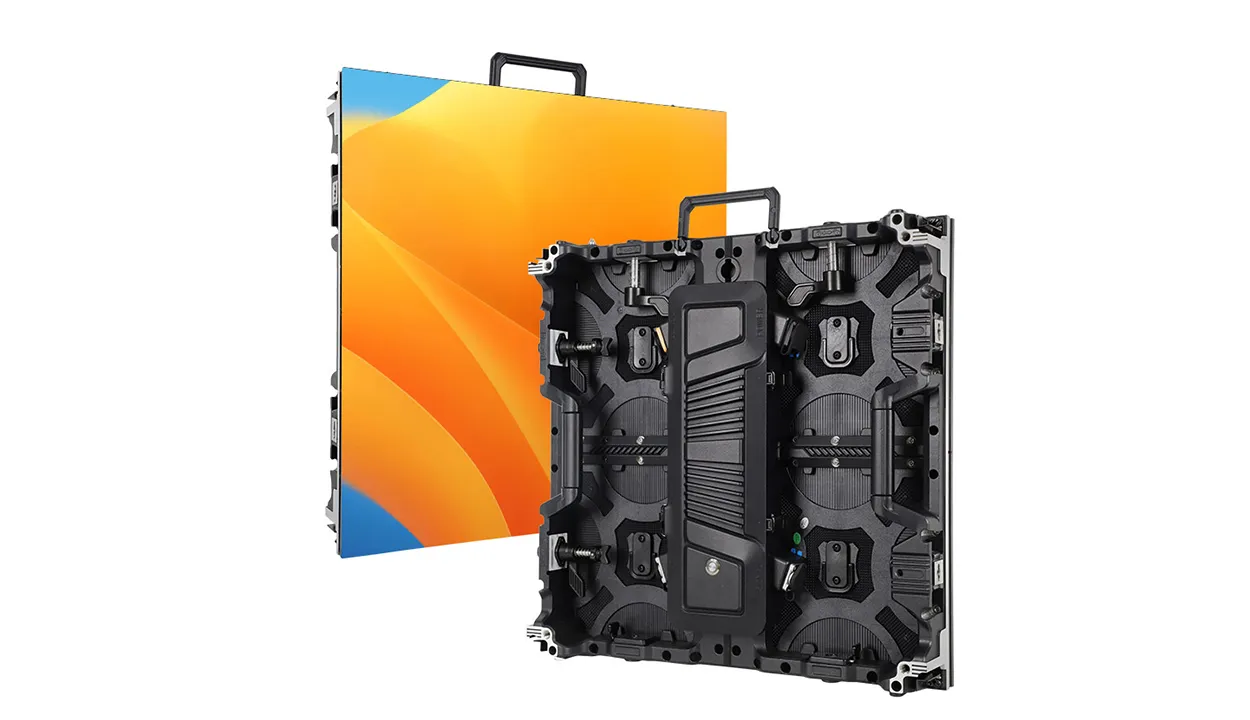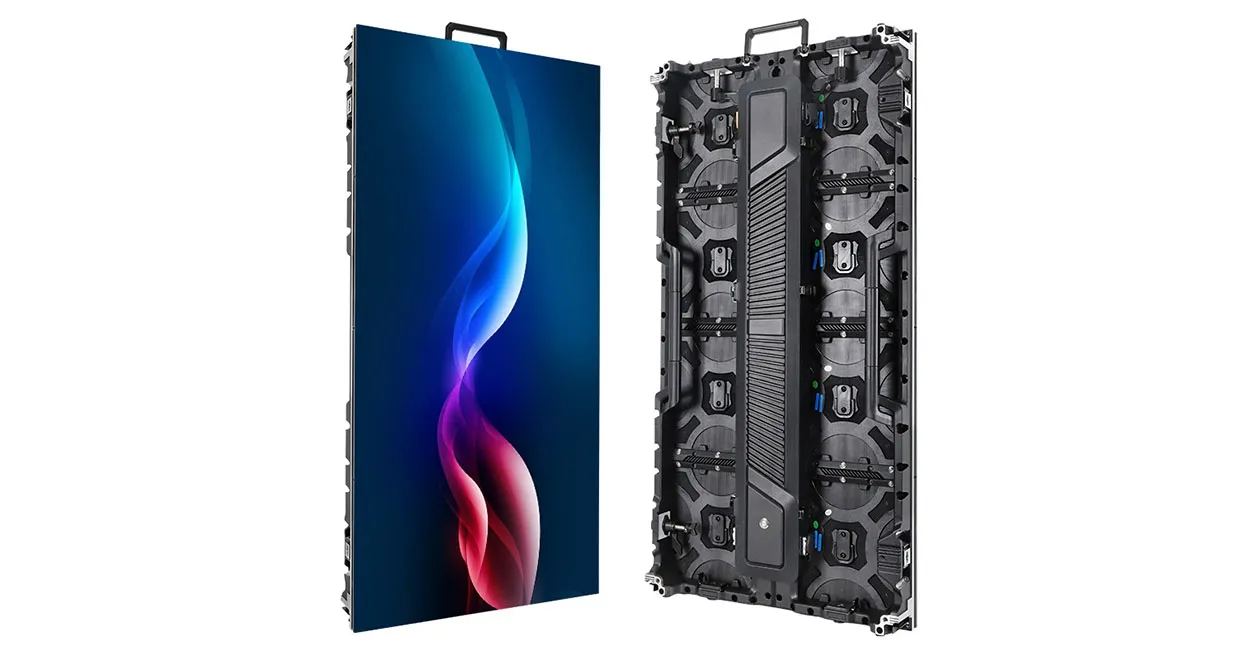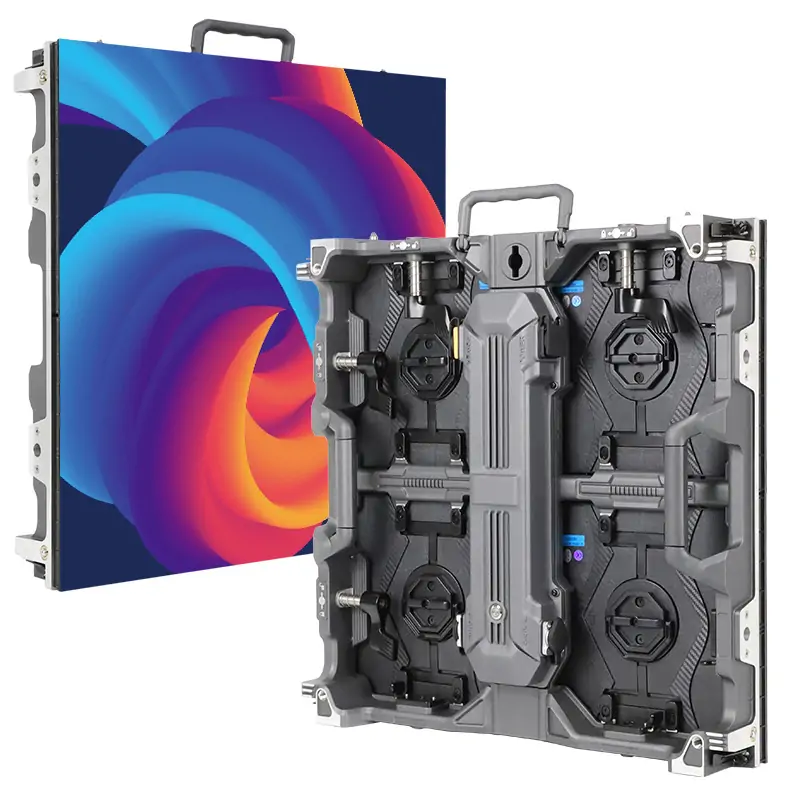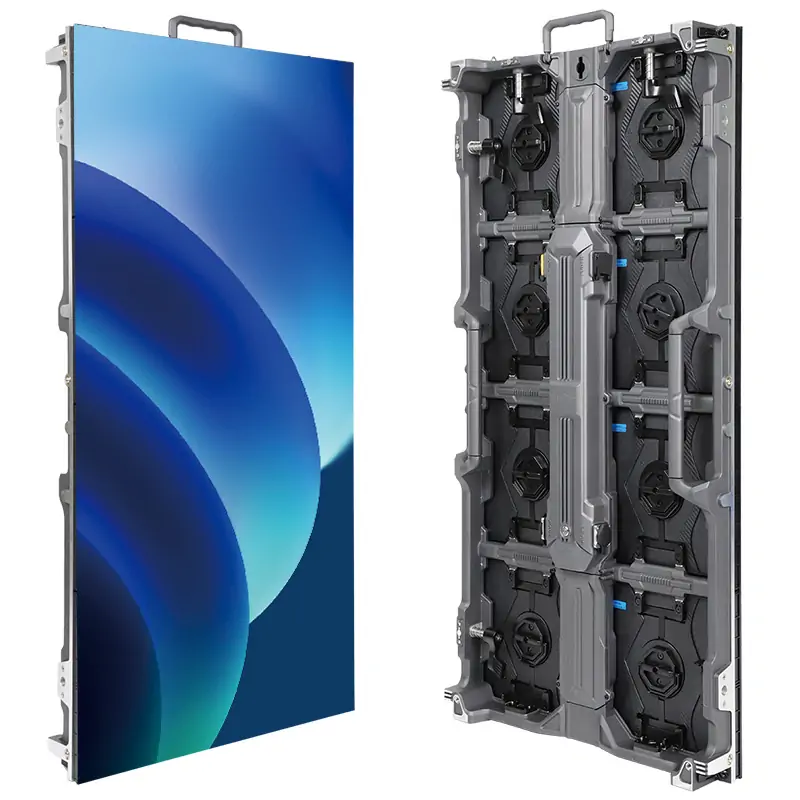
Choose a transparent LED video wall by matching its pixel pitch to viewing distance, brightness to daylight, and construction to the installation. Compare transparency with the screen on and off, confirm service access, then request an itemised installed price. Film, mesh and cabinet systems are not interchangeable.
This guide explains the main formats, specification checks and pricing scope. Product examples are manufacturer-stated specifications, not independent test results. Sources were reviewed on 29 September 2026. EagerLED publishes this guide and supplies the two products featured below.
1. What is a Transparent LED Video Wall?
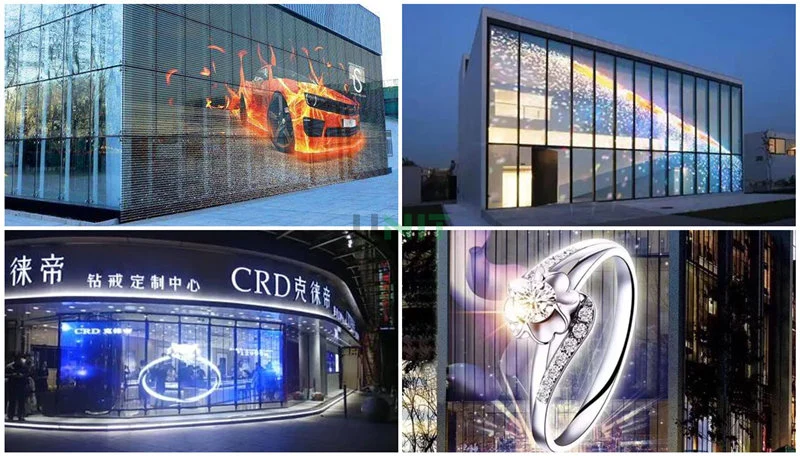
A transparent LED video wall displays content through LEDs arranged on open strips or a transparent substrate. Light and background objects remain visible through the spaces around the LEDs. It is a see-through display, not a fully transparent surface: frames, wiring and active imagery still obstruct part of the view.
Retail windows, glass facades, exhibition stands and stages use these displays where background visibility matters. Transparency varies by model and measurement method. For example, LG’s LTAK140-GU datasheet specifies typical 60% transmittance; a universal 70% or 90% target would exclude some legitimate designs.
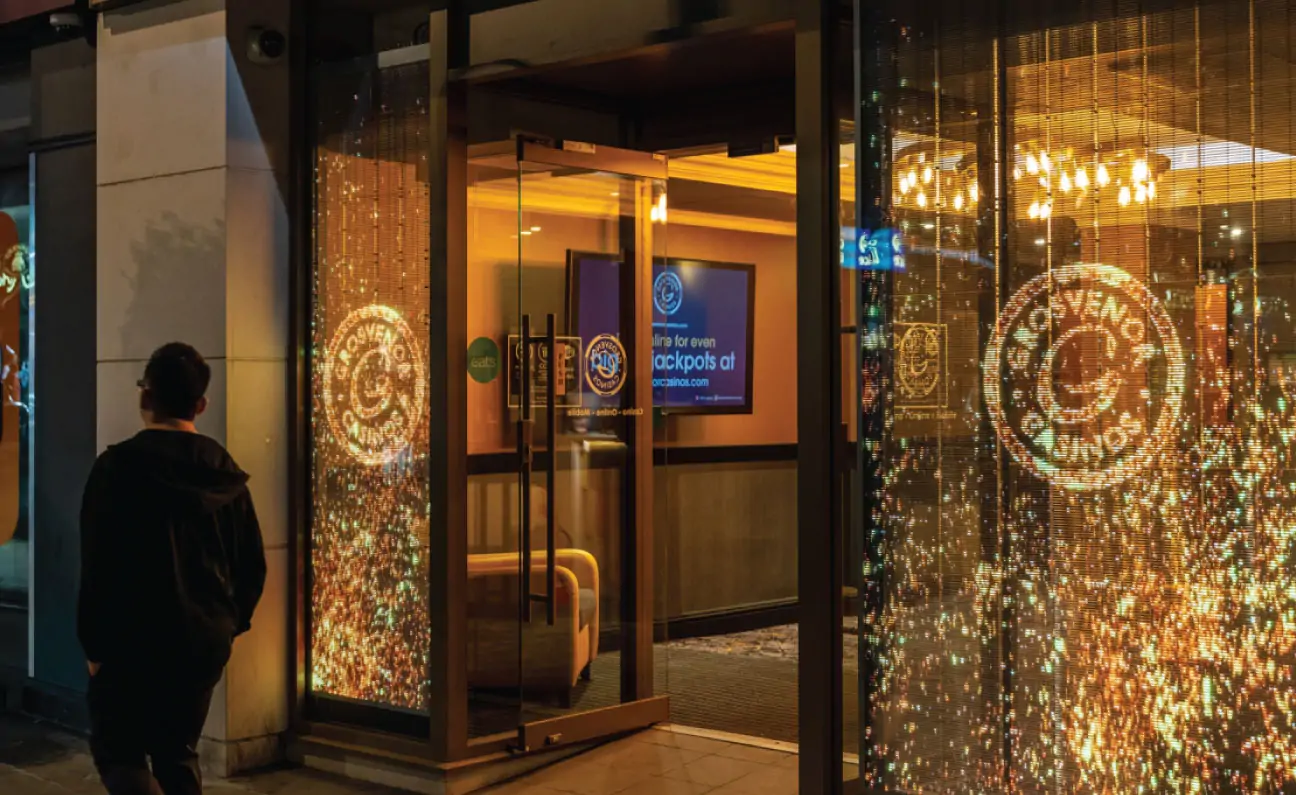
Assess the complete installation through the actual glass. Reflections, window tint, background lighting and mounting hardware affect the result. Ask for a daytime and nighttime demonstration using your content; a promotional photograph cannot establish readability or the amount of daylight retained.
2. Types of Transparent LED Displays
These categories overlap: film describes construction, flexible describes bending capability, and window display describes an application. Choose the exact model and mounting method rather than relying on the category name.
2.1 Transparent LED Film Display
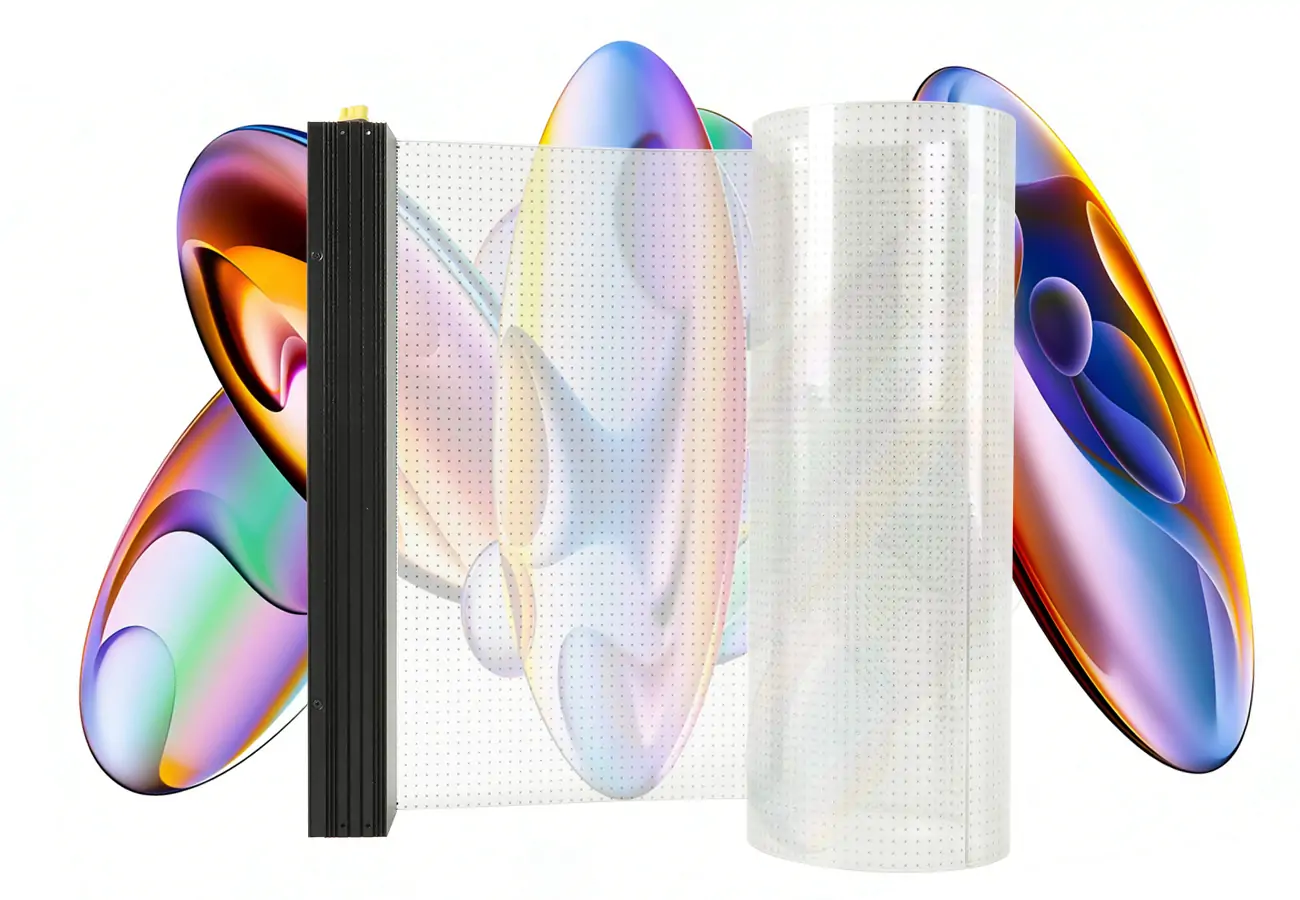
Self-adhesive LED film attaches to compatible glass and can reduce visible framing. It still needs power, controllers, cable routing and careful surface preparation. LG’s linked datasheet specifies indoor-glass installation and notes that installation conditions can be challenging. Confirm glass compatibility, edge connections and replacement procedures before ordering.
2.2 LED Mesh Screen
Open-strip or mesh-style LED screens leave gaps for light and airflow. They suit some facades and stage backdrops, but openness alone does not establish wind resistance or weather protection. Obtain the exact product’s environmental ratings and a structural design for the site.
2.3 Flexible Transparent Film
Flexible film can follow supported curves within its specified bend radius. It cannot automatically fit every column or compound curve. Request the permitted bend direction, minimum radius, cutting zones and connection layout. Test a sample on the proposed glass before approving a custom shape.
2.4 Transparent LED Window Display
A transparent window display may use adhesive film or framed cabinets behind glass. Compare its appearance from the pavement and from inside the shop. Check mullions, reflections, doors and maintenance access; choose content with readable text and clear shapes rather than assuming conventional video will work equally well.
3. How to Choose the Best Transparent LED Video Wall?
The best transparent LED video wall is the one that passes your site and content tests. Record the intended audience, screen dimensions and service conditions before comparing specifications.
3.1 Clarify the Installation Scenario & Application Goals
Prepare one installation brief so every supplier quotes the same requirements:
- Glass facades: Define weather exposure, mounting loads, access and viewing distance.
- Retail windows: Test daylight readability, night dimming and visibility into the shop.
- Exhibitions: Check packing, build time, power and replacement modules.
- Stages: Test with the intended lighting, cameras and content.
- Museums or partitions: Assess noise, heat, reflections and the view through the display.
3.2 Core Technical Indicators You Must Check
(1) Transparency Rate
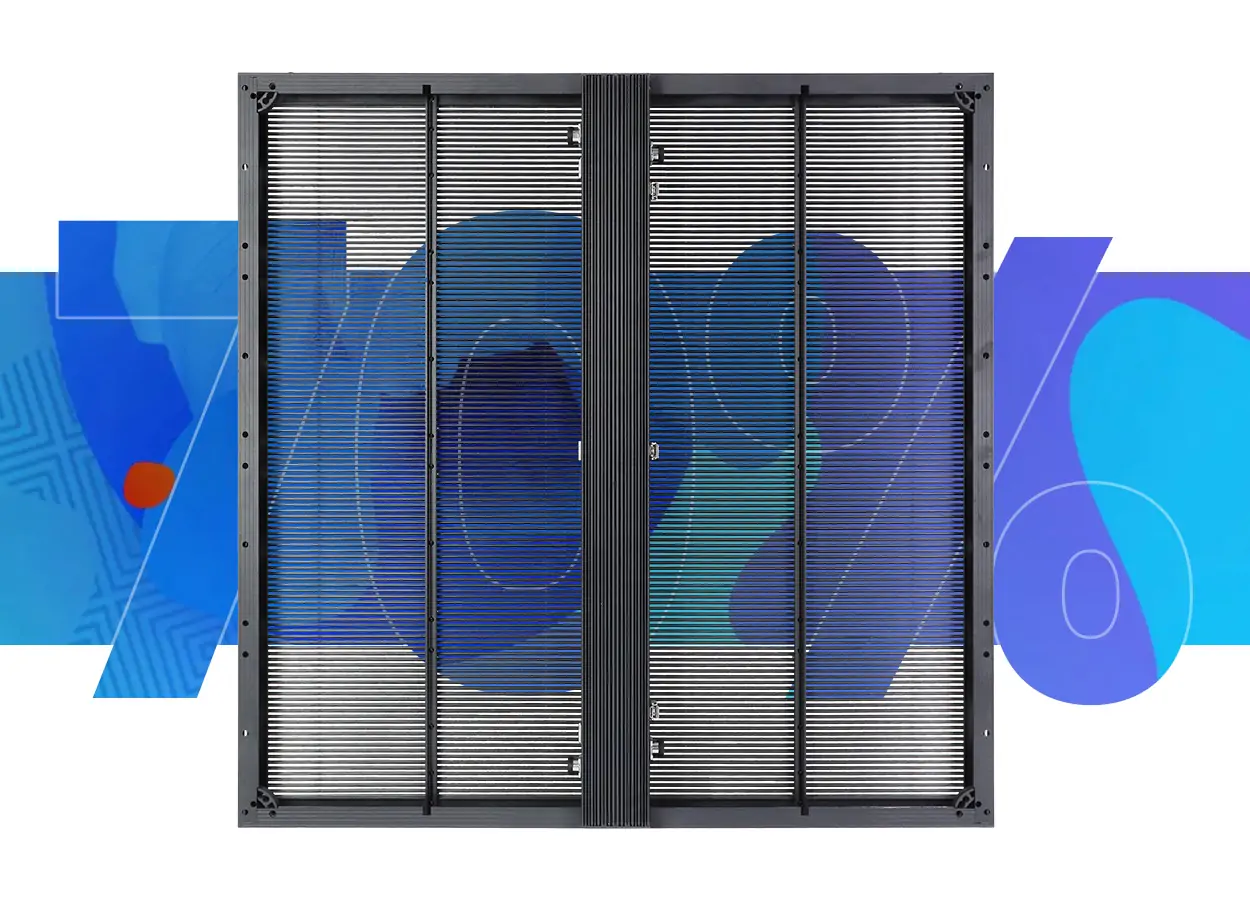
- Ask whether the percentage describes open area or measured optical transmittance, and whether frames are included.
- Compare samples under the same lighting, both powered off and displaying content.
- Balance see-through visibility with pixel density and readable text.
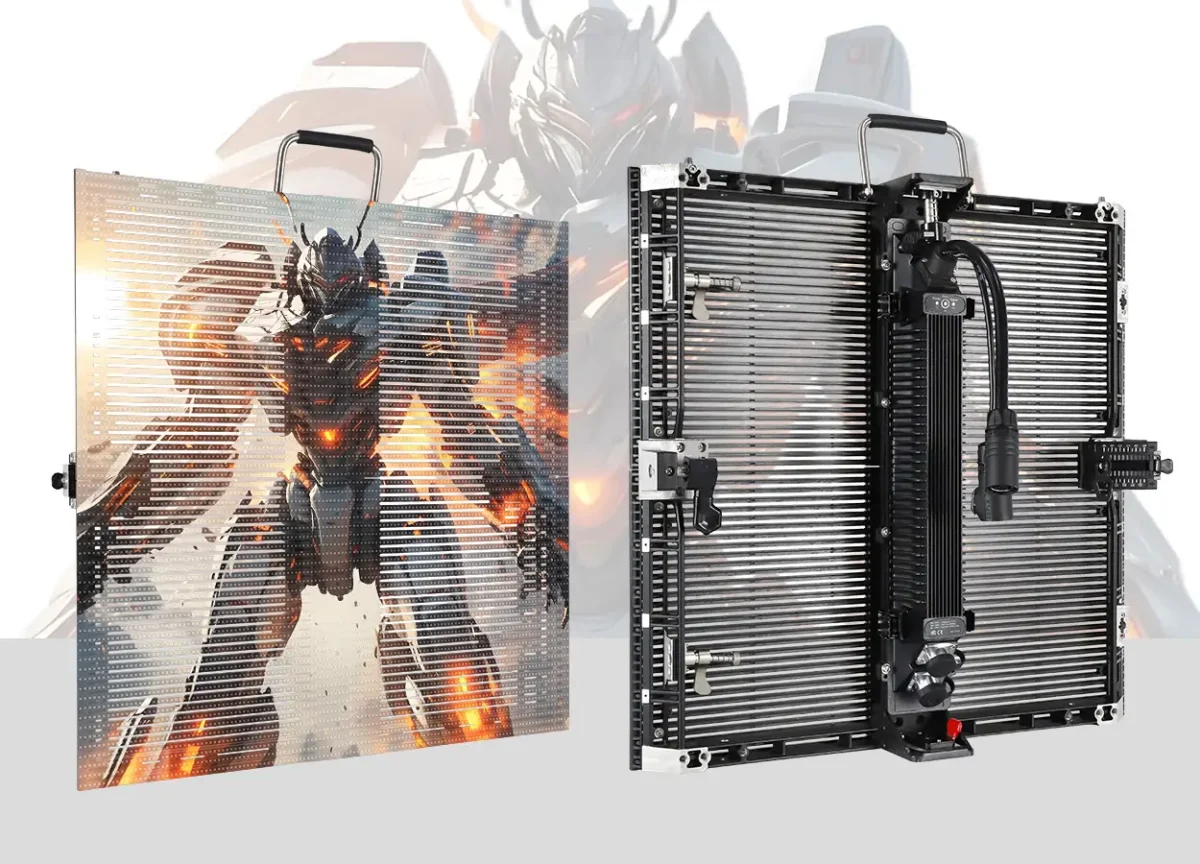
The retained illustration shows a “70%” graphic behind a cabinet. It is illustrative, not a verified rating for every model.
(2) Pixel Pitch (Resolution)
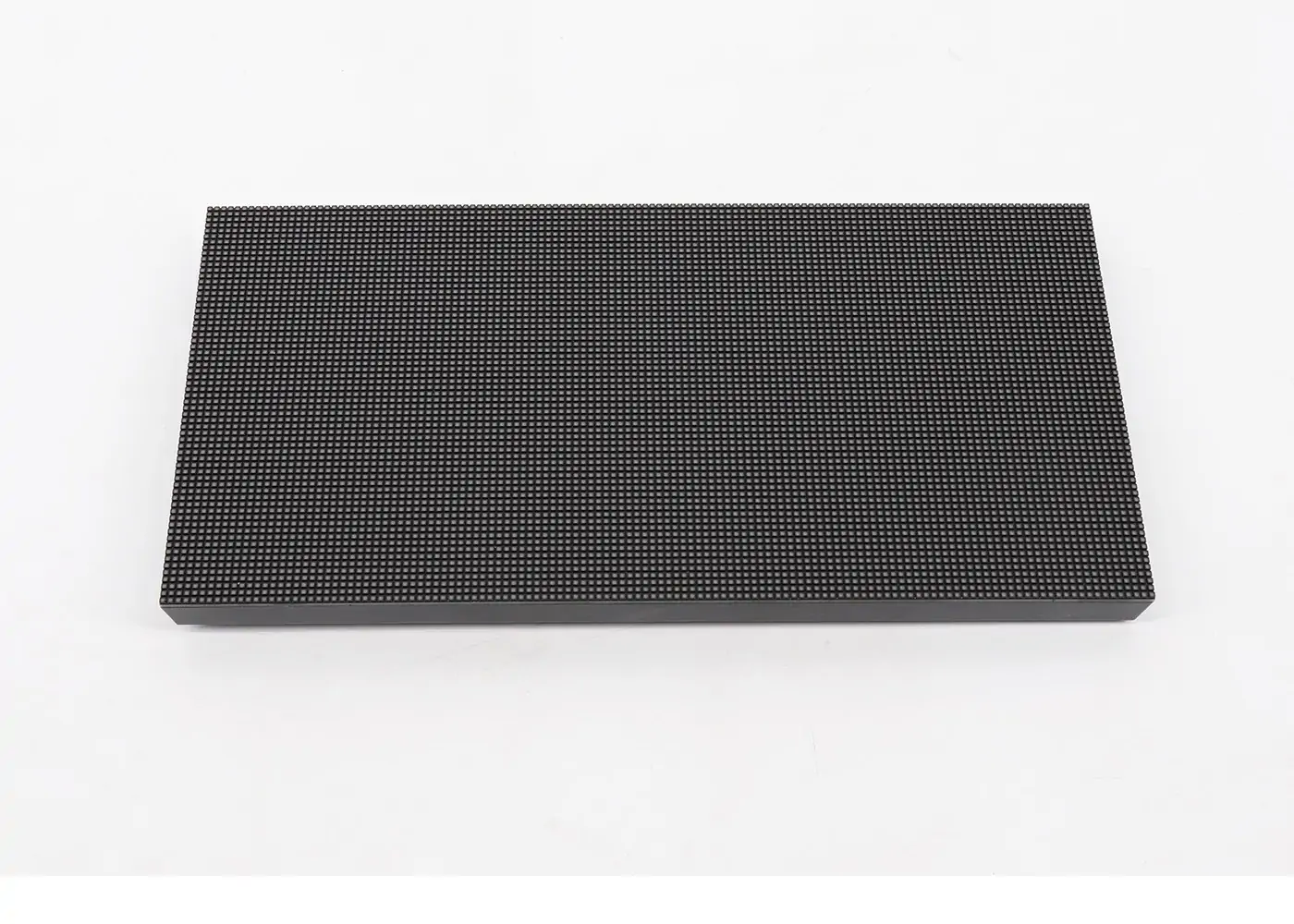
Request horizontal and vertical pitch: transparent displays can use different spacing in each direction. Smaller pitch provides more pixels at the same physical size.
- Check final pixel dimensions with our LED screen resolution guide.
- Demonstrate the smallest text at the nearest viewing position.
- Treat distance-to-pitch rules as rough screening tools, not acceptance criteria. Christie’s LED guide also discusses the trade-off between pitch, viewing distance and cost.
(3) Brightness
- Compare brightness in nits (cd/m²) under stated test conditions.
- LG’s linked film example specifies 1,000 nits; EagerLED’s linked EA1000TOF2 page lists 4,500 cd/m². These are model examples, not universal indoor/outdoor thresholds.
- Test through the actual glass in the strongest expected daylight.
- Specify dimming for evening use and compare power at the intended operating brightness.
(4) Refresh Rate & Grayscale
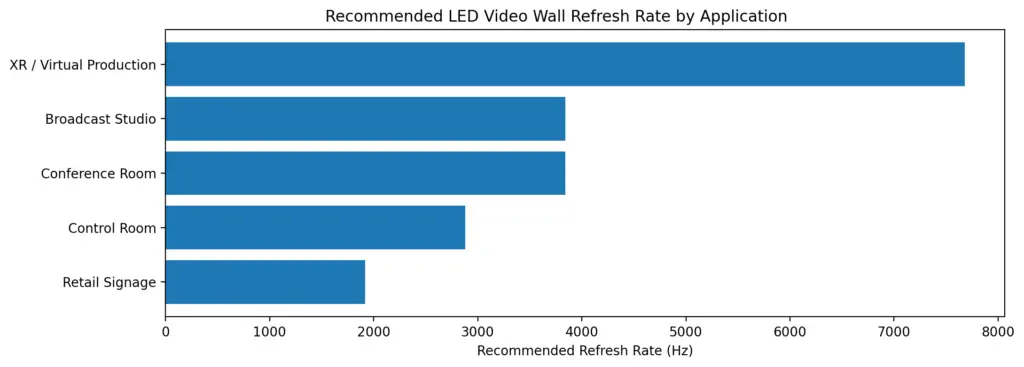
The chart above suggests approximately 1,900 Hz for retail, 2,900 Hz for control rooms, 3,800 Hz for conference rooms and broadcast, and 7,700 Hz for XR. These are approximate readings from an illustrative chart, not technical standards.
- Refresh rate alone cannot guarantee camera-safe output. Brompton’s ShutterSync explanation describes matching LED refresh timing to camera shutter settings.
- Test motion, dark gradients and camera exposure with the proposed processor and panels. A bit-depth claim alone does not establish usable grayscale at low brightness.
(5) Viewing Angle
Ask for horizontal and vertical viewing angles and the measurement criterion. Inspect the screen from the sides and from above or below at realistic positions. Strip orientation, glass reflections and mounting depth can affect visibility; a wide advertised angle does not guarantee consistent contrast everywhere.
3.3 Structural & Installation Compatibility
(1) Transparent LED Panel Type
- Glass-mounted film: Confirm adhesive compatibility, preparation and cable access.
- Strip or mesh systems: Check support points and permitted curvature; not every strip system bends.
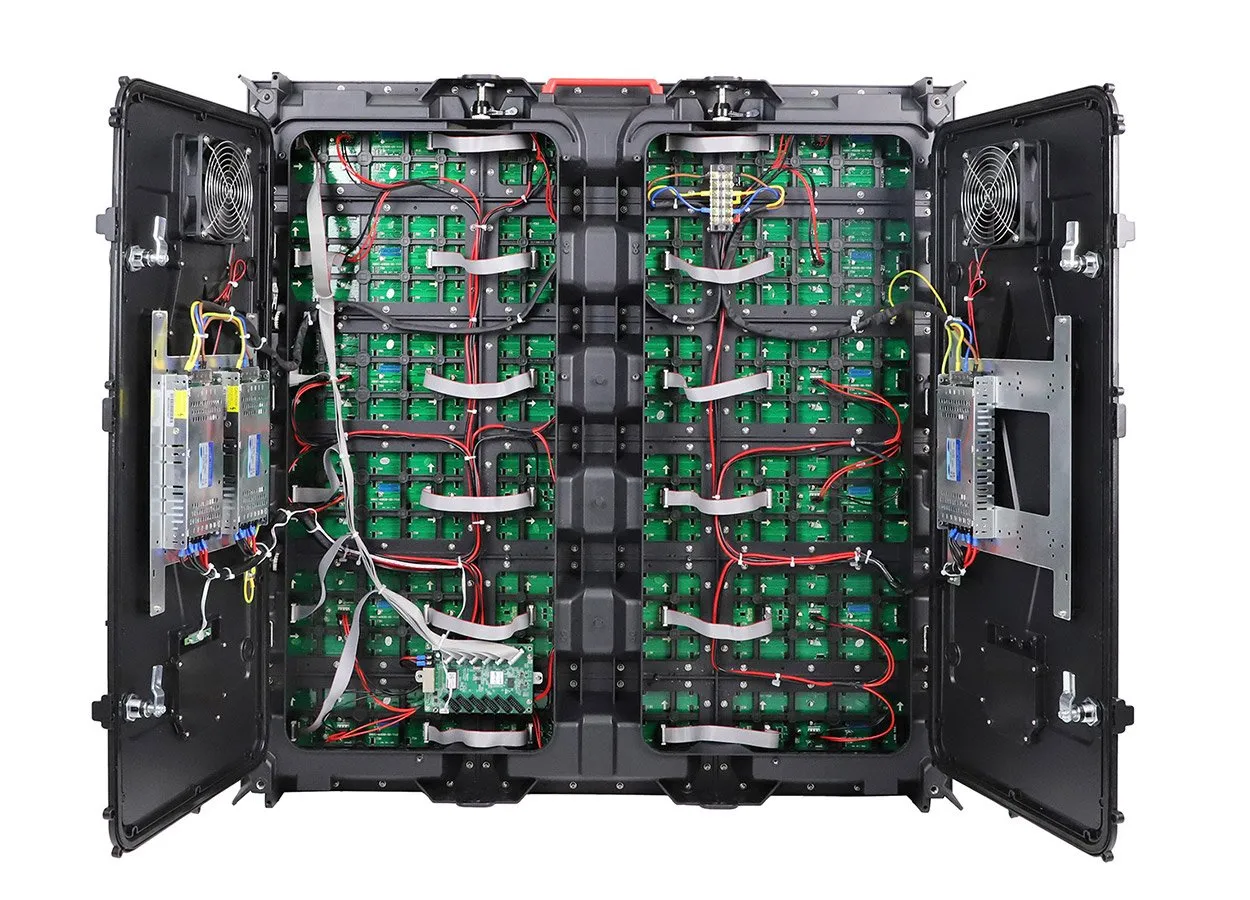
- Cabinet systems: Confirm fixed-installation or rental suitability and the exact outdoor rating.
(2) Thickness & Weight
- Compare the complete assembly, including frames, controllers, cables and power supplies.
- There is no universal 8–12 mm thickness: the linked EA1000TOF2 cabinet is specified at about 80 mm.
- Have mounting loads and glass compatibility checked for the installation.
(3) Heat Dissipation & Power Supply
Request maximum electrical load, measured operating consumption and ventilation requirements. Keep power supplies accessible and within their specified temperature limits.
- For weather exposure, confirm front and rear protection, connectors, drainage and operating temperatures.
- IEC’s IP-code explanation distinguishes solid-object and water protection. An IP rating does not certify wind resistance or every weather condition.
3.4 Color Performance & Contrast
- Test brand colours, skin tones and gradients using your actual content.
- Assess contrast against the real background: unlit areas reveal the scene behind the transparent display rather than an opaque black surface.
- Check uniformity across modules at daytime and evening brightness.
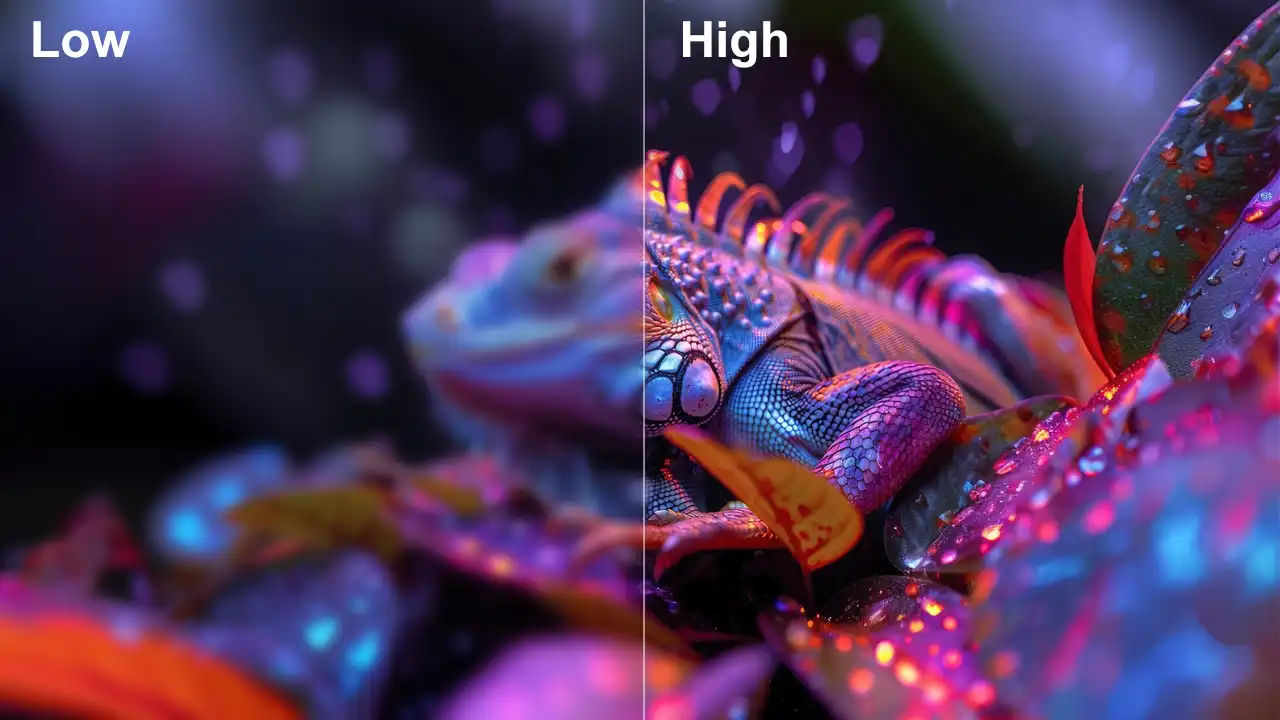
The “Low/High” chameleon image is a visual illustration, not a measured comparison between specified products.
3.5 Maintenance & Reliability
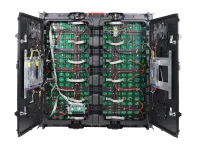
- Service access: Demonstrate how a failed module or film section is replaced without obstructing doors or damaging glass.
- Spares: Agree stock, calibration data and replacement lead times.
- Lifespan: Ask for the definition and test conditions; LED brightness life is not a complete-system guarantee.
- Warranty: Confirm duration, exclusions, labour, freight and local support in writing.
3.6 Budget & Total Cost of Ownership
Compare costs over your intended ownership period:
- Electricity at measured operating power and hours.
- Installation, access equipment and commissioning.
- Cleaning, replacement parts and labour.
- Expected component replacement and downtime.
- Software licences and service agreements.
4. A Reliable Transparent LED Screen Manufacturer in China
EagerLED’s company profile identifies a Shenzhen-based LED display manufacturer established in 2009. Its range includes transparent displays, rental systems and commercial advertising screens. This section presents the publisher’s own products; assess them against the same specification and service brief as other suppliers.
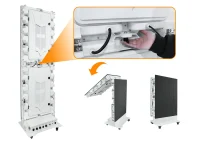
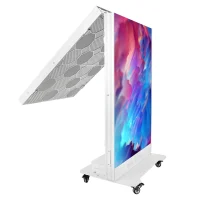
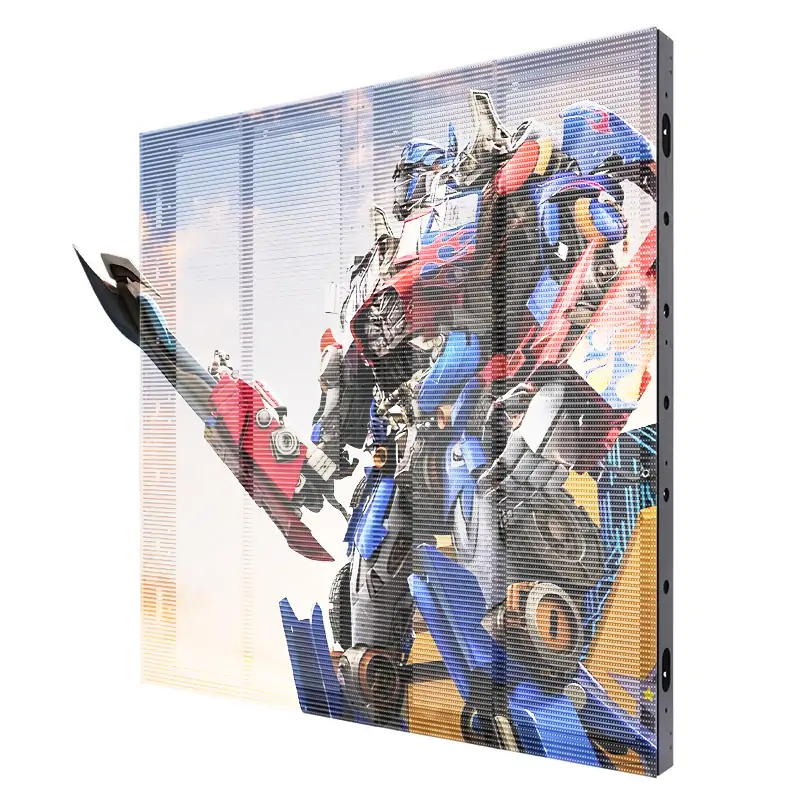
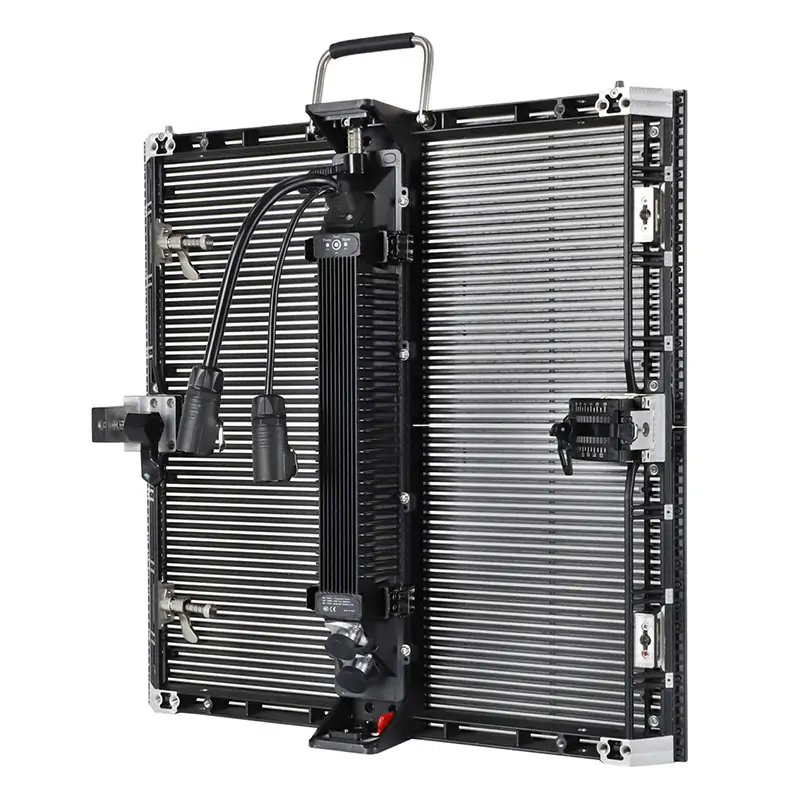
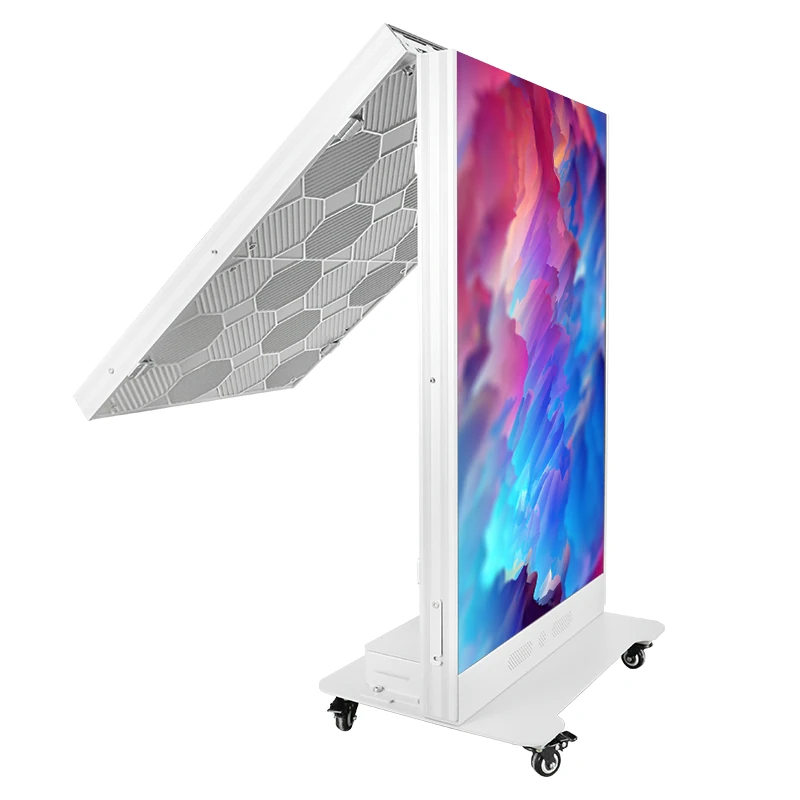
The EA1000TOF2 product page describes a fixed outdoor system with 60% transparency, 4,500 cd/m² brightness and an IP65 rating. The EA500TOR1 page describes an outdoor rental cabinet, 500 × 500 mm, with up to 60% transparency and IP65 protection. Confirm the exact configuration, supporting documents, installation scope and warranty in your quotation.
Compare the two product formats below; follow each link for its published specifications.
5. Transparent LED Display Price Guide
Transparent LED display prices need a defined scope. Separate the screen body from a complete installed system, and compare the same size, pitch, brightness, processing and support package.
5.1 Key Factors That Affect Price
- Pixel pitch: Finer spacing increases pixel count at the same area; compare equivalent constructions.
- Brightness: Specify the required operating output and dimming controls.
- Transparency: Compare measurement methods; a higher percentage does not predict price by itself.
- Cabinet design: Include frames, locks, service access and transport cases where needed.
- Control system: Name the processor, receiving cards and software.
- Customization: Price special dimensions, curves and engineering separately.
5.2 Additional Project Costs
- Structure and mounting: Include design, brackets and site access.
- Processing and software: Identify included hardware and recurring licences.
- Delivery: State freight, insurance, duties and tax treatment.
- Installation: Obtain a site-specific labour and commissioning quote; do not assume a fixed percentage.
- Operation: Estimate electricity from measured load, hours and local tariff.
- Maintenance: Include spares, call-outs and replacement labour.
5.3 Price Examples and Quotation Scope (2026)
As one manufacturer’s reference, DOIT VISION’s film price guide, updated 8 September 2026, lists these approximate screen-body prices:
- P20 film: US$740/m².
- P10 film: US$1,120/m².
- P5 film: US$2,220/m².
These are that supplier’s EXW Shenzhen reference figures, not an EagerLED quotation or an industry average. They exclude controllers, cabling, installation and shipping. Request dated quotes for your specification; outdoor cabinet systems need separate pricing.
6. FAQs
7. Conclusion
Choose a transparent LED video wall through a documented comparison: site conditions, viewing distance, content, transparency, service access and installed cost. Approve a sample or demonstration under representative lighting before committing. Keep the accepted specification, drawings, test results and support terms with the purchase agreement.
For an EagerLED proposal, provide the installation location, glass dimensions, indoor or outdoor exposure, nearest viewing distance and sample content. Include photographs of mounting and service access so the proposed system can be checked against the space.
Contact EagerLED through the project enquiry form for a configuration and itemised quotation. Confirm which local installation and maintenance services are included.
 2026 Top 12 LED Video Wall Suppliers in Germany
 4K UHD vs QLED: Key Differences & Which is Better?(2026)
Related Posts
Fill In Your Needs In Detail
Fill in the screen usage scene and size you need in “Content”.You will get a quote.