LED technology has become a foundation of modern visual communication, shaping how businesses and people share information. From transparent LED displays to 3D LED screens and floor LED screens, the possibilities are broader than ever. Each format solves a different problem: one keeps glass storefronts open and bright, one turns a flat surface into a naked-eye 3D experience, and one turns the floor itself into a display. This guide explains how each type works, where it is used, and what to check before you invest.
1. What Are Transparent LED Displays?
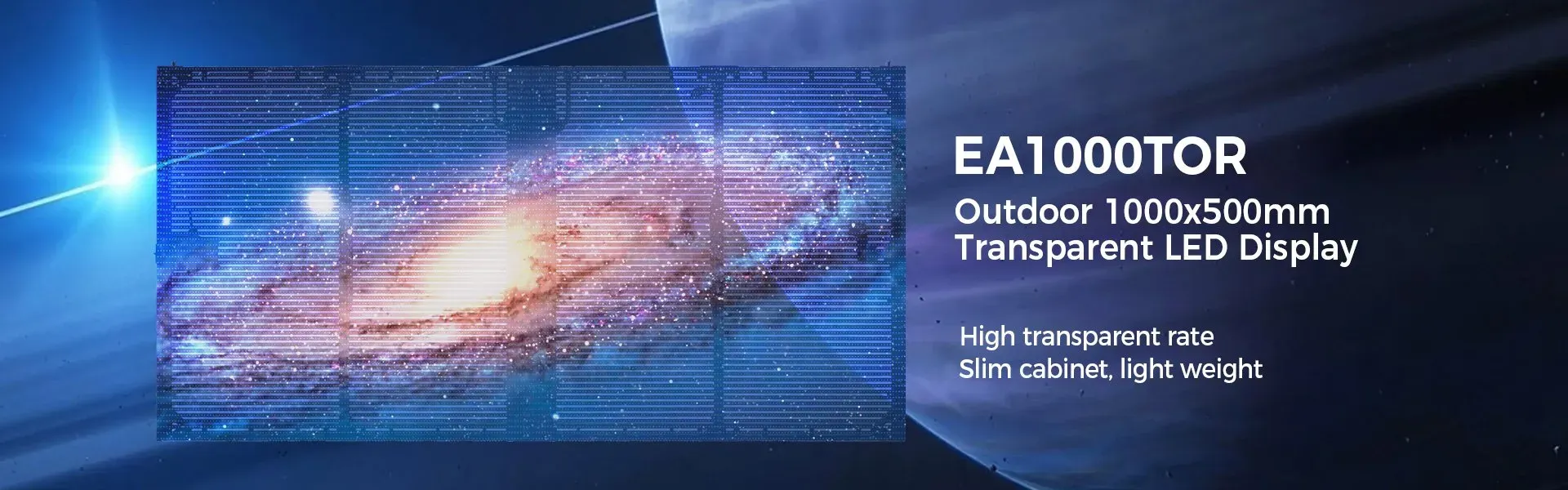
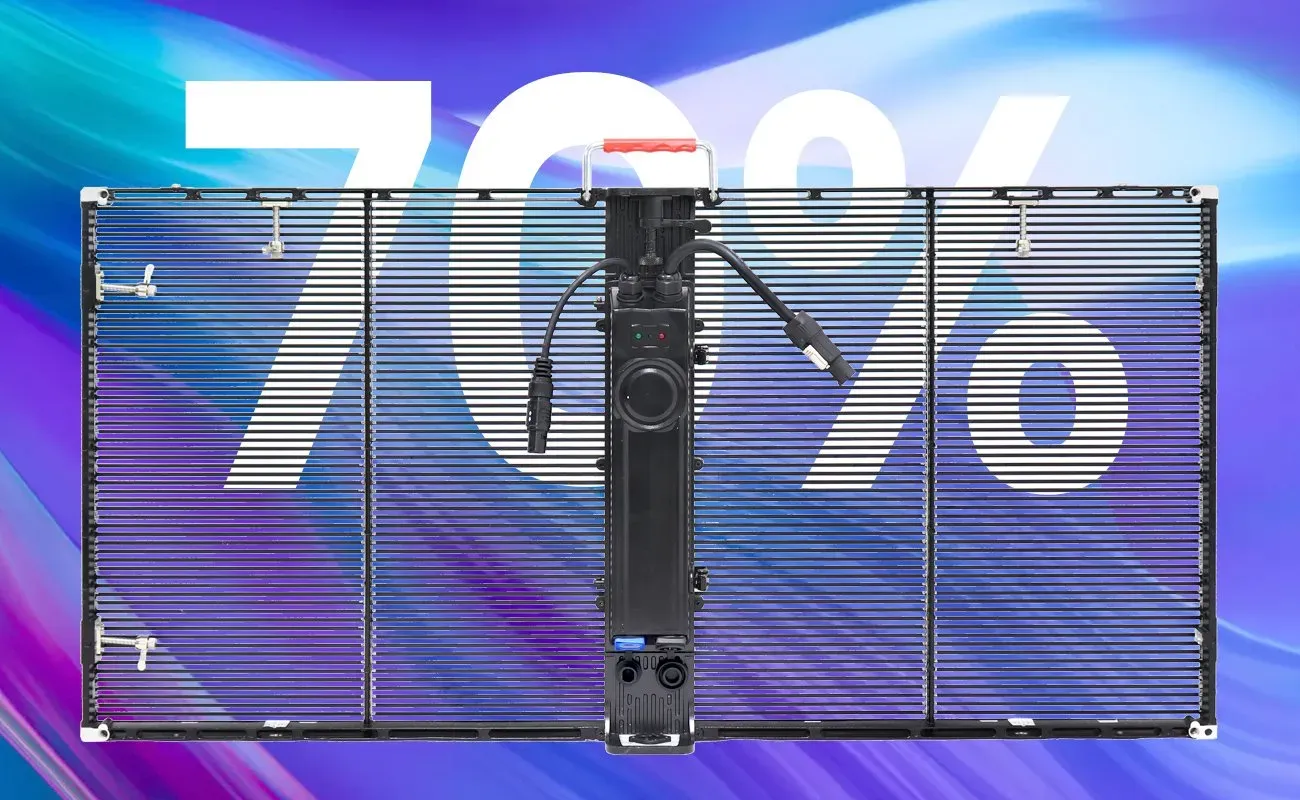
Transparent LED displays combine high-resolution imagery with a see-through structure. Because light passes through the panel, you can play dynamic content on glass while still seeing what is behind it. Transparency levels of up to 90% mean the display integrates into glass facades, shop windows and architectural features without turning them into solid walls.
1.1 Features of Transparent LED Displays
High Transparency: Allows natural light and visibility to pass through the display.
Lightweight Design: Simple to install and maintain.
Energy Efficient: Consumes less power compared to conventional LED displays.
Customizable Sizes: Available in different shapes and dimensions to fit specific applications.
1.2 Applications of Transparent LED Displays
Retail Stores: Show products with eye-catching visuals without blocking the view inside the store.
Corporate Environments: Add a contemporary touch to office spaces and conference rooms.
Architectural Integration: Enhance glass buildings with digital creativity.
Events and Exhibitions: Attract attention with visually striking displays.
1.3 How to Select the Right Transparent LED Display
Choosing the right transparent LED display depends on your specific needs and project requirements. Consider the following factors:
Resolution: High-resolution displays offer better picture quality, but they may come at a higher cost.
Size and Shape: Make sure the display fits your planned space and design.
Brightness: Outdoor displays require higher brightness levels to compete with sunlight.
Installation Environment: Whether indoors or outdoors, choose a model that suits your environment.
Content Management System (CMS): Look for displays that work with a user-friendly CMS for consistent content control.
2. Uses and Benefits of Transparent LED Displays
Transparent LED displays are changing the digital signage landscape with their ability to combine high-resolution visuals with a see-through structure. These displays offer a modern, uncluttered look that suits a wide range of applications across industries. Below are the key uses and benefits of transparent LED displays:
2.1 Uses of Transparent LED Displays
a. Retail Environments
Product Showcases: Transparent LED displays are ideal for retail stores, letting brands present eye-catching messaging and product information on glass windows while keeping the interior of the store visible.
Interactive Displays: They can serve as interactive touchpoints for customers, improving the shopping experience.
b. Corporate and Office Spaces
Conference Rooms: Use them for presentations or digital signage in meeting rooms to add a modern, contemporary touch.
Branding Walls: Create digital branding walls that blend into the architecture without blocking natural light.
c. Exhibitions and Trade Shows
Dynamic Booths: Transparent LED screens are used in exhibition booths to display eye-catching visuals that draw in visitors while keeping the booth open and spacious.
Interactive Demos: Enable interactive product demonstrations with visually engaging graphics.
d. Architectural Applications
Building Facades: Add striking digital artwork or advertising content to building exteriors without blocking views or daylight.
Glass Partitions: Integrate transparent displays into glass partitions to create multi-purpose, visually engaging spaces.
e. Entertainment and Events
Stage Backdrops: Create distinctive, visually striking stage backdrops that enhance the performance while keeping an open feel.
Event Branding: Display logos, motion graphics and video in real time during concerts, festivals and conferences.
2.2 Benefits of Transparent LED Displays
a. Improved Aesthetics
Modern Design: The see-through nature of these displays blends into modern architectural plans, creating a contemporary visual experience.
Minimal Visual Disturbance: They preserve the overall look and feel of a space while adding digital functionality.
b. Space Efficiency
Transparent LED screens don’t block views or natural light, which makes them ideal for spaces where openness is essential.
c. Energy Efficiency
These displays consume less power compared to conventional LED screens, making them eco-friendly and cost-effective over the long term.
d. Customizability
Transparent LED displays come in different shapes, sizes and configurations, so they can be tailored to fit a specific project.
e. High Visibility
Bright and Clear: They offer high brightness and clear visuals even in sunlight, so content remains impactful in any setting.
Dual Purpose: They serve as both a display screen and a transparent surface, adding functionality without giving up design.
f. Easy Installation and Maintenance
Their lightweight, modular design supports straightforward installation and reduces maintenance complexity.
g. Enhanced Engagement
These displays capture attention with eye-catching content, boosting audience engagement and delivering a more immersive experience.
h. Increased ROI for Businesses
By combining functionality with cutting-edge design, transparent LED displays drive foot traffic, improve brand visibility, and contribute to higher sales and customer satisfaction.
3. What Are 3D LED Screens?
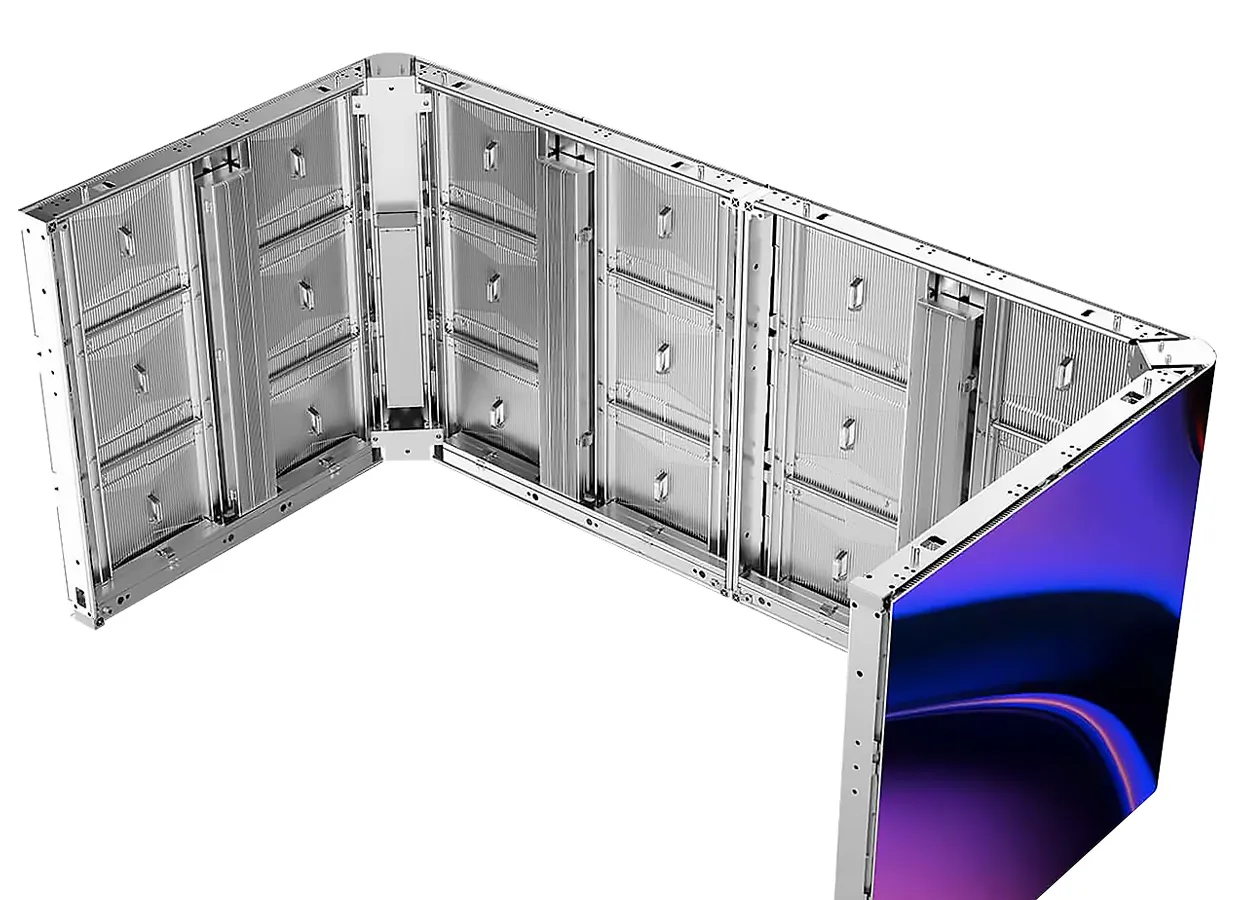
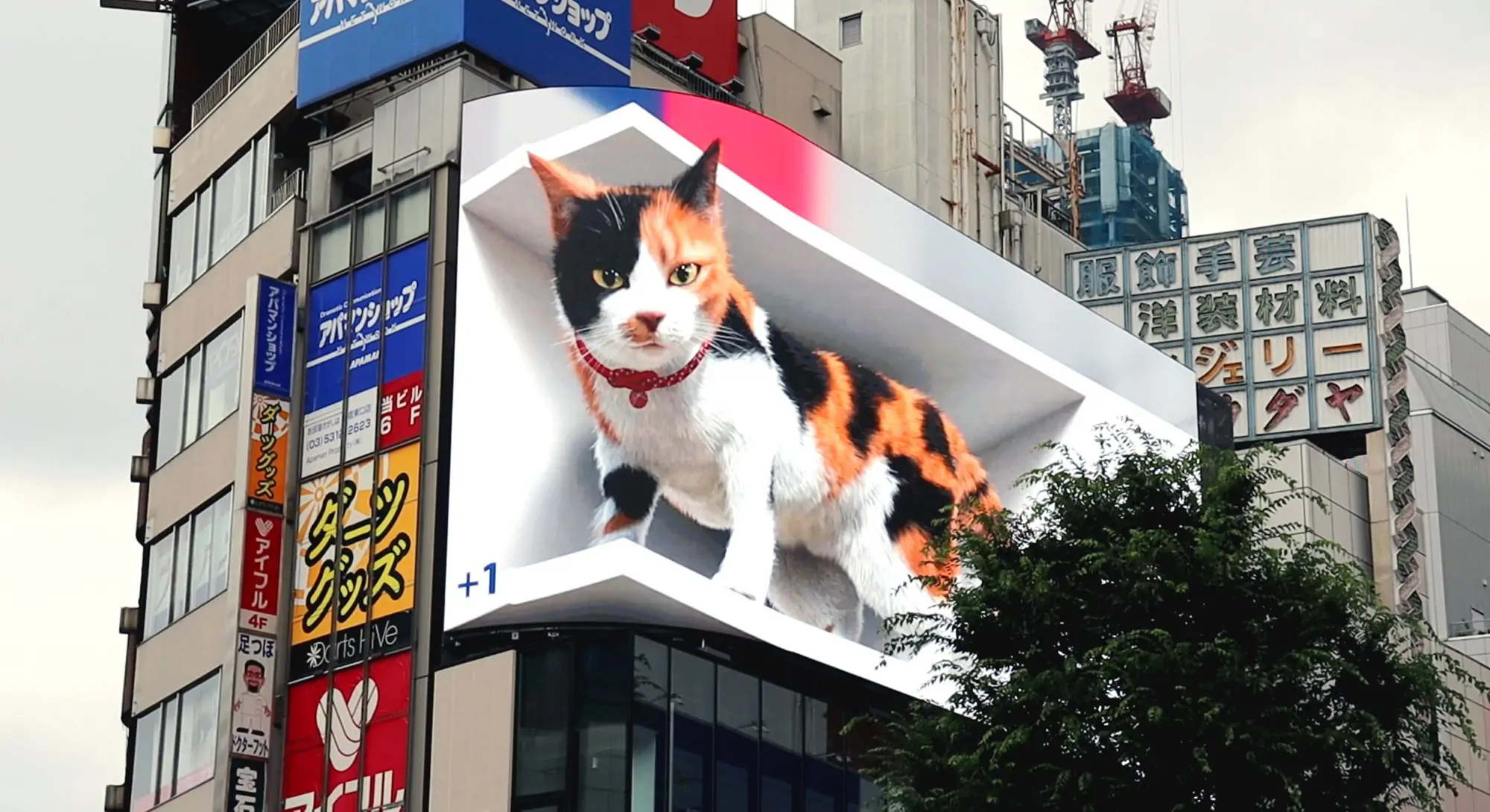
3D LED screens bring content to life with striking depth and realism. Using advanced visual technology, these screens create an immersive experience that captivates audiences like never before. Ideal for advertising, entertainment and interactive displays, 3D LED screens redefine engagement.
3.1 Features of 3D LED Screens
Immersive Viewing: Delivers a 3D experience without the need for special glasses.
Wide Viewing Angles: Keeps content visible from different positions.
High Brightness and Contrast: Produces distinctive colors and sharp details.
Customizable Options: Tailored to fit specific creative concepts.
3.2 Applications of 3D LED Screens
Advertising: Turn conventional advertisements into captivating 3D visuals.
Entertainment: Create engaging experiences for concerts, theatres and theme parks.
Gaming: Improve gameplay with immersive displays.
Education and Training: Explain complex concepts with visual aids.
3.3 How to Use 3D LED Screens Effectively
Getting the most out of 3D LED screens takes creativity and technical precision. Here’s how:
Invest in Quality Content: Compelling 3D visuals are essential for creating impactful experiences.
Understand Your Audience: Tailor content so it resonates with your target viewers.
Optimize Placement: Install screens in high-traffic areas for maximum exposure.
Use Interactive Features: Add touch or motion-sensing technology for improved engagement.
Regular Maintenance: Keep screens in ideal condition to protect lifespan and performance.
4. Uses and Benefits of 3D LED Screens
3D LED screens are changing visual experiences by delivering striking, precise imagery that captures attention and immerses viewers in a new dimension of digital storytelling. Their ability to convey depth and realism makes them valuable across a range of industries.
4.1 Uses of 3D LED Screens
a. Advertising and Marketing
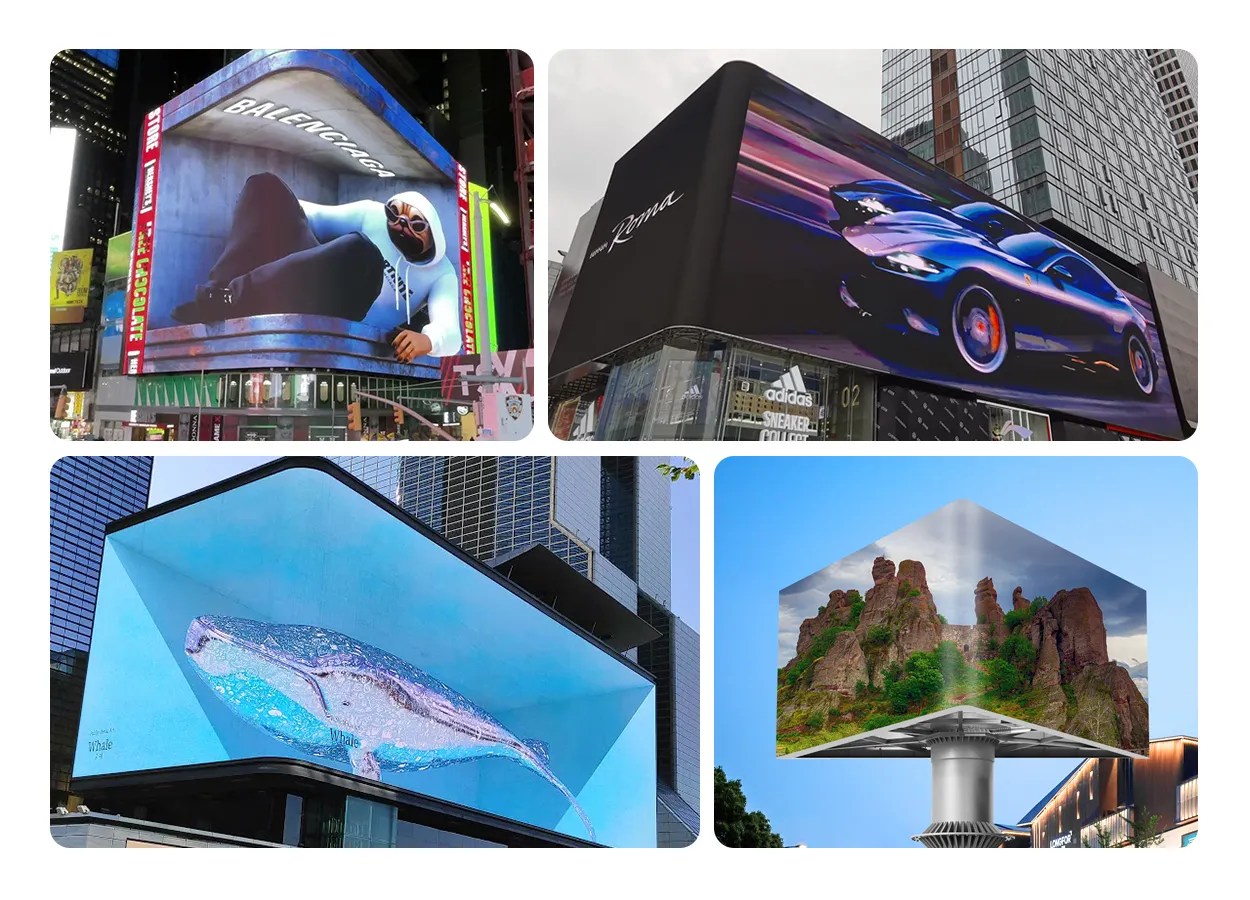
Used in shopping malls, public spaces and outdoor billboards to create captivating ads that stand out.
Strengthen brand storytelling with engaging 3D content.
b. Entertainment and Events
Ideal for concerts, theatre productions and live shows, providing an eye-catching visual backdrop.
Used in theme parks and museums to create immersive guest experiences.
c. Corporate and Retail
Showcase products or services in retail stores with lifelike 3D visuals.
Enhance presentations in corporate settings with visually striking graphics.
4.2 Benefits of 3D LED Screens
Enhanced Engagement: Captures attention and leaves a lasting impression with striking visuals.
Versatility: Supports a range of applications, from branding to education.
Customizable: Available in different sizes and configurations to fit specific needs.
High Definition: Delivers crystal-clear, immersive visuals that resonate with audiences.
Innovation Appeal: Sets businesses apart by showcasing modern, cutting-edge technology.
3D LED screens combine creativity and practicality, making them a powerful tool for communication and engagement in today’s digital age.
5. What Are Floor LED Screens?
Floor LED screens are robust, high-tech displays designed for flooring applications. They use strong materials that withstand foot traffic while providing striking visuals underfoot. Ideal for events, exhibitions and interactive spaces, a floor LED screen adds an eye-catching layer to conventional environments.
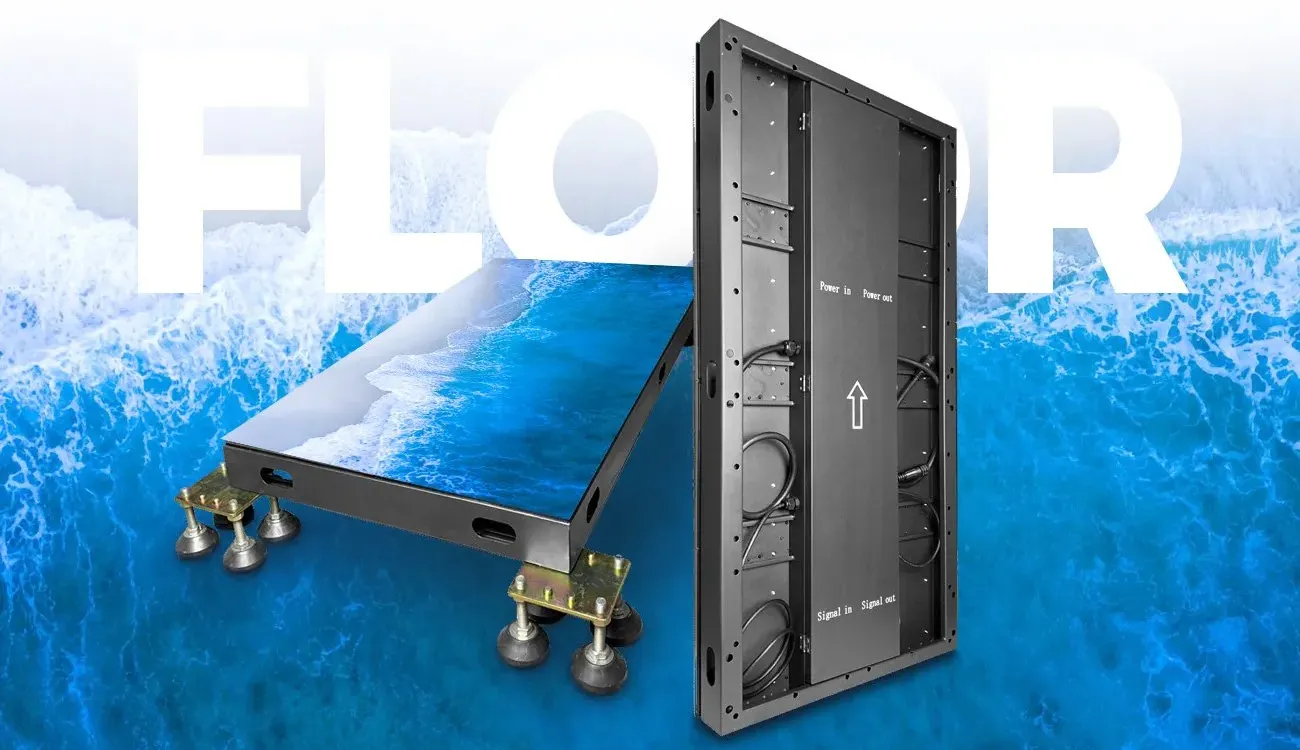
5.1 Features of Floor LED Screens
Durability: Built to handle heavy use without compromising performance.
Interactive Capabilities: Some models include touch or motion-sensitive technology.
High Load Capacity: Supports significant weight without damage.
Customizable Formats: Adaptable to different layouts and designs.
5.2 How to Maintain Floor LED Screens
Maintaining floor LED screens is essential to their performance and lifespan. Follow these tips:
Regular Cleaning: Remove dirt and debris to keep the display clear and bright.
Inspect for Damage: Check for cracks or wear and tear.
Follow Weight Limits: Avoid exceeding the stated load capacity.
Software Upgrades: Keep the control system updated for optimal performance.
Professional Servicing: Schedule regular maintenance with qualified technicians.
6. Uses and Benefits of Floor LED Screens
Floor LED screens are creative digital displays built to be durable and interactive, which makes them ideal for creating immersive, engaging environments. Their position underfoot adds an eye-catching dimension to a wide range of applications.
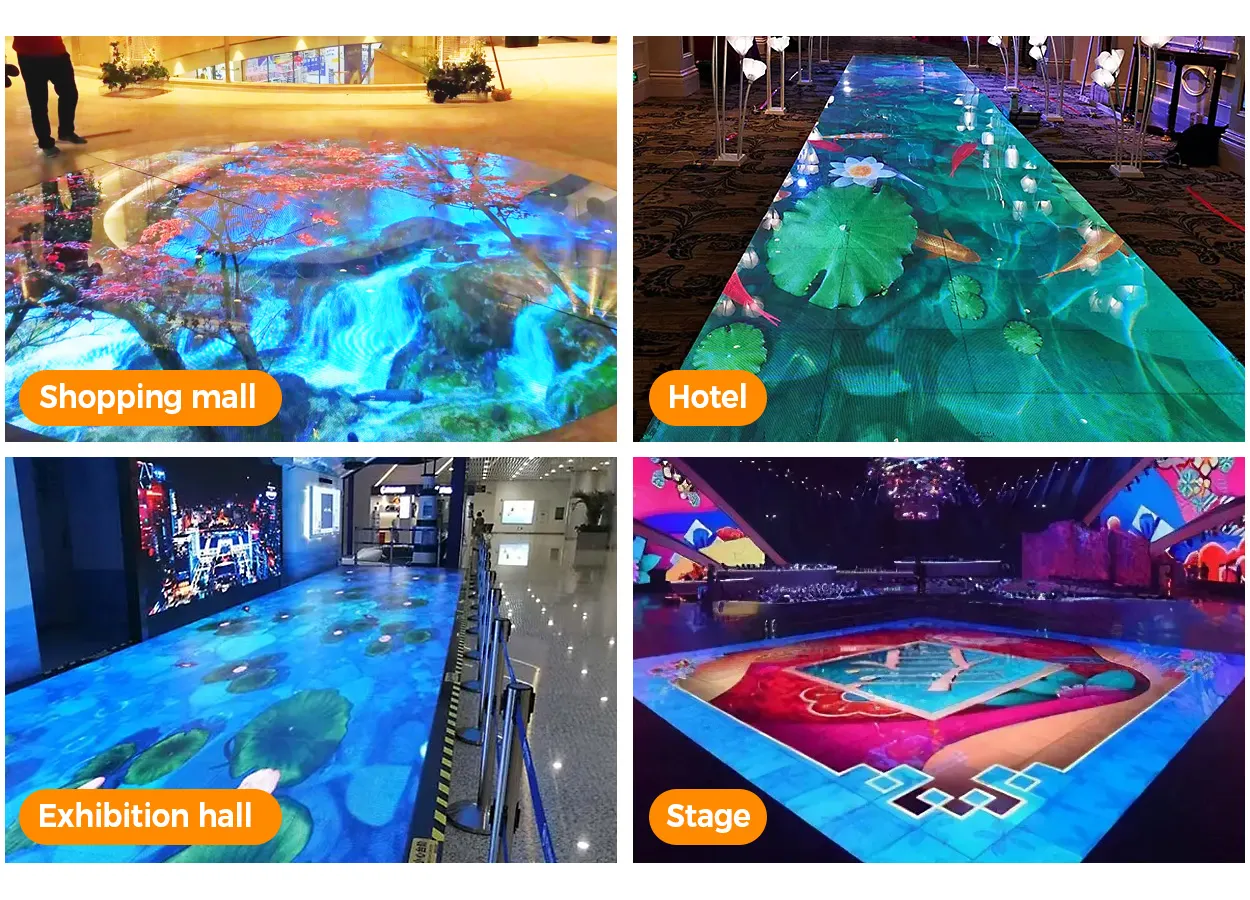
6.1 Uses of Floor LED Screens
a. Events and Entertainment
Enhance stages and dance floors with dynamic visuals that synchronize with performances or music.
Create immersive settings for exhibitions, concerts and theme parks.
b. Retail and Advertising
Draw attention in shopping malls and showrooms by displaying eye-catching messaging on walkable surfaces.
Provide interactive experiences that guide customers with digital impressions or visual cues.
c. Gaming and Sports
Add realism to gaming zones or virtual sports fields with responsive LED floors.
Display real-time information, scores or motion graphics during sports events.
6.2 Benefits of Floor LED Screens
Durability: Built to withstand heavy foot traffic and wear.
Interactivity: Supports touch and motion-sensitive features for engaging experiences.
High Visibility: Delivers striking visuals with vivid colors and sharp resolution.
Versatility: Suitable for a range of indoor and outdoor applications.
Innovation Appeal: Offers a modern, memorable customer experience.
Floor LED screens are changing spaces with their ability to combine practicality with entertainment.
7. Why Choose EagerLED for Transparent, 3D and Floor LED Screens?
EagerLED delivers innovative LED solutions tailored to your needs. Here’s why you should choose us:
State-of-the-Art Technology: Our products incorporate the latest advances in LED technology.
Customizable Solutions: We design displays that adapt to your vision and requirements.
Reliable Support: From installation to service, our team is here to help.
Competitive Pricing: Quality solutions at reasonable rates.
Global Reach: Trusted by customers around the world for reliable products and services.
8. Future Trends in LED Technology
The LED industry keeps evolving, bringing new trends and possibilities to the forefront. Here are a few future developments you can expect:
Augmented Reality Integration: LED screens are expected to integrate more closely with AR technology, enabling even more immersive experiences.
Eco-Friendly Designs: As environmental awareness grows, LED solutions are likely to become more energy-efficient and sustainable.
AI-Powered Displays: AI will enable smarter content management and more responsive audience interaction.
Flexible and Foldable Screens: These advances will make LED displays more adaptable and portable.
Higher Resolutions: The drive for 8K and beyond will continue to push visual clarity further.
9. Conclusion
Transparent LED displays, 3D LED screens and floor LED screens are changing the way we communicate visually. Whether you want to captivate audiences, strengthen branding or create immersive experiences, these technologies open up new possibilities. By understanding their features, applications and maintenance needs, you can unlock their full potential.
Partner with EagerLED to bring your vision to life. Our cutting-edge solutions and expert support help your projects stand out in today’s competitive market. Explore the future of LED innovation with us and change the way you connect with your audience.
Frequently Asked Questions
What is a transparent LED display?
A transparent LED display is a screen built on a see-through structure, so light and the view behind it still pass through. The panel plays images and video while staying largely unobtrusive when the content is dark, which is why transparent LED displays are often fitted to glass shopfronts, building facades and glass partitions.
Can transparent LED screens display 3D content?
Yes. Transparent LED screens can display 3D and naked-eye 3D content, so a transparent 3D LED display works well in retail storefronts where the screen sits on glass instead of replacing it. The 3D effect comes from the content and from how the screen is positioned, so a clear sightline and enough brightness are what matter most in a retail environment.
How do 3D LED screens work without glasses?
Naked-eye 3D LED screens use angled cabinet structures together with perspective-corrected content to create depth. Because the faces of the screen meet at an angle, each eye sees a slightly different part of the image, and the brain reads the result as three-dimensional without any special glasses.
What are floor LED screens used for?
Floor LED screens are used wherever a walkable surface can carry content: stages and dance floors, exhibition stands, retail walkways, showrooms, gaming zones and sports venues. They combine a load-bearing structure with an interactive display, so the floor becomes part of the visual experience instead of a passive surface.
Where are floor LED screens installed?
Floor LED screens are installed both indoors and outdoors. Shopping malls, hotel lobbies, exhibition halls, museums, stages and theme parks are common settings. The decision usually comes down to load capacity, the traffic the surface will take, and whether the screen needs to be interactive or simply visible.
How do you choose between transparent LED displays, 3D LED screens and floor LED screens?
Start with where the screen will live. If it has to sit on glass and keep the view open, choose a transparent LED display. If you need depth and an eye-catching effect on a wall or a corner, choose 3D LED screens. If the audience walks over the surface, choose a floor LED screen. Brightness, viewing distance, viewing angles and content management are the next things to compare.
 EagerLED EA960F3 Outdoor LED Billboard Introduction
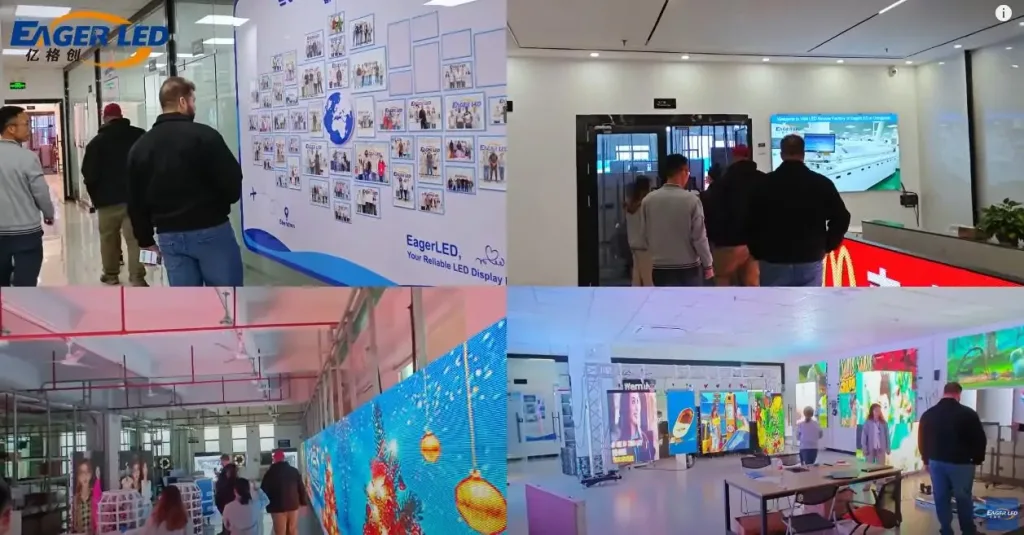 EagerLED Company Welcomes Saudi Arabian Customers
Related Posts

Fill In Your Needs In Detail
Fill in the screen usage scene and size you need in “Content”.You will get a quote.