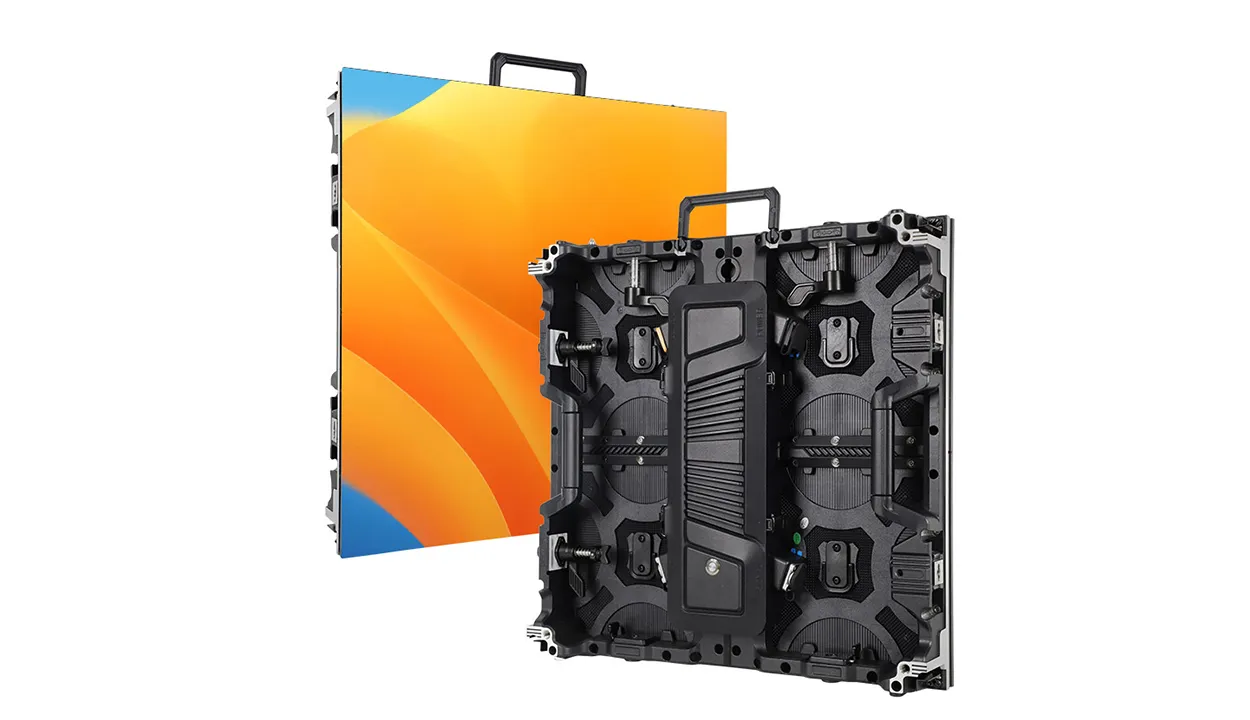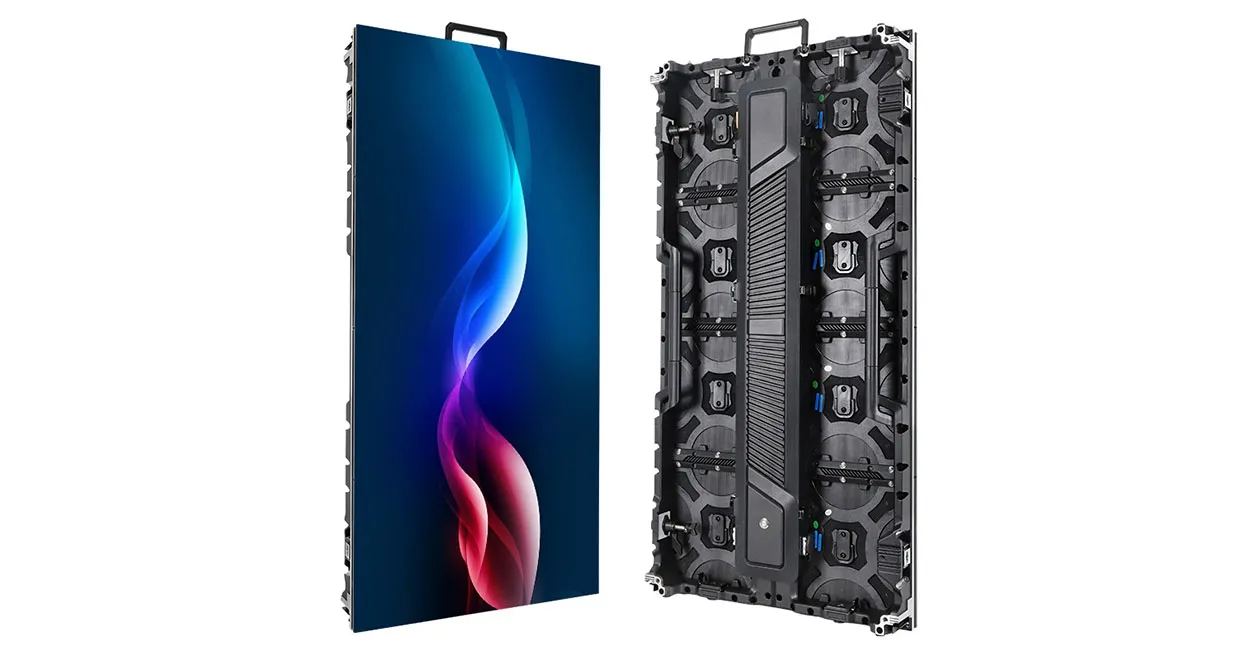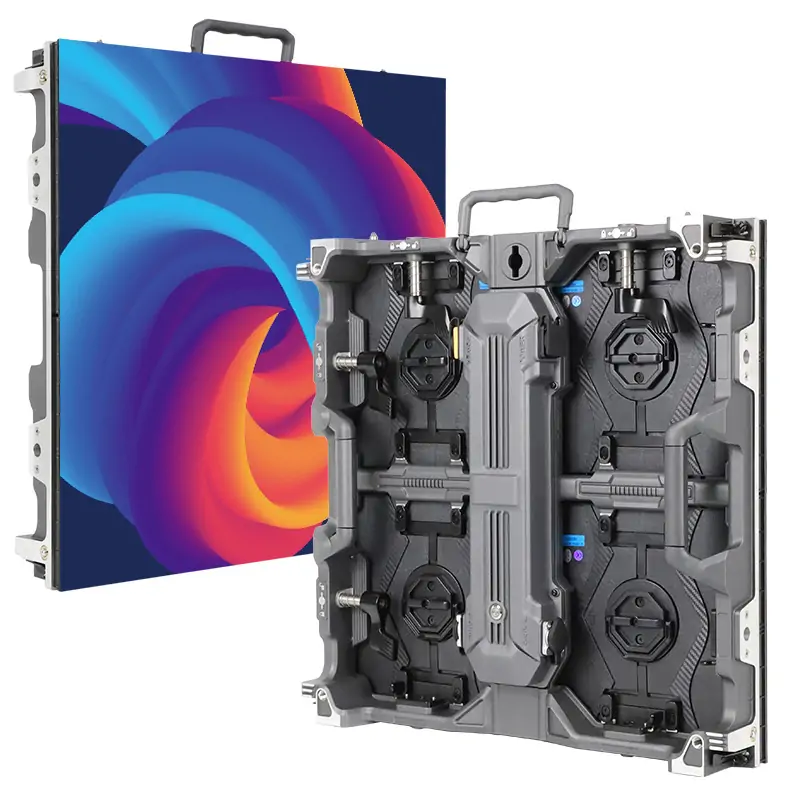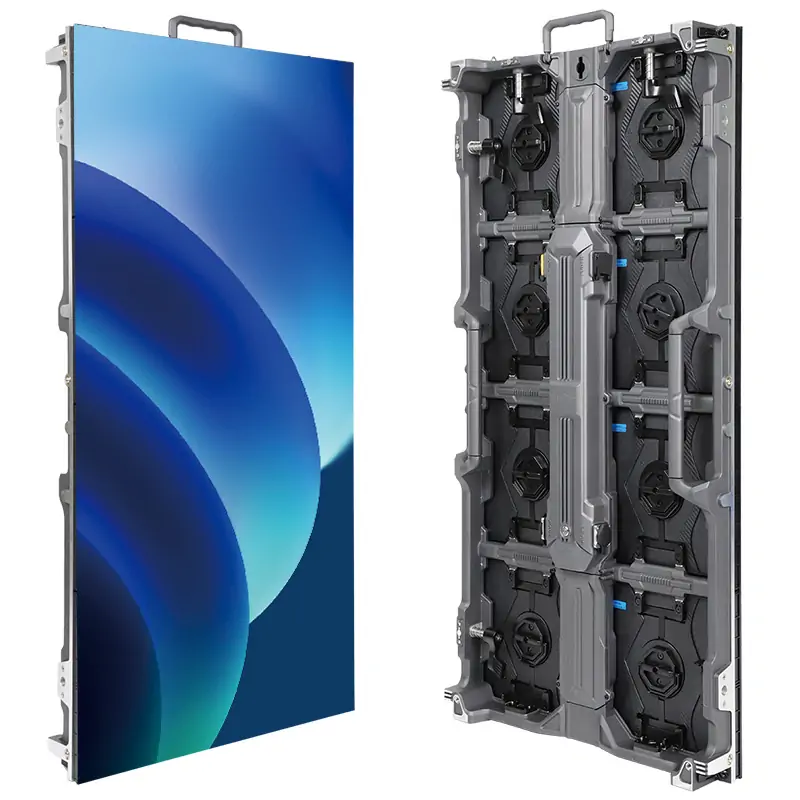
LED screens for advertising have become the default choice for high-traffic retail, transport and event spaces, because one display can be updated in seconds and reused for years. This guide explains how these screens work, which types suit which location, and what to check before you specify an advertising LED screen for your site.
1. What Are LED Screens for Advertising?
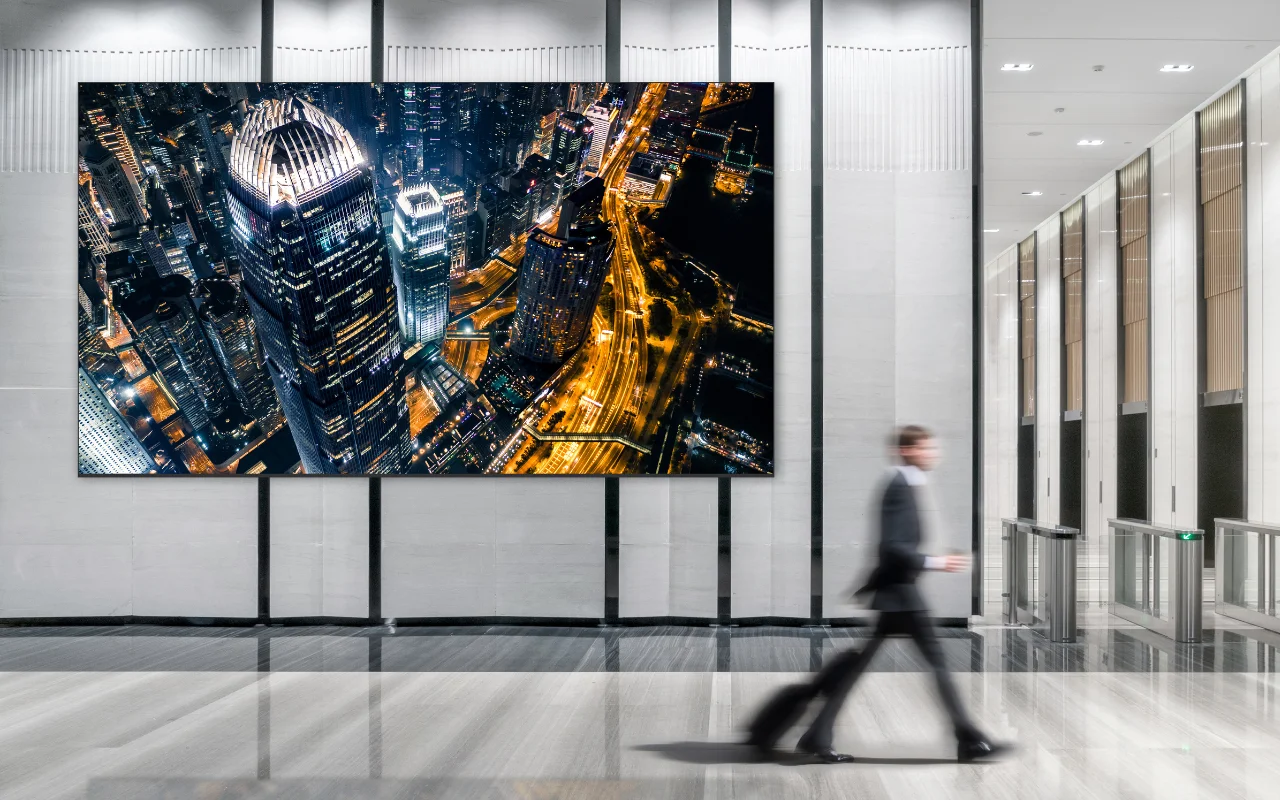
Eager LED screens are digital display systems built for indoor and outdoor advertising. They use light-emitting diodes (LEDs) to produce bright, high-contrast visuals that stay readable in daylight.
2. Key Benefits of Advertising LED Screens
High Resolution: Advertising LED screens deliver fine detail and legible text, even for viewers standing well back from the display.
Energy Efficiency: Modern LED screens draw far less power than printed or backlit advertising formats.
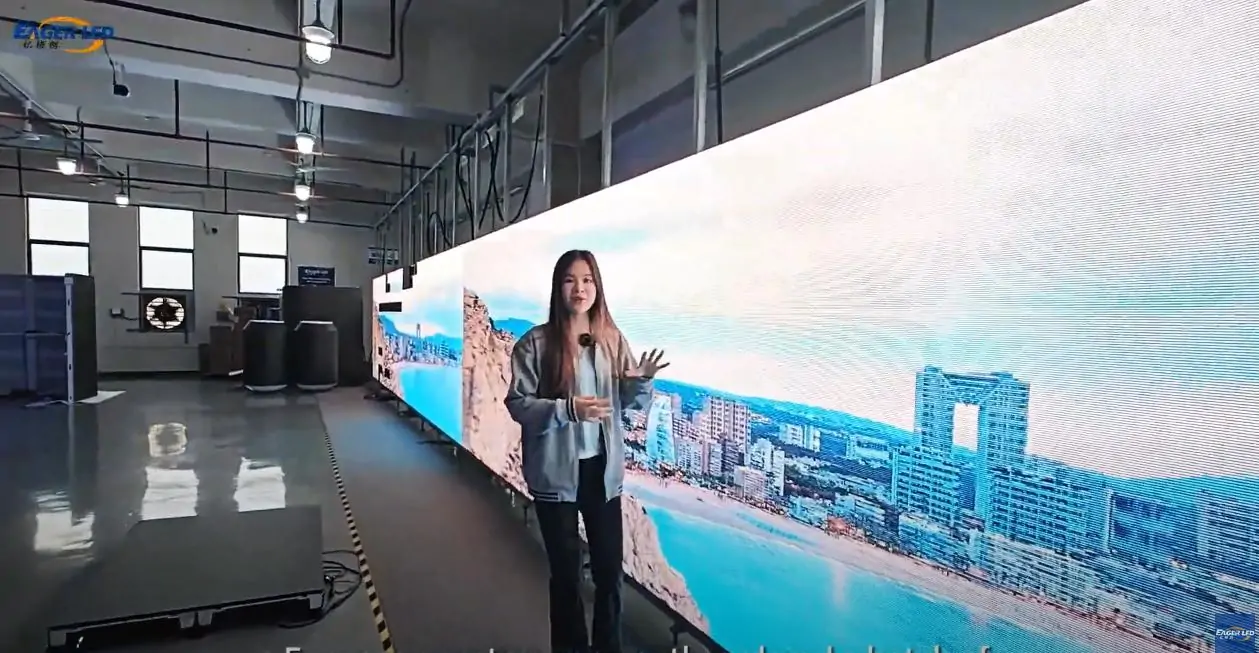
Versatility: They come in different shapes, including flexible LED screens for curved and irregular installations, alongside standard flat-panel designs.
Durability: Outdoor-rated cabinets are designed for long service life and to withstand rain, dust and direct sunlight.
Customisation: A screen can be built to a specific size, shape and pixel pitch to suit the site.
3. How Do Advertising LED Screens Work?
Understanding how these displays are built makes it easier to specify the right LED screen for advertising at a given location.
3.1 The Technology Behind LED Screens
LED Modules: Every advertising LED screen is assembled from LED modules — small diode packages that emit light when powered.
Pixel Pitch: The spacing of those diodes sets the resolution and clarity of the screen; a tighter pixel pitch resolves finer detail at closer viewing distances.
Control Systems: A controller manages what the display shows, keeping video and animations running smoothly.
Software Integration: The screen connects to content-management software so playlists and schedules can be managed centrally.
3.2 Types of Advertising LED Screens
Advertising LED Screens:These are large-format shows planned for advancements, declarations, and brand narrating. They are idealize for high-traffic regions like shopping shopping centers and highways.
Flexible LED Screens:These inventive shows can twist and bend, permitting for inventive establishments in offbeat spaces.
Outdoor LED Screens:Built to persevere climate components, these screens convey clear visuals indeed in shinning sunlight.
Indoor LED Screens: Perfect for conferences, retail stores, and occasions, these screens offer high-quality visuals in controlled environments.
3.3 Applications of LED Screens for Advertising
Retail Advertising: Grandstand items and advancements with Eager visuals.
Event Displays: Improve group of onlookers engagement at concerts, exchange appears, and exhibitions.
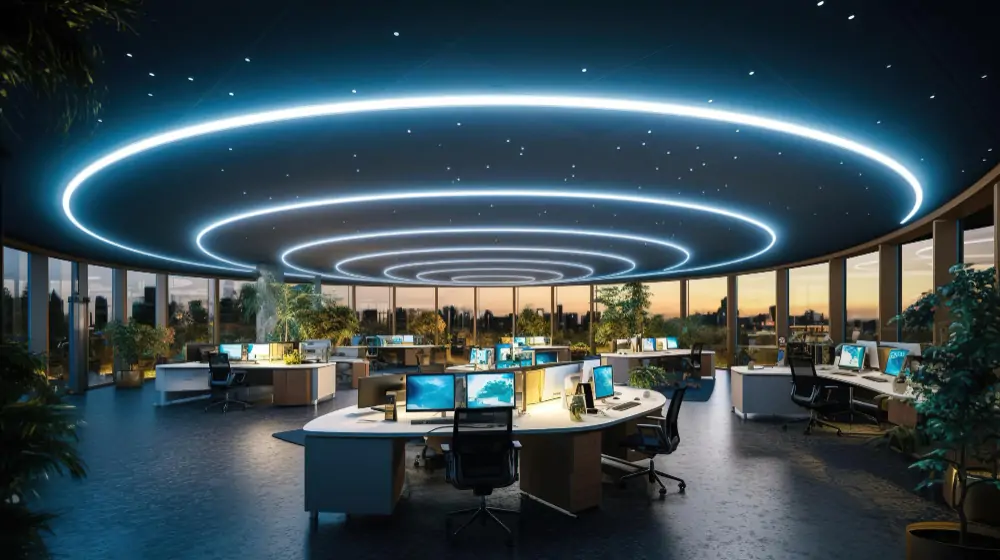
Corporate Communication: Utilize LED screens for inside informing and branding in office spaces.
Transportation Center points: Give real-time data at air terminals and prepare stations.
4. Why Choose Advertising LED Screens?
The case for an advertising LED screen comes down to visibility, running cost and flexibility.
4.1 Unparalleled Visual Impact
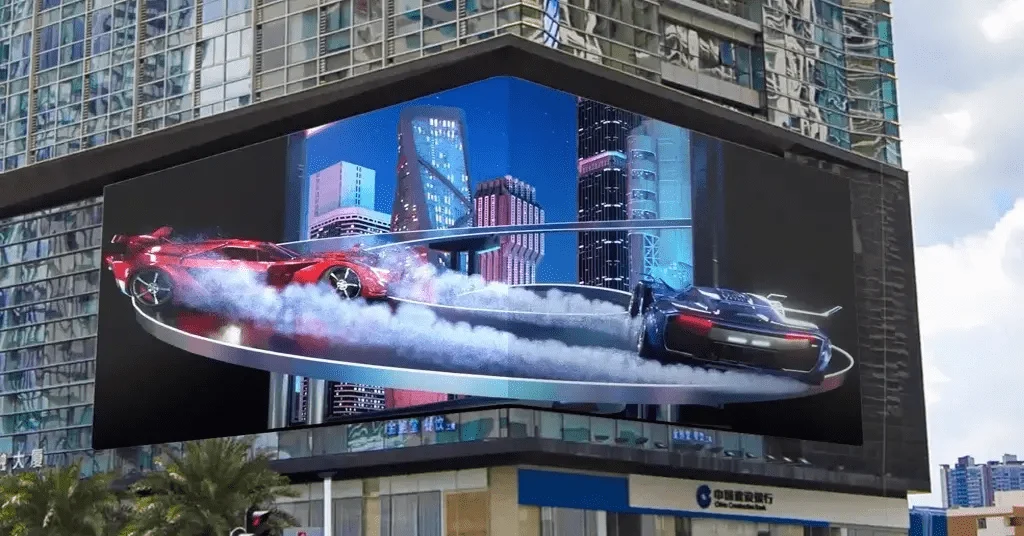
A bright advertising LED screen holds attention even in busy urban locations.
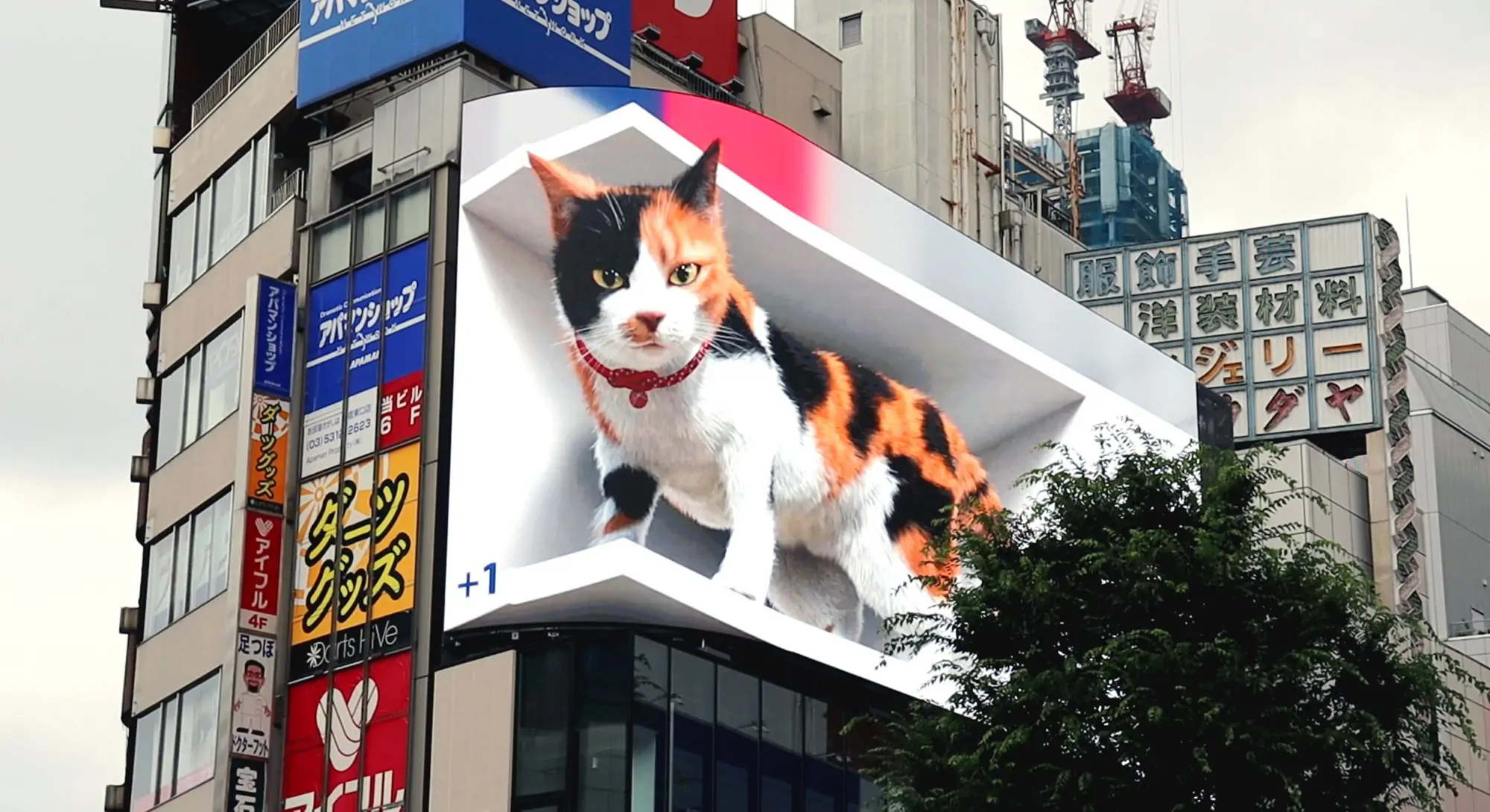
Flexible LED screens create immersive visuals by following the shape of the building.
4.2 Cost-Effectiveness
Although the initial investment can look high, lower running and maintenance costs over the life of the screen are what make an advertising LED screen cost-effective.
4.3 Customization and Creativity
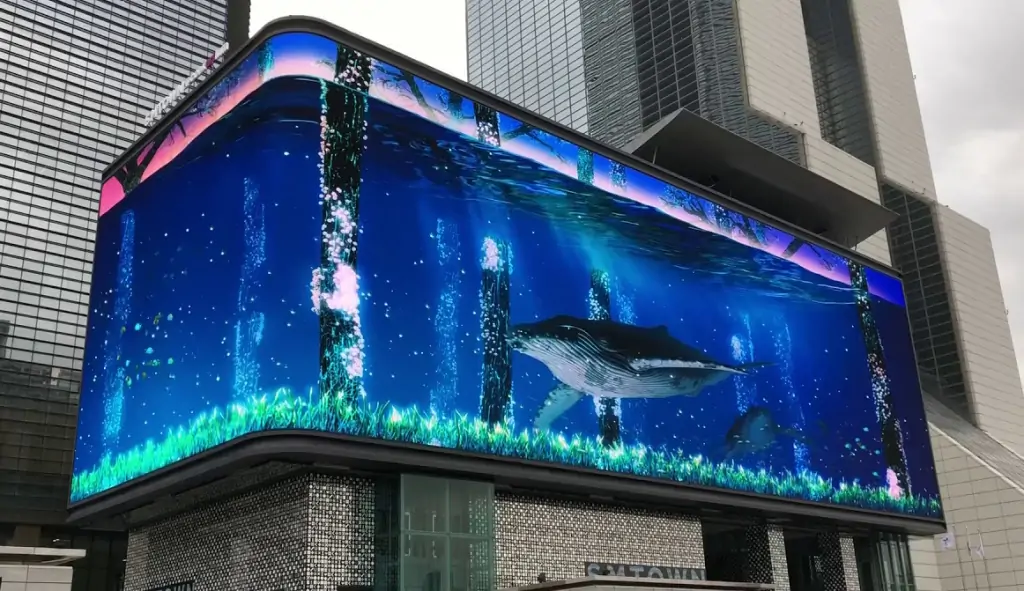
Flexible LED screens let brands move beyond a rectangular frame, from cylindrical columns to wave-shaped walls.
4.4 Reliability and Durability
Outdoor cabinets are built for continuous operation, and their durability keeps downtime low so advertising runs without interruption.
4.5 Eco-Friendly Solutions
LED screens draw less power than many conventional formats, which supports more sustainable advertising practice.
4.6 Improved Audience Engagement
Interactive and animated content on advertising LED screens holds attention better than a static poster, which supports brand recall and repeat visits.
5. Advertising LED Screens vs Conventional Advertising
Compared with printed posters, billboards and other conventional formats, an advertising LED screen offers:
Better ROI: Reusability and real-time substance overhauls diminish repeating costs.
Interactivity: LED screens can show recordings, activitys, and live feeds.
Adaptability: Substance can be custom fitted for particular gatherings of people or events.
6. How to Get the Most From an Advertising LED Screen
To get the best out of a LED screen for advertising, plan around these four areas:
6.1 Creative Content Design
Use high-quality, visually striking content made for your target audience:
Bright Colours: To capture attention.
Clear Typefaces: For readability at distance.
Movement: To stand out in busy spaces.
6.2 Key Placement
Position advertising LED screens in high-visibility spots such as:
Busy intersections.
Shopping centers.
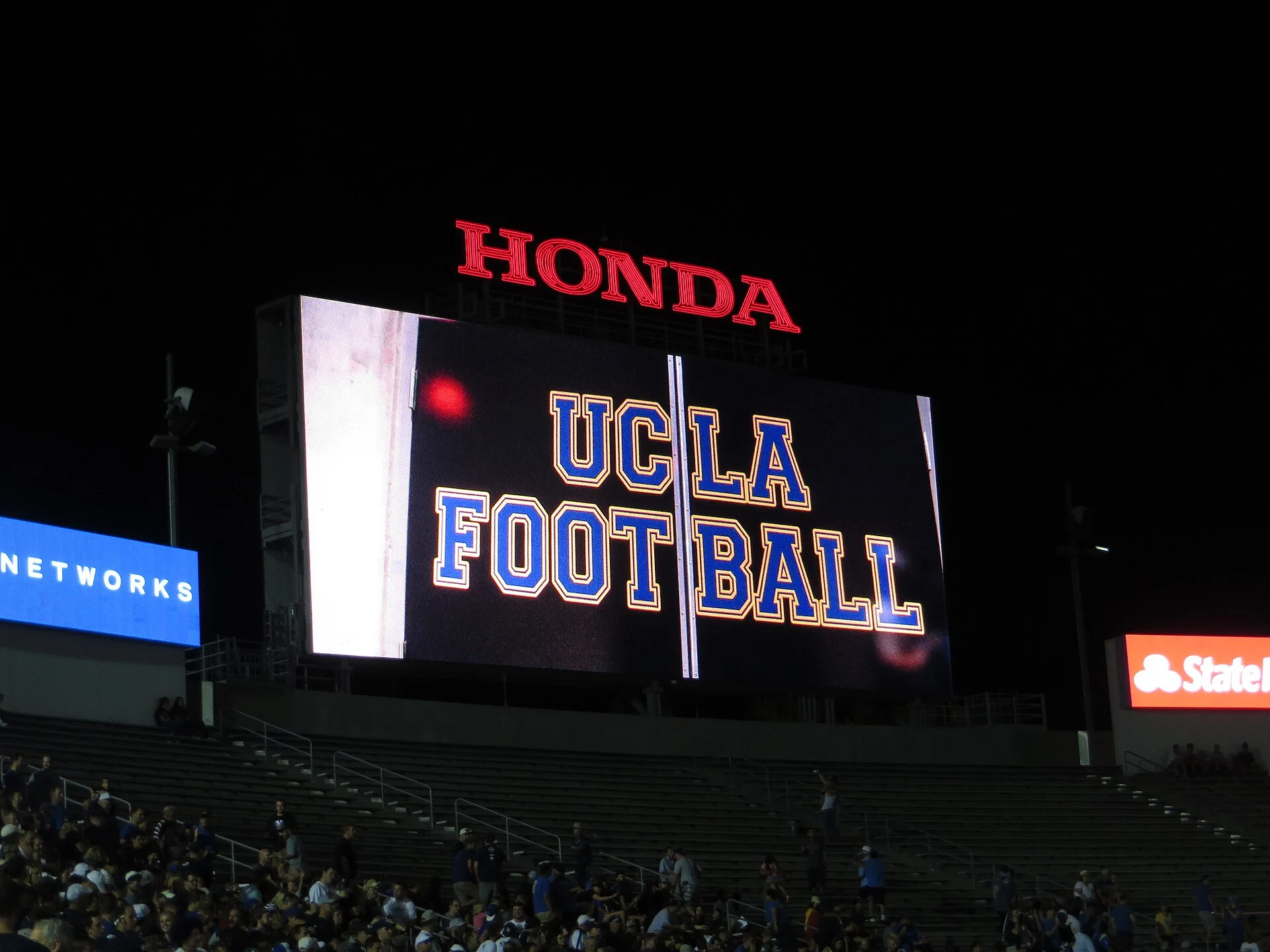
Sports stadiums.
6.3 Regular Maintenance
Keep the screen performing by:
Cleaning the screen periodically.
Checking for software updates.
Scheduling routine technical inspections.
6.4 Real-Time Content Updates
Because content can be updated immediately, an advertising LED screen works for:
Promoting flash sales in retail.
Streaming live event feeds.
Showing weather or news updates.
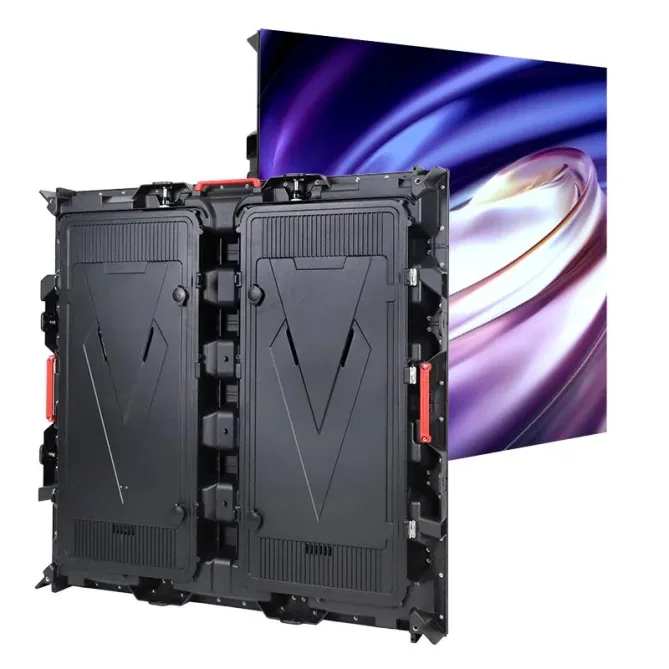
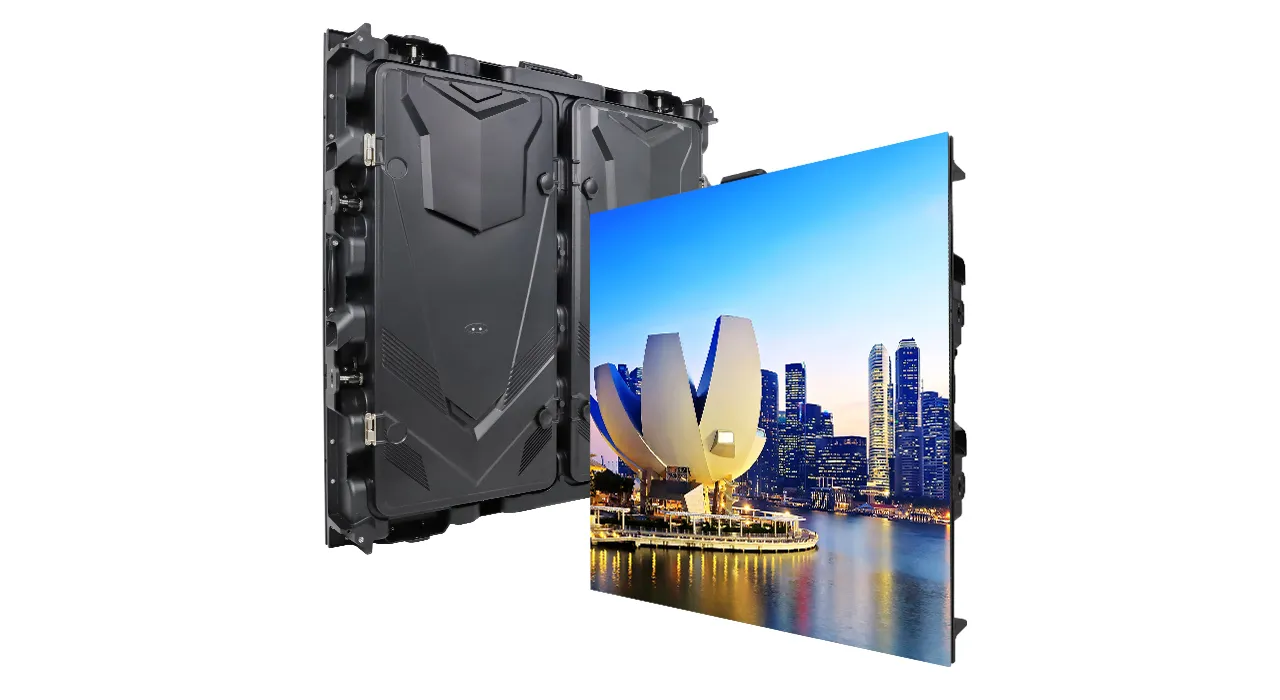
7. Flexible LED Screens for Creative Advertising
Flexible LED screens can be curved and shaped, opening up installations that rigid cabinets cannot match:
Highly Versatile: Culminate for bended dividers, columns, and non-traditional layouts.
Lightweight and Thin: Simple to introduce and transport.
Attention-Grabbing: Their one of a kind shapes actually draw viewers’ eyes.
Case Studies: Successful Eager LED Screen Implementations

7.1 Retail Chain in Urban Areas
A well known retail chain introduced Eager’s advertising LED screens in numerous city areas, boosting foot activity by 35% inside three months.
7.2 Music Festival
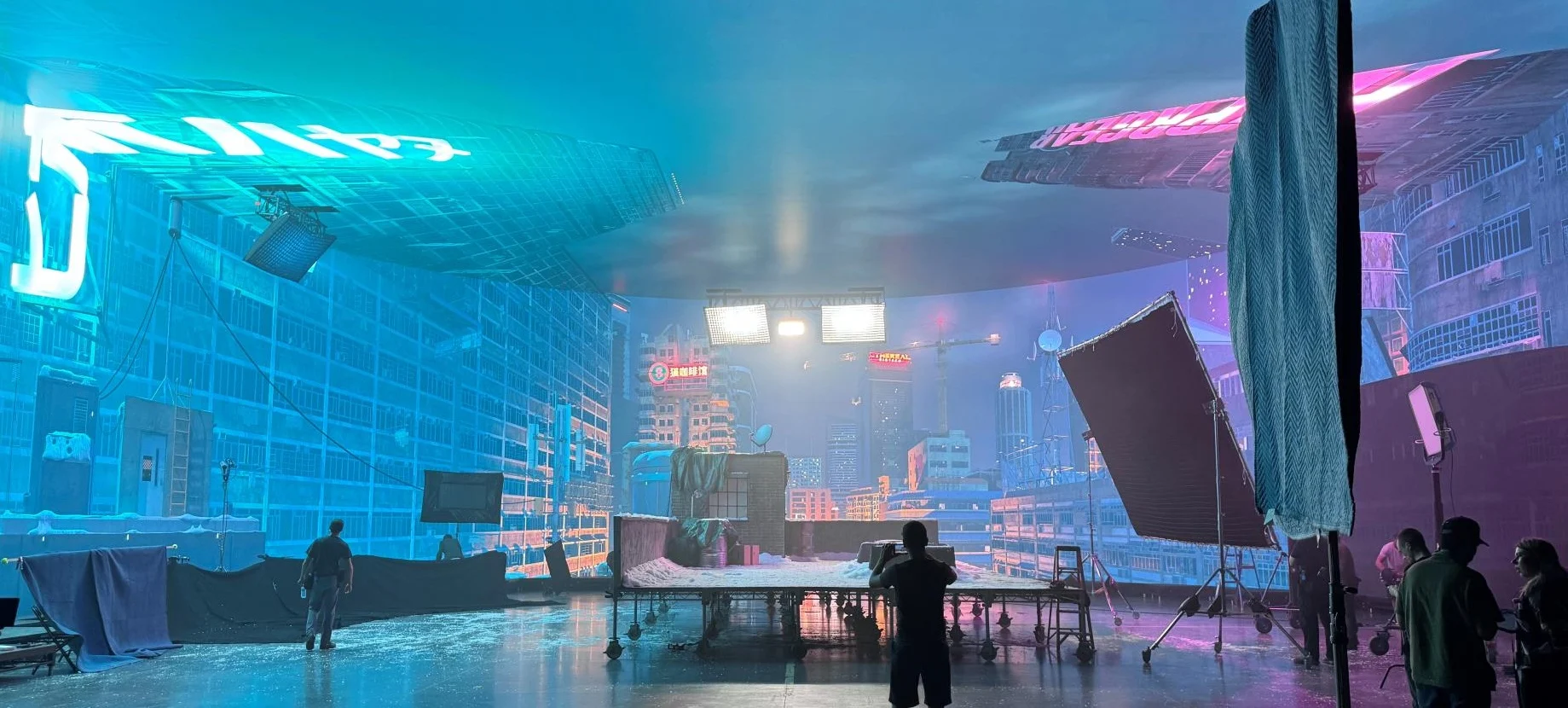
A famous music celebration utilized flexible LED screens for an immersive organize setup. The Eager visuals hoisted the group of onlookers encounter, coming about in a 50% increment in ticket deals for the taking after year.
7.3 Corporate Office
A multinational organization received Eager’s indoor LED screens for inner communication and branding, upgrading representative engagement by 20%.
8. The Future of Advertising LED Screens
As the technology develops, the ways advertising LED screens are used keep expanding. Watch for:
Integration with AI: Empowering personalized substance based on gathering of people demographics.
Augmented Reality (AR): Mixing virtual components with real-world situations for special advertising campaigns.
Energy Gathering: Investigating solar-powered choices to assist improve eco-friendliness.
Higher Resolutions: Presenting 8K and past for unparalleled visual clarity.
8.1 Understanding the Benefits of Advertising LED Screens
Advertising LED screens are a form of digital signage, which gives them several advantages over conventional formats. They are bright and dynamic, and the content can change through the day. The main benefits are:
High Visibility: A bright, high-definition display stays readable in both daylight and darkness, which is what makes it suitable for outdoor advertising.
Dynamic Content: Unlike static posters or printed boards, an advertising LED screen can show moving graphics, video and live content.
Targeted Messaging: Content can be scheduled to change by time of day, by audience or around a local event, so the message stays relevant.
Energy Efficiency: LED technology is energy-efficient, which reduces running costs compared with older display types.
Eco-friendly: LEDs have a long working life and draw less power, which supports more sustainable advertising.
8.2 Choosing the Right Size and Placement
How well an advertising LED screen performs depends on its size and placement. When choosing a location, think about sightlines and foot traffic:
Outdoor Areas: For tall foot activity zones like active boulevards, shopping shopping centers, and transportation centers, bigger LED screens are suggested. Make beyond any doubt the screen estimate and determination are optimized for perceivability from a distance.
Indoor Areas: If you’re focusing on indoor spaces like shopping centers, anterooms, or retail stores, you might select for littler or medium-sized LED screens, deliberately put close passages or high-traffic areas.
8.3 Content Creation and Design
The content you show on an advertising LED screen has a large effect on results. A few practical tips for eye-catching content:
Use High-Quality Visuals: Guarantee that your illustrations, recordings, and movements are of tall determination and outwardly engaging. Poor-quality visuals can have the inverse impact and drive individuals away.
Keep it Basic: Center on clear, brief informing. Expansive sums of content or excessively complex design can overpower your audience.
Incorporate Branding: Steady branding components like logos, colors, and taglines are basic for making brand recognition.
Interactive Components: A few LED screens permit for interactivity, such as touch or movement sensors. This seem be an energizing way to lock in potential clients with intuitively advertisements or games.
9. Features of Advertising LED Screens
Real-Time Content Updates: Content can be uploaded and changed remotely, whether it is a video, an image or a message, which makes an advertising LED screen practical for time-limited promotions or for rotating several products on one display.
Interactive Capabilities: Where a touch option is fitted, viewers can interact with the content, which makes the message more memorable.
Multi-Screen Integration: Screens can be combined into multi-screen setups such as video walls for a larger, more immersive display.
Smart Control Systems: Content can be controlled through management software, so advertisers can oversee what runs on the display from one central location.
Remote Diagnostics & Maintenance: Where remote diagnostics are provided, a display’s health can be monitored and maintenance planned without attending site each time.
10. Conclusion
An advertising LED screen is more than a display: it is a reusable asset that keeps working for your brand in high-traffic locations. Whether you need a large-format advertising LED screen, a flexible LED screen for a curved wall, or a weather-rated outdoor display, Eager LED has you covered.
Because size, pixel pitch and cabinet type can all be specified, one display can serve several campaigns. Compare the options above, check the specification against your site, and request a quotation for the LED screen for advertising that fits your plans.
Frequently Asked Questions
What is an LED screen for advertising?
An LED screen for advertising is a digital display built from light-emitting diode modules that shows video, images and text. Unlike a printed poster, the content can be changed at any time, so one display can run many different campaigns over its working life.
Which type of LED screen suits advertising?
It depends on the site. Large-format advertising LED screens suit high-traffic locations such as shopping centres and roadside positions; flexible LED screens are used where a surface is curved or a shape is irregular; weather-rated outdoor screens are specified for direct sun and rain; indoor screens are used in retail units, lobbies and conference spaces.
Are LED screens suitable for outdoor advertising?
Outdoor-rated LED screens are built to withstand weather and to stay readable in direct sunlight. Whether a particular cabinet suits your site depends on its brightness rating, its ingress protection and the mounting structure, so confirm the specification for the exact location with the supplier.
Can the content on an advertising LED screen be updated remotely?
Yes. The display is managed through control software, so video, images and messages can be uploaded and scheduled without visiting the site, which is what makes an LED screen for advertising practical for time-limited promotions.
How do you choose the right screen size and placement?
Work from the viewing distance and the amount of passing traffic. Large, high-brightness screens suit long viewing distances and open outdoor positions, while smaller or medium screens are usually enough indoors, for example in shops, lobbies and retail units. Place the display on the natural sightline of the people you want to reach.
What affects the cost of an advertising LED screen?
Cost depends on the screen area, pixel pitch, brightness, cabinet type, control system and the installation scope, so there is no single figure. Ask for an itemised quotation that separates equipment, structure, delivery and installation, and compare the same specification across suppliers.
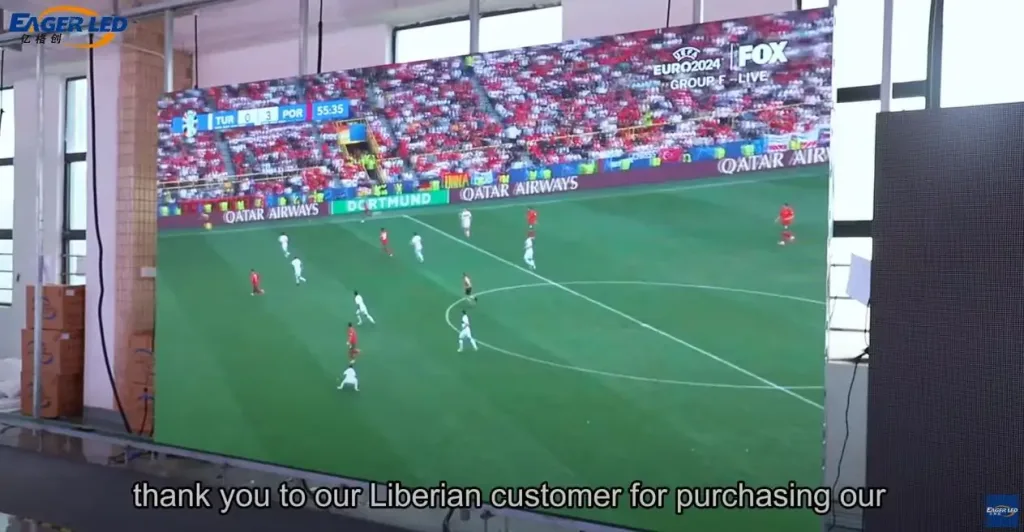 EA640F2 Indoor LED Scoreboards Feedback from Liberian Client
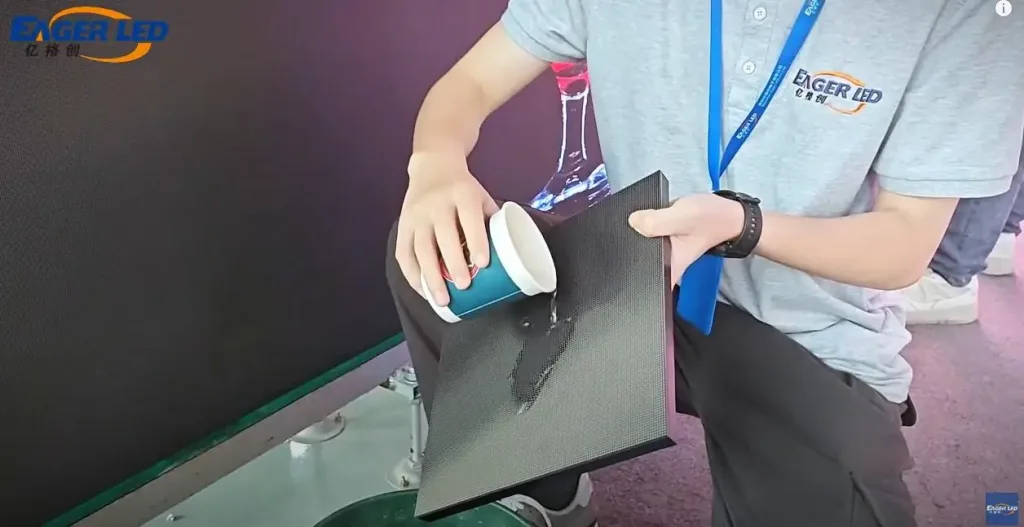 EagerLED EA500C6 GOB LED Screen Module Introduction
Related Posts

Fill In Your Needs In Detail
Fill in the screen usage scene and size you need in “Content”.You will get a quote.