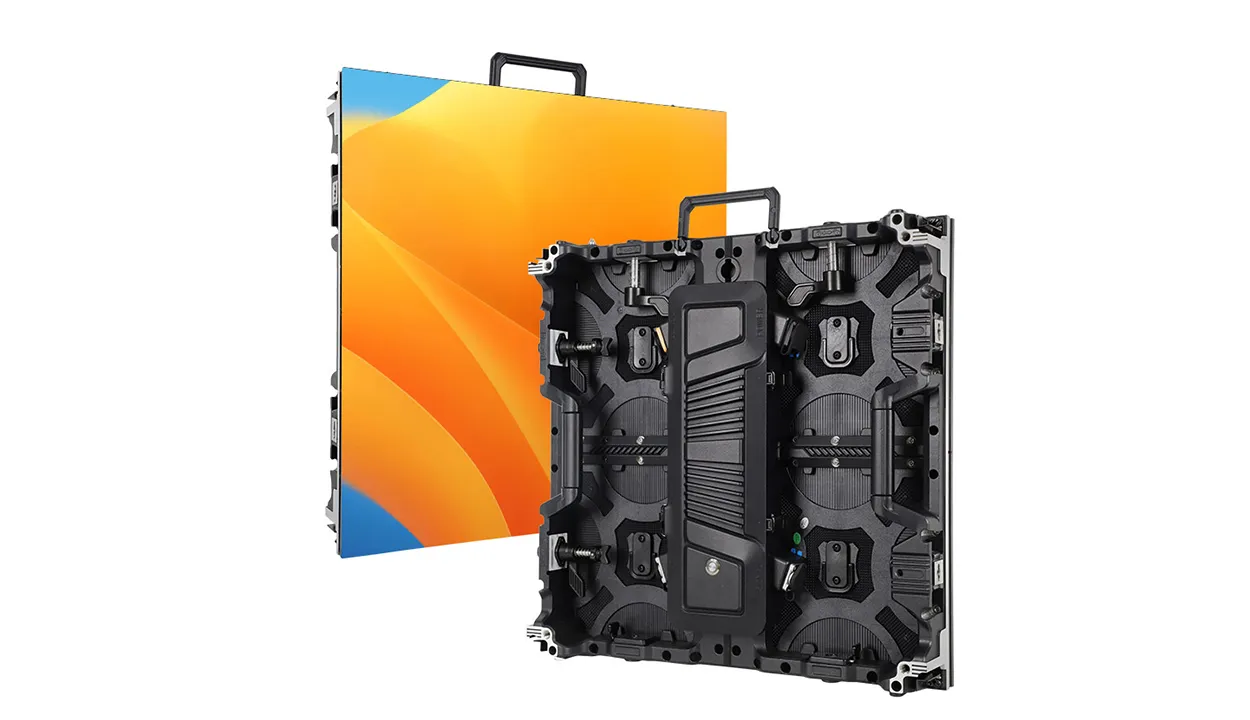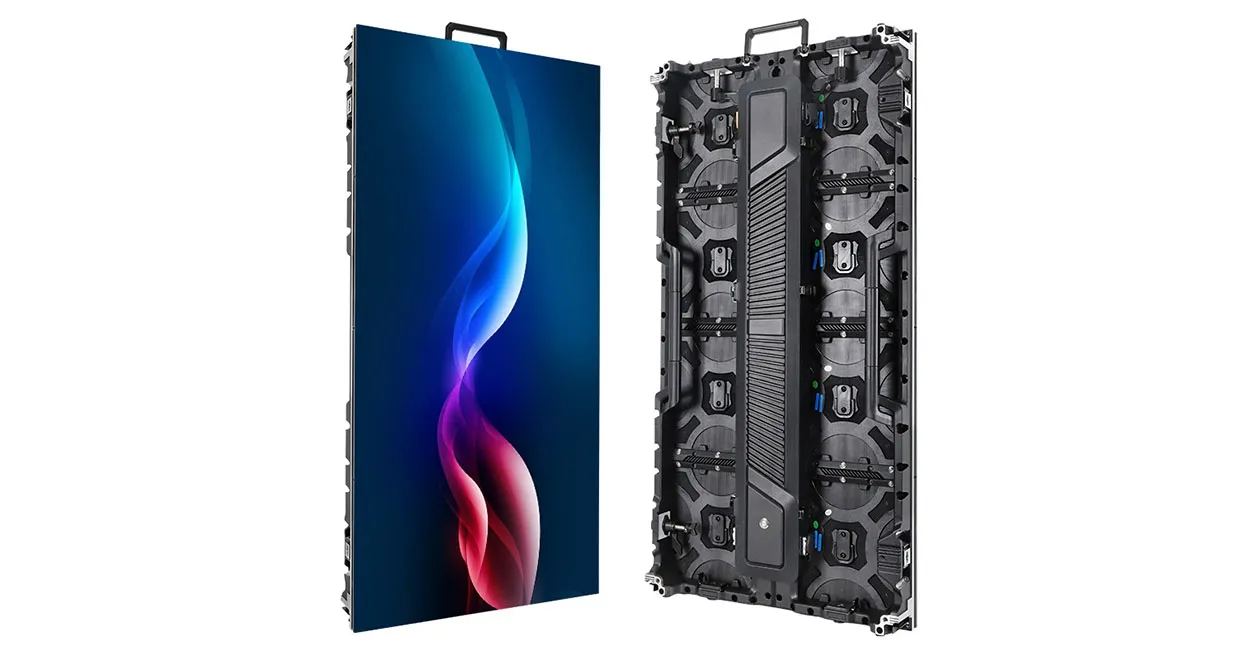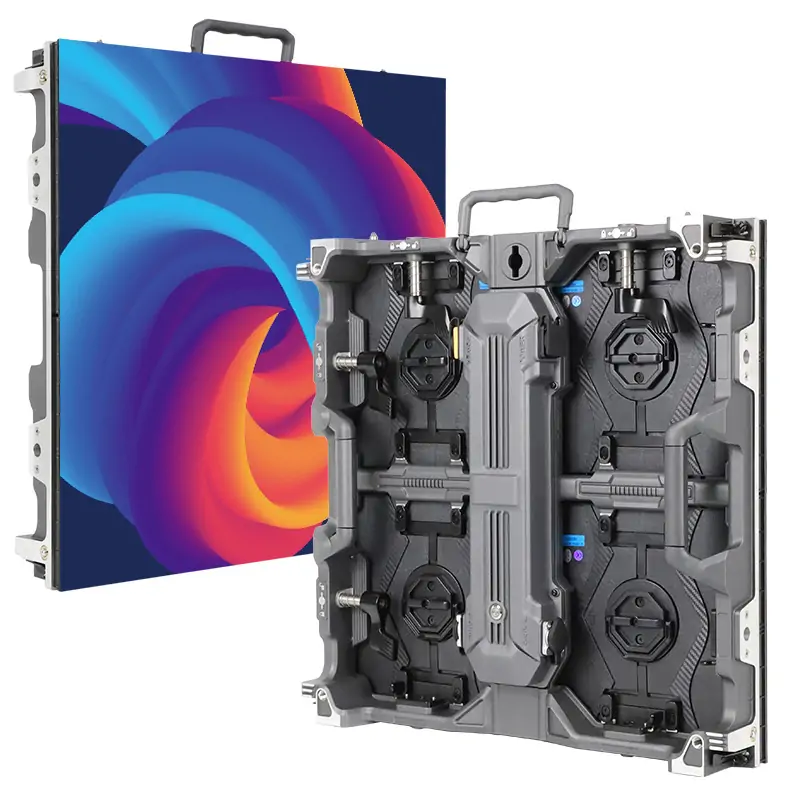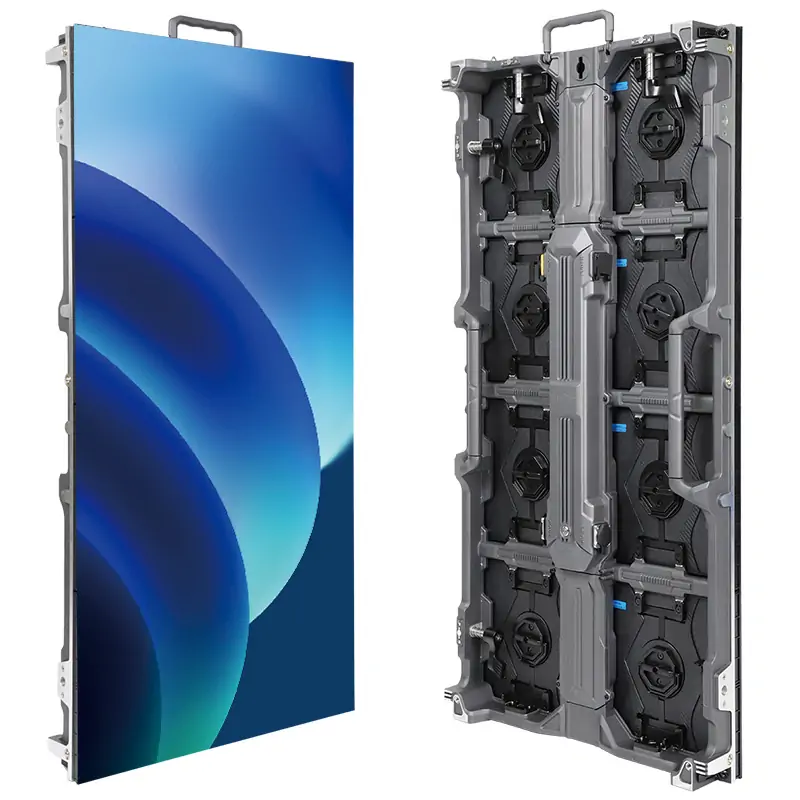
Choose an LED screen factory by checking production quality, customization options, delivery terms and after-sales support against your project requirements. A suitable LED display supplier should explain the proposed screen configuration and document what is included in the quotation. This EagerLED buyer’s guide helps businesses and integrators compare suppliers for indoor, outdoor, retail and event applications.
Plan Your LED Display Project
LED displays support advertising, live events and business communication. Start with the intended use, because the installation environment and viewing distance affect the configuration you need.
• Advertising: Billboards and digital signage.
• Events: Concerts, conferences and live shows.
• Retail: Promotional displays and product presentations.
• Entertainment: Stadium and venue screens.
Before contacting an LED screen factory, prepare the screen dimensions, location, viewing distance and intended content. A clear brief makes proposals easier to compare.
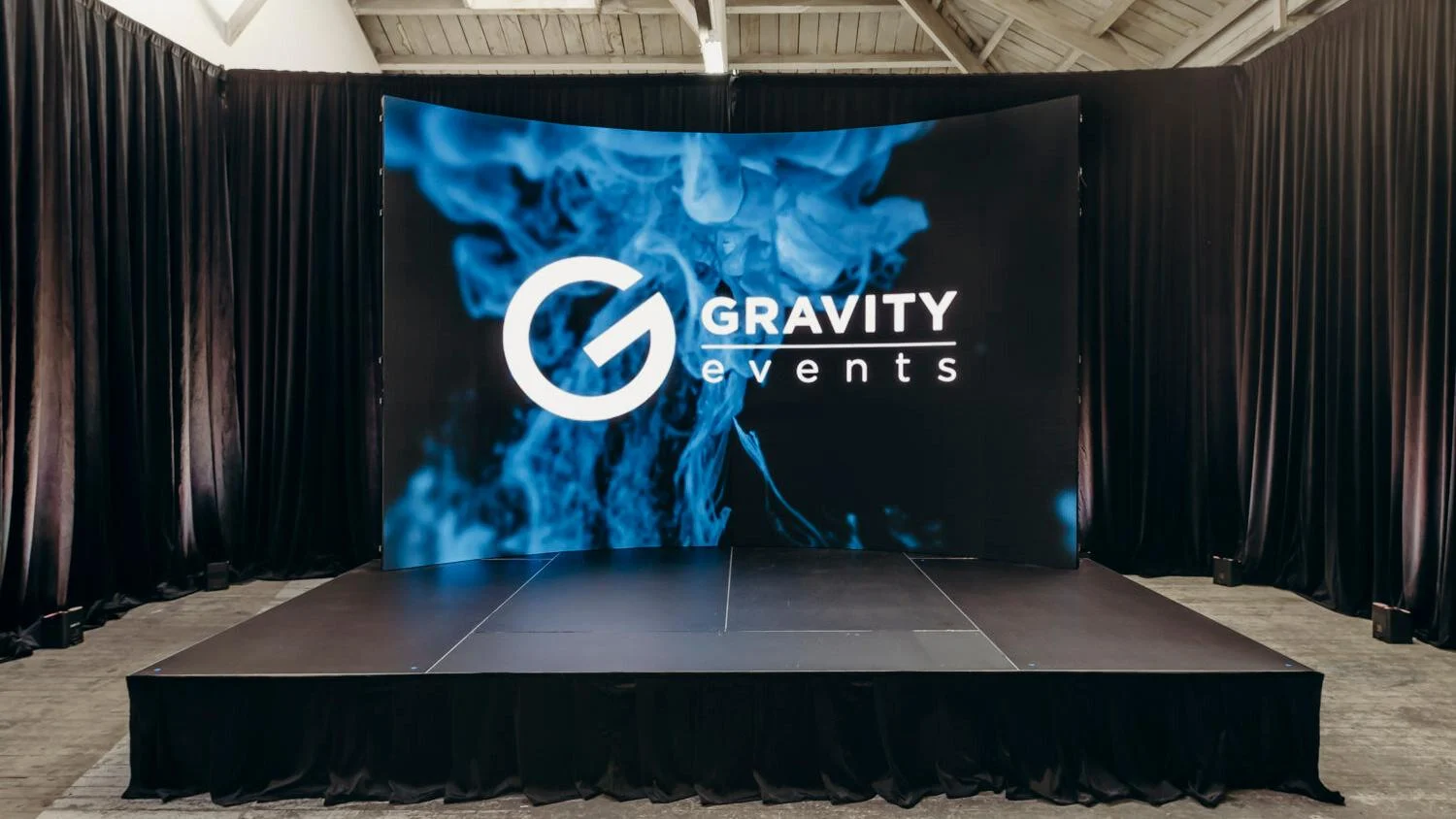
1. How to Evaluate an LED Screen Factory
When comparing an LED display screen factory with other manufacturers, ask for evidence of the following capabilities. A general company description is not a substitute for a proposal matched to your installation.
1.1 Manufacturing and Display Technology
Ask how modules and cabinets are assembled and tested. Review the proposed pixel pitch, control system and service access against your viewing distance and installation plan.
1.2 Customization Options
Confirm whether the proposed cabinet layout can fit your required dimensions. Ask for drawings and identify any custom work before agreeing on the order.
1.3 Quality Control and Documentation
Request inspection procedures, test records and relevant compliance documents for the proposed model. Check the scope and validity of any certification; a certificate alone does not guarantee performance in your installation.
1.4 Quotation Scope and Total Cost
Compare quotations for the same configuration, including controllers, spare parts, packaging and any separately charged services. A lower cabinet price may not mean a lower total project cost.
1.5 Production and Delivery Planning
Ask for a written production schedule and clarify when testing, packing and dispatch take place. Separate the manufacturing lead time from freight and customs time.
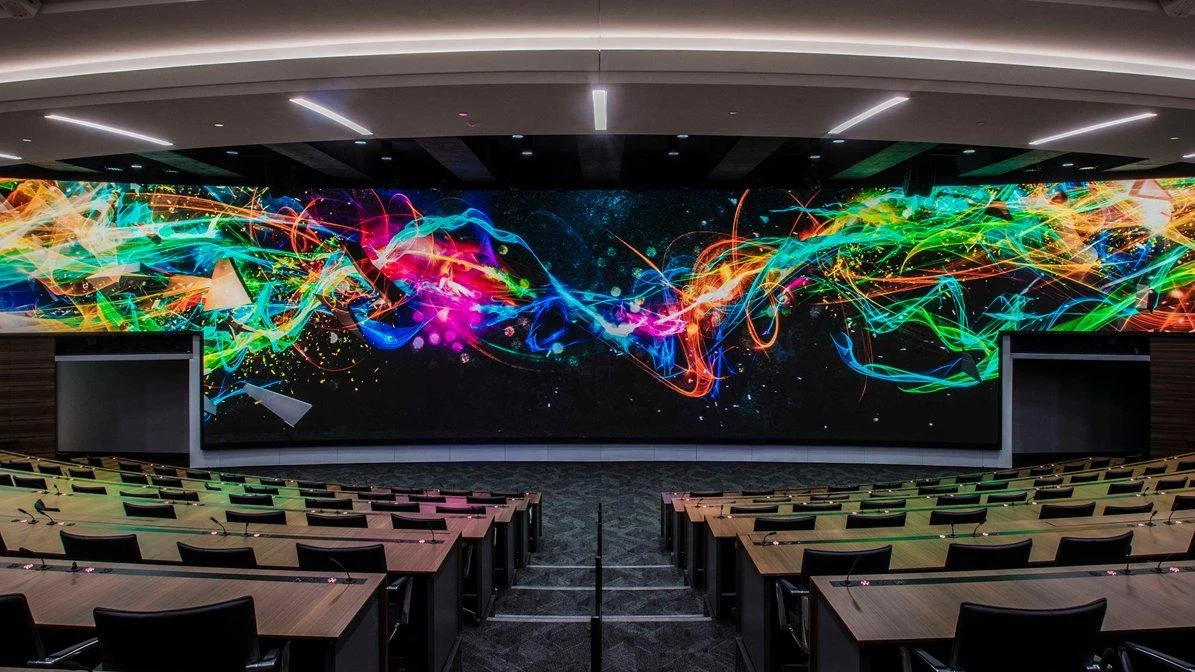
2. What to Check in an LED Display Supplier
An LED display supplier should help connect the screen specification to the practical needs of your project. Review its product range, technical advice, service terms and delivery responsibilities.
2.1 Indoor, Outdoor and Specialized Displays
Check which models suit the intended environment. Indoor, outdoor and specialized display designs have different installation and maintenance requirements; do not assume that every model is interchangeable.
2.2 Expert Consultation
Ask the supplier to explain why a configuration is suitable, including viewing distance, content resolution and installation constraints. Integrators should also confirm compatibility with the wider system.
2.3 After-Sales Support
Clarify warranty coverage, exclusions, spare-parts arrangements and the process for reporting a fault. Ask who provides remote assistance and whether on-site work is included.
2.4 Shipping and Local Responsibilities
Confirm the delivery destination, shipping terms and responsibility for import procedures. Identify who will handle local installation, commissioning and ongoing maintenance.
3. Discuss Your Requirements with EagerLED
Use the following topics to prepare a project enquiry for EagerLED. Review the available display categories and ask the team to confirm the configuration, scope and support terms for your specific installation.
3.1 Factory and Quality-Control Information
Request current information about the production and inspection process for the model being quoted. Ask which checks are completed before shipment and what documentation can accompany the order.
3.2 Display Categories to Explore
The linked EagerLED pages provide starting points for discussing different applications:
• Indoor LED Screens: Explore options for indoor spaces and exhibitions.
• Outdoor Transparent LED Screens: Review this model page and confirm its suitability for your site.
• Transparent LED Displays: Discuss visibility and installation requirements.
• Advertising LED Screens: Discuss the layout and content needs of your advertising project.
3.3 Delivery Destination and Schedule
Provide your delivery location and target installation date when requesting a quotation. Ask EagerLED to confirm the proposed production schedule, shipping arrangements and responsibilities in writing.
3.4 Power Consumption and Operating Conditions
Ask for the proposed model’s power requirements and operating conditions. Compare consumption figures on the same measurement basis instead of relying on a general energy-saving claim.
3.5 A Project-Specific Quotation
Request an itemized quotation based on the agreed dimensions and configuration. Confirm included equipment, optional services and exclusions before comparing the offer with another supplier.
4. How to Choose an LED Screen Supplier for Your Project
Use the same project brief for each LED screen supplier on your shortlist. This makes differences in configuration, service and total cost easier to identify.
4.1 Define Your Requirements
Include the following in your brief:
• Indoor or outdoor location and installation conditions.
• Required screen dimensions and typical viewing distance.
• Intended content, resolution needs and source equipment.
• Project purpose, delivery destination and target schedule.
4.2 Verify Supplier Credentials
Review relevant project references and verify any certification with the issuing body where possible. Check that documents apply to the supplier and product being proposed.
4.3 Compare Specifications and Quotations
Compare equivalent screen configurations and the complete supply scope. List differences in controllers, spare parts, installation responsibilities and support before judging price.
4.4 Confirm Customization Requirements
Ask for a layout drawing and written confirmation of any custom dimensions or mounting arrangements. Resolve site constraints before production begins.
4.5 Evaluate After-Sales Support
Agree on the warranty and service process before placing an order. Confirm the support contact, fault-diagnosis procedure and arrangements for replacement components.
Direct communication with a manufacturer can help clarify technical questions. Confirm which tasks the factory handles and which require a local installer or integrator.
• Configuration: Discuss the cabinet layout and control requirements with the technical team.
• Quality checks: Agree on inspection evidence and acceptance criteria.
• Customization: Confirm what can be changed and how this affects the schedule.
• Coordination: Keep approved drawings, specifications and delivery milestones in writing.
5. Applications of LED Screens
Match the display to the application before choosing a model. The following use cases have different priorities for content, viewing distance and operation.
5.1 Advertising and Marketing
Digital billboards and signage display scheduled advertising and promotional content. Assess readability from the intended viewing area and the process for updating campaigns.
5.2 Events and Entertainment
Concerts, sports events and conferences use screens for live video and event information. Review setup time, content inputs and the installation method with the event team.
5.3 Retail and Hospitality
Retail and hospitality displays can present promotions, directions and brand content. Plan for the ambient lighting, audience distance and daily operating schedule.
5.4 Education and Training
Classrooms, lecture spaces and training venues need readable text and presentation content. Check the content resolution and sightlines across the room.
6. Quality, Project References and Maintenance
Assess quality claims through documents and relevant project evidence. Use the same verification standard when reviewing EagerLED or any other supplier.
• Product evidence: Request the proposed model’s specification and inspection records.
• Compliance: Ask for applicable documents and verify their scope; do not assume a general company certification covers every product.
• Support: Review written warranty terms and the maintenance responsibilities for your location.
6.1 How to Verify Customer Project References
Ask for references that resemble your installation. The following are questions to investigate, rather than customer testimonials or claims about completed projects.
Event Projects
Ask about the venue, installation method, viewing conditions and event duration. Where possible, review footage showing the screen in normal use and confirm the project details with a verifiable reference.
Retail Installations
Check how the display fits the store layout and how staff update content. Ask about access for maintenance and the practical effect of brightness on the surrounding space.
Advertising Projects
Review examples with similar viewing distances and operating hours. Ask how content is scheduled, faults are reported and maintenance is organized.
6.2 Plan LED Screen Maintenance
Request the model-specific maintenance instructions and make access arrangements before installation. Care requirements depend on the display design and environment.
• Cleaning: Follow the manufacturer’s instructions for materials and methods.
• Ventilation: Keep the specified airflow paths clear.
• Inspections: Arrange periodic checks by qualified personnel.
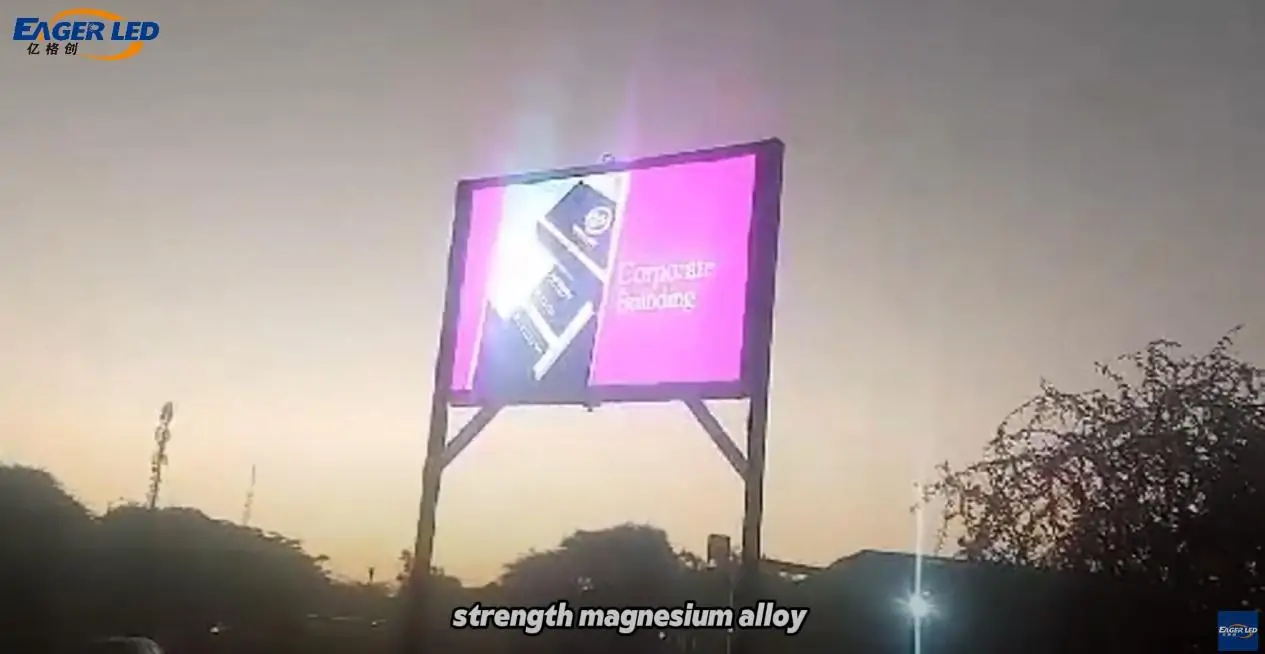
• Outdoor exposure: Confirm the environmental suitability of the complete installation, including cabinets, connections and mounting.
7. LED Display Technology: Questions to Ask
Technology labels can help organize research, but they do not establish whether a screen suits your project. Ask for model-specific evidence when reviewing the following options.
7.1 Micro-LED Technology
Clarify what the supplier means by Micro-LED and review the actual pixel pitch, package design and display performance. Compare models using documented specifications rather than the label alone.
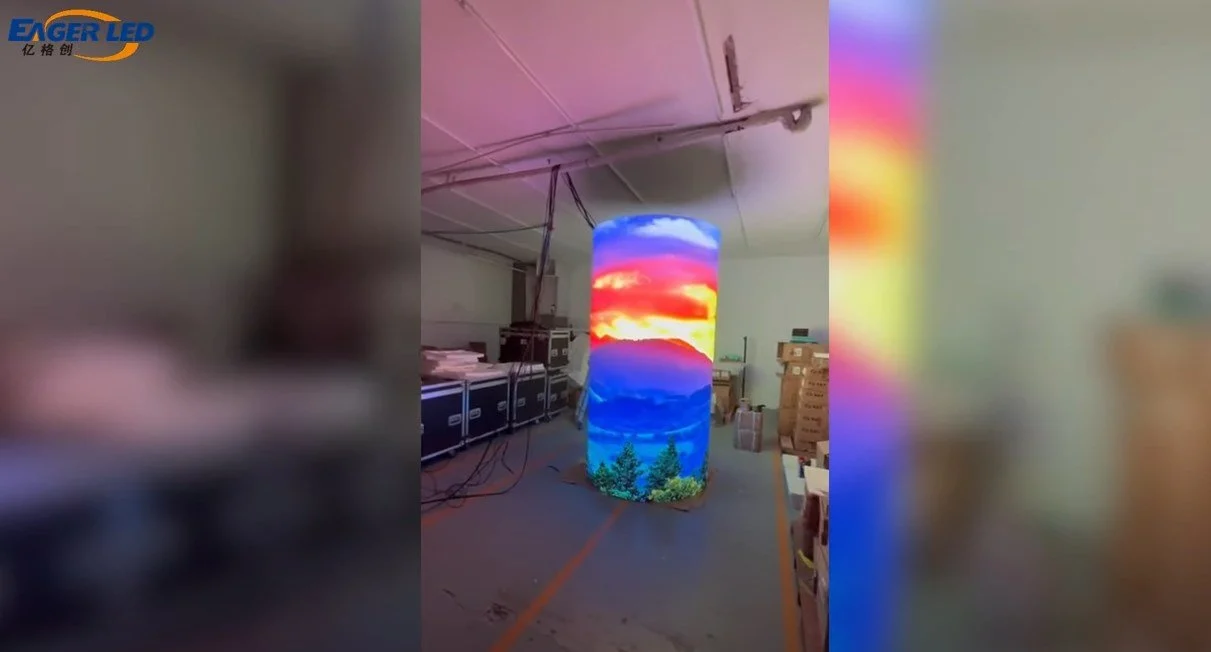
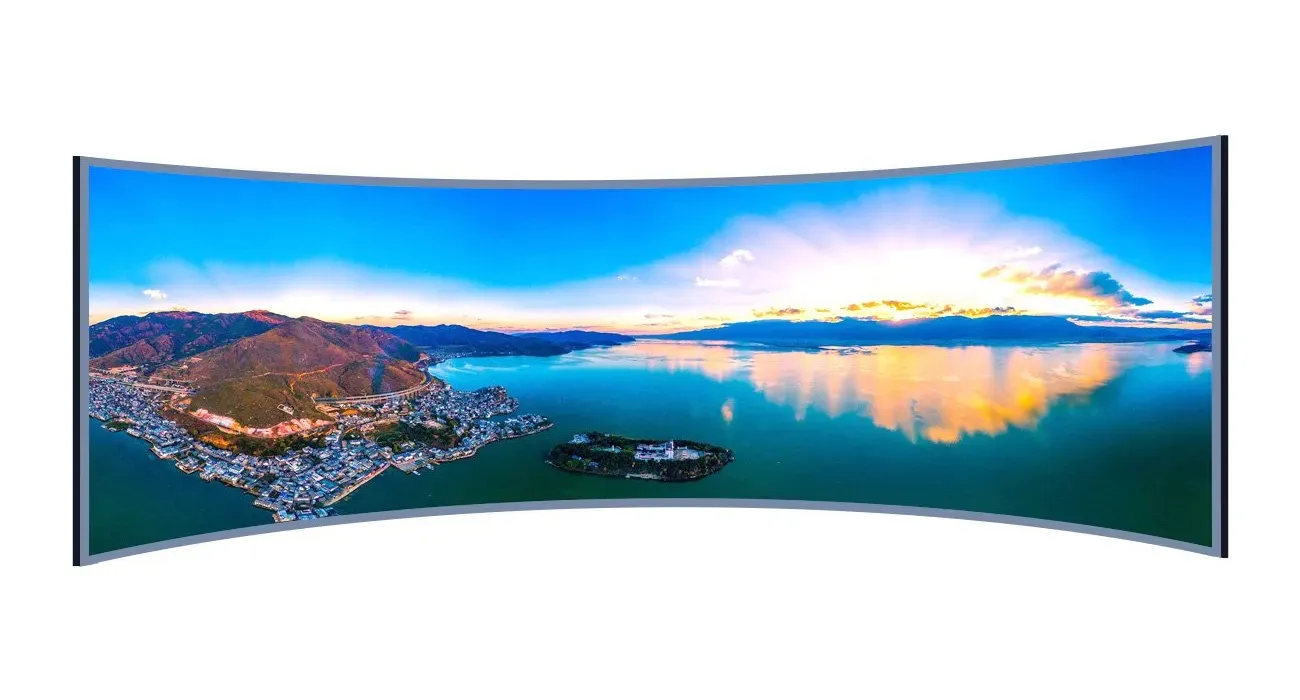
7.2 Flexible and Curved LED Displays
For curved or shaped installations, confirm the permitted bending radius, mounting method and service access. A flexible module should not be assumed to support repeated folding.
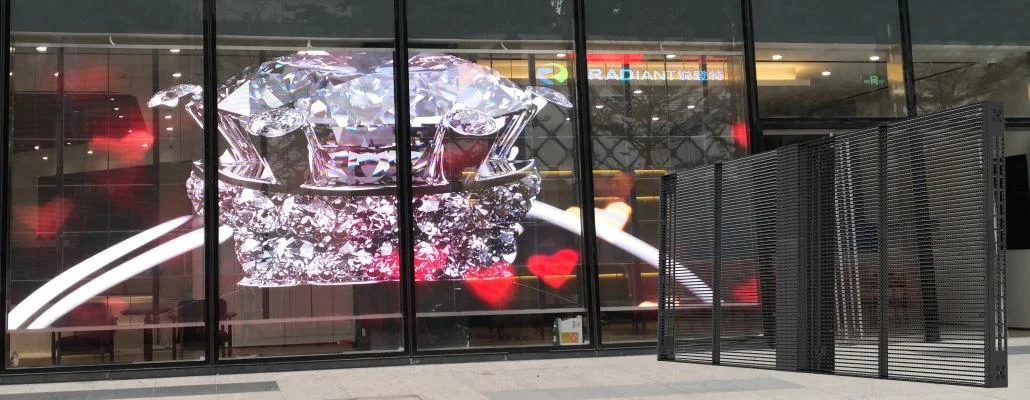
7.3 Transparent LED Displays
Discuss the balance between transparency and displayed content. Review viewing distance, ambient light and the supporting structure before selecting a transparent screen.
7.4 Control and Content Management
Confirm how content is uploaded, scheduled and monitored. Ask which control functions are included and whether any software or network requirements apply.
7.5 Ultra-High Definition (UHD) Displays
Match the physical screen resolution to the content source and viewing distance. Confirm the complete signal path, since a high-resolution input does not by itself determine the screen’s native resolution.
7.6 Energy Use and Serviceability
Evaluate operating power, repair access and replacement-part arrangements. Request evidence for any environmental claim that influences your purchasing decision.
Confirm which of these features are available on the specific EagerLED model being proposed. General industry trends should not be treated as a product specification.
8. Define the Supply and Support Scope
Before ordering, turn the proposal into a clear agreement covering delivery, equipment and responsibilities. These points help prevent gaps between the supplier, installer and operating team.

8.1 Delivery and Local Coordination
Confirm destination requirements and the handover process with the supplier and local team. Record who is responsible at each stage.
8.2 Equipment and Service Boundaries
List the included hardware and services. Distinguish equipment supply from structural work, electrical installation, commissioning and maintenance.
8.3 Approved Configuration
Keep an approved specification and drawing set. Agree how any proposed substitution or design change will be reviewed before shipment.
8.4 Future Expansion
If expansion is planned, ask about compatibility and replacement-component arrangements. Do not assume a later batch will match without confirmation.
8.5 Support Contacts and Handover
Request operating instructions and support contact details. Confirm what information the team needs to diagnose a problem after delivery.
9. Installation Priorities by Industry
Different sites place different demands on a display. Use these application priorities to refine your brief and discuss suitability with the supplier.
9.1 Retail and Shopping Malls
Consider storefront visibility, close viewing distances and access during trading hours. Coordinate the display layout with the surrounding retail design.
9.2 Corporate Offices
Conference rooms and reception areas need clear presentations and appropriate brightness. Confirm connections to the existing meeting or media system.
9.3 Entertainment Venues
Stadiums, theatres and event spaces need suitable sightlines and a clear installation plan. Coordinate video inputs, operating positions and maintenance access.
9.4 Education
Lecture spaces and campuses use displays for teaching and announcements. Check text readability and content management needs with the operating staff.
9.5 Transportation Hubs
Airports and stations display schedules, directions and advertising. Discuss content update workflows and ongoing service access with the site operator.
Review Customer Feedback Videos for Project Context
Use project videos as a starting point for further questions. Confirm the model, application and installation details before treating an example as relevant to your own site.
• Content: Identify what the screen needs to show.
• Audience: Establish where viewers stand or move.
• Operation: Assign responsibility for updates and scheduling.
• Maintenance: Plan access and fault reporting.
• Evaluation: Define how you will assess the result after installation.
10. LED Screen Installation Planning
Review the installation plan with qualified professionals before delivery. The screen, supporting structure, electrical supply and control equipment must be considered together.
10.1 Select the Right Location
Check sightlines, service access and the surrounding environment. Confirm permissions and site constraints before finalizing the mounting position.
10.2 Confirm Ventilation Requirements
Follow the proposed model’s ventilation and operating requirements. Include the cabinet arrangement and surrounding structure in the review.
10.3 Use Qualified Installers
Arrange qualified personnel for structural and electrical work. Agree responsibilities for mounting, connection and commissioning before work begins.
10.4 Check Outdoor Conditions
For outdoor installations, confirm the suitability of the complete system for site exposure. Ask the installer to assess mounting, drainage, connections and service access.
10.5 Agree Acceptance Tests
Agree on a commissioning checklist covering image display, signal inputs, controls and visible defects. Record the approved settings and handover documents.
Prepare Your Enquiry for EagerLED
Provide your project brief and ask EagerLED to confirm the recommended configuration, included equipment and support terms. Use the same checklist to review any alternative proposal.
11. LED Screen Factory Selection Checklist
Choose an LED screen factory based on documented fit for your project. Compare the configuration, inspection evidence, quotation scope and service arrangements, then resolve any gaps with the LED display supplier before ordering.
Request a Project Quotation
Ready to discuss your installation? Share your screen dimensions, indoor or outdoor location, viewing distance and target schedule using the enquiry form below. You can also visit Eager LED Screen to explore the available display categories.
12. LED Screen Factory and Supplier FAQs
How do I choose an LED screen factory?
Compare the proposed configuration, quality-control records, customization options, delivery terms and after-sales support against the same project brief. Request written specifications and clarify the full quotation scope before ordering.
What is the difference between an LED screen factory and an LED display supplier?
A factory manufactures or assembles displays, while a supplier may source equipment and coordinate technical advice, delivery and support. A business can perform both roles. Confirm who manufactures the proposed model and who is responsible for each service.
What information should I send for an LED screen quotation?
Provide the screen dimensions, indoor or outdoor location, viewing distance, intended content, installation method, delivery destination and target schedule. Ask for an itemized quotation with included equipment and exclusions.
Can an LED display be customized for my project?
Customization depends on the model and installation requirements. Ask the supplier to confirm the cabinet layout, dimensions, mounting arrangements and control system in an approved drawing before production.
What after-sales support should I confirm before ordering?
Confirm warranty coverage and exclusions, spare-parts arrangements, technical support contacts and the fault-reporting process. Clarify whether assistance is remote or on site and who pays for any separately charged services.
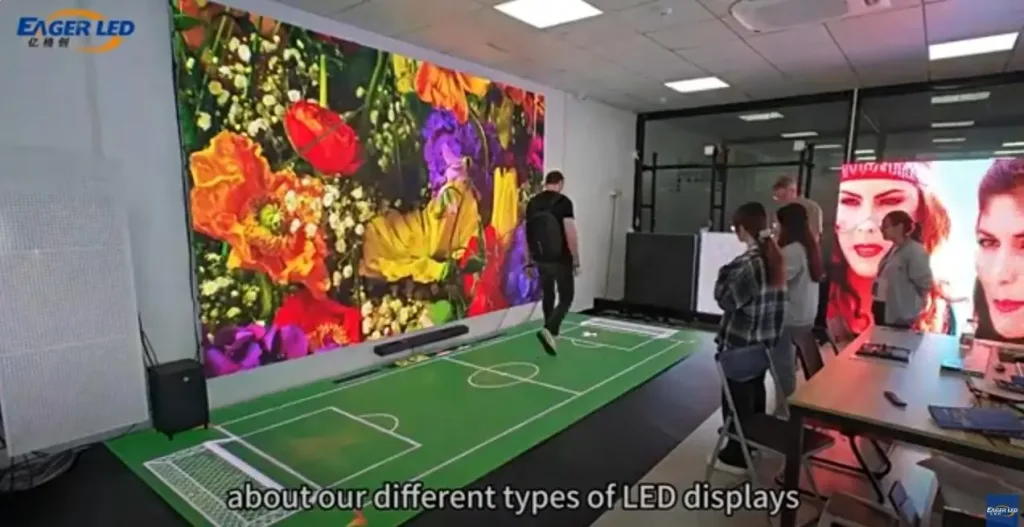 EagerLED LED Screen Company Welcomes Brazil Customers
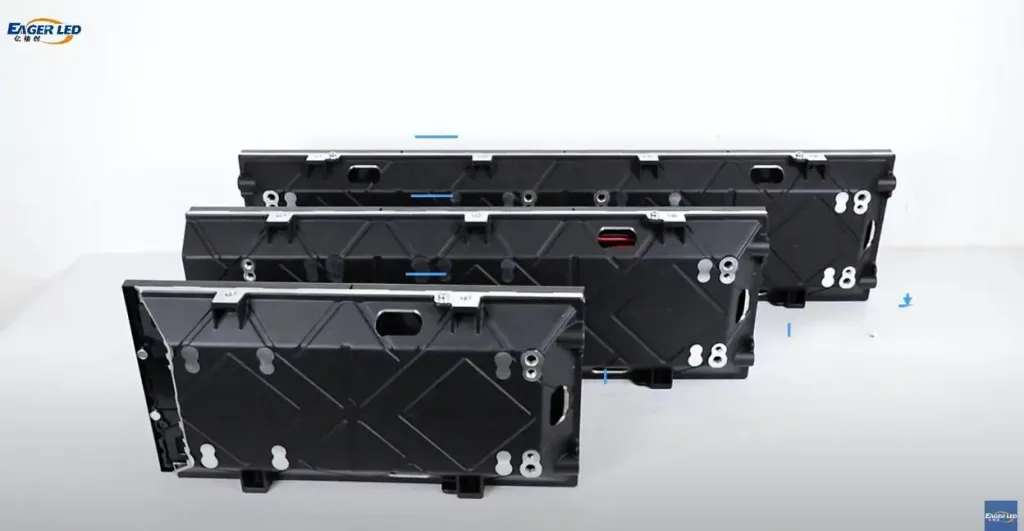 EA250W2 Rectangular Indoor LED Panel Customized Version
Related Posts
Fill In Your Needs In Detail
Fill in the screen usage scene and size you need in “Content”.You will get a quote.