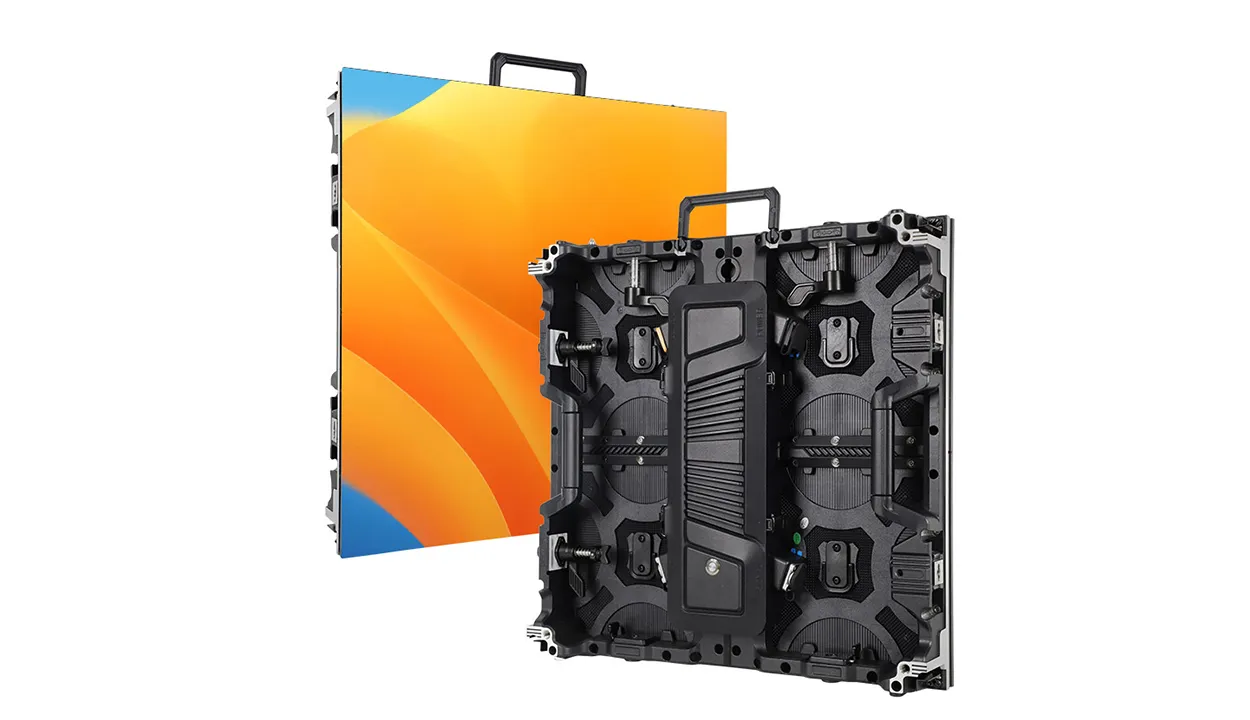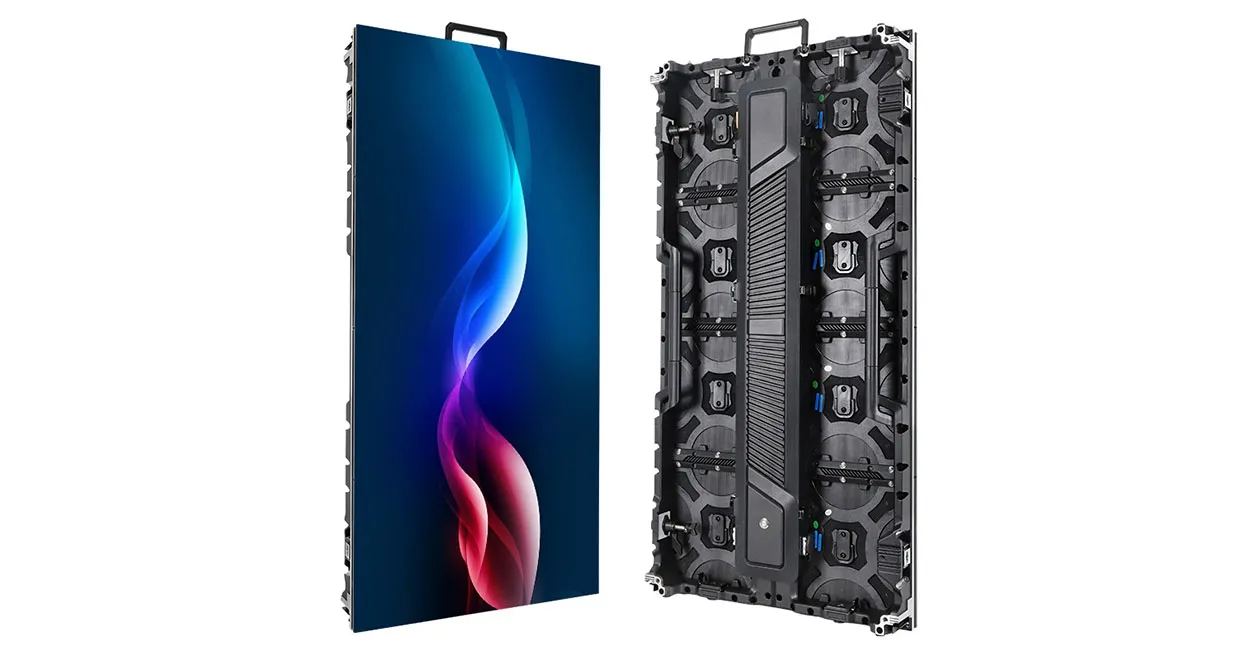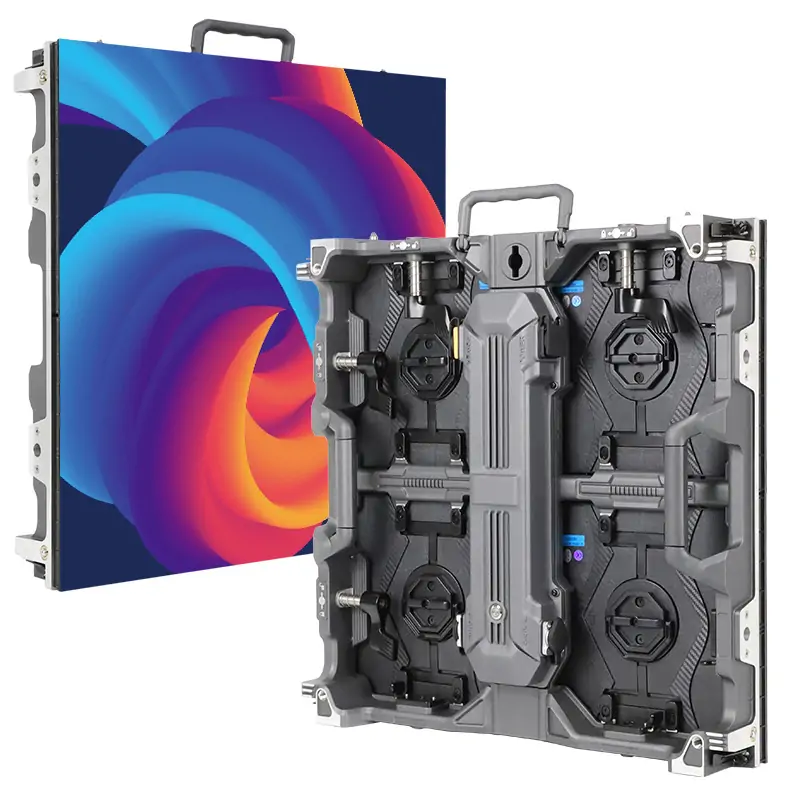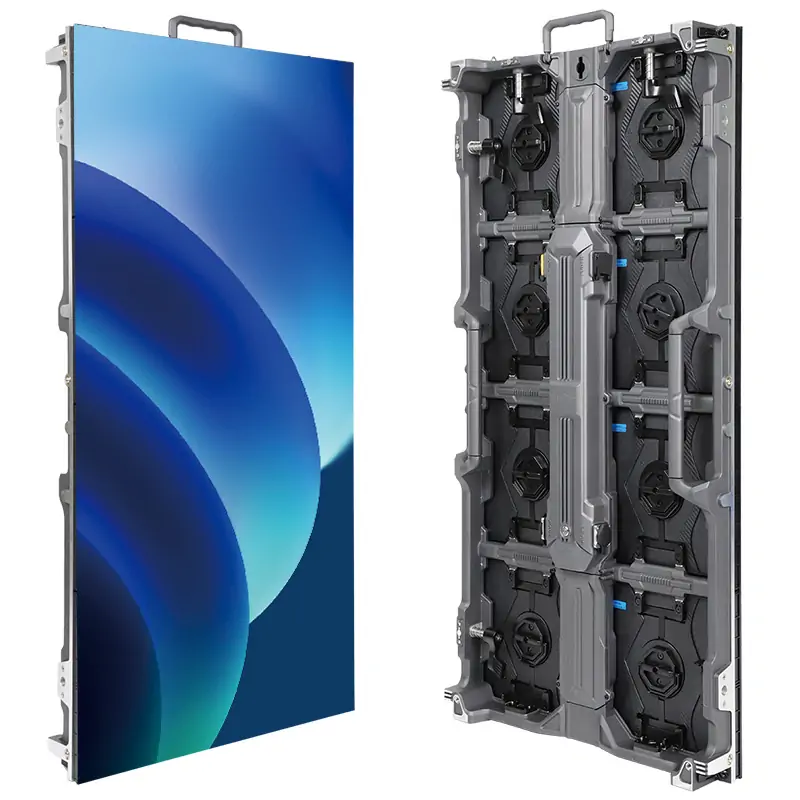
LED screen manufacturers and suppliers serving Russia include local producers, assemblers, distributors and AV integrators. Compare the company’s role, the proposed screen specification and the service contract—not just its position in a list. This guide covers twelve existing entries, including EagerLED, a China-based LED screen manufacturer, and explains the checks needed before requesting a quote.
For a permanent installation, prioritize a documented cabinet layout, suitable operating conditions and a practical repair route. For an event, compare rental availability, rigging, processing and on-site operation. Direct import can also be an option, but responsibilities for delivery, conformity documents, installation and warranty returns need to be agreed in writing.
The profiles below are a starting point for supplier research, not an audited market-share ranking. Company figures are identified as self-reported, and a website screenshot does not prove current stock, certification or support coverage. Use the pricing and conformity sections to build a like-for-like brief before comparing commercial offers.
1. How to Evaluate These LED Screen Manufacturers in Russia
This editorial shortlist reviews public company information and the practical questions it leaves for buyers. The numbering preserves the guide’s navigation; it does not represent an independently measured performance score. EagerLED publishes this article and is included in section 2.11.
Assess each candidate against six criteria:
- Production role: identify which parts are manufactured, assembled, imported or subcontracted, and where.
- Relevant projects: request a recent installation with similar size, environment and content requirements.
- Local service: confirm the crew location, available spares and response terms for your city.
- Price scope: separate cabinets, processor, structure, delivery, installation and taxes.
- Warranty: identify coverage, exclusions, return freight, labor and the party handling claims.
- Conformity documentation: verify the exact model, applicant, manufacturer and current document status.
Public profiles support comparisons of advertised services, but do not establish who is “best,” cheapest or largest. Ask for the same technical brief and acceptance criteria from every bidder. The preserved screenshots are illustrative; their promotional statistics and guarantees may differ from current contract terms.
2. 12 LED Screen Manufacturers and Suppliers Serving Russia
2.1 GK Led Screens LLC
Role: supplier, distributor and assembly/project provider. GK Led Screens’ company page dates its establishment to 2010 and describes partnerships with Chinese factories, production in China and assembly expertise in Moscow. It reports more than 10,000 projects and a team of over 100 people; those are company statements, not a comparative market ranking.
The published service mix covers design, installation, rental and repair, with engineers and installation specialists. This makes the scope of the proposed project more useful to assess than a generic manufacturer label. Ask which factory and cabinet model will be supplied and which work the Russian contracting company performs.
The website advertises delivery in as little as two days using warehouse stock. Treat that as conditional on the exact configuration and destination. Obtain a written stock confirmation, delivery date and warranty schedule; the public profile alone does not establish the cost or service coverage of your order.
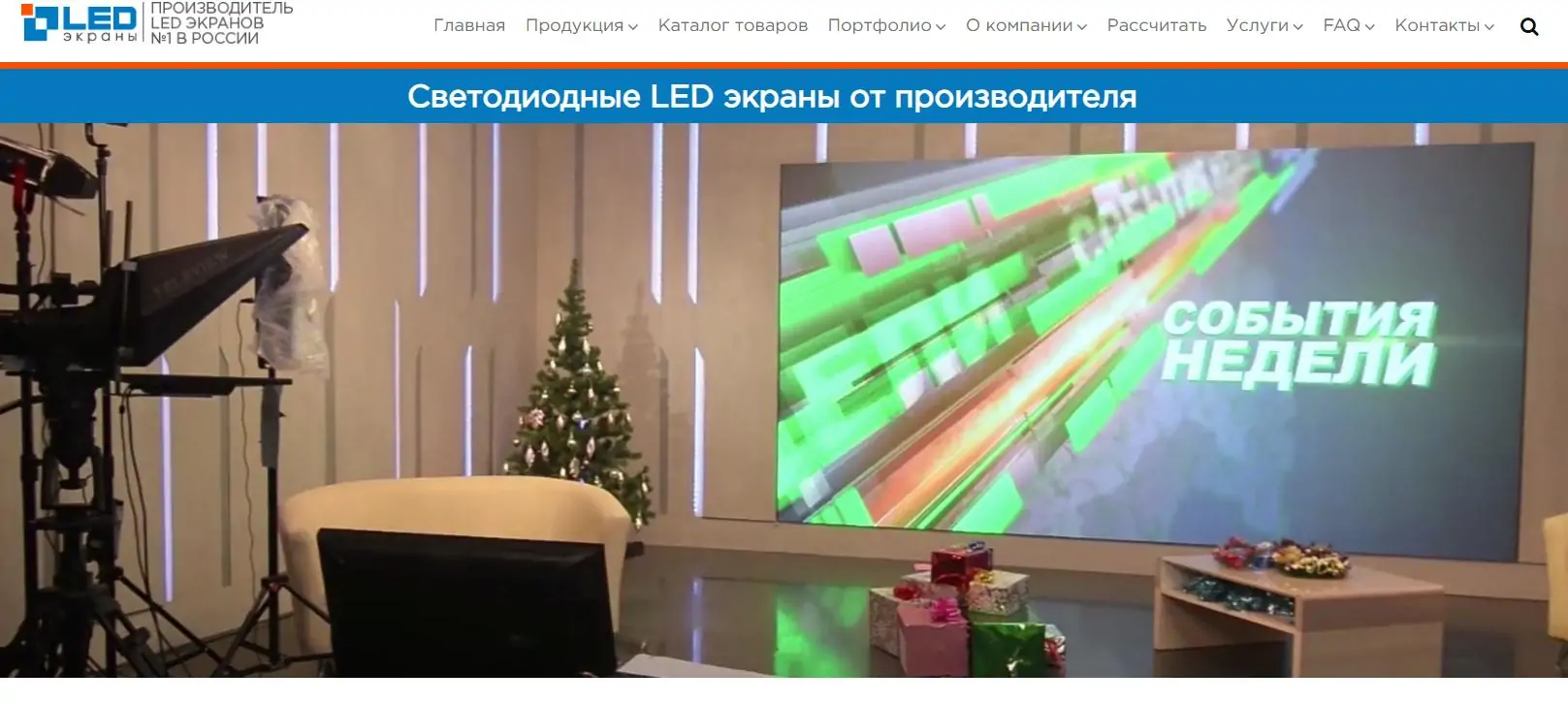
2.2 MEDIA-LED LLC
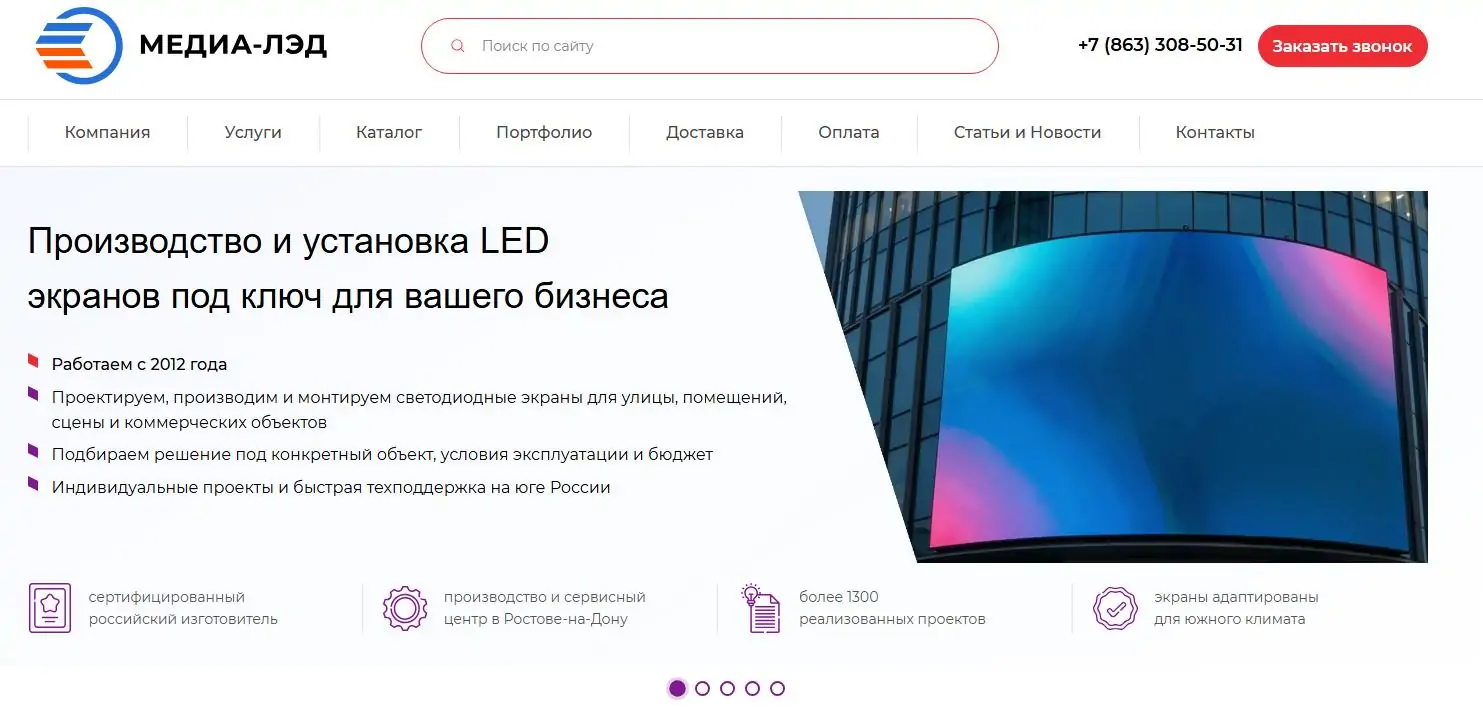
Role: LED display producer and installation/service provider in Rostov-on-Don. MEDIA-LED’s official history says production began in 2012 and describes a move to 650 m² of production premises in January 2022. It reports over 160 video screens across 24 Russian cities and more than 1,900 ticker displays. The premises are not identified as a Moscow-region factory.
Its listed products include indoor and outdoor screens, ticker displays, rental screens and media facades. The company also advertises training and warranty/post-warranty support. Its statement that it works with procurement under 44-FZ and 223-FZ is a supplier capability claim, not proof that any particular product qualifies for every tender.
Ask for a comparable completed project and a model-specific proposal. For multiple information displays, define remote content updates, commissioning and replacement stock at each site. Confirm response times and operating-temperature limits in the contract rather than assuming a guaranteed 48-hour visit.
2.3 Future Vision
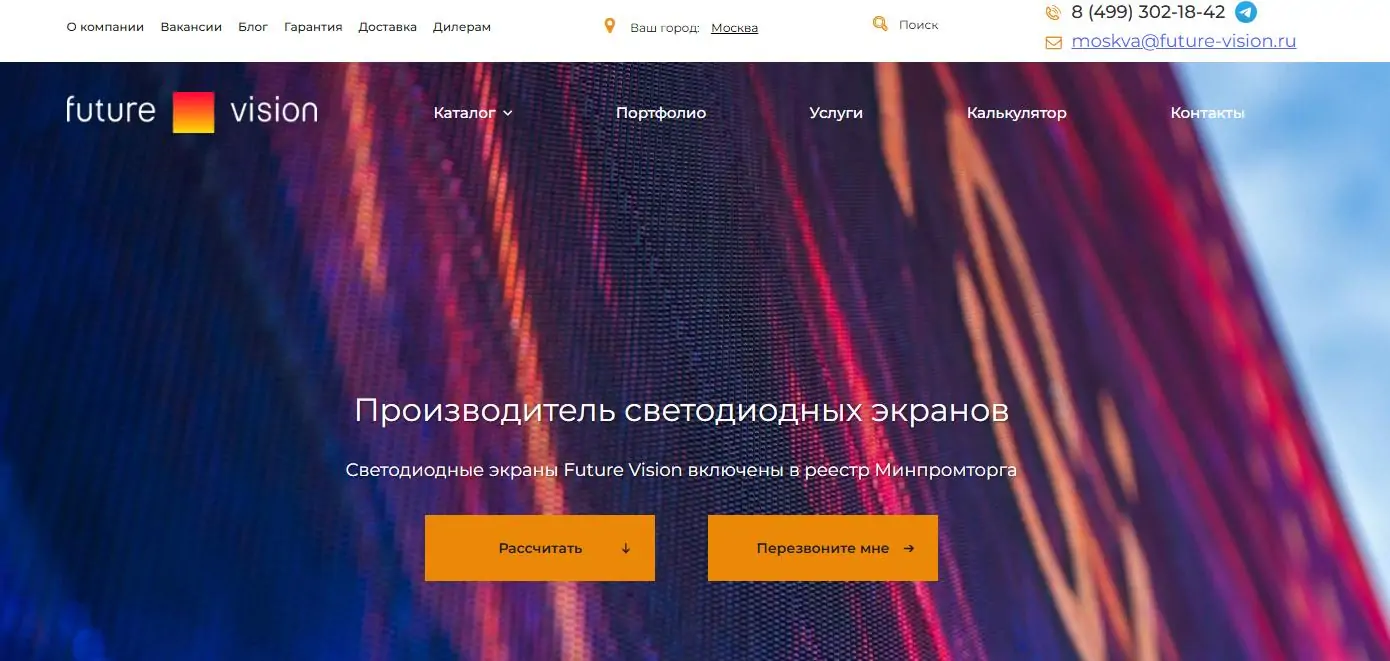
Role: LED screen manufacturer and project integrator. Future Vision’s official history traces its activity to a Future Media division in 2000 and the development of the Future Vision brand in 2013. Its published portfolio covers venues including shopping centers, sports facilities and public spaces.
The company offers screen design, manufacturing, installation and service. For a venue project, request a responsibility matrix covering the LED cabinets, steel structure, power distribution, processor, content system and commissioning. One supplier can coordinate these tasks, but the final scope still needs to identify subcontracted work and excluded items.
Its website also states that its screens are included in the Russian Ministry of Industry and Trade register. If domestic-origin status matters for a tender, request the specific model’s register entry and check it against the procurement requirements. Do not infer eligibility, production capacity or nationwide response times from a general company description.
2.4 ECHDI
Role: display project supplier associated with the HDLT portfolio. The HDLT Moscow Central Diameter case study identifies ECHDI LLC as the company that equipped 25 MCD-1 and MCD-2 stations in 2019. It describes 47 double-sided electronic displays and purpose-designed modules, housings and supports.
That is a concrete project reference for passenger-information displays, rather than evidence of market leadership or a universal product lifespan. For a custom installation, request drawings, service access, weather protection, power requirements and the exact legal entity responsible for delivery and warranty.
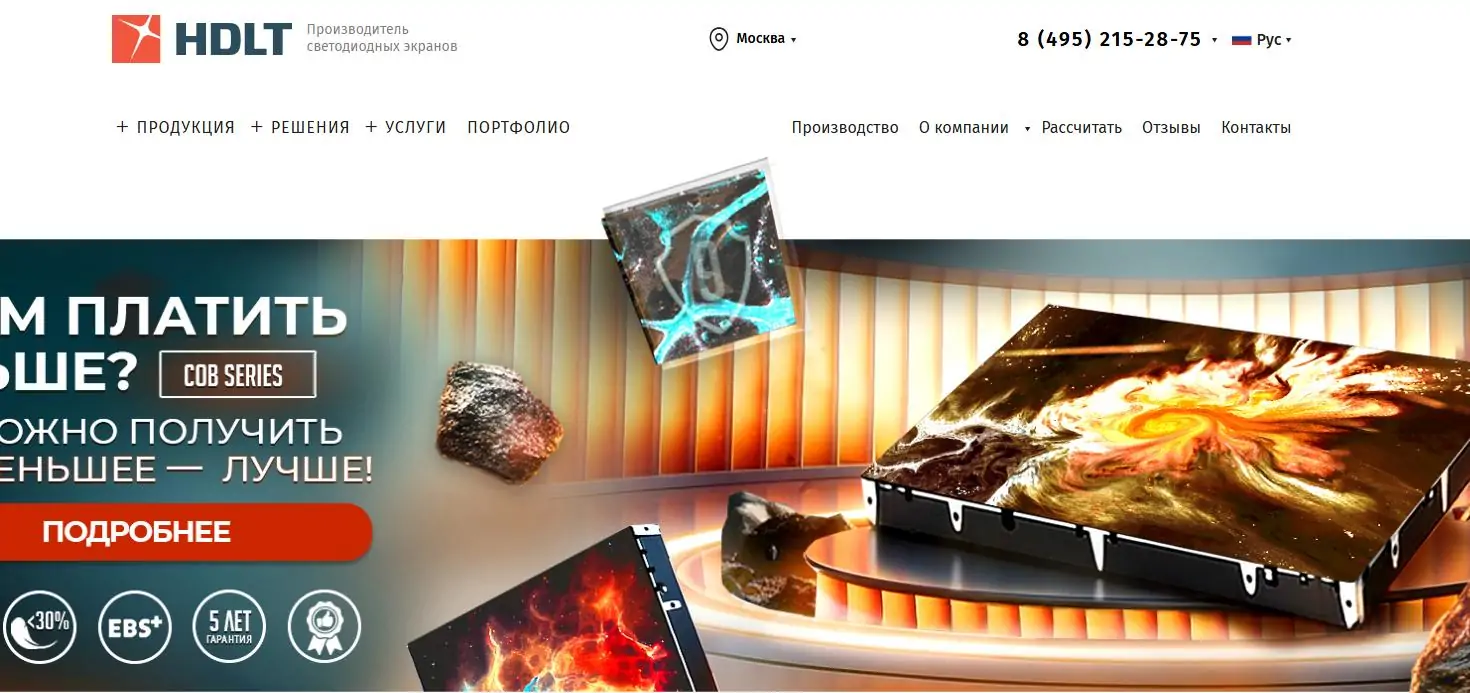
The preserved image shows an HDLT COB-series promotion with a five-year warranty claim. It is not a blanket warranty for every ECHDI project. Confirm the current product range, manufacturing location and warranty conditions directly; the earlier claims of a standard two-year warranty and a ten-year service life are not used here as established facts.
2.5 LED Russia
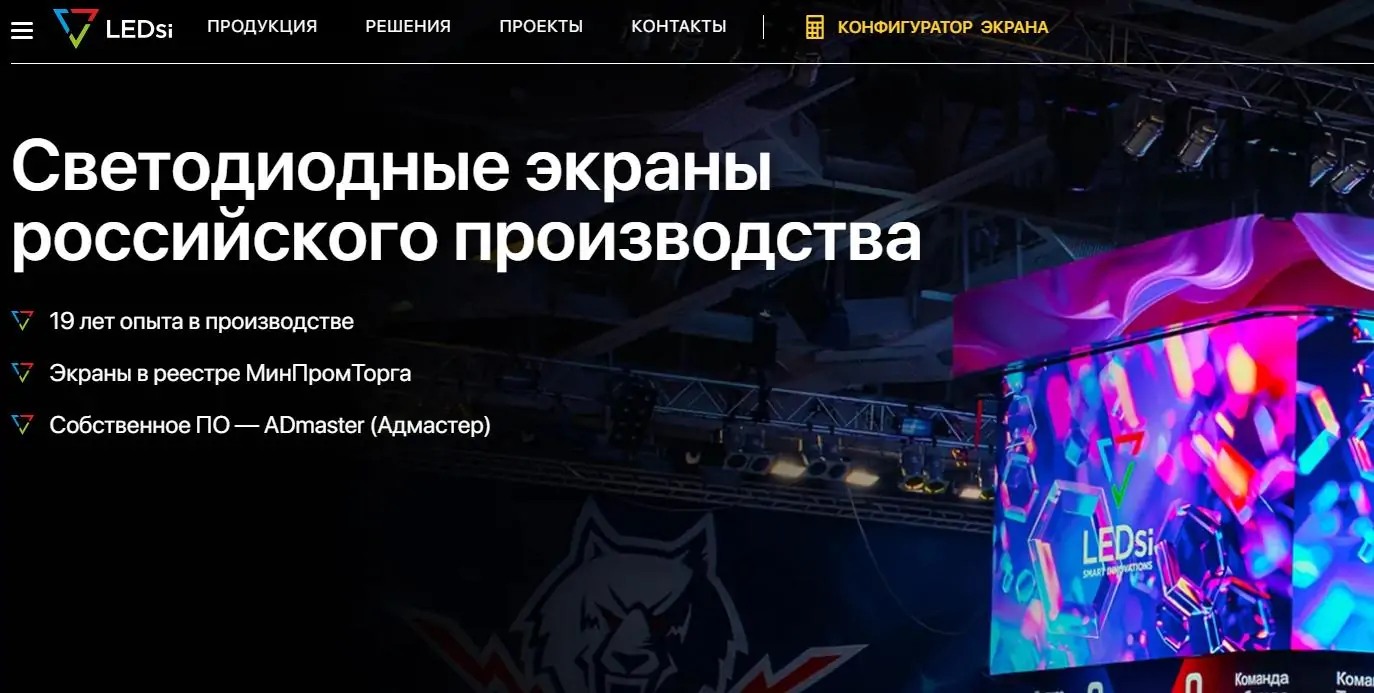
Identity check required. This entry was originally labeled “LED Russia,” but its preserved image visibly shows LEDsi, a different named brand. The image identifies LEDsi’s Russian-production offering and ADmaster software; it does not verify LED Russia’s history, catalog or supplier relationships.
We could not verify the earlier claims about LED Russia’s 2005 founding, more than 100 product types or sourcing from China, Korea and Europe against an accessible official source during this review. Those claims should not be used to choose a supplier. The image is retained for continuity and accurately identified in its ALT text.
Before including this entry in a purchasing shortlist, obtain the full legal company name, registration details, official domain and proposed manufacturer/model. Match those details across the quotation, warranty and conformity documents. If the intended supplier is LEDsi, assess its own current documentation rather than transferring another company’s claims to it.
2.6 CTPAHA LED
Role: manufacturer and supplier trading as STRANA LED (СТРАНА LED). The official company history describes regional activity from 2007 and development of the STRANA LED brand in 2014. Its portfolio includes screens for sports, cultural, broadcast and commercial settings.
For a buyer, the useful question is whether a recent project matches the proposed screen’s environment, cabinet design and service needs. Ask for a model-specific demonstration, the active image dimensions and the location of replacement modules. The sourcing route alone does not establish either a price advantage or a delivery delay.
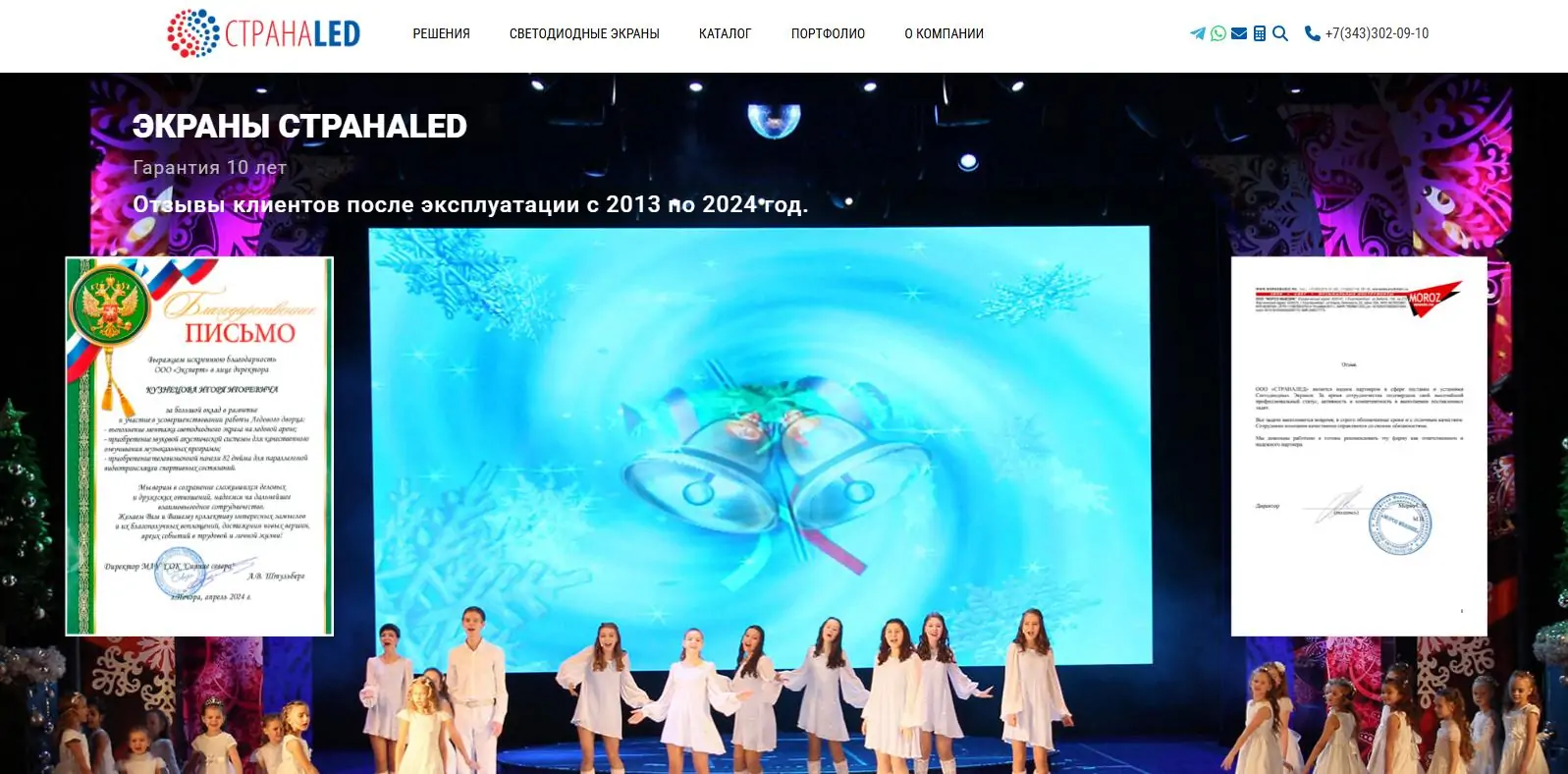
The retained screenshot includes customer letters and a ten-year warranty headline. Treat this as a historical promotional claim requiring current written terms. Ask whether coverage includes labor, transport, electronics, LED brightness changes and on-site visits, and what maintenance conditions apply. A longer headline warranty is meaningful only when its coverage is clear.
2.7 EkranPro
Role: LED/LCD display and AV project supplier. EkranPro’s official site lists a Moscow company address and regional contacts. Its catalog includes LED screens, LCD video walls and kinetic ceilings, so a project can involve several display technologies.
That breadth can be relevant to a lobby, meeting space or venue with different visual requirements. Ask for separate specifications for each technology: LED pixel pitch and native canvas, LCD bezel arrangement, and the system used to control all sources. Confirm that the proposal includes the necessary processors, software licenses and operator training.
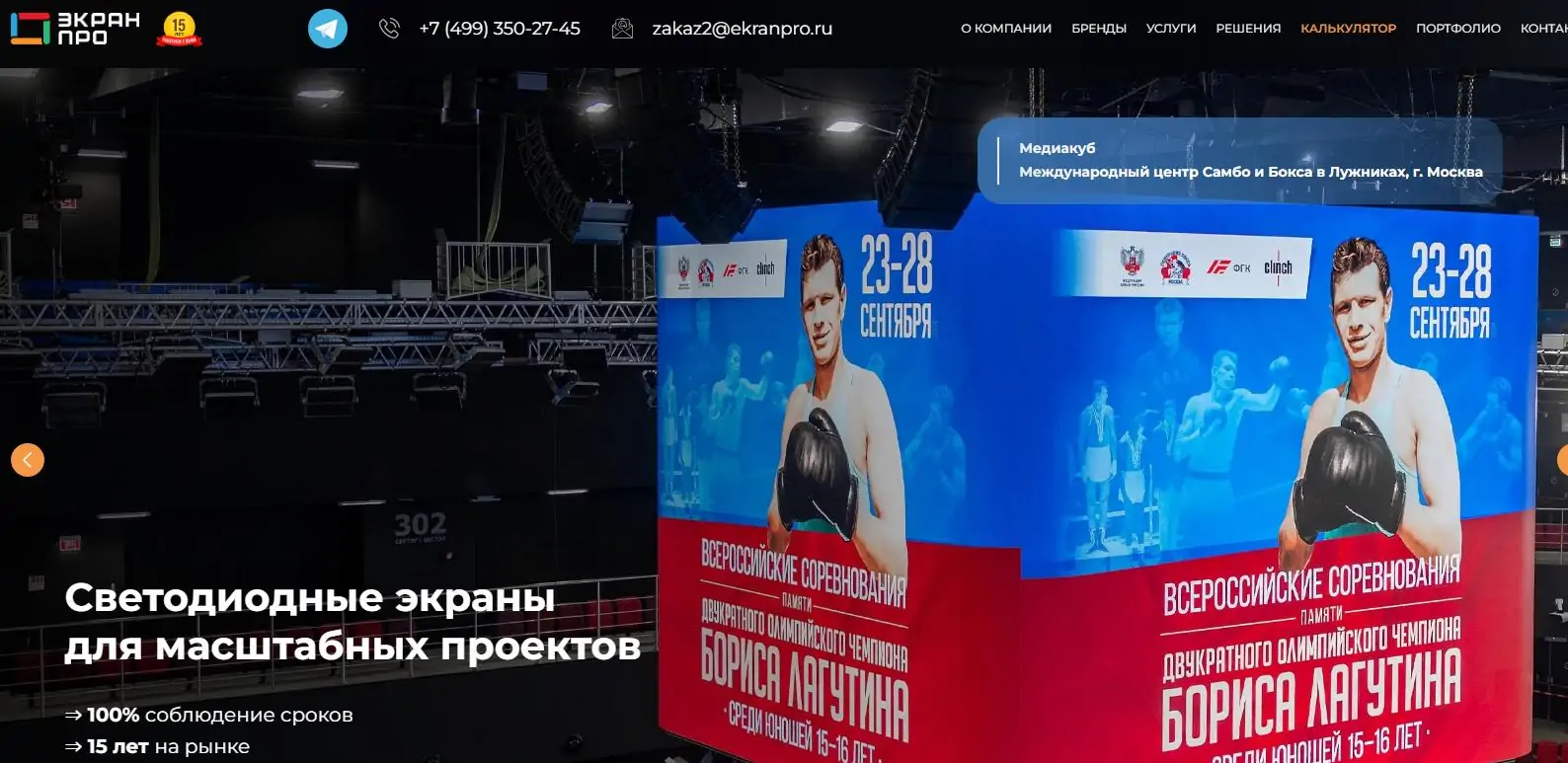
The preserved screenshot shows a sports-venue media cube. Use a comparable portfolio example to discuss rigging, sightlines and content mapping. Current brand authorization and any ISO certificate should be checked by document, scope and validity date; this guide does not treat historic partner claims as proof of current authorization.
2.8 Horizon LED
Role: LED production, design and installation provider. Horizon LED, presented locally as GorizontLED, advertises screens for retail, hospitality, sport, advertising and cultural spaces, alongside architectural lighting. Its website describes production, installation and warranty/post-warranty service.
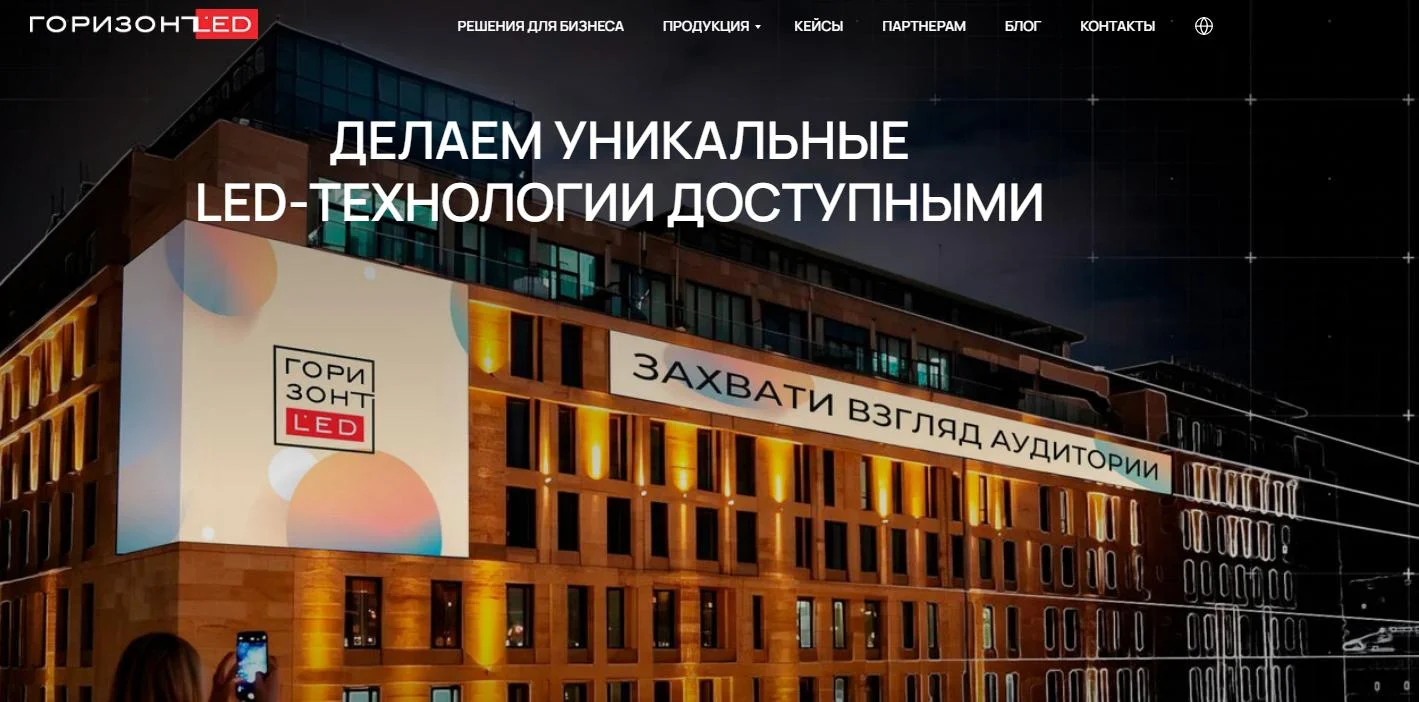
For a building facade, separate the requirements for the display from those for decorative lighting. Agree on brightness control, content schedules, service access and the appearance of the structure when the screen is off. The preserved image illustrates a building-scale display concept; it is not a measured performance specification.
Request the technical drawings and a current service proposal for your location. A supplier’s creative portfolio can help assess visual fit, but cabinet dimensions, electrical loading and structural requirements still need project-specific review.
2.9 XLED Technology Supplier
Role: LED screen dealer, installer and maintenance supplier. XLED’s official site describes sales, installation and servicing across Russia, with indoor/outdoor screens, media facades and other LED formats. Verify manufacturer authorization for the actual brand and model quoted.
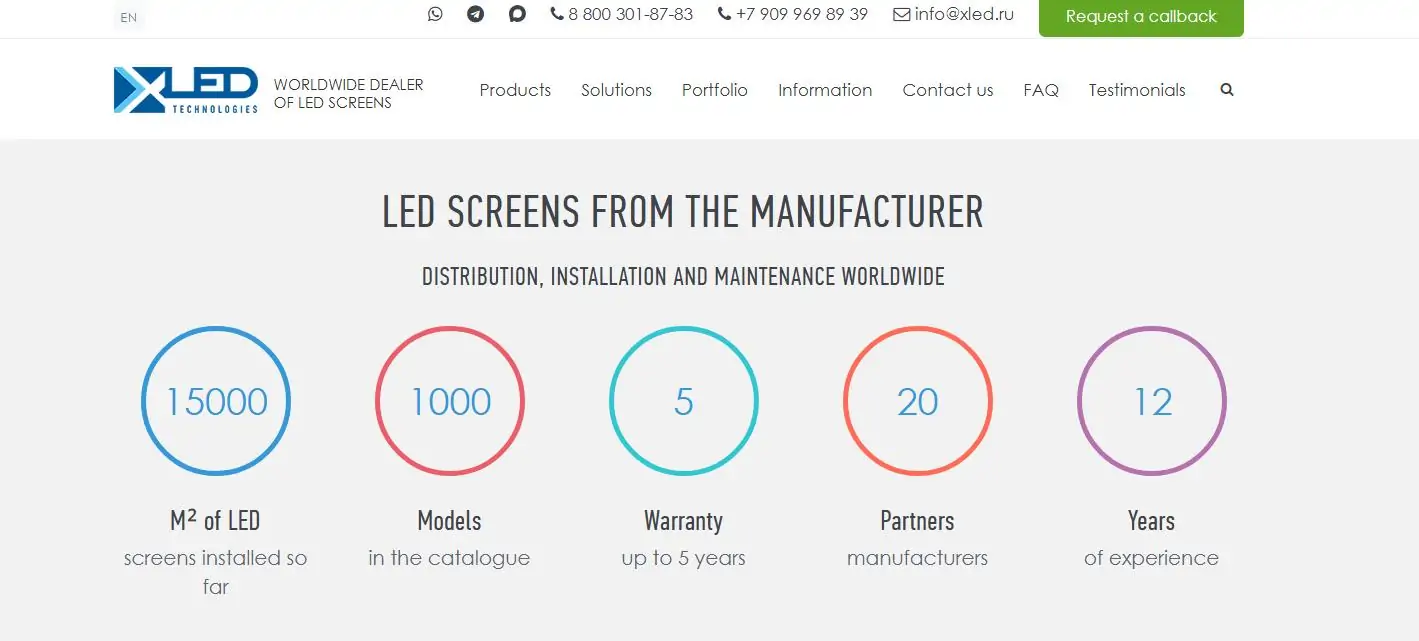
The retained screenshot reports 15,000 m² installed, 1,000 models, up to five years of warranty, 20 manufacturing partners and 12 years of experience. These are historical marketing figures shown in the image, not independently audited current statistics. The live website now displays different totals, so neither set should be treated as a fixed purchasing guarantee.
For a multi-brand proposal, ask who provides calibration files, compatible spare modules and firmware support. Confirm whether replacements come from local stock and whether installation, fault diagnosis and return transport are included in the warranty.
2.10 GTLIGHT
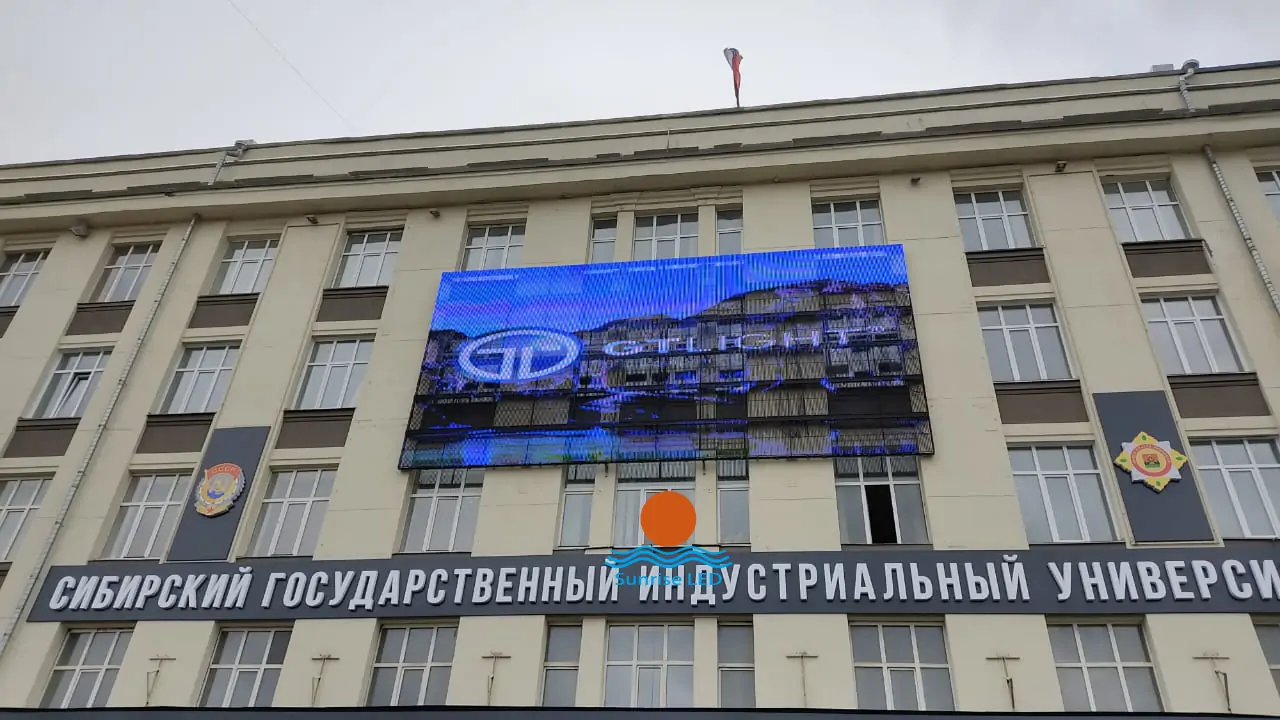
Role: Russian LED screen manufacturer and system integrator. GTLight’s official site identifies its main production location as Novokuznetsk and advertises indoor/outdoor screens, media facades and sports displays. Its company history states that it has made screens since 1999.
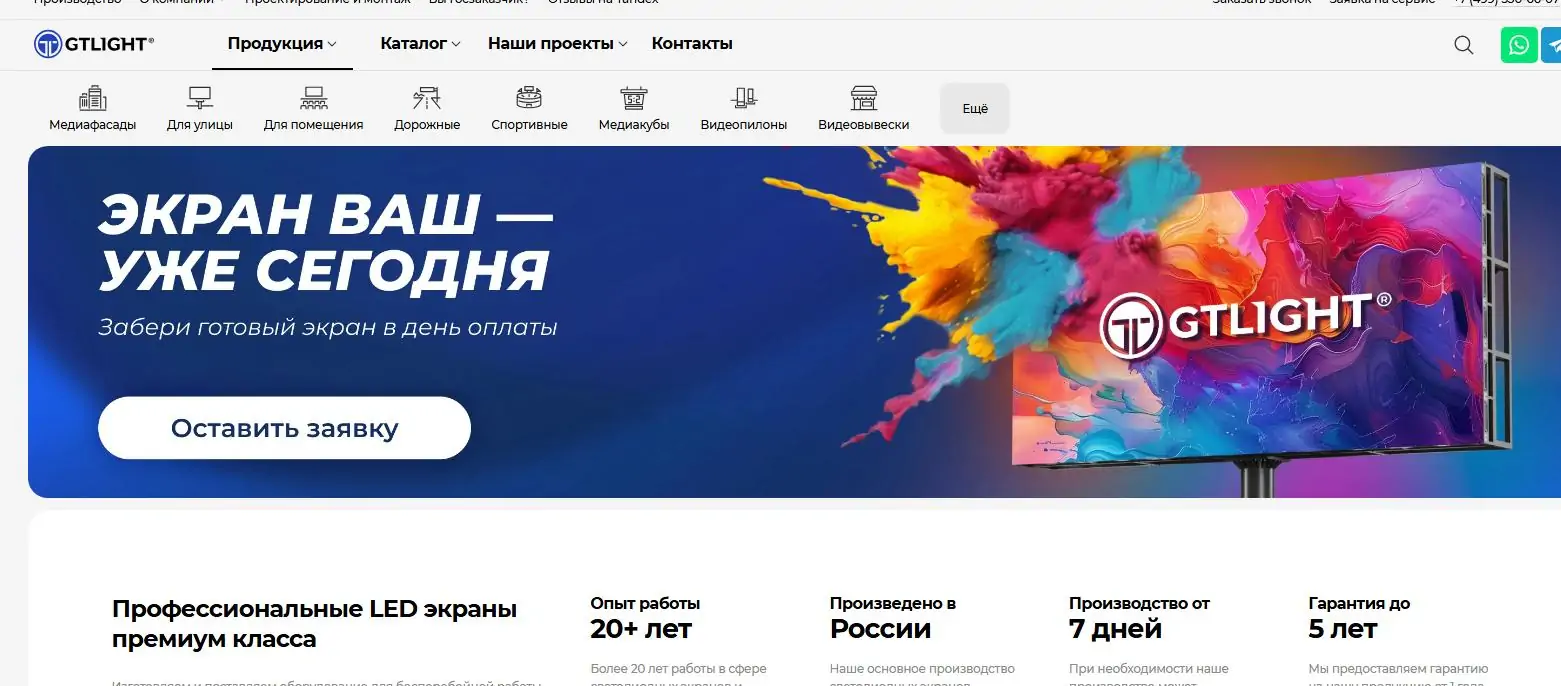
The site advertises production of 300 m² in seven days when required and warranties ranging from one to five years depending on equipment. These are conditional supplier statements. They do not establish that every custom screen is available within a week or carries five years of coverage.
Request a schedule covering design approval, production, testing, delivery and installation. Where a register listing or conformity document is important, match it to the exact product and configuration. A catalog-wide statement about standards is insufficient to verify every screen. The preserved image’s “from seven days” and “up to five years” claims should be read with these conditions.
2.11 EagerLED
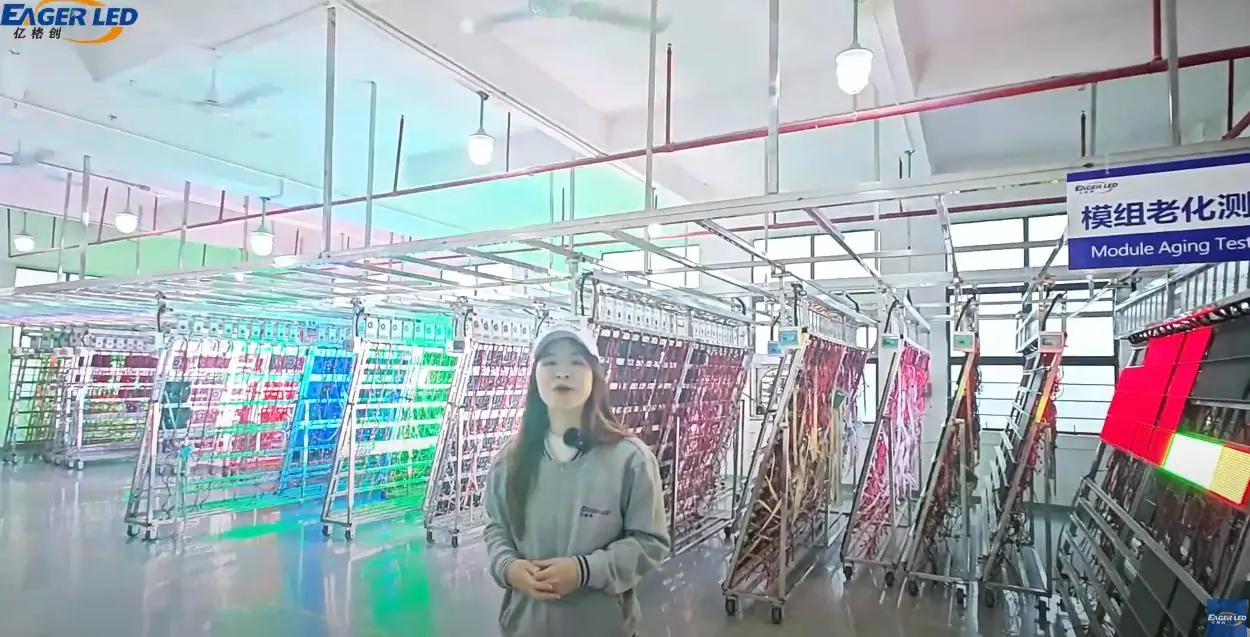
Role: China-based manufacturer; also the publisher of this guide. EagerLED is based in Shenzhen. Its company profile dates its founding to 2009 and describes indoor, outdoor, rental, transparent and sports LED displays. It reports more than 5,000 m² of production/office space and monthly production above 6,000 m²; these are company-reported figures.
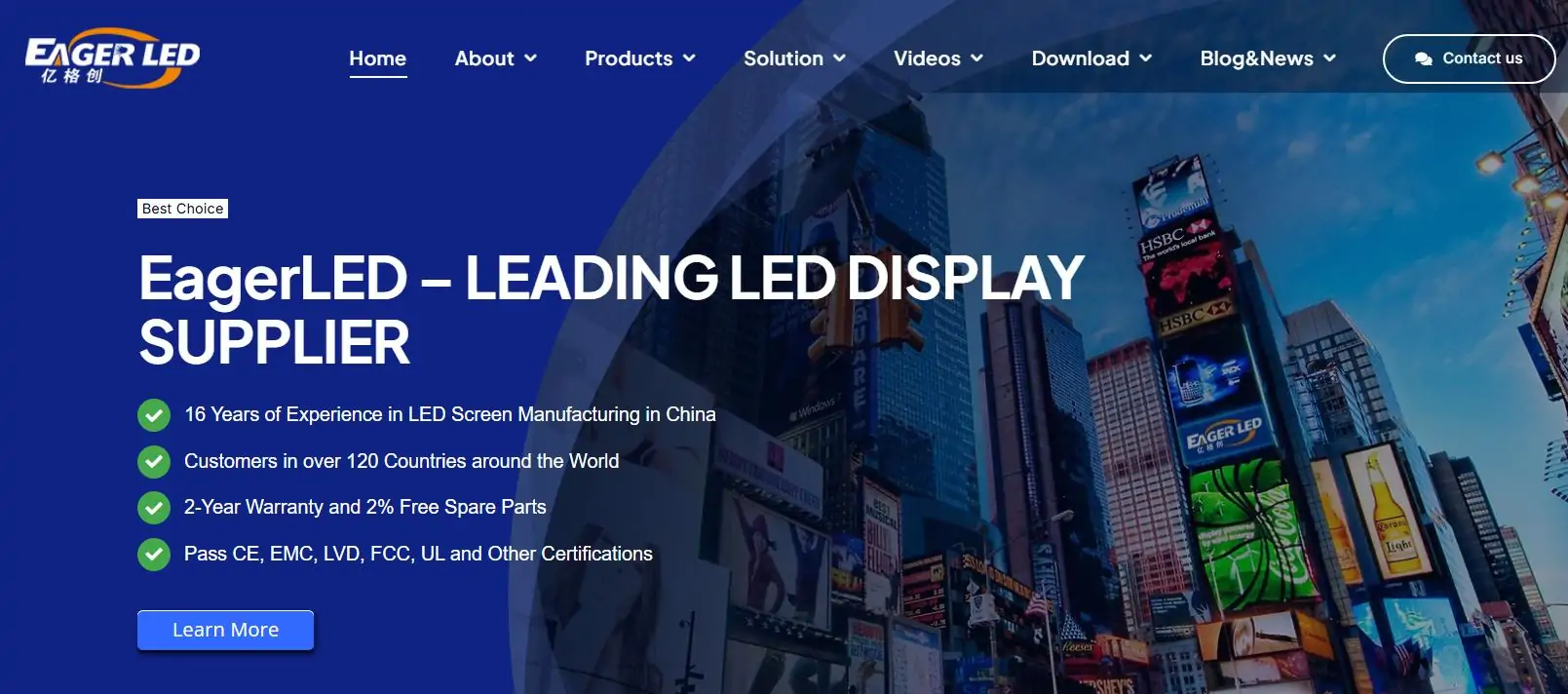
The preserved screenshot advertises a two-year warranty and 2% free spare parts, alongside customer-country and certification claims. Confirm the exact spare-parts list, warranty exclusions and model-specific documents in the quotation. Certification logos do not by themselves establish permission to import a particular configuration into Russia.
For direct supply, agree who handles freight, import documentation, installation and warranty returns. Ask about available Russian-language support and any local service arrangement rather than assuming either is included or absent. Shipping routes, lead times and the contracting party must be confirmed for the current order.
2.12 ART Polymedia
Role: event AV rental and technical services. ART Polymedia’s official profile describes rental of LED screens, projectors, LCD video walls, media servers and video-processing equipment. It is relevant to temporary event delivery, rather than being evidence of LED cabinet manufacturing.
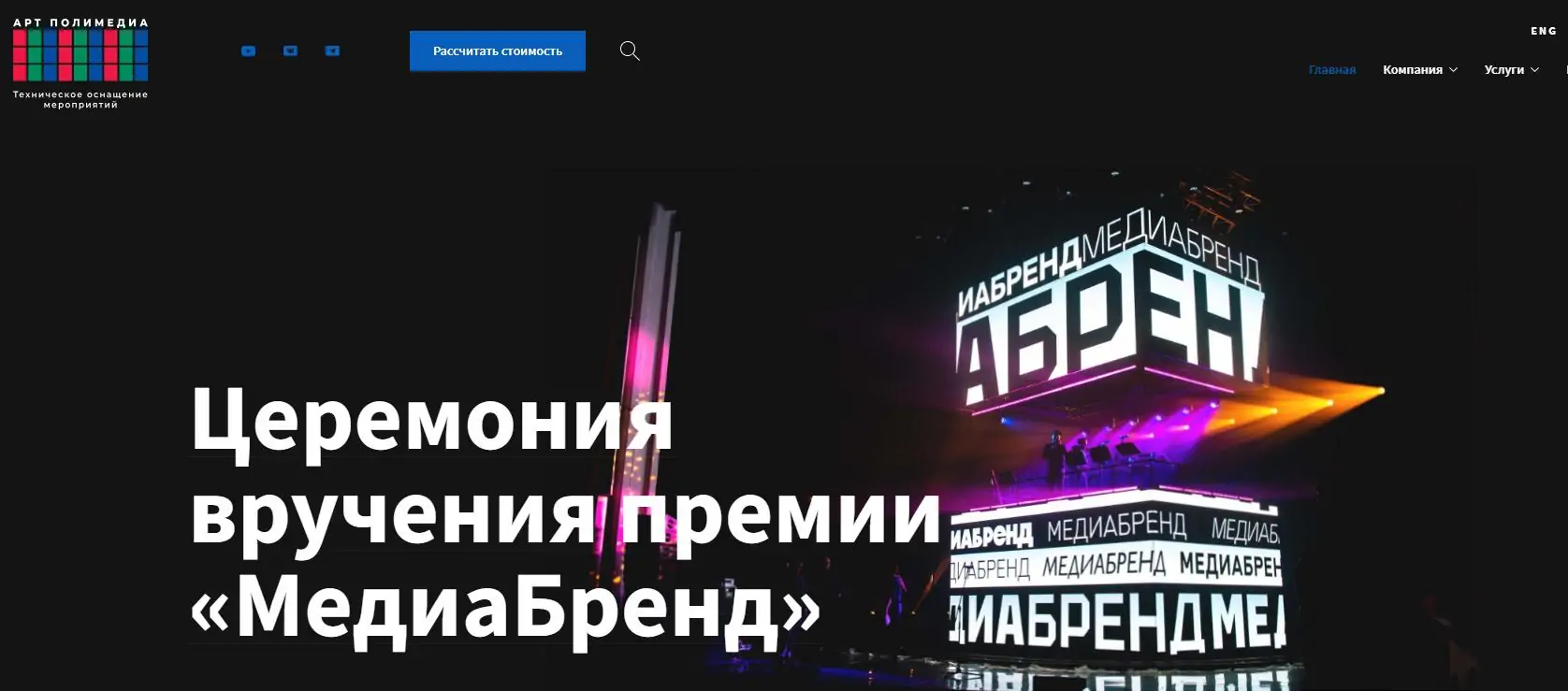
For a conference, sports event or show, request a rental specification covering screen dimensions, pixel pitch, rigging, rehearsal time, playback sources and on-site operators. Include setup and dismantling windows in the quote. The preserved image shows a MediaBrand awards-stage installation, illustrating the event-production context.
Compare the complete event service against purchasing equipment for long-term use. Ownership cost and a staffed rental package cover different responsibilities and should not be compared solely by screen area.
3. How to Compare LED Screen Pricing in Russia
There is no single verified price per square meter for LED screens in Russia. A useful quote needs the model, active area, pixel pitch, brightness, cabinet type, controller and installation scope. Marketplace buyer budgets are not completed sale prices, and an unspecified zero-price listing is not a usable cost benchmark.
Build the comparison around the type of purchase:
- Small permanent screen: itemize cabinets, processor, mounting structure, electrical work, delivery and commissioning. Fixed project costs can be substantial relative to the screen area.
- Creative or flexible display: add custom structures, content mapping, access for repairs and a demonstration of the required curve or shape.
- Wholesale order: specify the batch configuration, spare-parts allocation, packing, inspection, delivery terms and the destination for any warranty returns.
Pixel pitch affects pixel density: changing from 5 mm to 2.5 mm produces four times as many pixels per square meter, assuming a square grid. It does not imply a fixed doubling of price. Component choice, packaging, brightness and cabinet construction also matter. Use the pixel pitch selection guide to define the viewing requirement before requesting prices.
For illustration only, a 4 m × 3 m active screen has 12 m² of display area. Multiply the supplier’s comparable hardware price per m² by 12, then add the separately quoted processor, structure, installation and other costs. This is a calculation method, not a market-price estimate.
Compare offers in the same currency on the same date. State whether taxes, freight, customs handling and conformity assessment are included. Request itemized costs based on the product classification and shipping terms rather than applying an unsupported universal percentage.
Finally, compare ownership costs: electricity, planned cleaning, spare modules, technician travel and expected downtime. A lower hardware quote may have a narrower service scope. Ask each bidder to explain exclusions and the cost of an out-of-warranty repair so the comparison remains meaningful after installation.
4. EAC Conformity Checks for LED Screens in 2026
Check conformity requirements for the exact product before shipment. LED display equipment may fall within low-voltage safety and electromagnetic-compatibility rules, including TR CU 004/2011 and TR CU 020/2011. The applicable certificate or declaration route depends on the equipment and its classification; do not assume every LED product follows one certification scheme. See the Eurasian Economic Commission’s technical-regulation guidance.
Russia’s Resolution No. 1669 of October 27, 2025 changes procedures for checking and suspending conformity documents, including documents issued elsewhere in the EAEU. It should not be described as a blanket rejection of all certificates issued by other member states.
Ask the importer and an accredited conformity-assessment body to confirm the current requirements, document status, model coverage, applicant and supporting test evidence. Obtain a written scope, fee and timetable. A generic “EAC compliant” statement, an image of a certificate or a fixed fee quoted without product details is insufficient. Wireless functions should be assessed separately for any additional applicable requirements.
5. Buying From China vs. Buying From a Russian LED Screen Manufacturer
Compare the complete supply arrangement. Direct purchase, local distribution and local assembly can each work, but their responsibilities and costs differ. The legal seller and the written scope matter more than a broad country label.
Buying directly from a Chinese manufacturer can provide access to factory configuration options and production discussions. It does not guarantee the lowest installed cost. Obtain a quote for the actual destination and clarify who is responsible for import arrangements, conformity documents, transport insurance and installation.
Before shipment, agree on inspection evidence, the packing list, spare parts and acceptance tests. For a fault after delivery, specify whether the remedy is a replacement part, a return repair or local labor reimbursement. Confirm the working language and support hours. A factory relationship is most useful when the buyer has a defined installation and maintenance plan.
Buying from a Russian supplier can simplify coordination when the contract includes delivery, local installation, commissioning and service. Those services are not automatic: a registered address or sales contact does not establish a stocked service center in your city.
Request the names of the responsible parties, response targets and replacement-stock arrangements. Compare the complete domestic proposal with a direct-import offer on the same scope. There is no verified universal reseller markup in this guide, and a one-off installation does not automatically favor one route. Choose the arrangement that covers the work your team cannot provide.
Local assembly is another model. A company may combine purchased modules, power supplies and receiving cards with its own cabinets, structures, software or installation work. Ask it to describe the actual production steps and name the manufacturer of the proposed components.
Assembly location, semiconductor origin and responsibility for the finished display are separate questions. For procurement, check the specific origin/register documentation if required. For maintenance, confirm that the same party can supply matching modules, configuration files and service instructions throughout the agreed support period.
6. What Most Buyers Get Wrong About LED Screens in Russia
Design for the installation environment. An outdoor screen’s minimum operating temperature is only one requirement. Ask about cold starts, condensation, humidity, enclosure protection, cooling and the actual temperature range of power supplies and control electronics. A unit rated to −20°C should not be assumed suitable for a site that reaches −30°C.
Request model-specific environmental test evidence and the manufacturer’s startup/shutdown procedure. For an exposed facade, have the installer assess wind loading, drainage, corrosion protection and maintenance access. Avoid treating a generic “Russian winter” claim as a substitute for engineering to the site conditions.
Check the documents as carefully as the display. Match the supplier’s legal name, manufacturer, model and product description across the quotation and conformity records. Ask the responsible importer or assessment body whether replacement components are covered by existing documents or require separate treatment.
Keep the approved specifications, serial-number list, calibration/configuration files and acceptance record. These details help resolve service questions later and reduce the risk of receiving a substitute configuration that differs from the product originally assessed.
Price installation before ordering hardware. A ground-supported display, a high-level facade and a temporary rental LED video wall have different structures and access needs. Rigging, lifting equipment, power distribution, permits and technician travel should be quoted for the actual site.
Agree on a commissioning test using the real content and viewing positions. Check the screen aspect ratio and native pixel canvas, image mapping, brightness control and service access. Set written acceptance criteria and assign responsibility for correcting any defects before the handover is signed.
7. FAQs
8. Conclusion
Choose LED screen manufacturers and suppliers serving Russia by their documented product and service scope. A local producer or integrator may suit a managed installation; a direct factory relationship may suit a buyer with its own import and technical resources. Neither route guarantees the best price or outcome for every project.
Shortlist comparable proposals, verify company identity and model-specific documents, then confirm delivery, installation, spares and warranty responsibilities in writing. Treat the profiles and screenshots as research aids, and make the final choice against the requirements of your actual screen and site.
 Screen Aspect Ratio Guide for LED Displays: 16:9 vs 4:3
 Novastar VX1000 Setup Guide: Working Modes, Backup Config, and Tips
Fill In Your Needs In Detail
Fill in the screen usage scene and size you need in “Content”.You will get a quote.