The evolution of LED screens has expanded how businesses use digital displays, from large outdoor signs to fine-pitch indoor video walls, rental cabinets and flexible installations. Advances in LED packaging, pixel pitch and control systems have made more display formats practical, while each project still requires careful selection.
This guide explains those changes, the roles of factories and suppliers, and what buyers should compare across indoor, outdoor, rental and flexible LED screens.
1. How LED Screens Have Evolved
Early LED displays were suited to simple indicators and signs. Full-colour LED technology enabled larger video displays, while smaller pixel pitches and improved manufacturing supported closer viewing indoors. Modular cabinets also made it possible to assemble screens for different spaces and event formats.
Direct-view LED screens create an image using light-emitting pixels. They differ from LED-backlit LCD screens, which use LEDs as a backlight behind a liquid crystal panel. Both remain useful: compare the actual display size, viewing distance, image detail, ambient light and budget instead of assuming one technology is always better.
For buyers, the evolution of LED screens matters when an improvement solves a project need. Finer pixel pitch can support more detailed content at shorter distances; modular construction can support large or unusual formats. Neither replaces a venue survey or a model-specific specification review.
2. The Role of an LED Screen Factory
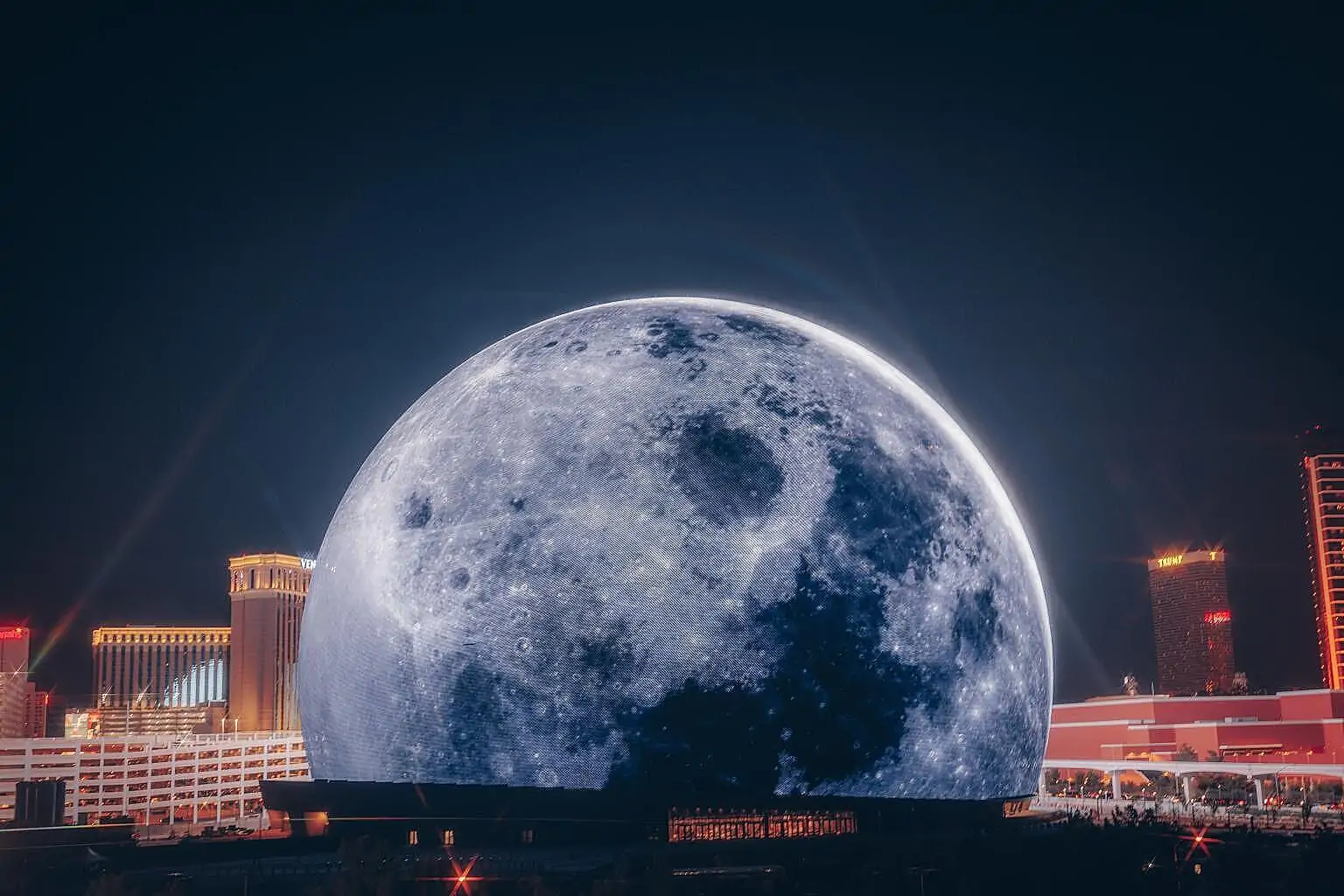
An LED screen factory assembles and tests modules, cabinets and their electrical components. Manufacturing choices affect image consistency, serviceability and installation requirements. Buyers should review the proposed configuration and quality checks, rather than relying on general claims about brightness or durability.
2.1 What Happens in an LED Screen Factory?
A factory brings together LED modules, circuit boards, power supplies and cabinet components. Assembly, calibration and testing help check that the display operates as intended. Outdoor projects also require an enclosure and components suitable for the specified environment.
Customisation may involve cabinet dimensions, mounting arrangements or a curved layout. Ask the manufacturer to confirm the supported design, access for maintenance and compatibility of replacement parts before approving a configuration.
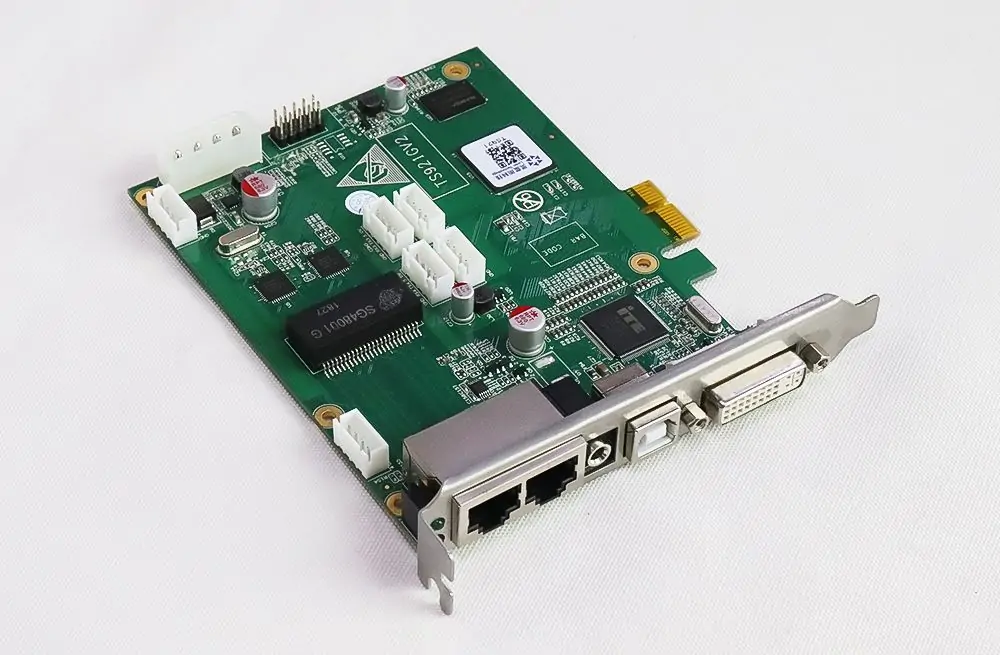
LED sending card
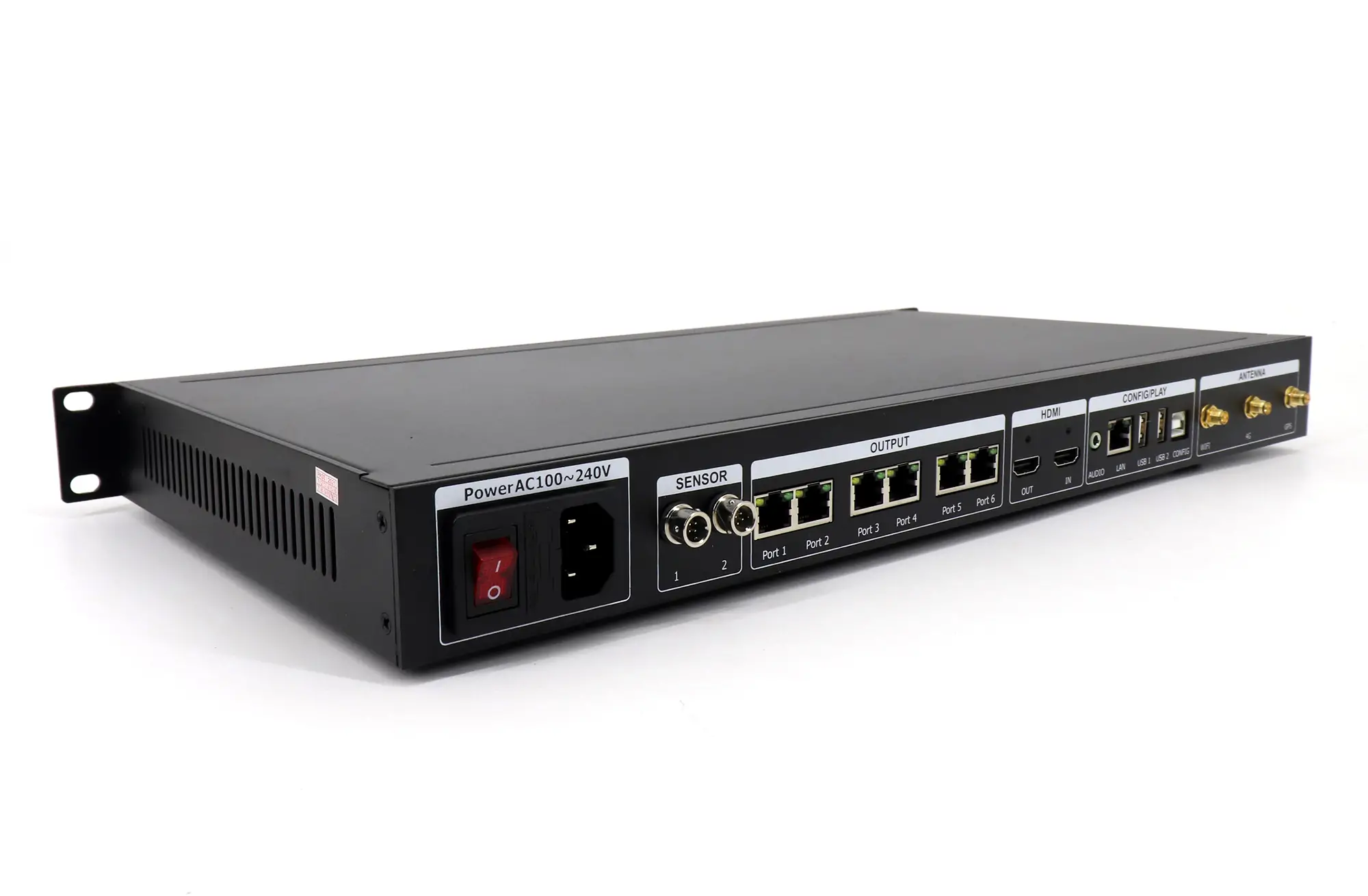
LED video processor
2.2 Quality Control and Testing
Quality control should address image uniformity, pixel faults, electrical connections and operation under the conditions specified for the product. Ask which checks apply to the ordered model, how results are recorded and what acceptance criteria will be used before shipment.
For outdoor installations, request the relevant environmental ratings and supporting documentation. For indoor video walls, inspect colour consistency, surface flatness and low-brightness performance. A test report should relate to the proposed product and conditions, rather than imply reliable operation in every climate.
3. How LED Screen Suppliers Support Projects
An LED screen supplier helps connect a project brief with a suitable display configuration. Some suppliers also manufacture screens; others distribute products or integrate complete systems. Establish who is responsible for design, equipment, installation and support at the start of the project.
3.1 Matching a Display to the Project
A supplier can help compare screen types against viewing distance, content and venue conditions. A temporary event may need rental cabinets, while a permanent retail installation may prioritise service access and integration with the building.
Confirm the scope of delivery, installation guidance, commissioning, training and technical support in the quotation. Availability varies by supplier and project, so do not assume every service is included with the screen.
3.2 Choosing a Reliable LED Screen Supplier
Compare suppliers using a documented specification, relevant project examples, warranty terms and spare-part availability. Request a demonstration with content similar to your intended use and clarify who will resolve problems after installation.
Pixel pitch is the distance between neighbouring pixel centres. It influences the pixel count for a given screen size and the suitability for close viewing. A supplier should help assess it alongside content detail, viewing distance, brightness, control equipment and budget.
4. Rental LED Screens for Temporary Events
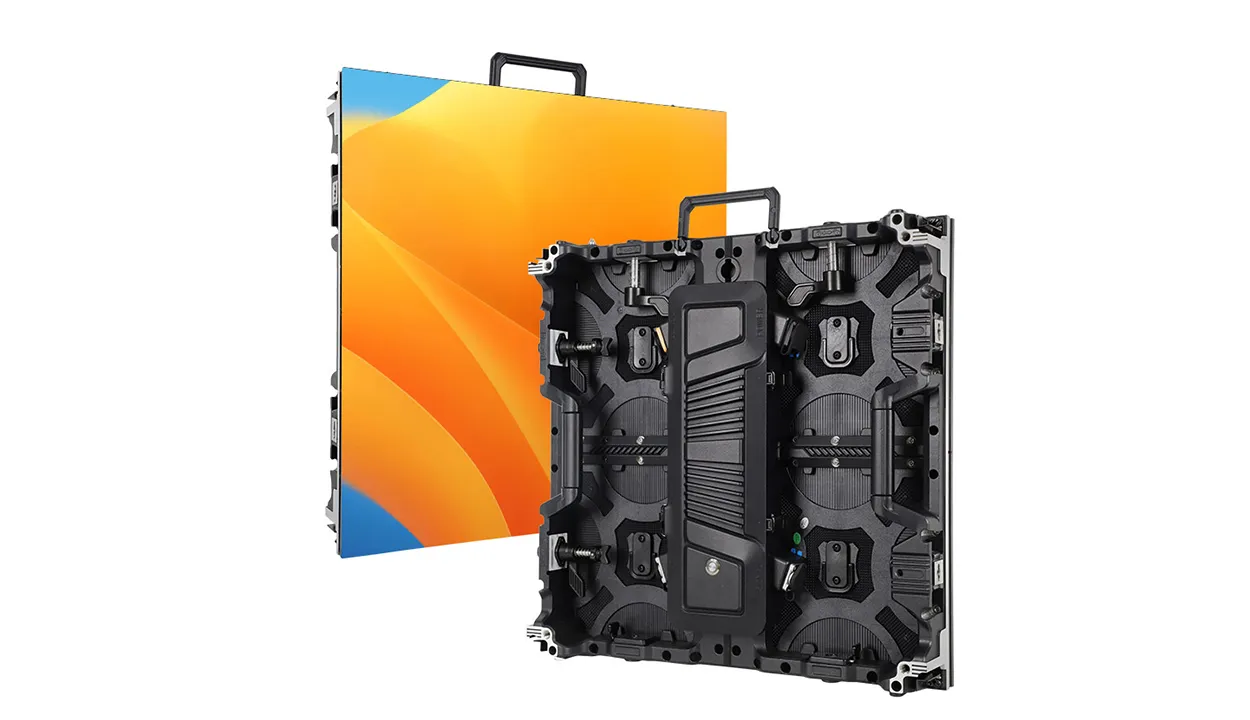
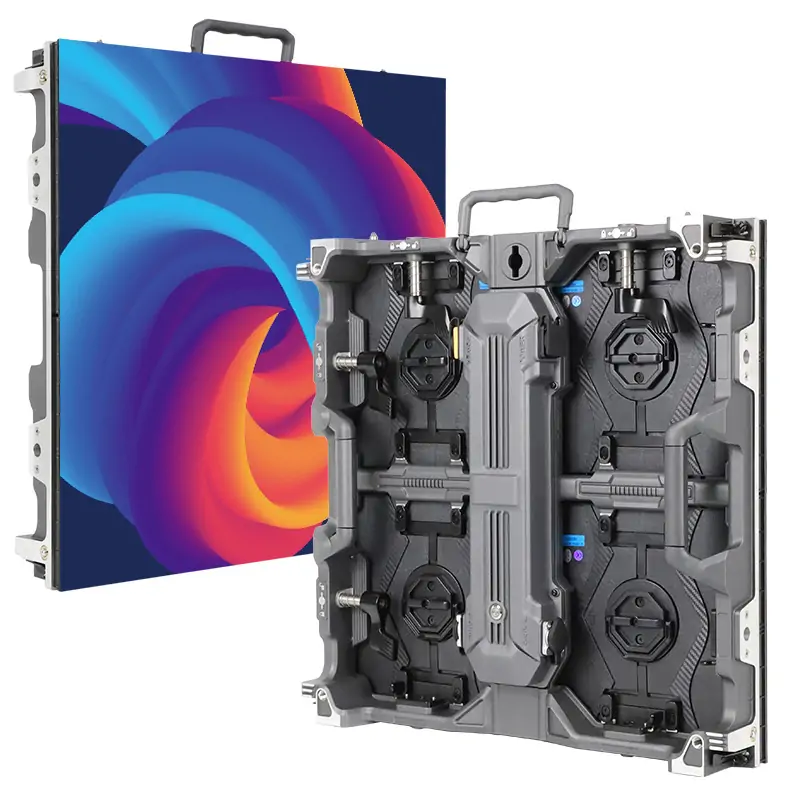
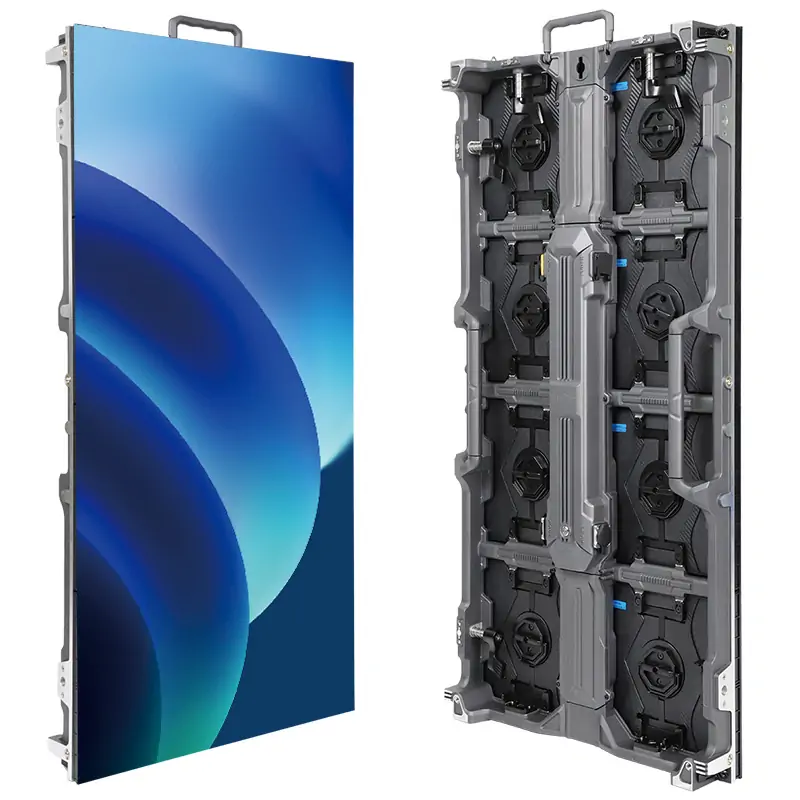
Front and rear views of the EA500C6 rental LED display cabinet
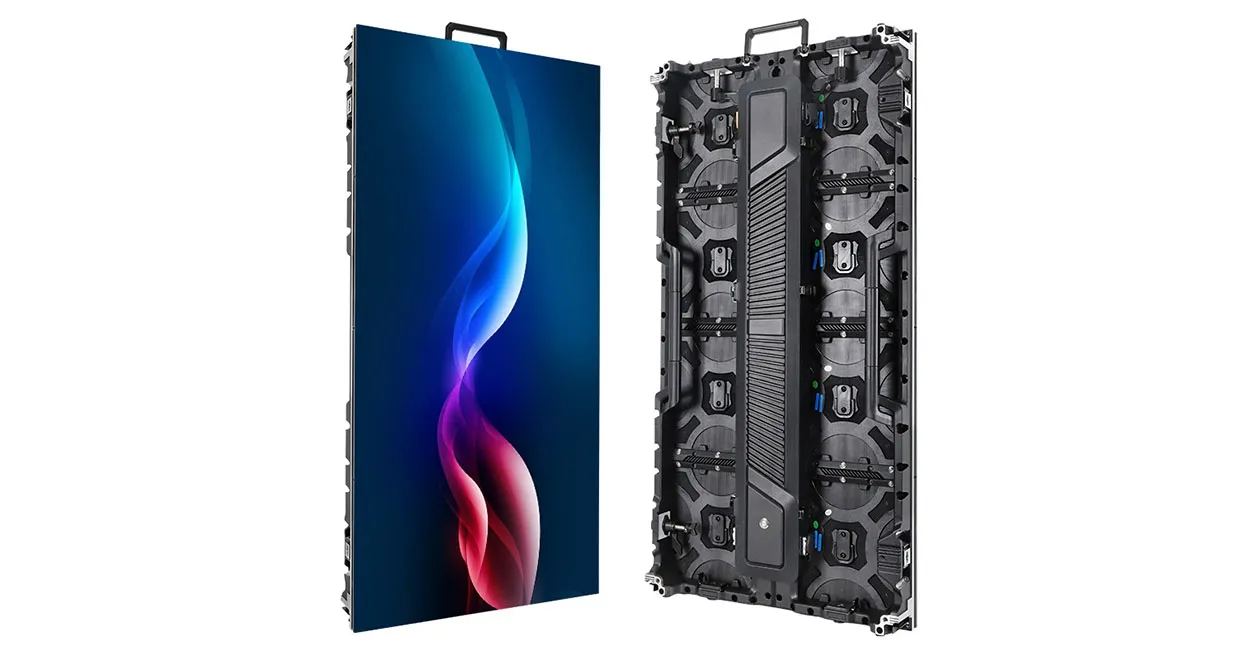
Rental LED cabinets are designed for temporary installations and repeated assembly. They are used at exhibitions, concerts, sporting events and corporate presentations. Buying rental cabinets and hiring a complete screen service are different options; compare them according to event frequency and available operating staff.
4.1 Rental Benefits and Planning Requirements
Hiring a screen can suit a short event when purchasing, storing and maintaining equipment would add unnecessary cost. Confirm the hire period, transport, installation, technical operation and dismantling charges before comparing quotations.
Rental LED screens can be configured for different stage sizes and layouts within the system limits. Check cabinet compatibility, rigging or ground-support requirements, power distribution and the time available for setup.
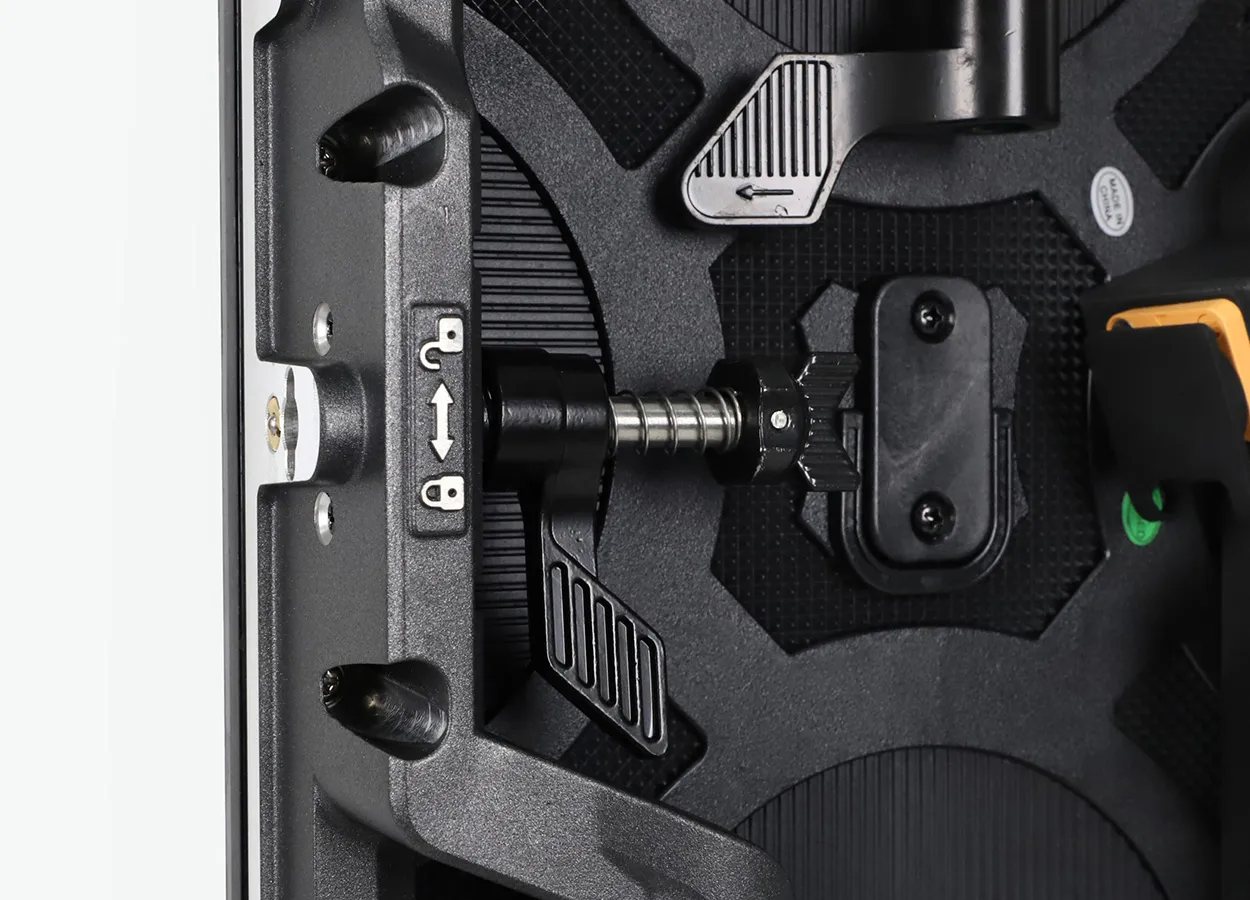
Quick Installation
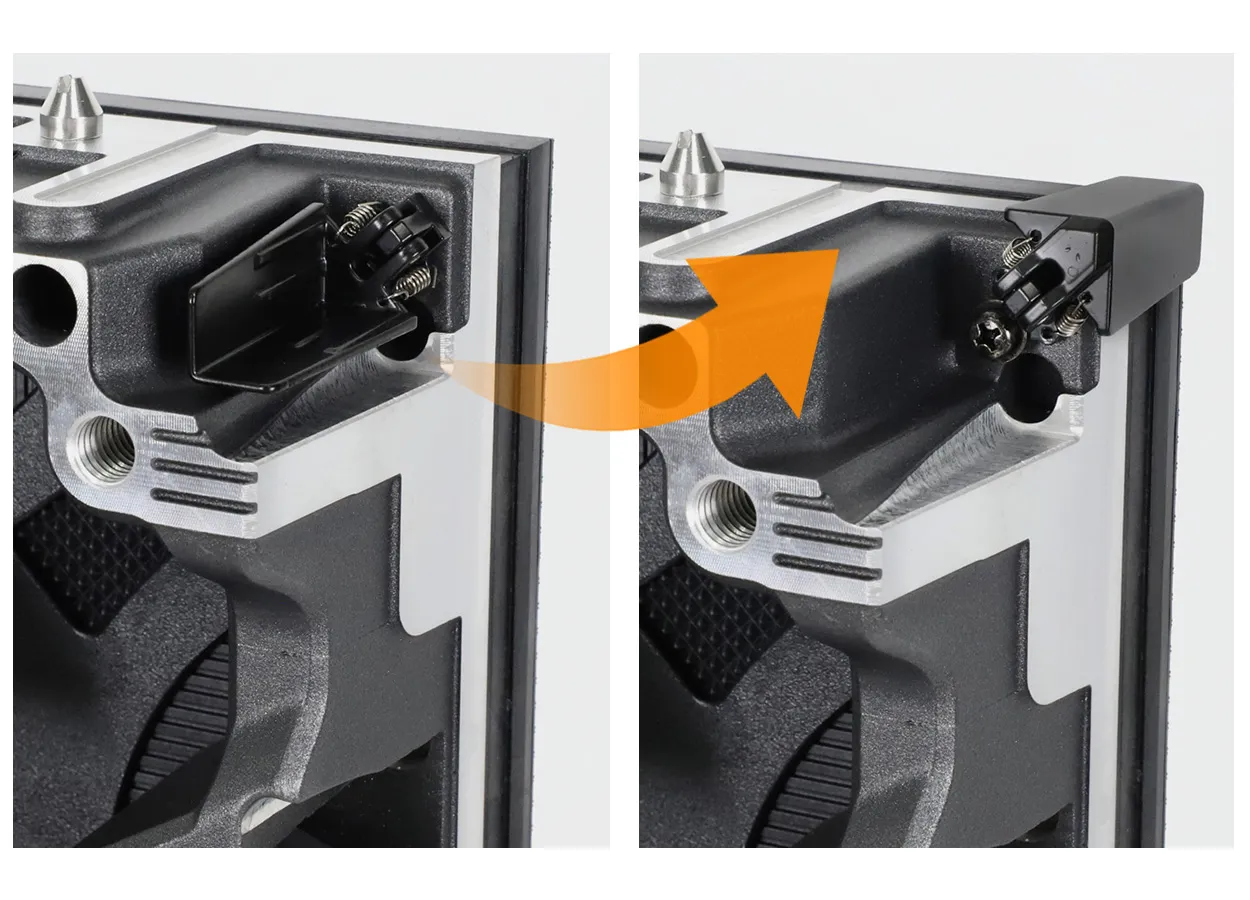
Corner Protector for LED
A rental provider may offer installation, setup and on-site support. Agree on those responsibilities in advance, including content preparation, signal inputs and backup arrangements, so the event team knows who will operate the display.
5. Indoor, Flexible and Outdoor LED Screens
LED screen types describe different aspects of a system: indoor and outdoor identify the environment, flexible describes the module design, and rental describes repeated temporary use. These categories can overlap. Choose a format around the site conditions and the job the display must perform.
5.1 Indoor LED Screens for Corporate and Retail Spaces
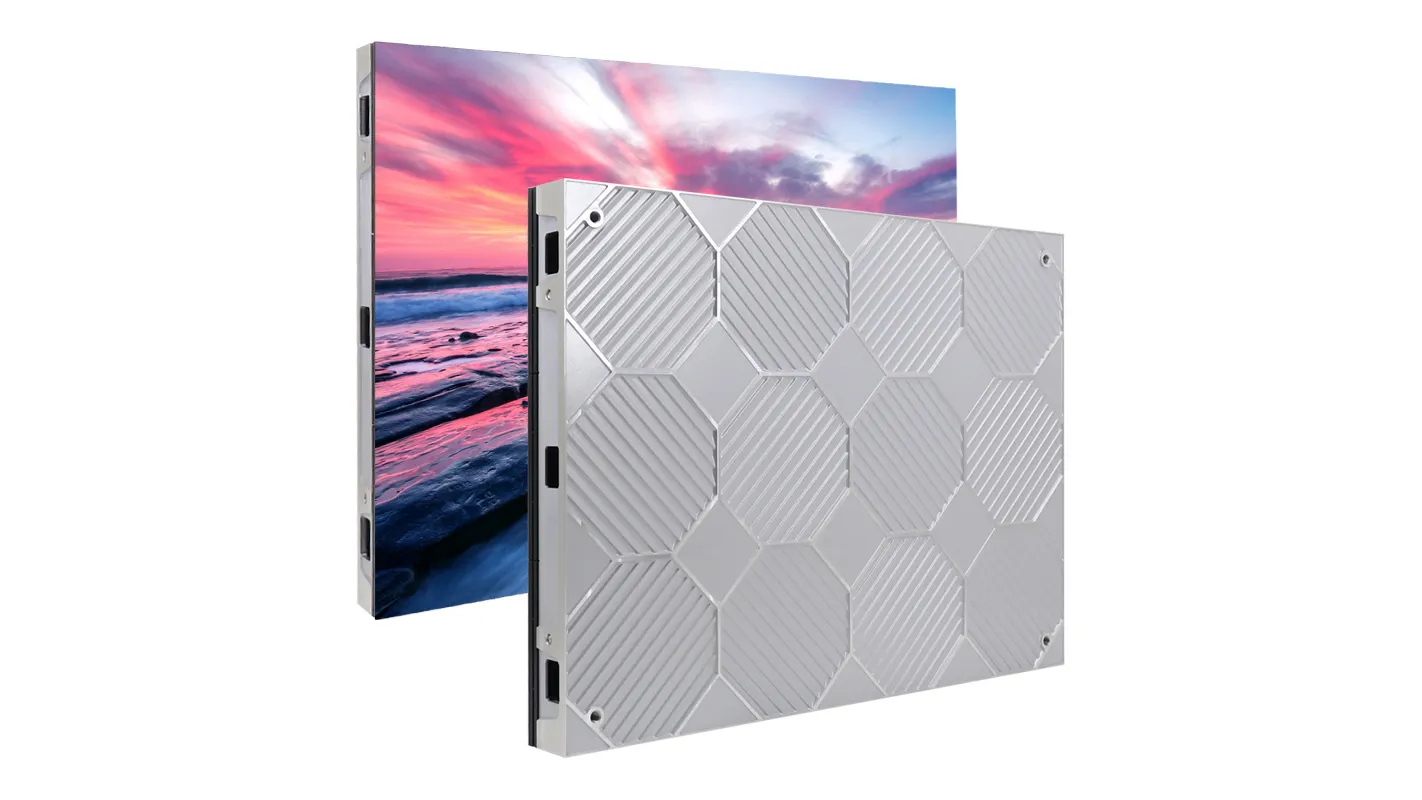
EA640F2
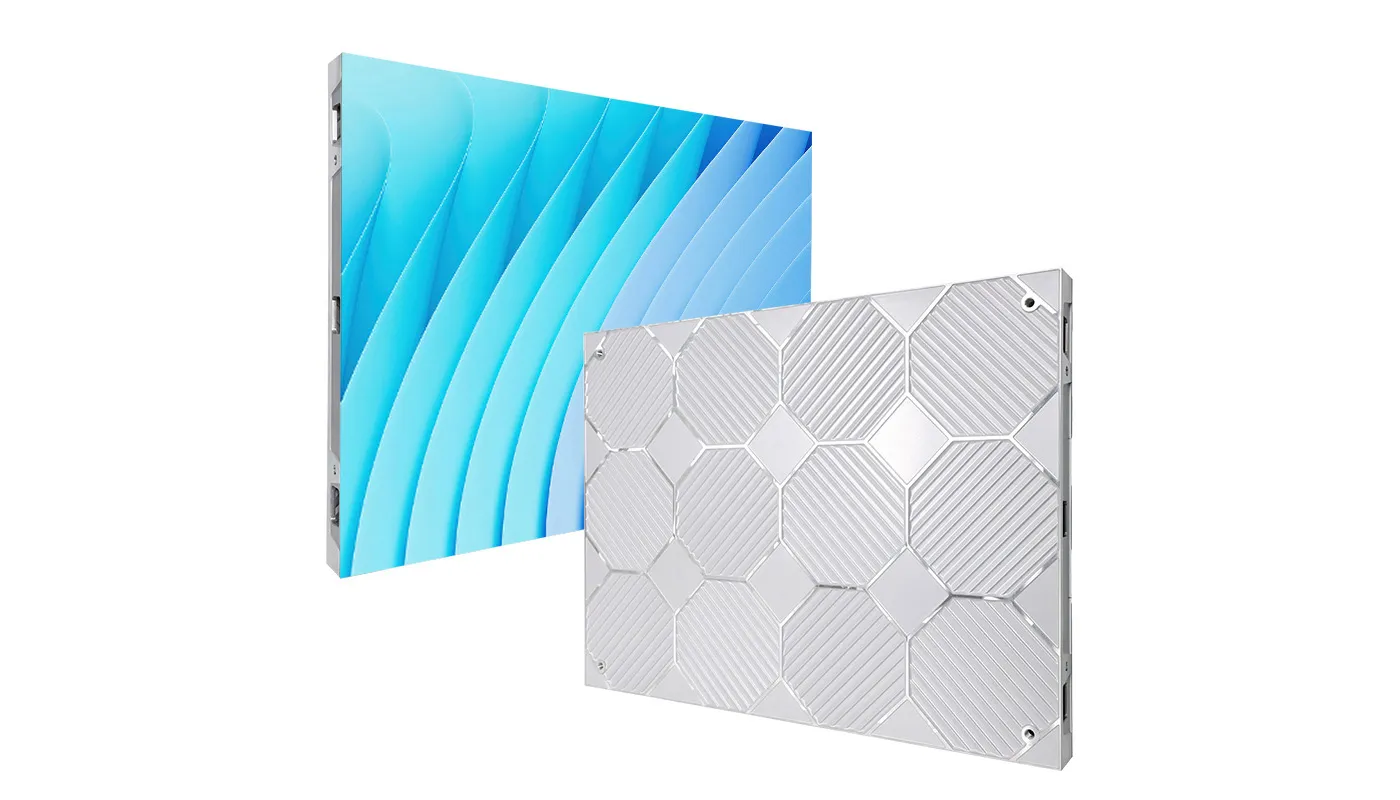
EA640H1
Indoor LED screens are used in retail spaces, corporate offices, shopping centres and other interior settings. For close viewing, compare pixel pitch and the total pixel count against the smallest text or image detail you need to show.
Indoor LED screens can form video walls of different dimensions. Check mounting depth, weight, cable routing and service clearance before choosing a cabinet. Assess brightness and colour performance in the intended lighting, rather than selecting only by the highest brightness figure.
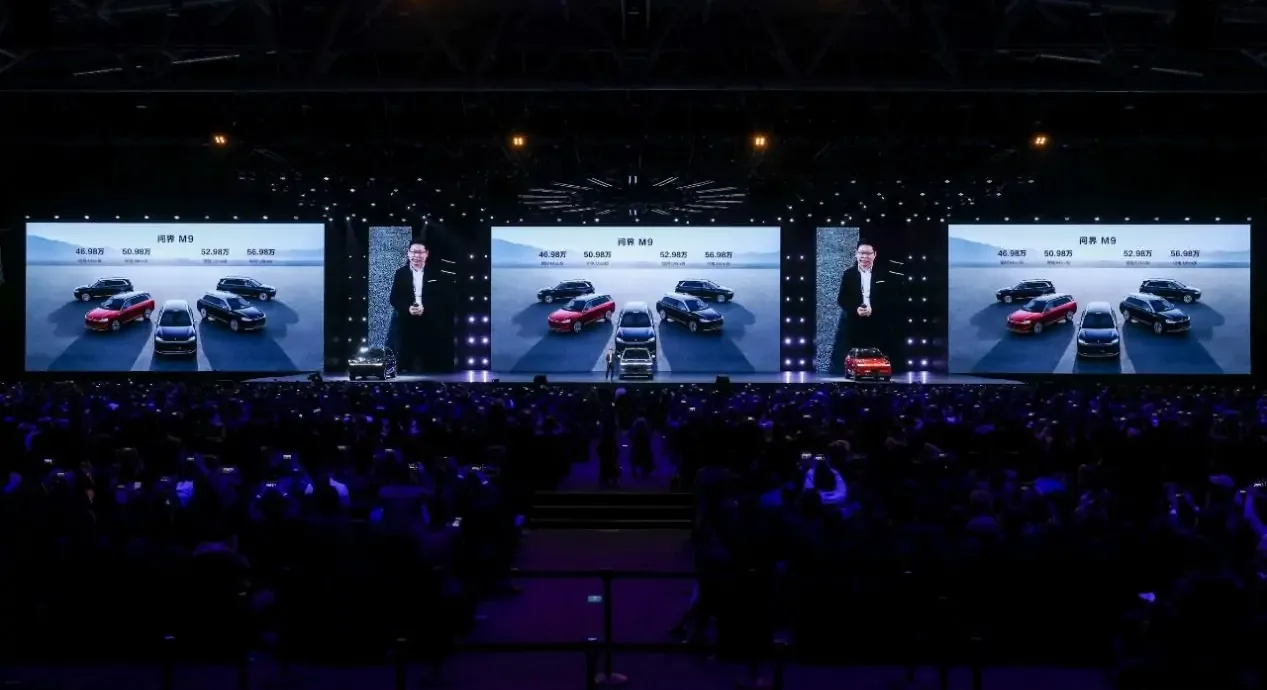
Inspect the display from the viewing positions people will actually use. Look for readable text, consistent colour, comfortable brightness and visible reflections. These checks are particularly useful in reception areas, meeting rooms and retail spaces where viewers may stand close to the screen.
5.2 Flexible LED Screens for Curved Installations
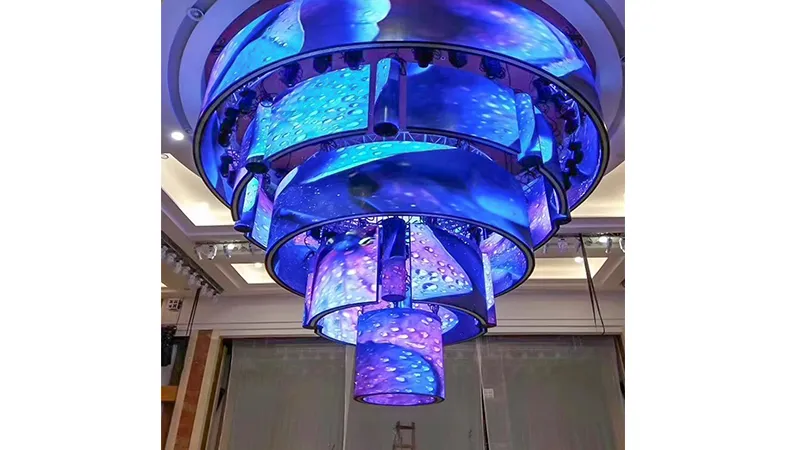
EA-Flex
Flexible LED modules can follow supported curves and help create displays around columns or shaped surfaces. The achievable radius and mounting method depend on the module and supporting structure, so confirm the design with the supplier before fabrication.
Flexible LED screens are used in retail, exhibitions and architectural installations where a flat rectangle does not suit the design. Plan the content layout for the curved surface and check sightlines from the intended audience positions.
Also review module access, ventilation and replacement procedures. A distinctive shape still needs a practical way to install, calibrate and maintain the display.
5.3 Outdoor LED Screens: Visibility and Protection
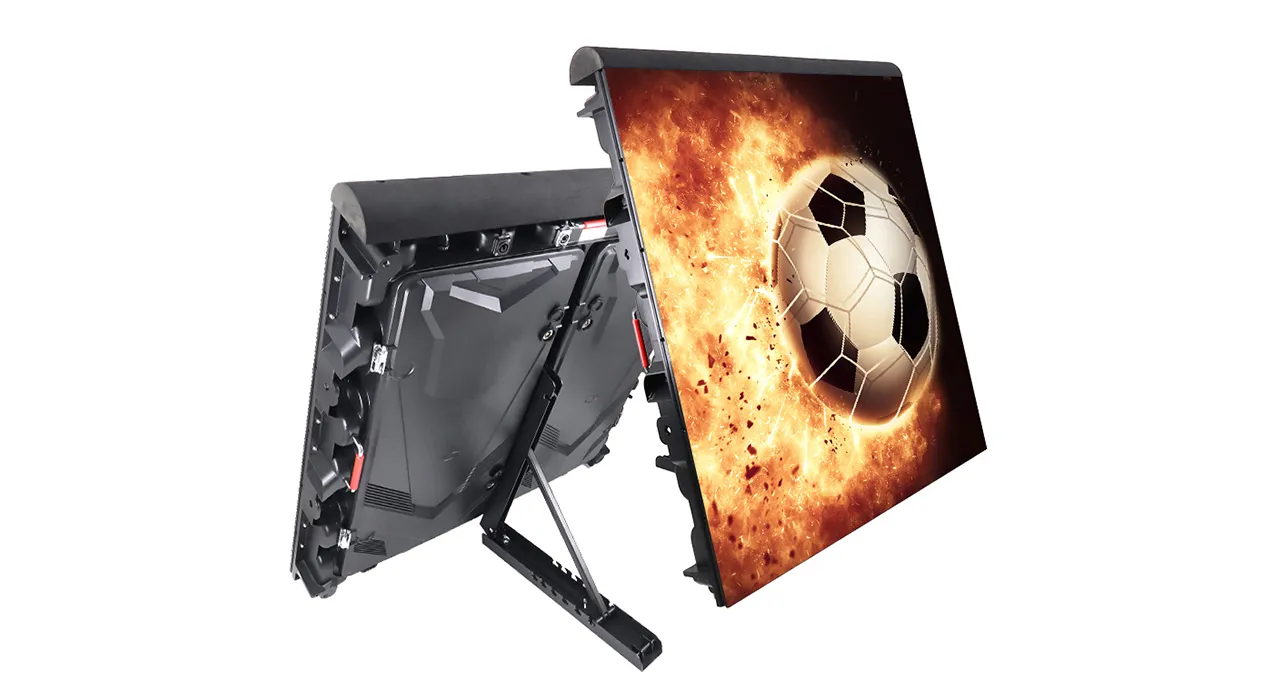
EA960SP3
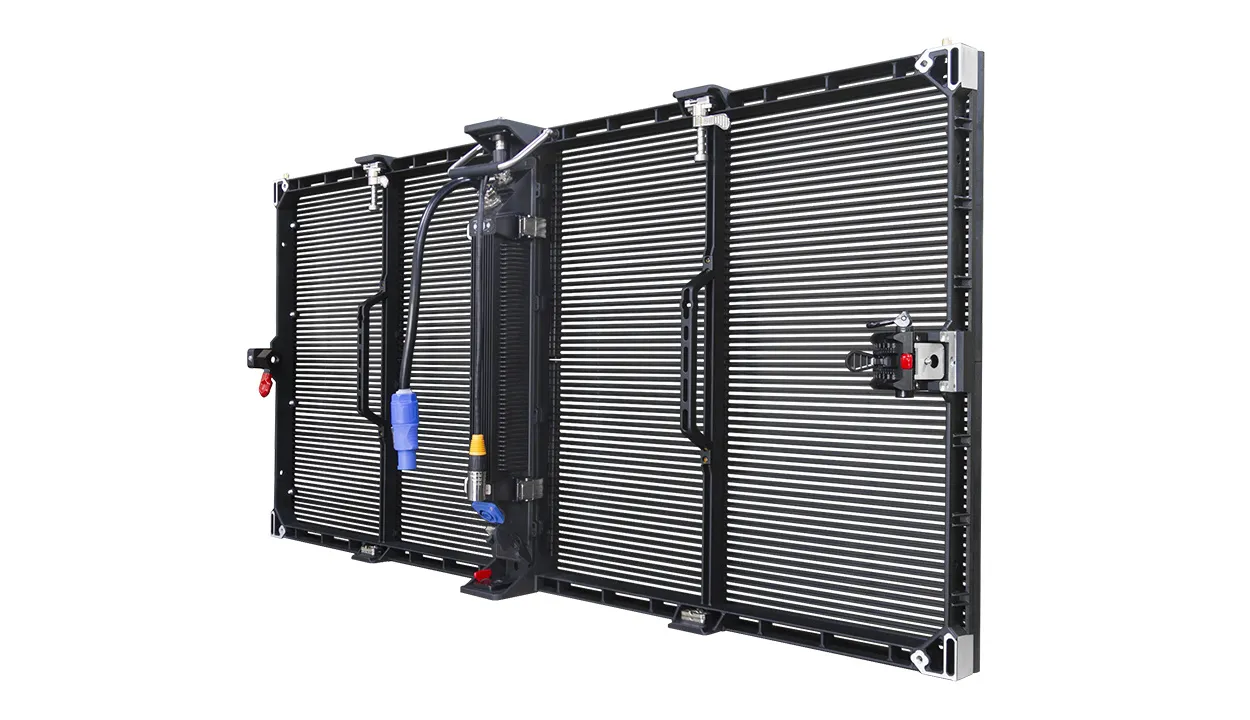
EA1000TOR
Outdoor LED screens must suit the installation environment as well as the content. Assess daytime and nighttime visibility, weather exposure, operating temperature and the structure supporting the screen. Confirm ratings for the selected model and installation method.
Brightness adjustment can help match changing ambient light. Include power distribution, drainage, cooling and service access in the project review, and use qualified installers for structural and electrical work.
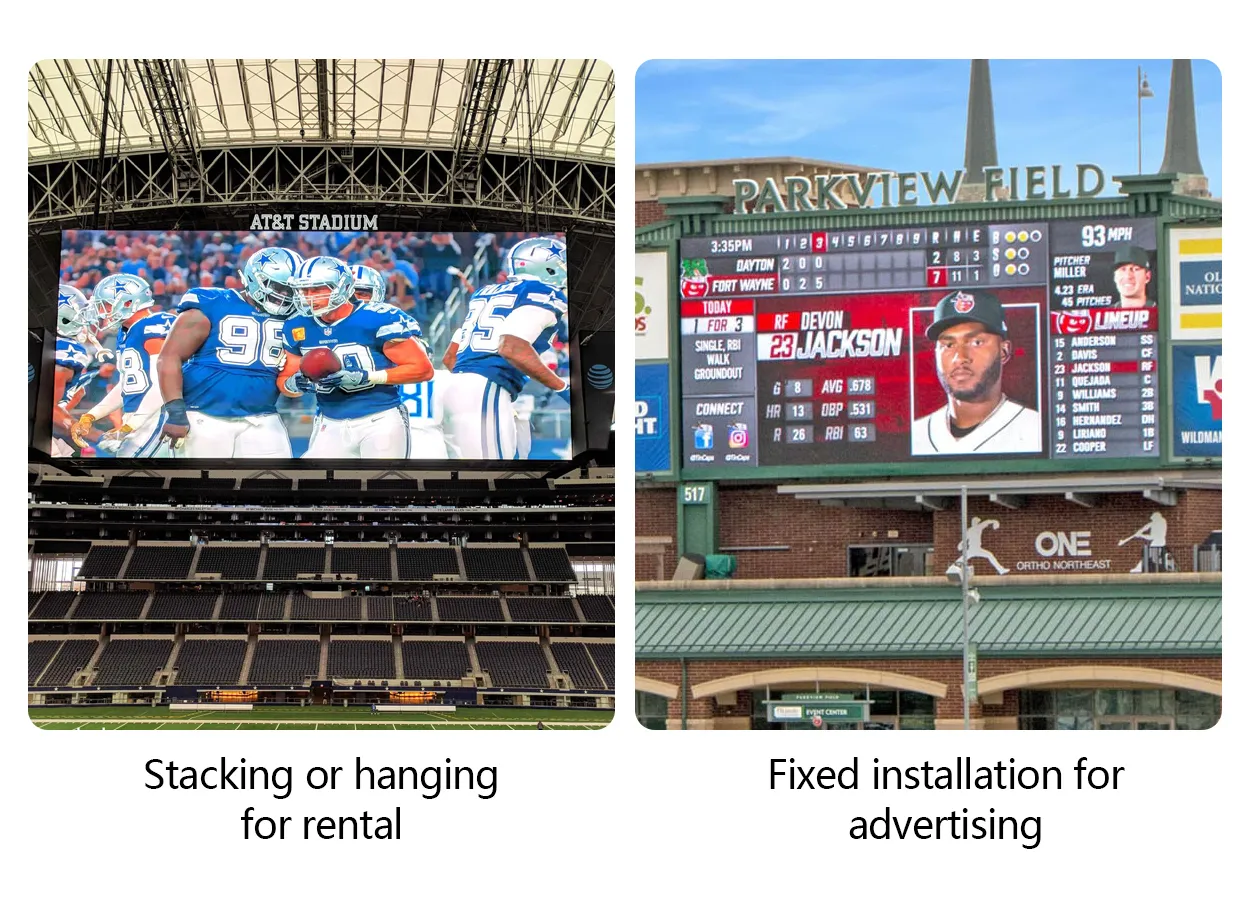
6. Developments in LED Screen Technology
LED screen technology continues to develop through finer pixel pitches, different packaging approaches, improved processing and specialised formats. Transparent displays and MicroLED are examples of distinct developments; their suitability depends on the application and the actual product specification.
6.1 Fine-Pitch, Transparent and Control-System Developments
Finer-pitch displays can support detailed content at closer distances. Transparent formats balance image visibility with a view through the installation. New control features can change content management and system integration, but support must be checked for the selected hardware and software.
Evaluate these developments with a practical demonstration. Compare image quality, power use, repair methods and the complete installed cost under similar conditions, rather than treating a technology label as a guarantee of better performance.
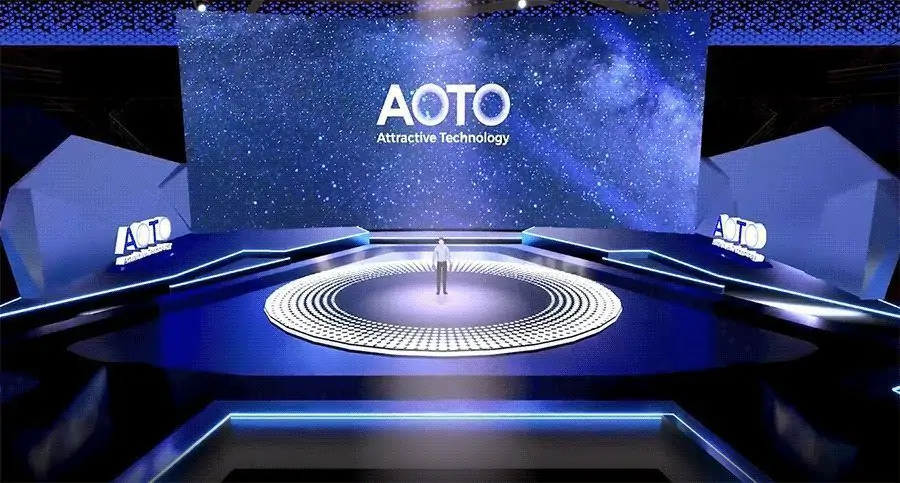
6.2 MicroLED: What Buyers Should Compare
MicroLED uses very small inorganic light-emitting elements to form an image. Emitter size, pixel pitch and screen dimensions are different measurements: smaller emitters do not automatically mean a smaller screen or higher resolution in every product.
When evaluating a MicroLED system, compare its actual pixel count, brightness, uniformity, serviceability and cost with other suitable display options. Availability and performance vary by product; the technology name alone does not establish the best choice for a project.
7. LED Screen Evolution FAQ
How have LED screens evolved?
LED displays have developed from simple signs into full-colour video systems. Smaller pixel pitches, improved manufacturing and modular designs have expanded their use in indoor video walls, temporary events and shaped installations.
Is a direct-view LED screen the same as an LED-backlit LCD?
No. A direct-view LED screen uses light-emitting pixels to create the image. An LED-backlit LCD uses LEDs to illuminate a liquid crystal panel. Compare the actual models for screen size, viewing distance, image detail and budget.
What is the difference between an LED screen factory and a supplier?
A factory assembles and tests display equipment. A supplier helps match a configuration to project requirements and may also provide integration or support. Some companies perform both roles; confirm the scope of responsibility in the quotation.
What should a business check before choosing an LED screen?
Review the installation environment, viewing distance, content detail, screen size and pixel pitch. Also confirm control compatibility, mounting, power distribution, maintenance access, spare parts and support for the selected model.
8. Summary: Choosing an LED Display
The evolution of LED screens has created more choices for indoor, outdoor and temporary installations. Select a display by its fit with the venue, content and operating requirements, then compare manufacturing quality, installation scope and support.
Whether you need an LED screen factory, an LED screen supplier or rental LED screens, send EagerLED your project requirements through the enquiry form below to discuss a suitable configuration.
Related Posts


Fill In Your Needs In Detail
Fill in the screen usage scene and size you need in “Content”.You will get a quote.