Shortlist a double-sided mall LED poster supplier by proving which physical face plays each approved campaign, when it changes and how the operator can withdraw or restore it. Two visible screens are useful advertising inventory only when the offered configuration supports the required face assignment and daily operating workflow.
This guide is for commercial venue operators planning a mall LED poster fleet and buying from Chinese manufacturers for shopping mall corridors in Southeast Asia. Its focus is the handover between hardware supply and multi-tenant advertising operations, with a practical face register and a supplier demonstration script.
- Identify the actual operating position and pixel canvas of each face.
- Prove independent campaign assignment on the supplied controller.
- Document approval, expiry, withdrawal and recovery responsibilities.
1. Create the mall LED poster face register
Assign a unit identifier and permanent face labels before asking for a demonstration. Describe the direction each face serves using the mall’s floor-plan references. Keep these labels consistent in the supplier drawing, player configuration, operator instructions and advertising placement records.
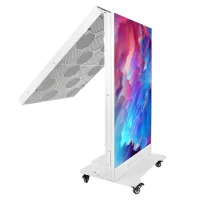
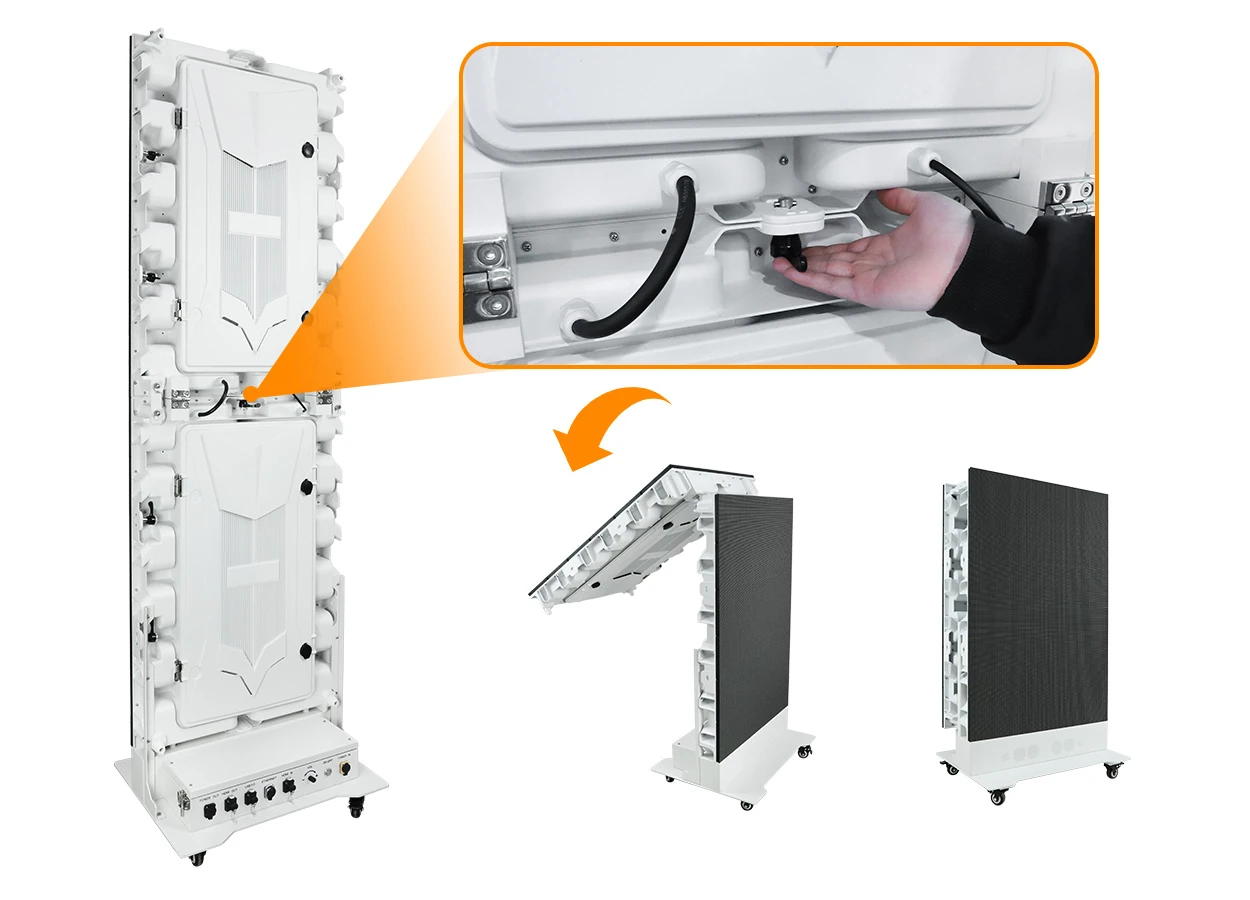
Specify what “double-sided” means for the offered unit. A full-height two-face cabinet and a foldable display in a different operating position may provide different face sizes and pixel canvases. Request a drawing of the actual deployed arrangement and the active pixels on each face. Do not prepare advertising assets from the model’s overall dimensions alone.
Illustrative inventory example: six units with two usable faces each create 12 face positions. Two separately scheduled campaign periods would create 24 face-period entries to manage. This arithmetic does not prove 12 independent controller channels, advertising views or audience impressions; those are separate questions.
| Placement | Assignment record | Approval record |
|---|---|---|
| Unit 01 / Face A | Approach reference, active canvas, Tenant A asset revision | Owner, start, expiry and approved fallback |
| Unit 01 / Face B | Reverse approach, active canvas, Tenant B asset revision | Separate approval and permitted update scope |
| Both faces | Mall announcement or temporary notice mode | Authorized override and return-to-schedule procedure |
| Unit unavailable | Fault identity, affected face and operator action | Withdrawal record and service escalation |
A mall LED poster register prevents an ambiguous device name from becoming an ambiguous advertising promise. Agree whether reports identify a unit, player, screen group or physical face. Do not promise tenant-specific playback evidence before seeing what the supplied platform actually records.
2. Turn control claims into an offer
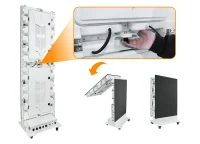
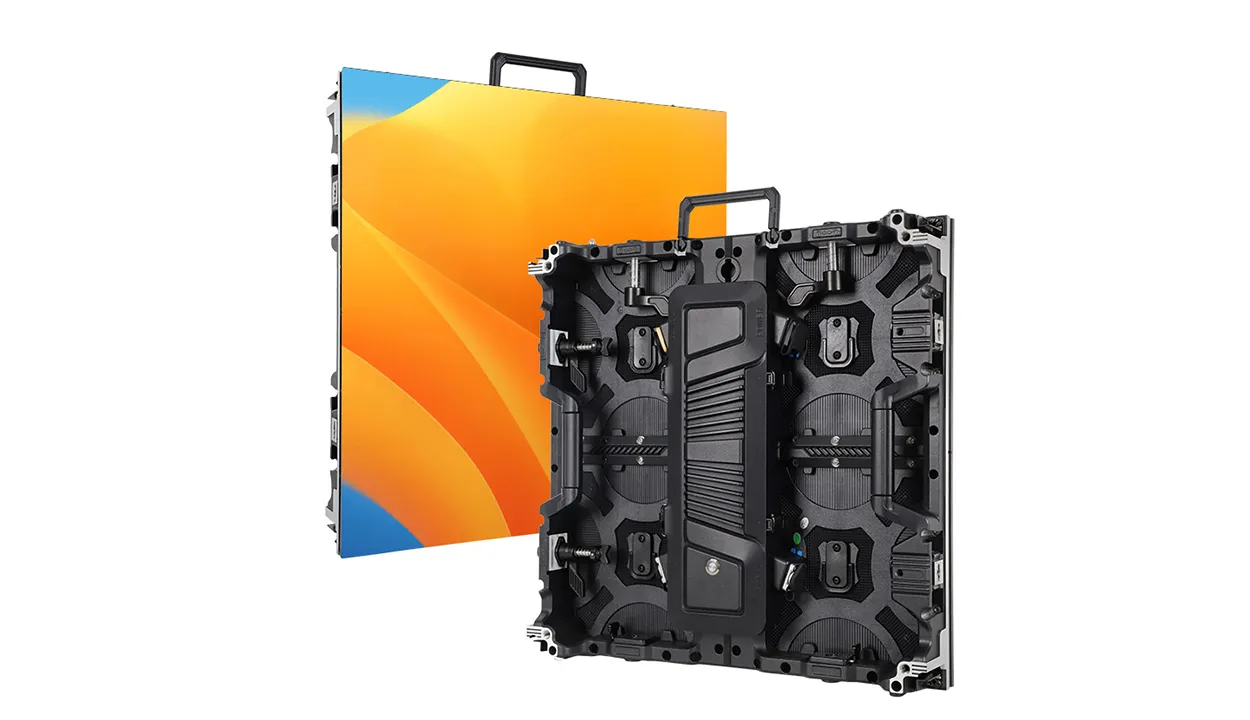
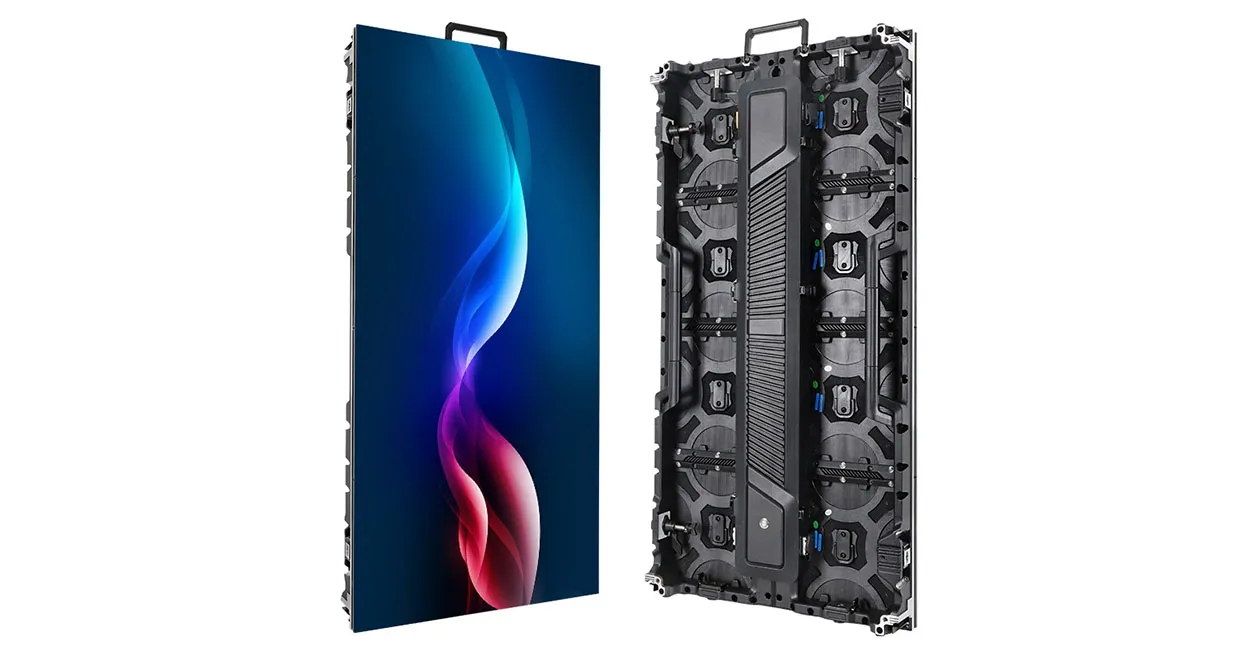
The EA1920iP5 indoor foldable poster page describes a dual-sided operating design, independent or combined content and cloud management. Use those as questions for the exact hardware and software offered to the mall. Confirm the operating position, face canvas, controller version and any subscriptions or connectivity charges.
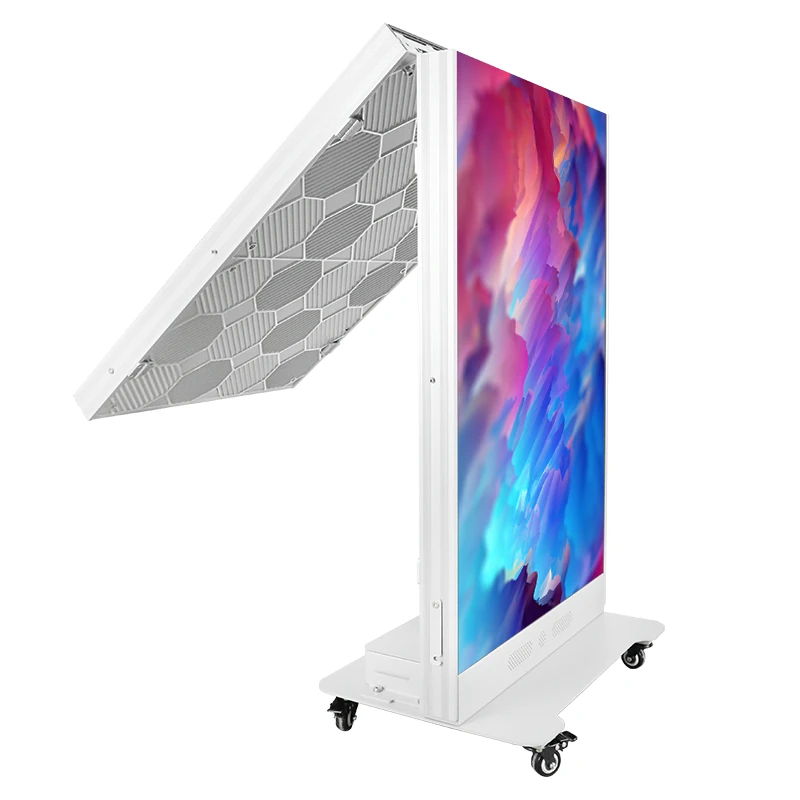
Ask the bidder to identify included functions, optional functions and functions provided by the mall’s own system. Name who approves content, who publishes it and who can change device configuration. Request the supported process for emergency withdrawal of an incorrect promotion; do not assume an advertised cloud feature supplies the required roles or audit trail.
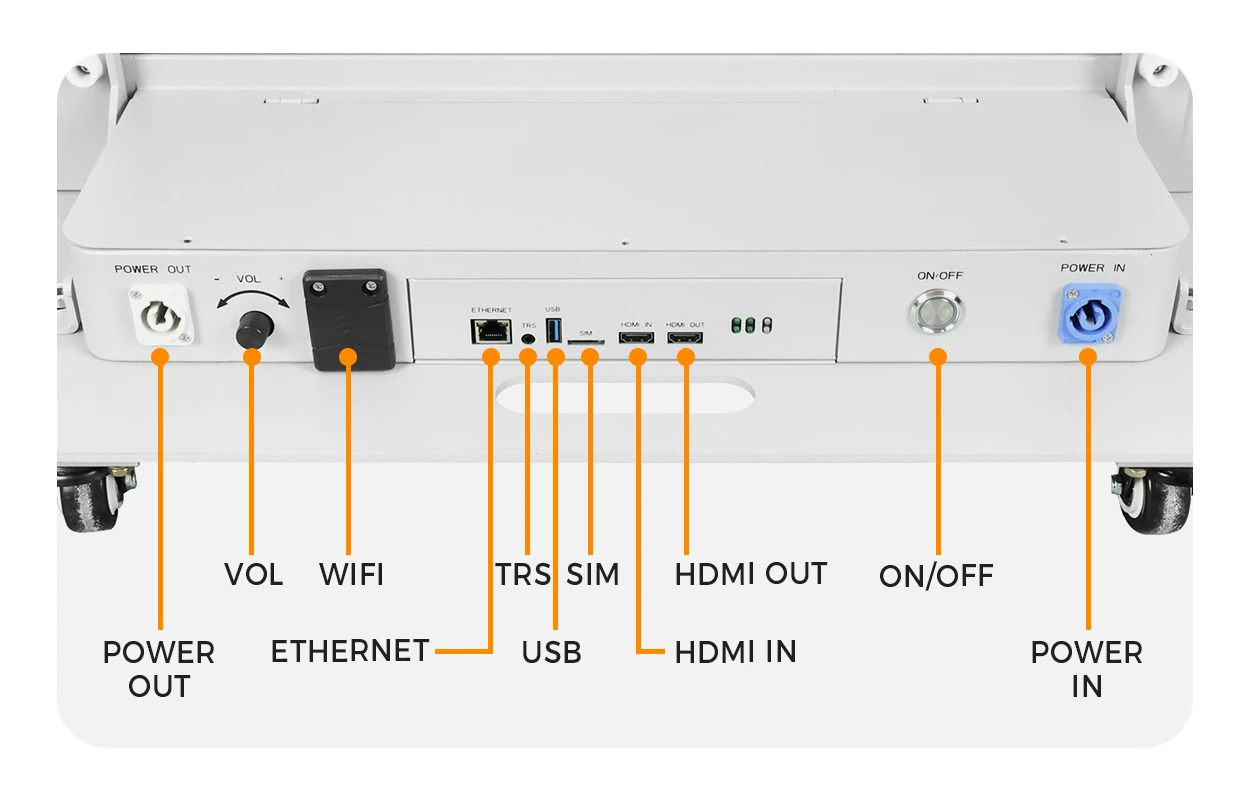
For a mall LED poster deployment, record the approved network connection and the fallback when it is unavailable. If the supplied platform cannot meet a requested function, document the alternative and its staffing implications before comparing quotations. Unsupported features should remain visible in the shortlist.
3. Run a two-face campaign demonstration
Use two clearly different sample assets and the real proposed face canvases. Label them A and B and mark their revisions. The supplier should run the following script on the actual offered controller, with the agreed local date and time settings. Use fictional tenant labels and non-sensitive test content.
| Step | Witness on the physical faces | Evidence to retain |
|---|---|---|
| Assign A and B | Each labeled asset reaches its intended face | Unit/face map, controller and asset revisions |
| Revise Tenant A | Only the approved placement changes; B remains correct | Operator role and update scope |
| End a campaign | The expired promotion is removed by the agreed process | Local-time settings and fallback shown |
| Issue a mall notice | Authorized notice reaches the required faces | Override steps and affected group |
| Restore the schedule | Correct approved campaigns return without an old revision | Recovery steps and observed result |
| Interrupt a dependency | Documented behavior during network loss or restart | Actual cached content and resynchronization result |
A successful mall LED poster demo should leave an operator with repeatable steps, not just a vendor account that worked once. Check how a replacement player or serviced unit regains its identity and face mapping. Keep credentials with the authorized mall team through its normal private handover process.
Playback logs, if supplied, show what the platform records; they do not automatically establish that a person saw an advertisement. Keep advertising measurement claims separate from technical acceptance. The LED poster content guide covers artwork preparation after the correct face canvases are confirmed.
4. Check corridor and service operations
Overlay the complete mall LED poster operating envelope on the corridor plan. Include the base, cables, connectors, service space and any approved folding or movement route. Have the venue’s responsible team approve the location under its applicable requirements. Screen width alone does not describe the clear route around the equipment.
Demonstrate the manufacturer’s approved stationary and relocation arrangements with the offered base. Confirm power-cable routing and the agreed volume or mute setting for shared public areas. Indoor equipment should be matched to the actual environment; an air-conditioned corridor and an exposed entrance are different installation conditions.
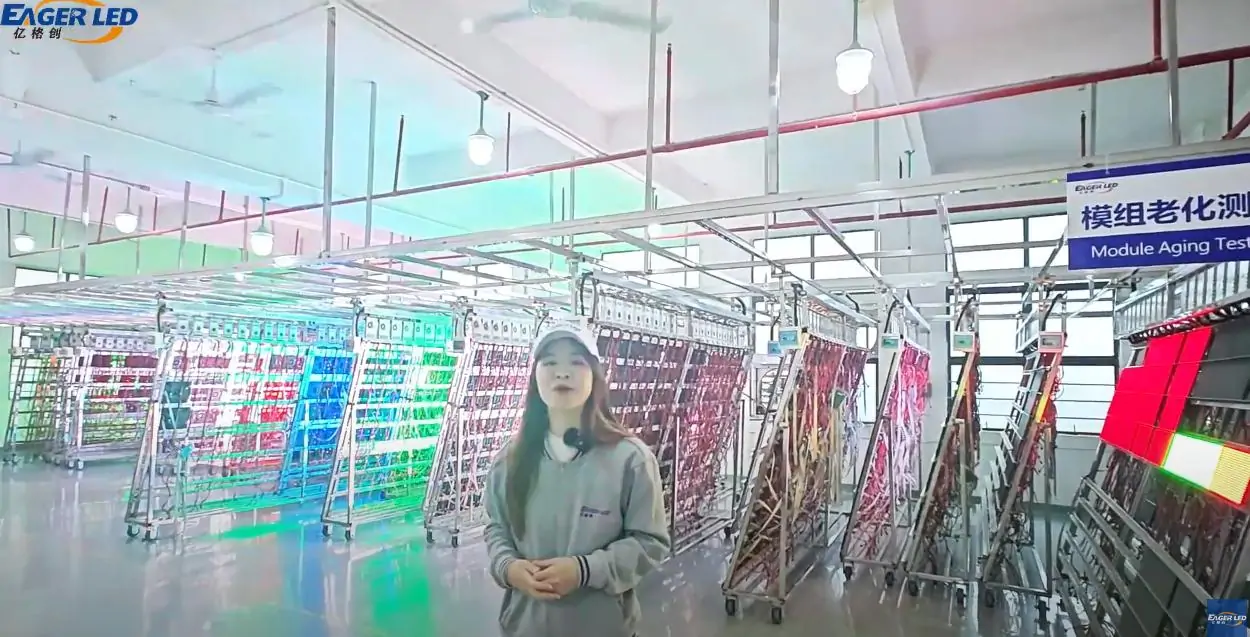
The company video below introduces the EA1920iP5 format and shows connection and front-service details. Use it to prepare the operational handover questions. It does not demonstrate your two-face advertising schedule, permissions or campaign withdrawal process.
Video: “EA1920iP5 P1.25-P2.5 640x1920mm Indoor Foldable Poster LED Display in Malaysia | EagerLED.” Watch the original EA1920iP5 video.
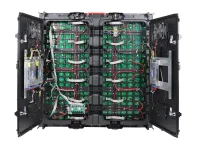
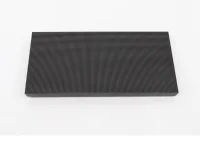
Ask how a failed mall LED poster face is isolated, diagnosed and returned to service outside trading hours. Request a practical module or component replacement demonstration, compatible spare scope and restoration of the approved content configuration. Front access still needs a workable exclusion area and an agreed service procedure.
5. Match supplier evidence to the handover
During a live factory review, identify the proposed model, controller and production responsibilities. Ask for relevant references that can be checked with permission, plus the records for the offered configuration. A generic factory tour or unrelated shopping-center image should not replace the two-face witness script.
For the installation country in Southeast Asia, confirm the required equipment documents, delivery scope, operator training and support language. Obtain written warranty, shipping/return responsibilities and any software or recurring fees. Do not infer local service coverage from a regional sales statement.
The mall LED poster handover should contain unit/face identifiers, canvas specifications, approved operating positions, controller/software versions, content-control instructions, spares and a recovery record. Make the demonstration results part of the final supply comparison.
Questions about two-face advertising
Do two faces automatically create two independent advertising channels?
No. Demonstrate separate face assignment and updates on the offered controller. Confirm the actual canvas and operating position before selling or promising separate placements.
Does a playback log prove audience impressions?
No. Review exactly what the software records and keep playback reporting separate from any audience measurement method or advertising claim.
Prepare a two-face campaign review
Send EagerLED the installation country and city, corridor plan, unit count, approach directions, proposed operating positions, power/network arrangement and after-hours service access. Include sample face assignments, campaign approval/expiry needs and the mall’s required reporting scope.
Request a mall LED poster configuration, face register and witnessed control script before comparing final offers. Review the two-face mall poster brief
 Coastal LED Facade: Supplier Evidence Checks
 Roadshow LED Poster: Supplier Recovery Checks
Related Posts
Fill In Your Needs In Detail
Fill in the screen usage scene and size you need in “Content”.You will get a quote.