Shortlist flexible LED modules for a cylindrical lobby column by qualifying a documented module revision with the intended receiving equipment, configuration and replacement procedure. Matching dimensions and pixel pitch alone do not prove that two modules can be mixed or substituted in the finished display.
This guide is for display fabricators in Brazil evaluating Chinese manufacturers. It provides a sample-qualification record that connects the approved parts to production and future spares. It does not specify a universal electrical configuration, a market price or an acceptance threshold for every project.
- Identify the proposed module revision and batch evidence.
- Test with the receiving equipment and settings intended for production.
- Record the permitted curvature and supported handling method.
- Agree how proposed substitutions and future spares are approved.
1. Identify the flexible LED modules precisely
Request the manufacturer’s part reference, physical dimensions, pitch, pixel matrix, board revision and proposed component specification. Ask which identifiers remain traceable on the supplied goods and packaging. A broad catalog description is not an adequate record of the particular sample your fabrication team accepted.
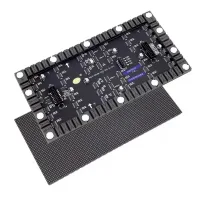
The flexible LED module catalog presents several sizes and pitches, including a 240 × 120 mm P2.5 option. Treat these as separate configurations. Request the selected revision’s approved electrical, connection, bending and operating information instead of combining parameters from different catalog entries.
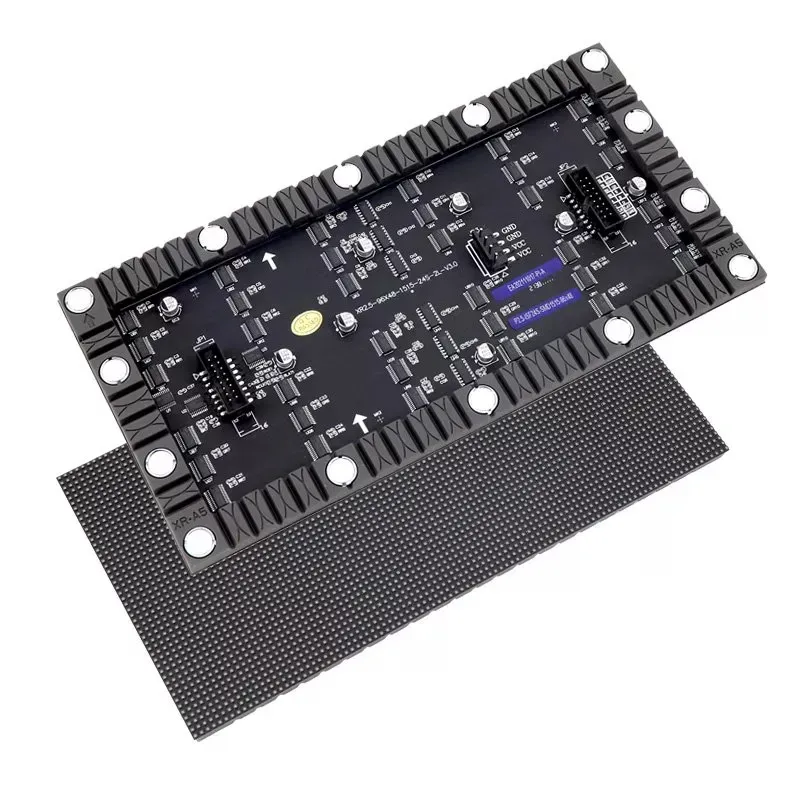
For flexible LED modules used around a lobby column, obtain the approved bending direction and limit for the chosen revision. Ask the supplier to identify a suitable sample support and handling procedure. Do not assume that a module can be bent repeatedly, reversed or forced to match an unapproved radius.
2. Build a sample qualification record
When comparing flexible LED modules, send the same qualification request to each manufacturer. State which receiving equipment, power arrangement and supported software your fabricator intends to use, then ask the supplier to confirm the combination. Keep the physical sample, its identifiers and its configuration file linked in your records.
| Record | Evidence requested | Fabricator decision |
|---|---|---|
| Sample identity | Part reference, board revision, batch identifier and photographs | Can the accepted sample be distinguished from alternatives? |
| Control combination | Receiving equipment, software version and supported configuration | Does it match the intended production setup? |
| Curved support | Approved direction, radius and representative mounting arrangement | Is the proposed lobby-column geometry covered? |
| Image checks | Agreed patterns, operating settings and recorded observations | Are defects or differences evaluated against agreed criteria? |
| Production and spares | Lot records, substitution process and compatible replacement references | Can the delivered batch and later spare be traced to the accepted combination? |
Keep rejected or unresolved observations visible. The flexible LED modules qualification record should identify who accepted the sample and what remains unverified. A marketing statement about inspection or aging does not identify the results for the particular batch you will receive.
3. Verify the actual control configuration
Ask an authorized technician to demonstrate the agreed test patterns and representative content on the proposed module-and-receiver combination. Check orientation, image order, the full intended pixel area and any visible abnormal behavior under the agreed settings. Record the actual setup so a later change can be investigated rather than guessed.
Do not load a configuration file merely because its filename mentions the same pitch. For flexible LED modules, confirm the file’s source, intended board revision and supported receiving equipment with the manufacturer. Use the supplier’s approved connection and power instructions; connector appearance alone is not a wiring specification.
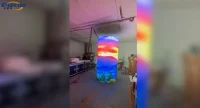
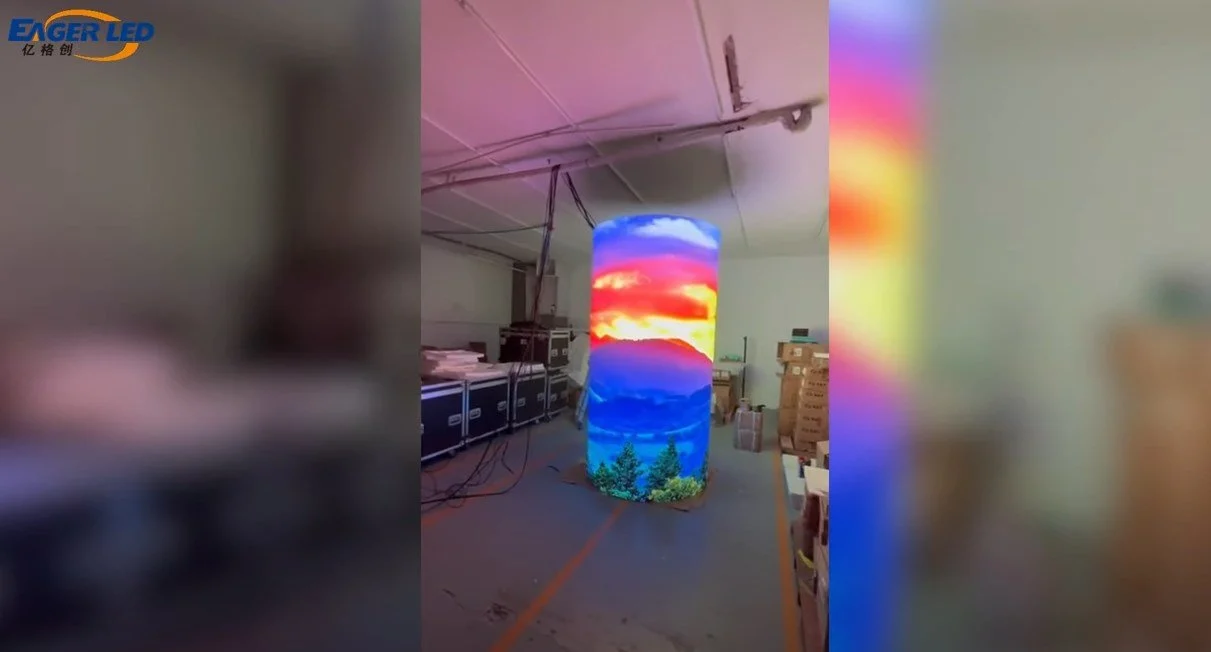
The company video below introduces 240 × 120 mm flexible modules and shows curved display construction. It is useful context for the type of assembly under discussion. It does not establish the electrical settings, batch identity or interchangeability of the samples proposed for your project.
Company product introduction. Watch the original flexible module video.
4. Connect the sample to batch release
Ask how the manufacturer records the relationship between approved flexible LED modules and the production batch. Request the offered inspection method, relevant records and the agreed handling of defects. Define any sampling or full-inspection requirement in the purchase documentation instead of treating a general quality slogan as a batch acceptance method.
Agree which changes require written approval: a board revision, a component substitution, receiving equipment or a configuration revision may affect the qualified combination. Ask for the change to be identified before release, with the relevant checks repeated. Do not label a substitute “equivalent” without evidence addressing your acceptance conditions.
Keep the released identifiers and supported configuration with the fabrication package. This article focuses on component qualification; the EA-Flex screen overview provides wider assembly context. A completed column still requires its own installation and system acceptance.
5. Request replacement evidence and terms
For flexible LED modules, ask the supplier to explain how a proposed spare is checked against the accepted batch, including mechanical fit, supported configuration and appearance. Request the required calibration information and the authorized replacement procedure. Identical outer dimensions do not establish every aspect of compatibility.
Verify the manufacturer’s identity and relevant production capability during a factory review. Request references that can be checked with permission, rather than assuming a shipment photograph proves long-term performance in a Brazilian lobby. Obtain documentation applicable to the offered configuration and the actual destination, with local professional review where needed.
Before ordering flexible LED modules, obtain written warranty scope, defect reporting evidence, spare availability terms, shipping responsibilities and the support route. Clarify which work belongs to the module supplier and which belongs to the fabricator or local integrator. No local attendance, replacement deadline or extended availability is assumed here.
Fabricator purchasing questions
Does the same pitch mean a spare is interchangeable?
No. Confirm the part and board revision, supported receiving configuration, mechanical conditions and appearance requirements. Ask the manufacturer to identify compatible replacement references explicitly.
Can a factory video replace sample qualification?
No. It can show the product or construction actually depicted. Your sample decision needs the proposed parts, supported configuration and agreed observations tied to the purchase record.
Send a module qualification brief
Send EagerLED the Brazilian project destination, lobby-column geometry, intended pitch and module size, receiving equipment, proposed power arrangement, quantity, sample requirements and spare expectations. Request flexible LED modules with a documented qualification combination and batch traceability plan.
 Cylindrical LED Display: Column Fit Supplier Checks
Related Posts
Fill In Your Needs In Detail
Fill in the screen usage scene and size you need in “Content”.You will get a quote.