Shortlist a cylindrical LED display supplier by checking how the finished assembly fits the surveyed column, including its support, electronics, access and surrounding circulation. A diameter measured at one convenient height is not enough to approve a wrap for an existing shopping center column.
This guide helps experiential agencies comparing Chinese manufacturers for African shopping centers. It provides a survey-return checklist and a simple geometry example. Neither is a structural design, a local installation approval or a quotation.
- Measure the existing column at several relevant heights and directions.
- Show every layer between the column and the finished display face.
- Identify the assembly opening and supported service movements.
- Agree who verifies dimensions before manufacture and installation.
1. Survey the cylindrical LED display position
Give each column a unique identifier. Ask the project survey team to record dimensions at the proposed bottom, middle and top of the screen, using a consistent datum and method. Mark changes in existing finishes, protrusions, nearby services and places where the column is not circular or not aligned with the proposed screen axis.
Record the available height and nearby features such as soffits, signs, sprinklers, doors and shopfronts. Have the responsible venue professionals assess circulation and service access using the finished assembly outline. Do not assume that a support can be drilled into an existing column without the appropriate project approval.
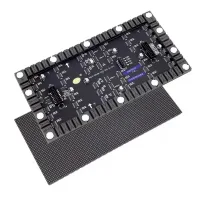
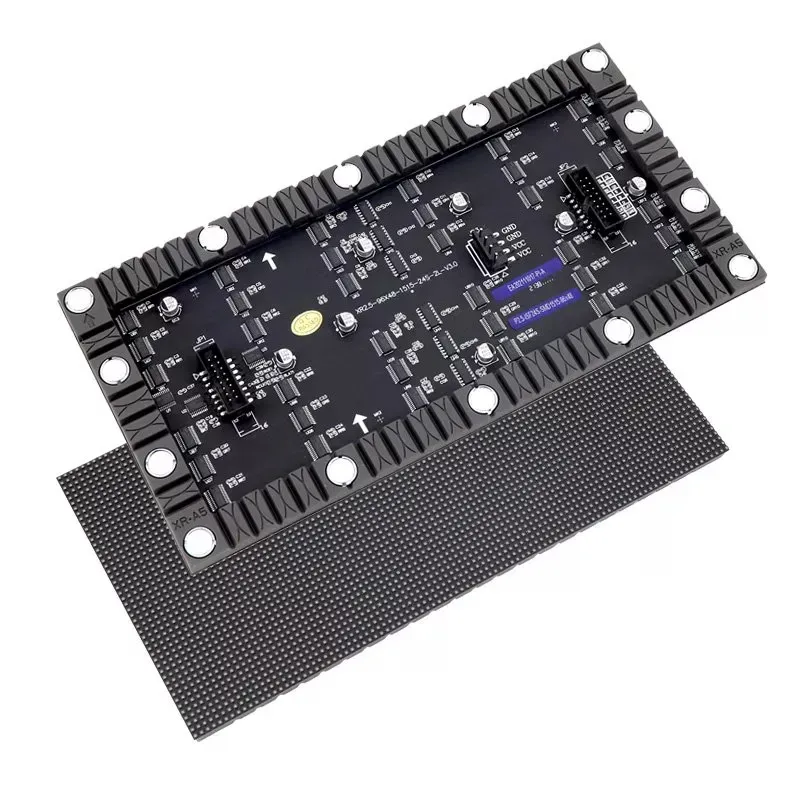
The EA-Flex indoor flexible LED screen page presents modules that can follow curved forms. Ask the supplier to identify the exact module, allowed bend and proposed support. Flexible modules do not make the surveyed column perfectly round or remove the need for a designed assembly.
2. Compare bare and finished diameter
For a cylindrical LED display, clarify which diameter appears on every drawing. A bare structural column, an existing decorative finish, a support frame and the finished LED face are different surfaces. Request a section that identifies each one and the space allocated to electronics, wiring and the supported installation method.
Illustrative geometry only: assume a circular existing surface with diameter 1.20 m and an agreed radial build-up of 0.08 m on each side. The resulting display-face diameter would be 1.20 + 2 × 0.08 = 1.36 m. Its ideal circular circumference would be π × 1.36 ≈ 4.27 m, compared with π × 1.20 ≈ 3.77 m at the existing surface.
This example shows why measuring the existing circumference alone can understate the display-face requirement by about 0.50 m. It does not establish a suitable build-up, module quantity or permitted radius. The cylindrical LED display manufacturer must return an achievable modular arrangement, with any tolerance, closure gap and geometry adjustment identified.
3. Request a supplier survey return
Use the same survey record for every shortlisted manufacturer and ask each to identify missing information. A cylindrical LED display proposal should disclose which dimensions are confirmed, assumed or awaiting a site check. Do not compare a survey-based quotation with an estimate that silently assumes a perfectly circular column.
| Survey item | Requested supplier return | Resolve before release |
|---|---|---|
| Existing shape and alignment | Fit section tied to measured heights, directions and datum | Unmeasured surfaces and assumptions about roundness |
| Finished envelope | Face diameter, overall height and support build-up | Effects on surrounding circulation and nearby services |
| Assembly closure | How the proposed frame and modules close around the column | Opening location, access and installation sequence |
| Service movement | Tool clearance and component removal directions | Obstructions after trim and neighboring exhibits are installed |
| Release responsibility | Named survey verifier and approved drawing revision | Who authorizes manufacture after a site discrepancy |
Request an agreed method for handling dimensional discrepancies. If an inspection finds a larger projection or a changed finish, stop the affected drawing release and obtain a revised fit assessment. Do not assume that forcing a module or altering the support on site is an acceptable remedy.
4. Plan installation in an occupied mall
Ask the installer and venue team to define work areas, access equipment, delivery routes and operating-hour restrictions. For a cylindrical LED display around an existing column, ask how the assembly is brought into place and how temporary protection is maintained while work is incomplete. Keep these responsibilities explicit in the supplier comparison.
Coordinate cable entry, power isolation, ventilation provisions and access to power and receiving equipment with qualified project personnel. A cylindrical LED display with front-service modules may still have other components that need a different access route. Have the supplier demonstrate the proposed service action with the relevant trim and mounting constraints represented.
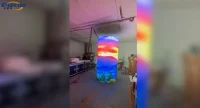
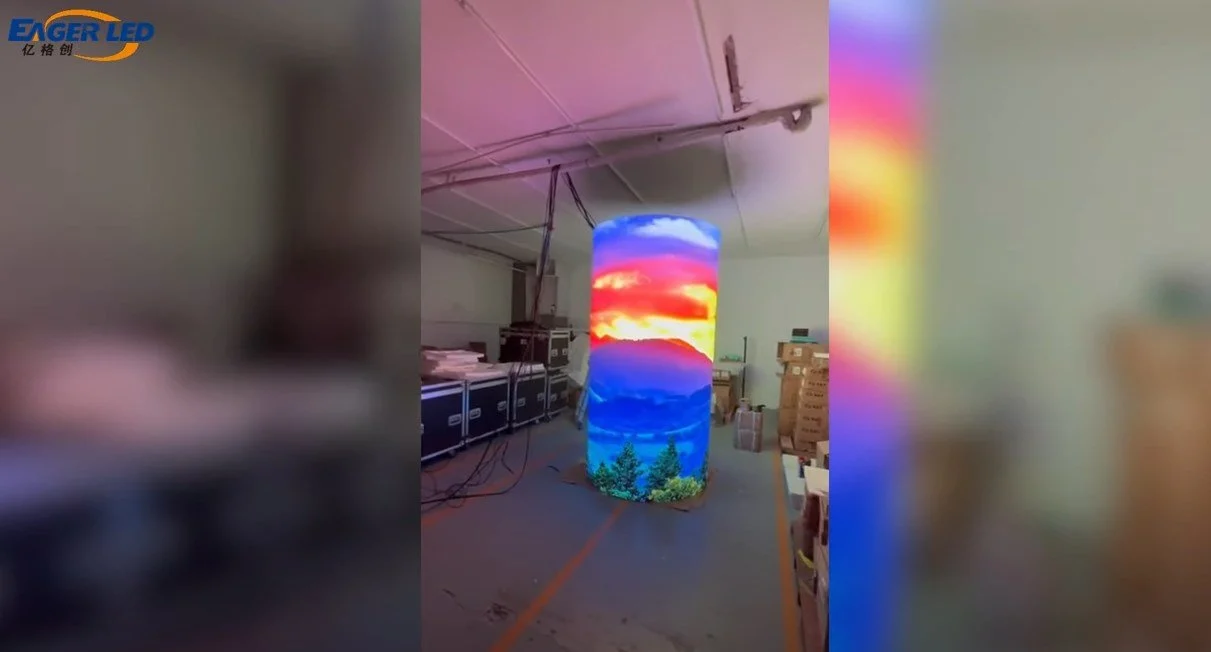
The company video below shows a separate Austrian cylindrical installation. It helps buyers see how content follows the curved face. It is not an occupied-mall installation method, a structural survey or a local project reference for Africa.
Company-published project footage. Watch the original Austrian cylindrical display video.
5. Verify supplier evidence and scope
Ask a cylindrical LED display manufacturer to identify the relevant production and inspection process during a factory review. Keep the quoted component list, approved geometry and inspection record linked. Request comparable references that can be verified with permission; do not infer a completed shopping center project from a general workshop image.
Compare the cylindrical LED display equipment and services against the responsibilities of the surveyor, support designer, installer and venue. The custom LED display selection guide provides general selection context. For this shortlist, retain the column-specific drawing and responsibility sheet as the purchasing evidence.
Request applicable destination documentation for the offered configuration, written warranty coverage, spare compatibility, shipping responsibilities and support arrangements. Africa is not a single installation jurisdiction. Obtain local review for the actual destination instead of accepting a generic regional compliance or service claim.
Column wrap purchasing questions
Can the supplier manufacture from one circumference measurement?
That may support an initial estimate, but it does not describe alignment, changing dimensions, projections or the finished build-up. Agree on a survey package and verified fit before authorizing manufacture.
Does a flexible module compensate for any column shape?
No. The permitted bending conditions and proposed support still apply. Ask the supplier to show how the measured shape is accommodated without forcing components beyond their approved conditions.
Send a column survey brief
Send EagerLED the destination, column identifiers, measured sections, photographs, desired screen height, available finished envelope, nearby obstructions, service access and permitted work periods. Request a cylindrical LED display proposal with a verified fit drawing and a clear manufacture-release responsibility.
 Visitor Center LED Display: Creative Supplier Checks
 Flexible LED Modules: Lobby Column Supplier Checks
Related Posts
Fill In Your Needs In Detail
Fill in the screen usage scene and size you need in “Content”.You will get a quote.