Shortlist a coastal LED facade supplier by matching its materials, corrosion evidence, operating brightness and service plan to the actual installation exposure. A high nits figure and an IP label answer only part of the purchasing question. Ask the Chinese manufacturer to connect each claim to the exact cabinet, finish, components and configuration being offered.
This guide is for outdoor project engineers specifying high-brightness commercial facades in Latin America. It provides a supplier evidence schedule for coastal sites, where the display face, rear cavity, supports and service route can experience different conditions.
- An exposure drawing and identified material/finish schedule for the complete assembly.
- A corrosion report whose specimens and acceptance criteria match the offered construction.
- Useful operating brightness, dimming and maintainability under the project’s conditions.
1. Map the coastal LED facade exposure
Give each bidder the installation city, elevation, orientation and distance from the shoreline, together with the actual exposure assessment. Distance alone does not describe salt deposition or shelter. Identify direct spray, wind-driven rain, shaded rear spaces, drainage paths, surrounding materials and any existing corrosion observations.
Show what is exposed on the front, rear, top and sides of the coastal LED facade. Include the support frame and site-made penetrations. A protective cabinet finish does not settle the details of a bracket, cut edge, fastener or cable entry added during installation.
Have the project’s qualified designers identify the applicable structural, electrical and facade requirements. The supplier should state which parts it designs and supplies, which details need site engineering and which operating conditions it has accepted. Avoid a quotation that describes the site only as “outdoor.”
| Interface | Supplier evidence | Project question to close |
|---|---|---|
| Cabinet body and covers | Base material, surface preparation, finish and inspection record | Does the offered version match the corrosion evidence? |
| Fasteners, hinges and locks | Material/finish identification and replacement parts | Who approves compatibility at contacting materials? |
| Brackets and site-cut edges | Installation detail and approved treatment/repair procedure | Who supplies and inspects the final interface? |
| Cable entries and connectors | Sealing arrangement, orientation and access detail | Does site wiring preserve the agreed enclosure protection? |
| Ventilation and drainage | Paths, openings and cleaning access in the installed layout | Can the system operate without trapping water or blocking airflow? |
2. Read corrosion evidence against the offered design
Request the complete report, not just a photograph of a salt-spray chamber. Identify the test method, laboratory or test location, date, specimen, preparation, exposure cycle and duration, inspection method and acceptance criteria. Ask how the report’s specimen corresponds to the production coastal LED facade assembly.
A coated sample plate, a fastener and an assembled cabinet are different specimens. A favorable result for one should not silently become evidence for the others. Check whether edges, joints, damage or other relevant details were included, and whether the proposed production finish has changed since the test.
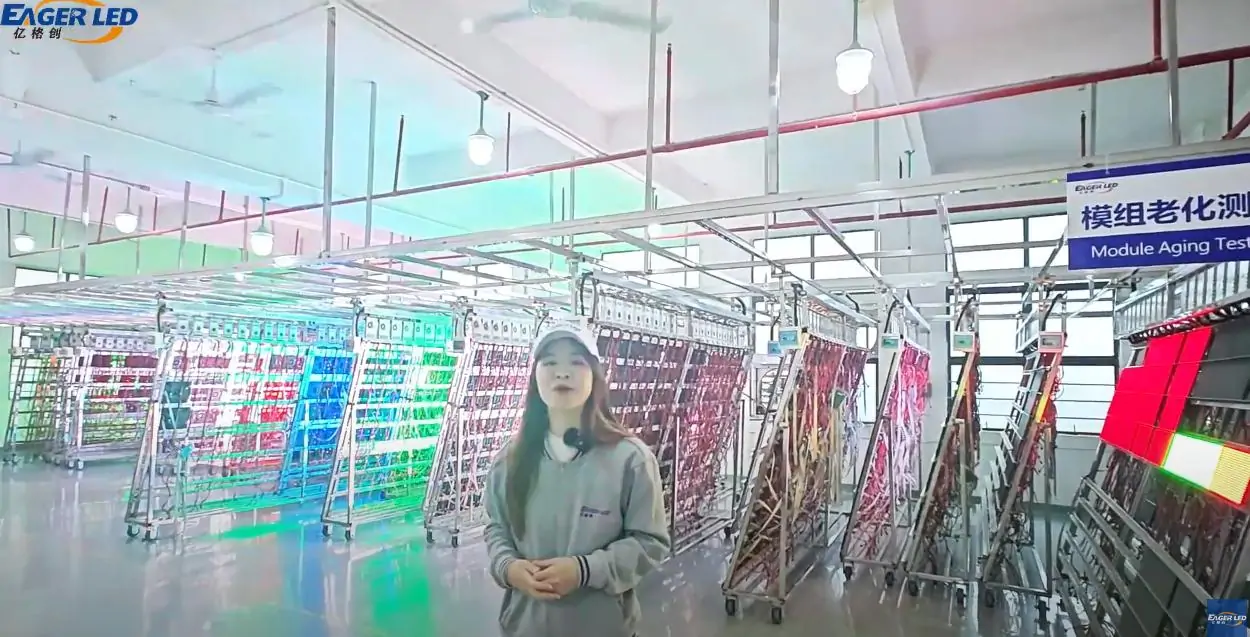
The company video below introduces a factory visit covering aging and quality-control areas, with a reference to the salt-spray facility. It helps illustrate what to ask to see during a factory review. It does not identify your ordered specimen, provide a pass result or establish a coastal service life.
Video: “Chilean Customers Visit EagerLED | Aging, Waterproof & Salt Spray Testing,” from the company channel LED Screen Factory-EagerLED. Watch the original factory visit.
| Record field | What to write down | Unresolved item |
|---|---|---|
| Offered configuration | Cabinet revision, materials, finish and key interfaces | Any option or substitution not covered |
| Test scope | Report identity, method and specimen description | Differences between specimen and order |
| Test result | Actual observations and stated acceptance criteria | Missing pages, conditions or limitations |
| Production control | Finish inspection and traceability records to retain | Who releases the delivered batch |
| Installed assembly | Approved mounting, entry and field-treatment details | Work outside the manufacturer’s supplied scope |
Keep enclosure ingress protection and corrosion evidence as separate checks. An IP designation does not identify the offered coating system, fastener material or corrosion-test specimen. Do not convert an accelerated exposure duration into a promised number of years at your coastal LED facade site.
3. Verify useful operating brightness
Specify the image from the actual viewing approaches under the site’s difficult daylight conditions. Record orientation, direct sun, surrounding reflections and intended content. Ask for the measured operating luminance after the agreed calibration, with test pattern, output setting, measurement position and thermal conditions recorded.
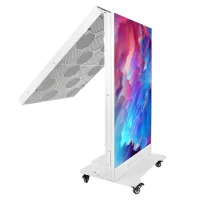
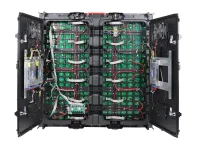
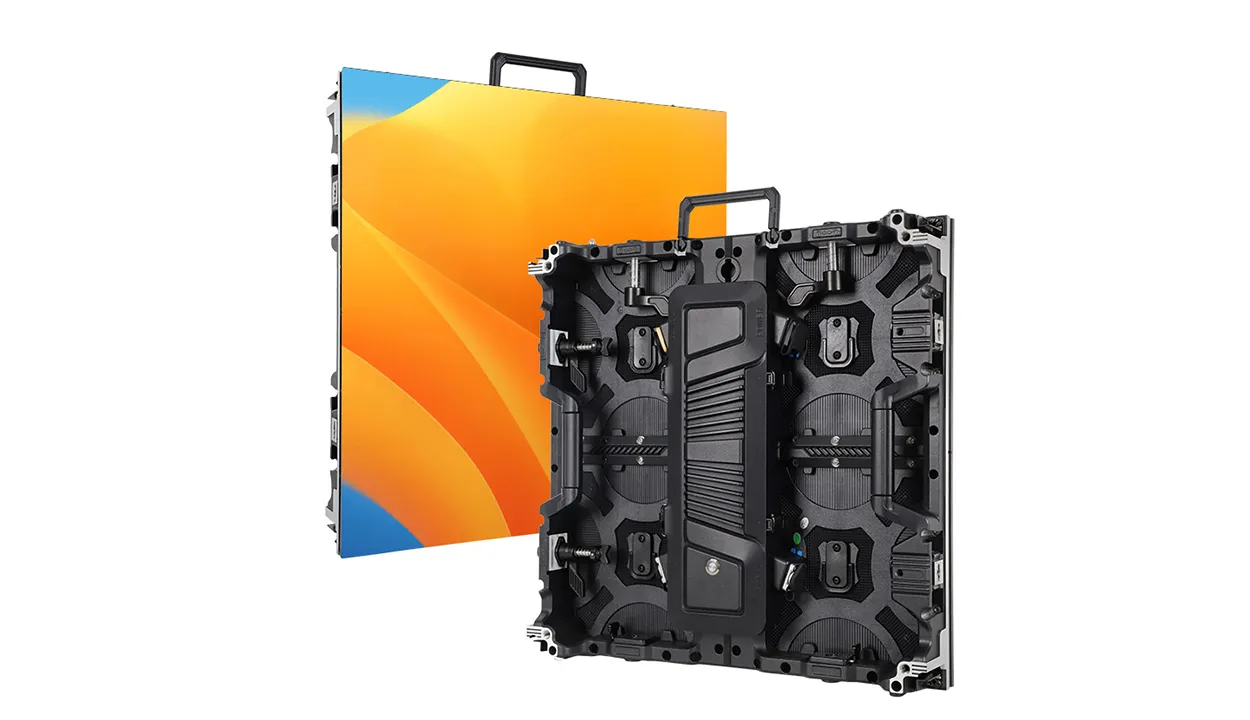
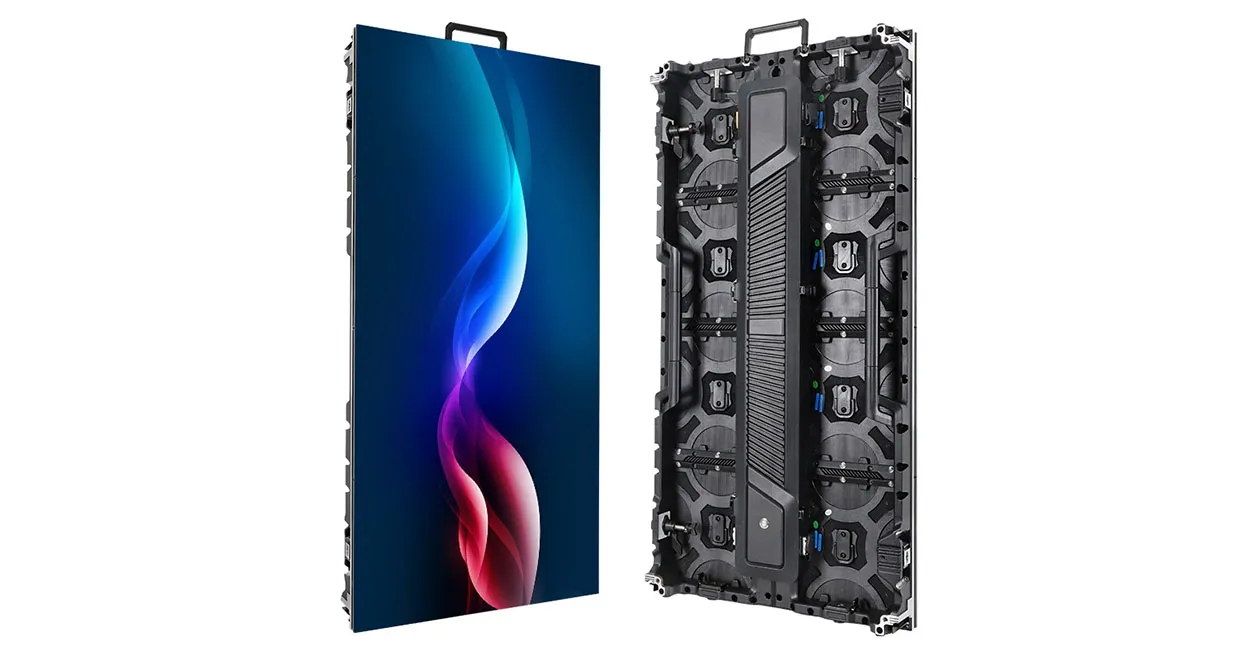
For reference, the EA960R4 advertising LED screen page lists 6,000 cd/m², equivalent to 6,000 nits, and describes rear-access cabinets with fans. This is a product reference, not a statement that every offered finish or installed configuration is approved for your coastal project. Confirm the exact version and conditions before selection.
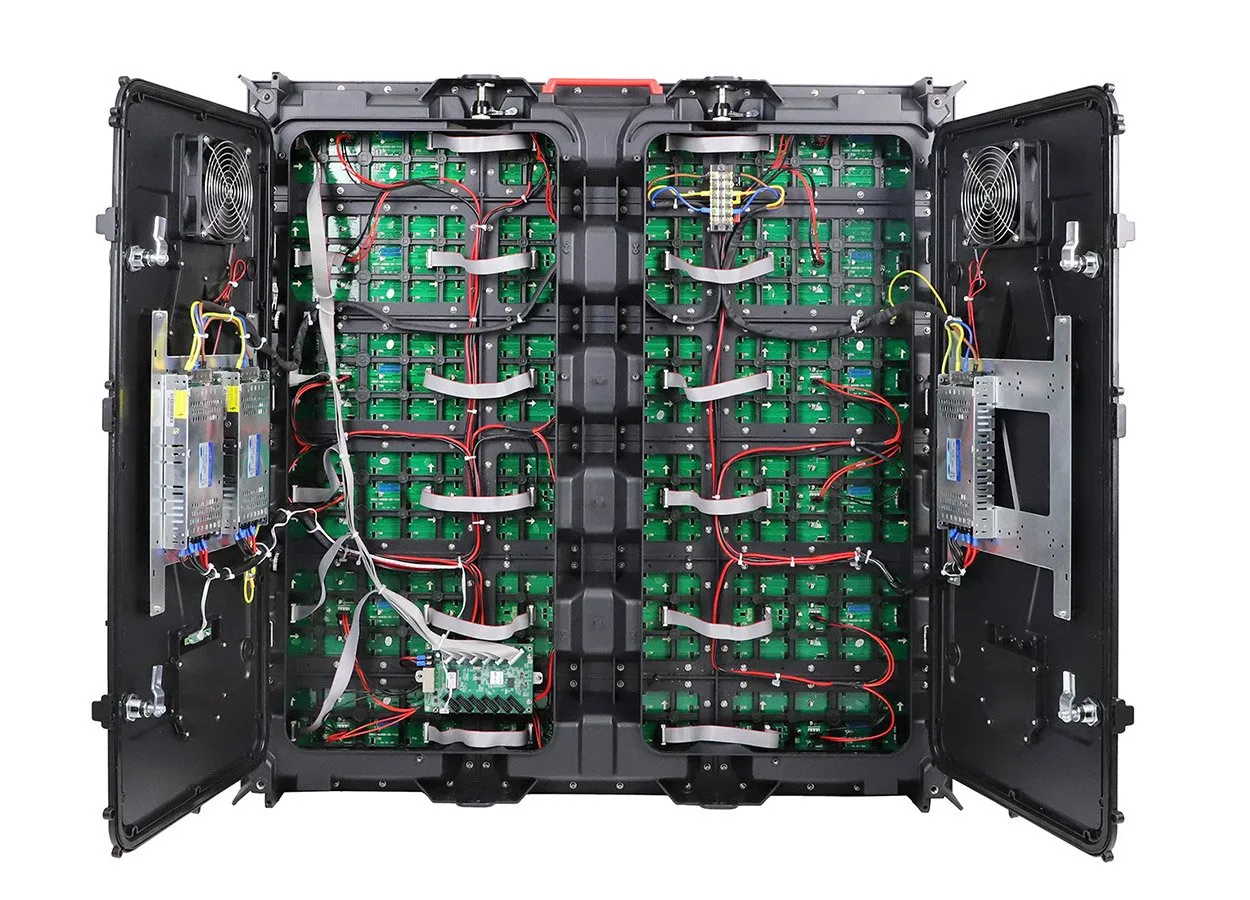
For the coastal LED facade, review the thermal arrangement after installation, including the rear cavity and any facade cladding. Ask what output is available under the agreed operating conditions and what happens during a thermal limitation or fan fault. A bright showroom demonstration does not answer those questions.
Commission day and night dimming, sensor placement, scheduled profiles and manual control under the project’s approved lighting requirements. The LED brightness selection guide explains the optical decision in more detail. Obtain the project settings and operator permissions in the handover record.
4. Check the installed service boundary
A coastal LED facade needs an accessible inspection and maintenance route. Review the most difficult cabinet, not only the first row beside an access door. Identify the space needed to open covers, remove parts, inspect seals and reach connectors safely. Have qualified project personnel confirm access and work arrangements.
Request written cleaning and inspection instructions for the offered materials and equipment. Agree who sets the inspection interval from the actual exposure and what observations trigger action. Do not assume pressure washing, a particular chemical or a site team’s usual cleaning method is permitted.
After a representative service operation, require the supplier to demonstrate restoration of the enclosure, connections, settings and image. Obtain approved procedures for damaged finishes and replaced hardware. A maintenance plan for the coastal LED facade should state responsibilities, rather than simply promise that the display is easy to repair.
5. Connect the factory evidence to delivery
During a live review, identify the legal seller, manufacturing responsibilities and the actual proposed cabinet. Ask to see finish inspection, assembly checks and traceable configuration records. Request relevant coastal references that can be verified with permission, including exposure, installation details and maintenance scope; an attractive waterfront image alone is insufficient.
Agree a delivered-batch record, compatible spares and written approval for changes to the tested or accepted construction. For the installation country in Latin America, specify the service language, support hours, shipping/return responsibilities and who performs local inspection. Do not assume a local service team or spare-parts warehouse exists.
Obtain warranty terms that address the declared exposure and distinguish product defects from installation work, finish damage and maintenance responsibilities. Keep the accepted coastal LED facade evidence schedule with the final quotation so unresolved items remain visible.
Questions about coastal procurement
Does a high IP rating prove that the screen is suitable beside the sea?
No. Ask separately for the offered materials, finish, corrosion evidence and installation details. The ingress-protection designation does not describe that complete evidence set.
Can a supplier convert salt-spray hours directly into years of service?
Do not accept that shortcut. Request the method, specimen, observations and interpretation limits. A site-specific service commitment needs its own documented conditions and terms.
Request a coastal facade evidence review
Send EagerLED the country and city, exposure assessment, facade elevation, screen dimensions, orientation, viewing approaches, required operating hours and daylight conditions. Include the support concept, rear cavity, service route and who owns local installation and maintenance.
Request a coastal LED facade configuration, material/finish schedule, applicable test evidence and brightness demonstration plan before comparing final offers. Request the coastal facade evidence schedule
Related Posts

Fill In Your Needs In Detail
Fill in the screen usage scene and size you need in “Content”.You will get a quote.