Shortlist Chinese exhibition-booth LED wall manufacturers by asking them to prove that the complete, identified system can reach your stand, be rebuilt and pass acceptance before the organiser’s handover deadline. For exhibition contractors delivering international trade-show booths in Southeast Asia, the buying decision includes the cabinet, shipment, local build team and contingency plan. A cabinet demonstration alone does not prove readiness for opening day.
- A dated delivery plan that works backwards from the venue’s actual access and handover times.
- A witnessed rehearsal using the proposed display, controls, content and support arrangement.
- A case-by-case packing and commissioning record that lets the destination crew identify every required item.
Contents
1. Compare suppliers against the event deadline
Ask the organiser or stand contractor for the actual move-in slot, vehicle access, permitted work periods, inspection requirements, empty-case storage arrangements and exhibitor handover time. Name the destination venue and city; rules and services should be checked for that event rather than assumed from a previous exhibition in the region.
Work backwards from a fully commissioned stand. Separate factory readiness, shipment release, international transport, destination handling, delivery to the booth, assembly, content loading and acceptance. Ask each party to identify the latest acceptable completion of its step and the consequence of missing it. “Dispatch before the show” leaves most of the chain unresolved.
For the display’s curve and footprint, use the separate curved-booth cabinet verification guide. Here the question is whether the supplier can deliver the approved arrangement as a complete, traceable package within the event workflow.
2. Use a delivery-readiness gate sheet
Send the same sheet to every shortlisted manufacturer. Enter actual dates, named owners and document references; leave unresolved items visibly open. These are project acceptance gates, not a claim that one universal shipping buffer or installation time fits every booth.
| Gate | Evidence to request | Owner and release condition |
|---|---|---|
| Stand design frozen | Approved dimensions, support arrangement, service route and organiser requirements | Stand contractor identifies the accepted drawing revision |
| System rehearsal complete | Assembly record, content map, settings backup and open-defect list | Buyer accepts the demonstrated configuration or records required corrections |
| Shipment ready | Itemised cases, quantities, identification, gross weights and dimensions | Supplier reconciles the packed system against the approved bill of materials |
| Destination handover arranged | Named consignee, handling and delivery arrangements, required shipment documents | Buyer and logistics provider confirm their respective responsibilities |
| Booth commissioning accepted | Checked image, labelled routes, operator briefing and defect closure | Destination crew and nominated exhibitor representative sign off |
| Opening-day fallback ready | Available compatible spares, support contact and agreed alternative presentation | Contractor confirms what is physically available before opening |
Use a clear status for each line: supported by evidence, clarification required or unresolved. Do not let an overall score conceal a missing component that prevents the wall from operating. A supplier should identify the limits of its own scope as clearly as the items it supplies.
3. Witness a complete system rehearsal
Ask for a representative build using the quoted cabinet revision, connection hardware, receiving cards and controller. Run the intended presentation source and a non-confidential version of the exhibitor’s content. Confirm the content canvas, cabinet order, visible joins and viewing positions before packing.
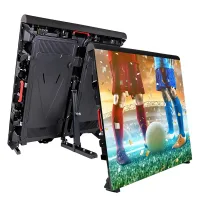
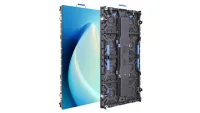
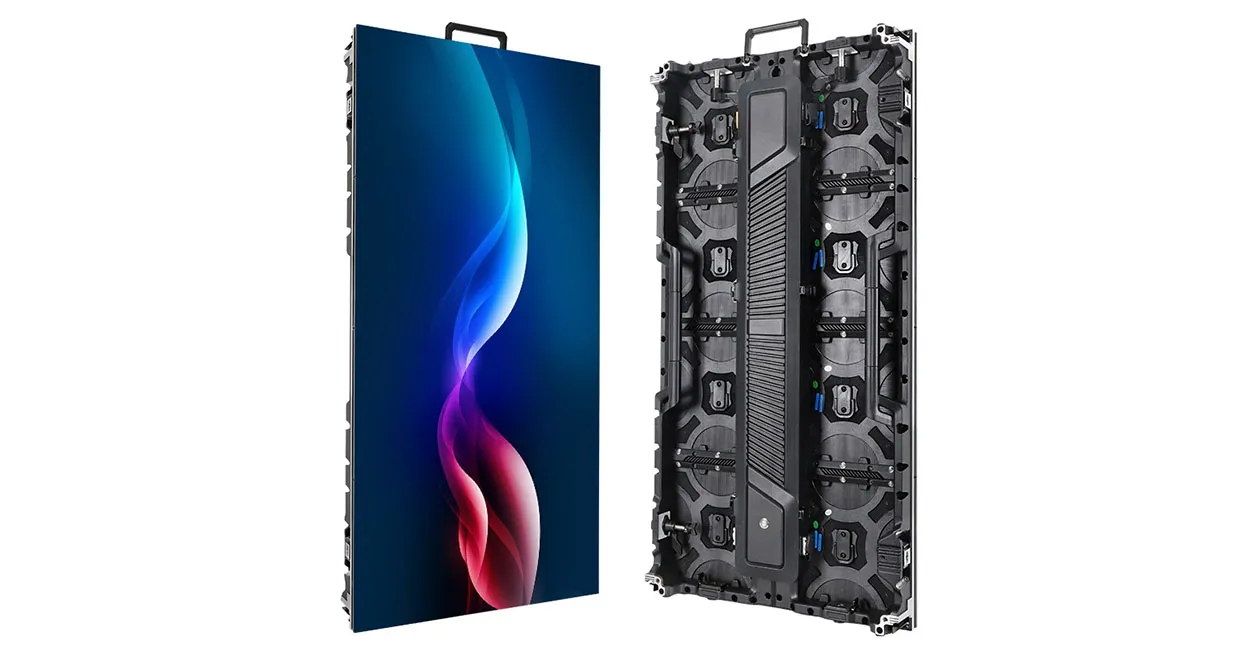
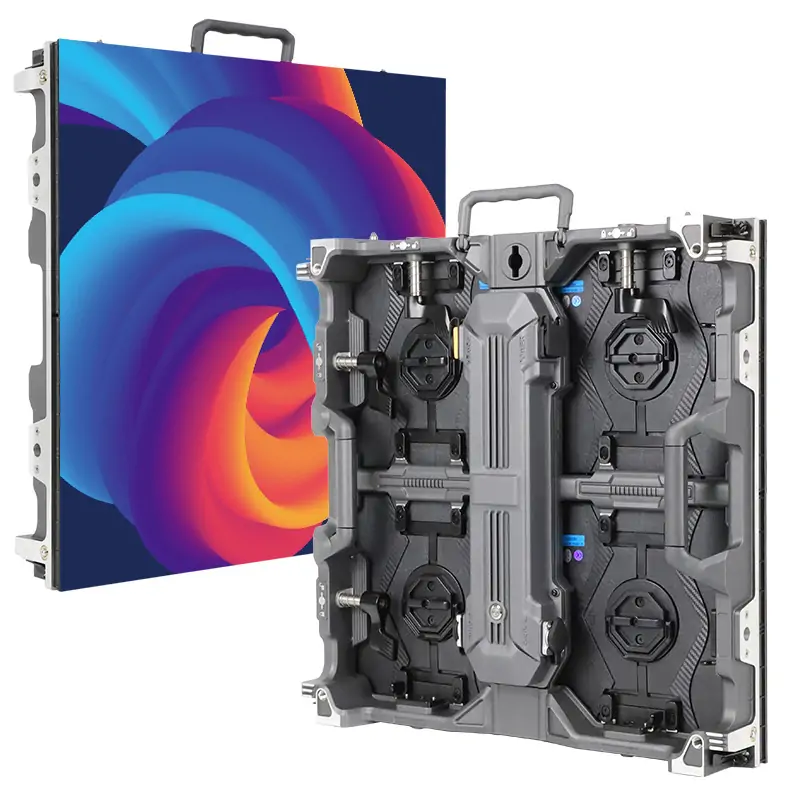
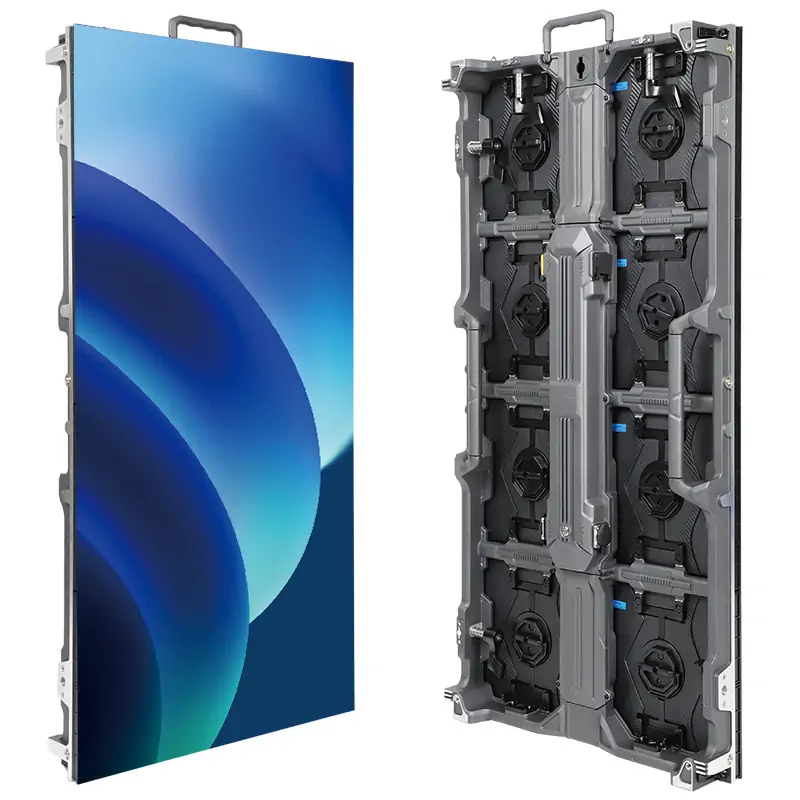
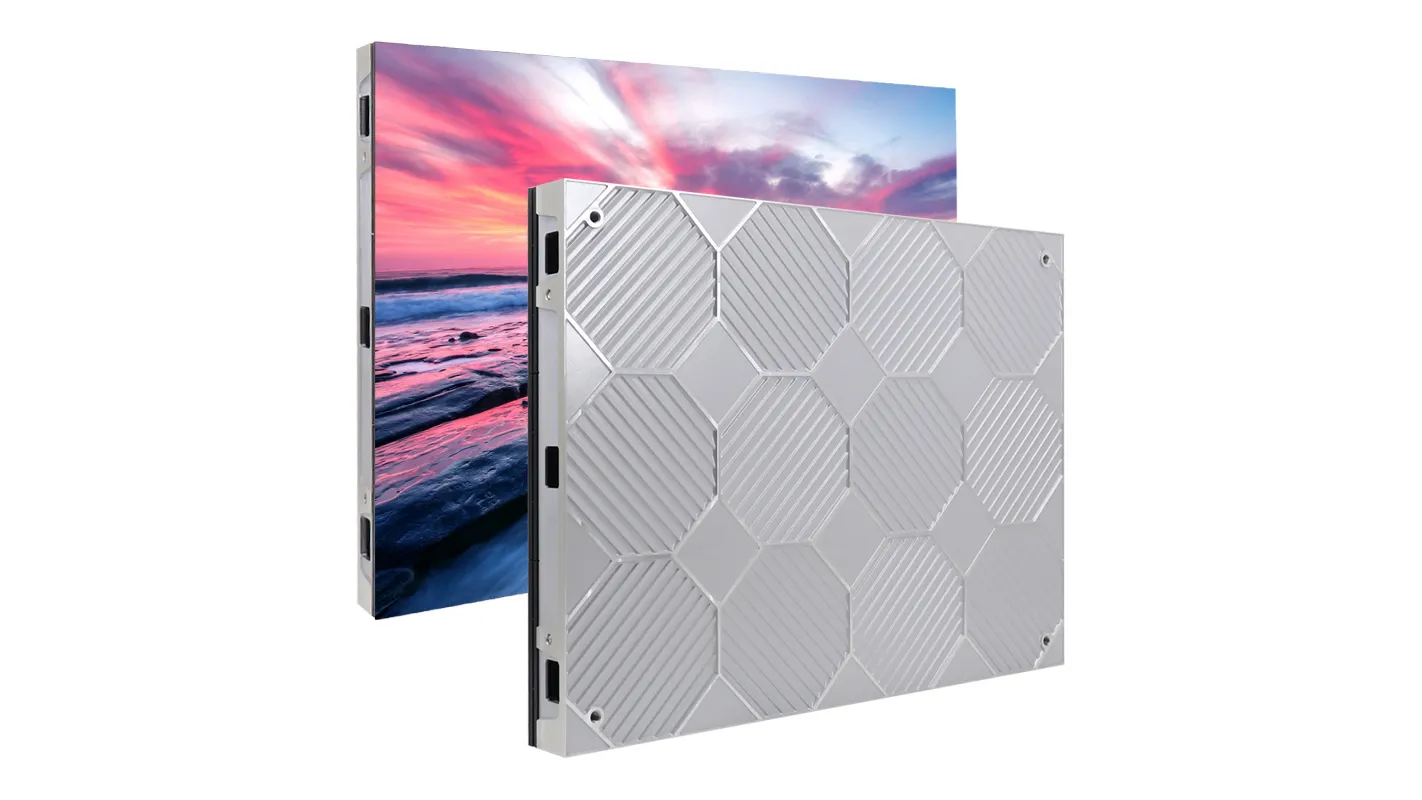
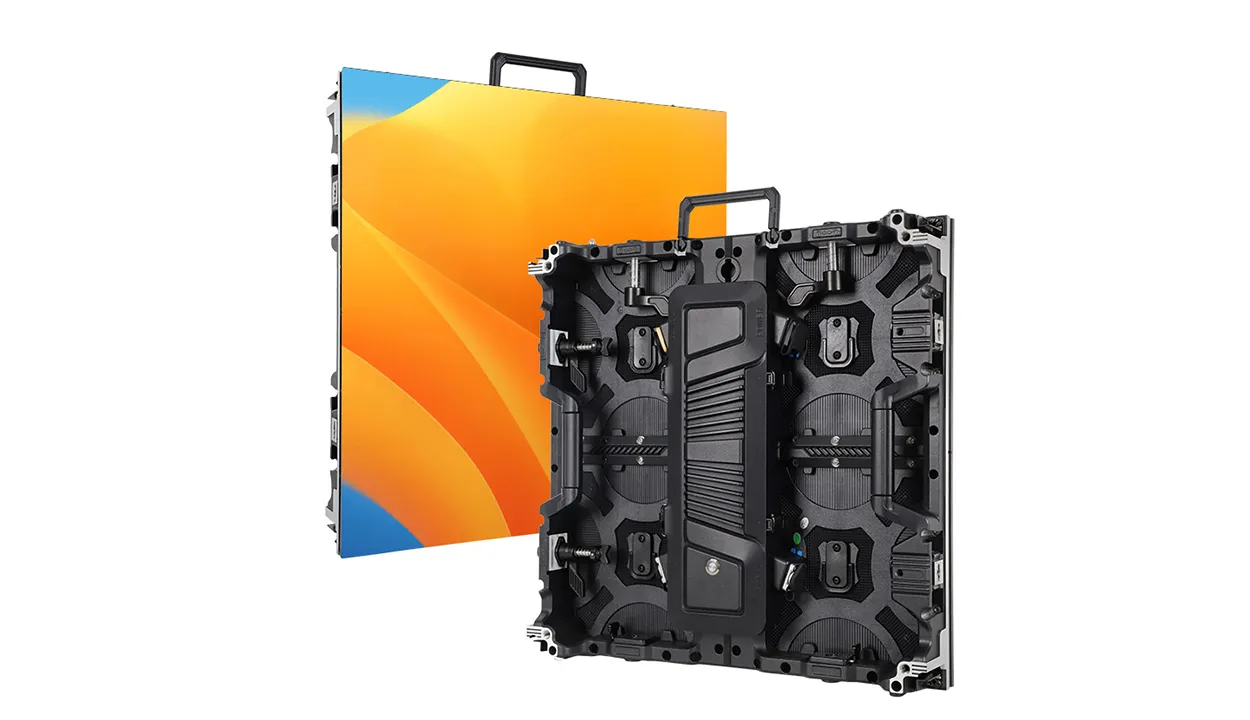
The company video below illustrates EA1000C4 cabinet details, including the rear component arrangement. It provides a useful starting point for asking what hardware is included and accessible in your build. It is a product presentation, not evidence that your stand has passed a timed installation rehearsal.
Video: “EA1000C4 500x1000mm Rental LED Display for Curved Stage and Exhibition Setup,” by LED Display Manufacturer-EagerLED. Watch the original YouTube video.
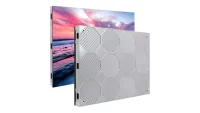
The EA1000C4 product page describes a 500×1000 mm rental cabinet and optional curve-lock hardware. Confirm the supplied options, current specifications and approved installation method in the quotation. Product dimensions do not establish the venue-approved support or the crew needed to handle it.
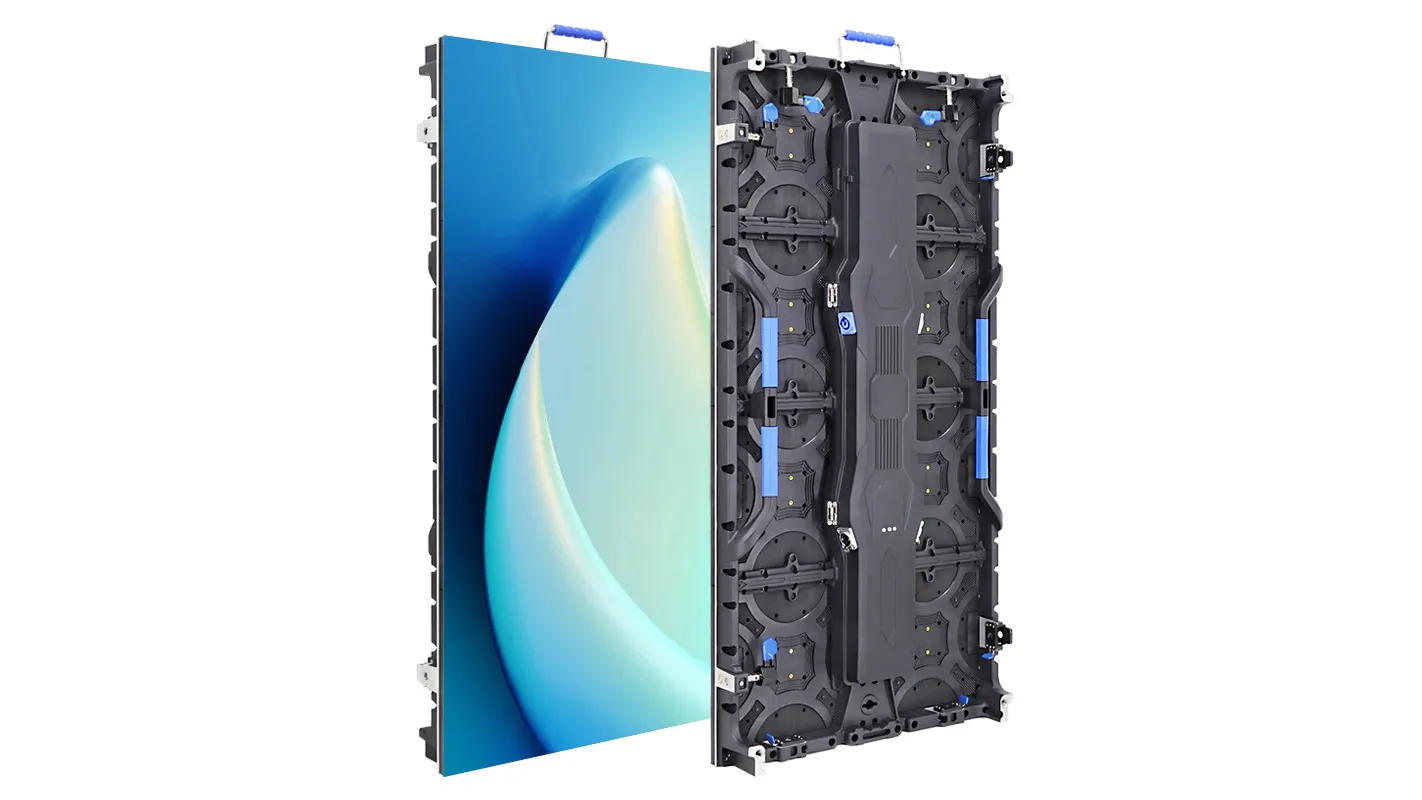
If build time is a purchasing criterion, agree a witnessed timing exercise with stated crew, tools, starting condition and finish criteria. Record corrective work and repeat the affected checks. Do not translate a promotional “quick installation” description into a guaranteed booth completion time.
4. Match packed items to the stand drawing
Have the supplier label each case and show its contents against the final bill of materials. Include the specified cabinet quantities, connection and support accessories, control equipment, cables, compatible spare parts and approved service tools. Distinguish equipment supplied by the manufacturer from items provided by the local contractor.
Keep a cabinet-position map and cable identification scheme with the settings backup. Give the destination crew a controlled copy before the shipment arrives. Ask who checks substitutions and how a changed controller, card or module revision is revalidated against the accepted system.
Request actual packed dimensions, gross weights, handling and stacking instructions. Confirm these with the logistics provider and venue access route. An unpacked cabinet weight is insufficient for planning the movement of loaded flight cases. Keep inspection photographs and a discrepancy process for receipt; record damage or missing items before the event build depends on them.
5. Verify the local responsibilities and fallback
Check the legal seller, manufacturing role and exact production configuration. A factory visit should connect the demonstrated equipment to inspection, identification and packing records. Verify any certificate against the quoted equipment and intended destination with the appropriate project professionals; a company brochure is not a substitute for product-specific evidence.
Put installation, venue coordination, power provision, engineering approval, commissioning and operator training into a written responsibility schedule. Agree who is available during build-up and opening hours, what remote support covers and who can perform an on-site repair. A warranty term alone does not define event-day labour or delivery of a replacement part.
Agree a practical fallback with the exhibitor: for example, an independently available display and a reduced presentation pack, if suitable for the stand. Confirm its actual availability and operator procedure. Keep the deadline for choosing that fallback separate from the deadline for permanent repair, so a late shipment does not become an improvised opening-day decision.
6. Request an event-ready proposal
Send: venue and city; show dates and move-in slot; exhibitor handover time; approved booth drawing; wall dimensions; content format; intended viewing positions; installation and service space; destination crew; shipment destination; and locally supplied equipment.
Ask EagerLED for a configuration-specific quotation, rehearsal proposal, delivery-readiness sheet, case-level packing plan and written responsibility schedule. Compare suppliers on the evidence needed to open the stand successfully, as well as on the equipment price.
 Executive Briefing LED Walls: Supplier Recovery Checks
 Football Perimeter LED Suppliers: Playout Acceptance Tests
Related Posts

Fill In Your Needs In Detail
Fill in the screen usage scene and size you need in “Content”.You will get a quote.