Shortlist a Chinese outdoor fixed LED billboard manufacturer for a shopping district by requiring an operating-state demonstration and a clear boundary between equipment, installation and media operations. For Brazilian outdoor media owners, a useful proposal explains what happens at opening, after dark, during a connection problem and when a component needs service. A bright factory video and a cabinet price leave those ownership questions unresolved.
- Fix the site brief and installation city.
- Ask the manufacturer to demonstrate each agreed operating state.
- Assign responsibility for the screen, player, connectivity, structure and field service.
- Preserve the approved configuration through production and handover.
Contents
1. Issue a comparable street brief
Provide drawings and photographs showing the display face, sight lines, nearby shops, homes, roads and pedestrian areas. State active dimensions, viewing distances, operating hours, power and data positions, and the maintenance route. Identify direct sun, rain exposure and known coastal or dusty conditions.
Keep equipment selection separate from permission to install and operate signage. Ask the owner and qualified local project team to confirm applicable site, structural, electrical and advertising reviews for the actual Brazilian municipality. This checklist does not supply a nationwide brightness limit or universal approval route.
A manufacturer, importer, installation contractor and media-network operator can have different roles. Identify the legal seller and the party accountable for each stage. The Brazil LED supplier overview compares market routes; the sheet below qualifies a proposal for one fixed shopping-district screen.
2. Use an operating-state acceptance sheet
Give each finalist the same sheet. Add columns for equipment, settings, responsible company, observed result and unresolved action. Demonstrations should use an agreed test environment and trained personnel; do not simulate unsafe faults on an installed public screen.
| Operating state | Evidence to request | Question to resolve |
|---|---|---|
| Start of the day | Startup sequence, source selection and campaign schedule | Who checks that the correct campaign is visible? |
| Daylight operation | Buyer content from agreed viewpoints with settings recorded | What site conditions does the demonstration represent? |
| Evening operation | Brightness-control method, schedule and manual override | Who authorises the site-specific operating limits? |
| Content connection unavailable | Declared player behaviour and reconnection recovery | Does the system retain approved content, blank or need intervention? |
| Visible fault or equipment alert | Available diagnostic evidence and escalation workflow | Who separates network, player, power and LED hardware issues? |
| Planned replacement | Approved access, compatible spare and restoration check | Who provides technicians, access equipment and public-area controls? |
Do not assume scheduling, automatic dimming, monitoring or offline playback comes with a cabinet. Ask which controller, player, sensor, software licence or service enables each function. Mark unsupported functions clearly and compare complete proposals. A demonstration without its equipment list cannot establish what will be delivered.
3. Check the proposed outdoor assembly
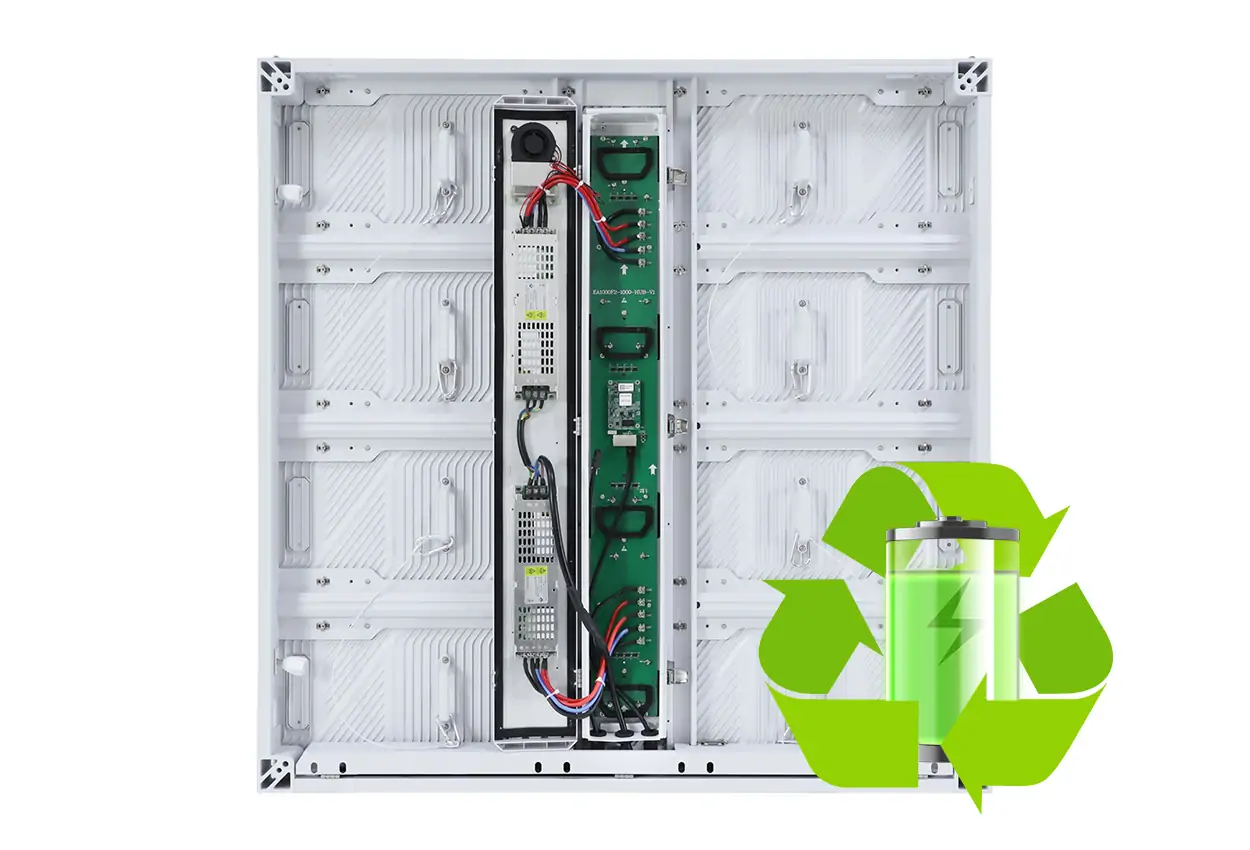
Request applicable environmental limits and documents for the exact equipment. Establish what an enclosure rating covers: display face, rear assembly, connectors and opened service interfaces need appropriate consideration. A component certificate does not replace the documents needed for the complete equipment and installation.
Ask the supplier to identify airflow paths, door operation, inspection and cleaning procedures. Have the local design team resolve structure, electrical installation and public access. A cabinet specification is an input to that work, not a site structural assessment.
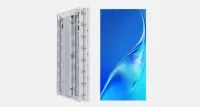
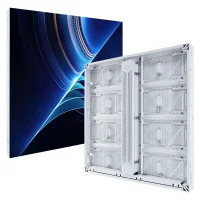
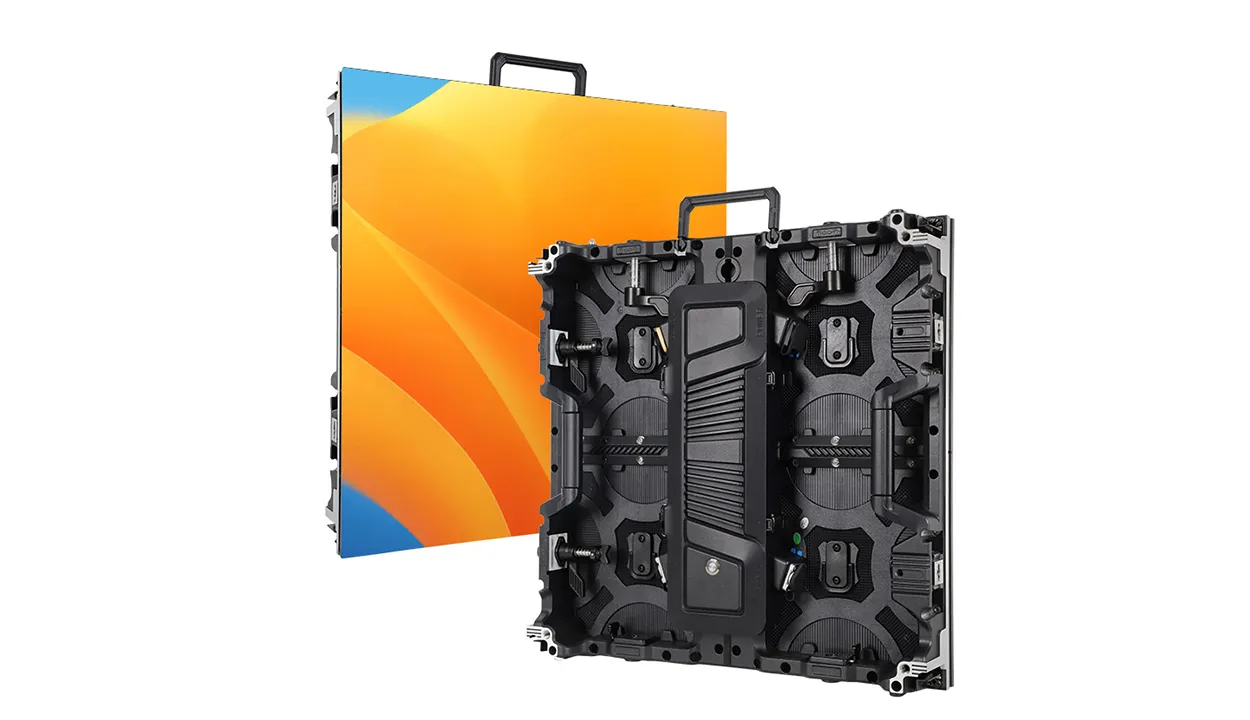
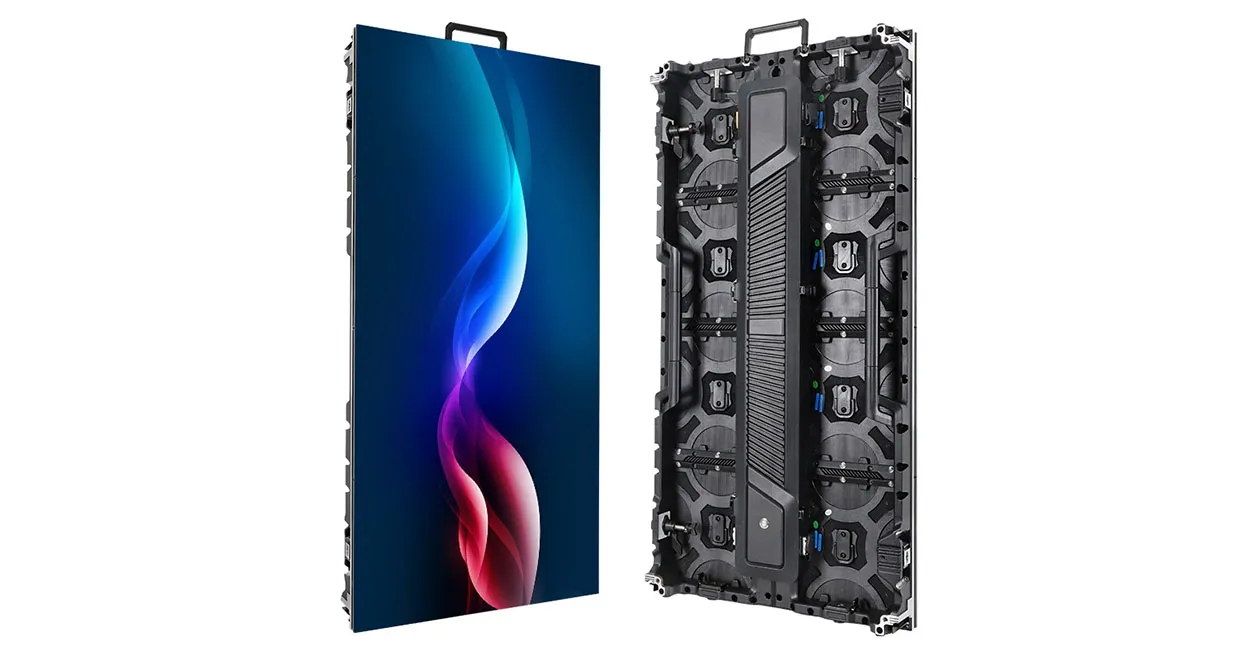
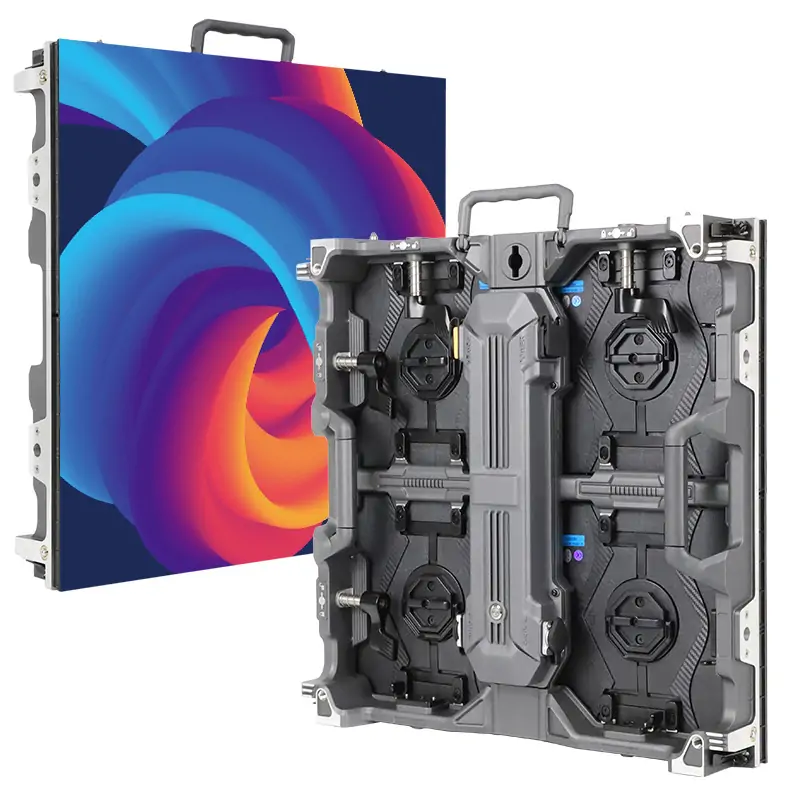
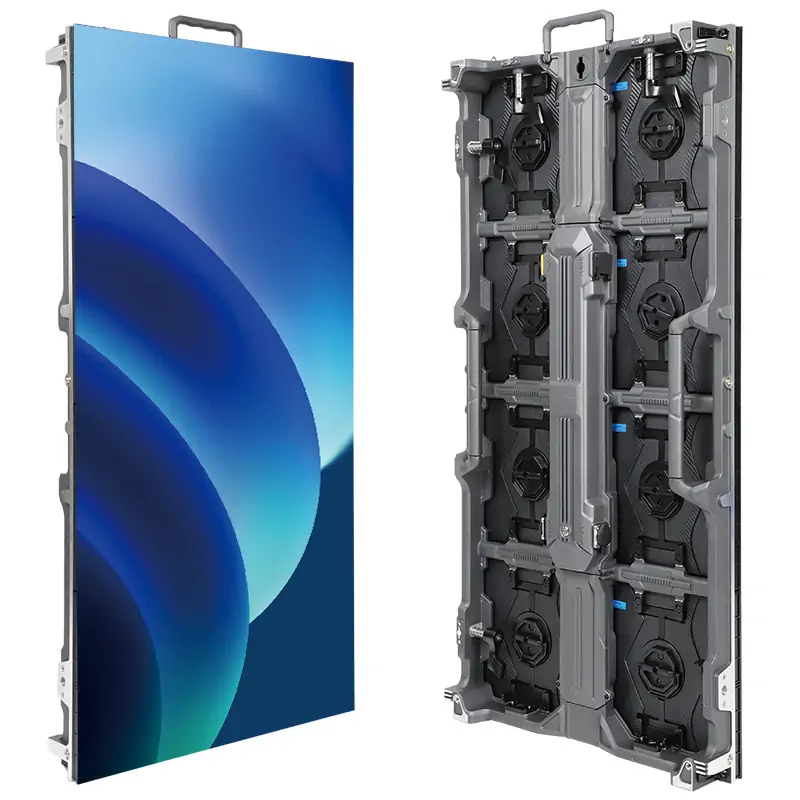
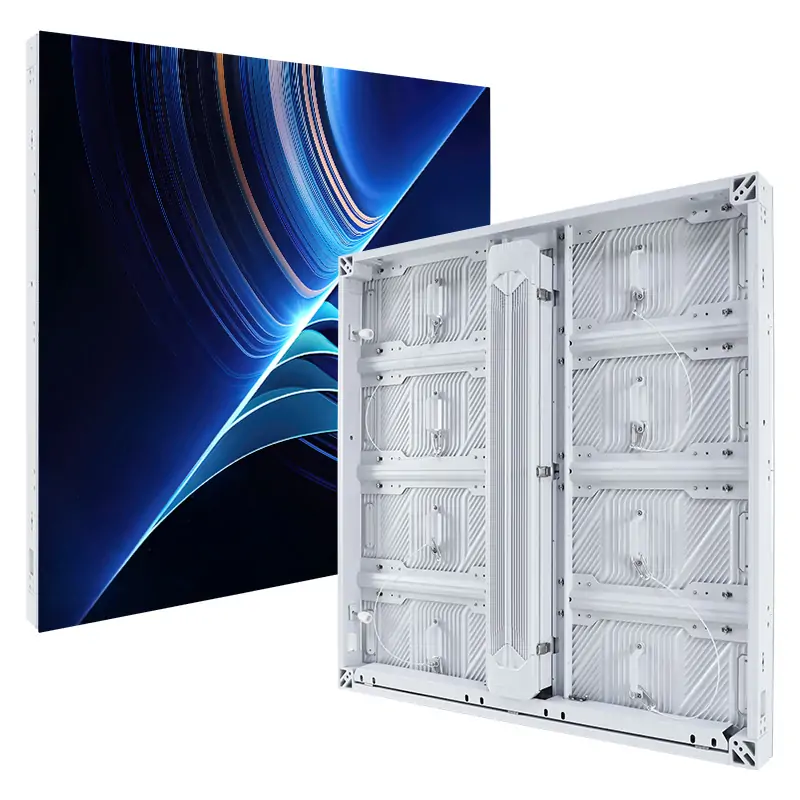
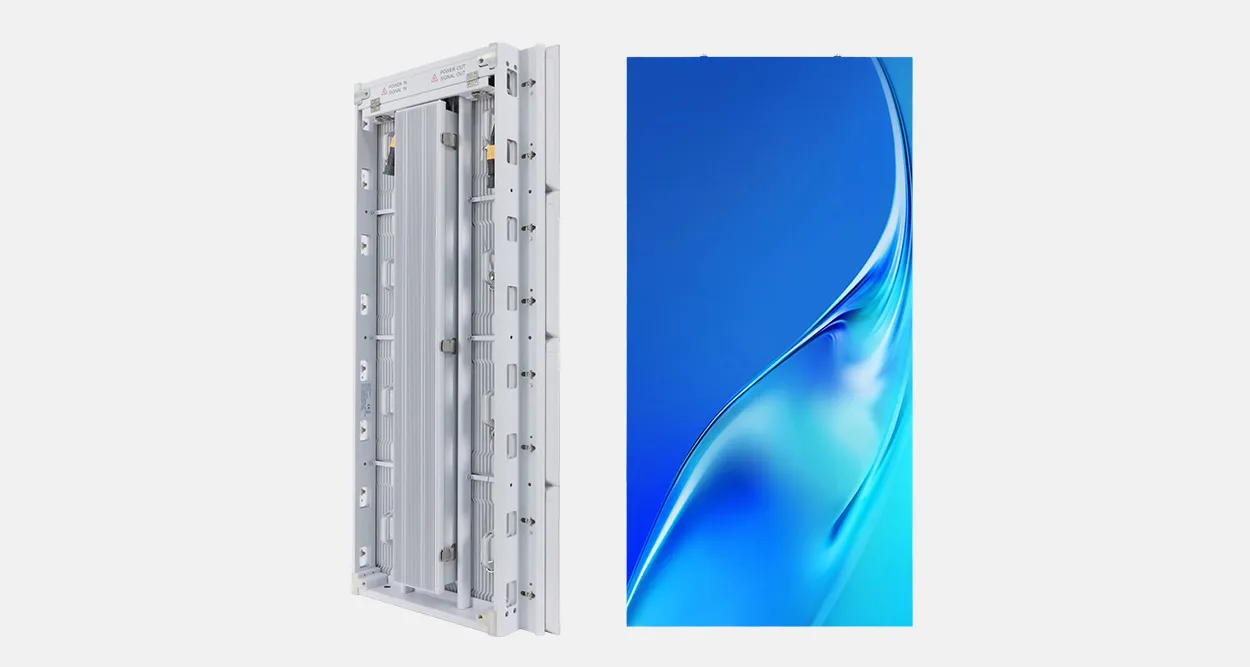
The EA1000F2 outdoor advertising display is a product reference with front and rear service options. Confirm which components are accessible from the chosen side and demonstrate the route against the proposed structure. Do not infer an identical installation method for every size or optional corner cabinet.
4. Verify the seller and production order
In a live factory review, connect the quoted model with its assembly location, inspection process and manufacturing responsibility. Ask how modules, power supplies and receiving components are identified and how substitutions are approved. A workshop tour alone does not establish that the quoted configuration is being supplied.
Retain the demonstrated bill of materials, drawings, control settings and acceptance sheet. Before shipment, reconcile labels, cabinets, accessories and spare revisions with those records. Resolve differences before accepting shipment rather than discovering incompatibility during a street closure.
For references, request the supplied model, installation context and supplier’s actual role, with permission to verify the project. A Brazilian photograph is insufficient if involvement is unconfirmed or a different contractor supplied all commissioning and service.
5. Allocate outage and service responsibility
Build an escalation route covering media scheduling, connectivity, processing, power and LED hardware. Specify what evidence the operator collects and who receives it. A hardware warranty alone cannot guarantee uninterrupted advertising; operational availability depends on the whole system and service arrangement.
Confirm compatible local spares, storage, replenishment and settings backup. Separate warranty coverage from labour, access equipment, public-area management, travel and freight. Request the start event, exclusions and claim procedure in writing. Confirm support hours in the installation city’s local time.
Compare delivery, import handling, site work, software subscriptions and service on the same basis. Let the Brazilian importer verify destination-specific charges and responsibilities. Keep unknown items visible rather than treating a low equipment price per square metre as a finished billboard budget.
6. Prepare the enquiry package
Send: Brazilian city and site; drawings and photographs; active dimensions; viewing positions; exposure; daily schedule; content format; structure and access; power and connectivity; local review contacts; commissioning date; and maintenance scope.
Ask EagerLED for a cabinet arrangement, exact system list, operating-state demonstration plan and responsibility schedule. Apply the same evidence sheet to every shortlisted manufacturer.
 Boardroom Fine-Pitch LED: Supplier Demonstration Checks
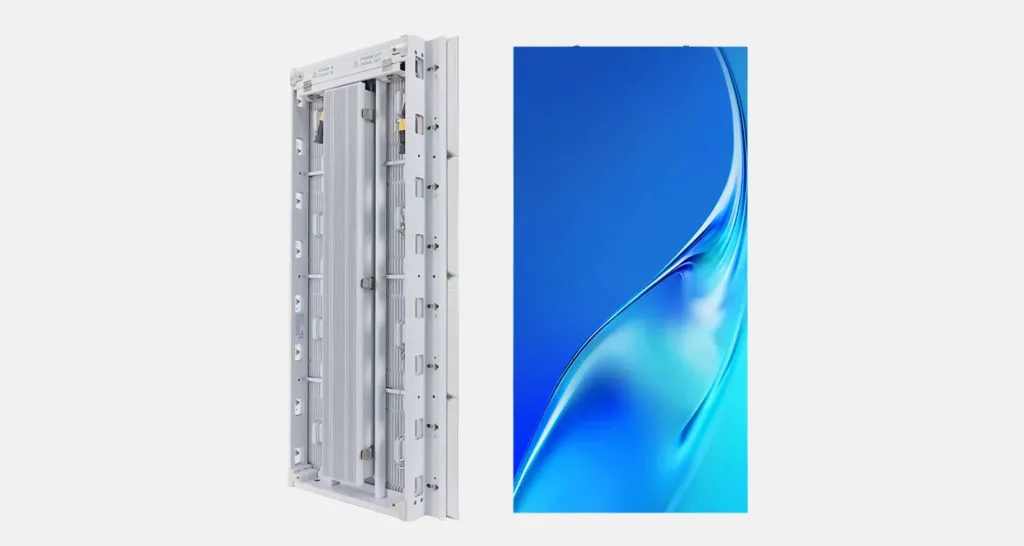 Outdoor Front-Service LED: Storefront Supplier Checks
Related Posts
Fill In Your Needs In Detail
Fill in the screen usage scene and size you need in “Content”.You will get a quote.