
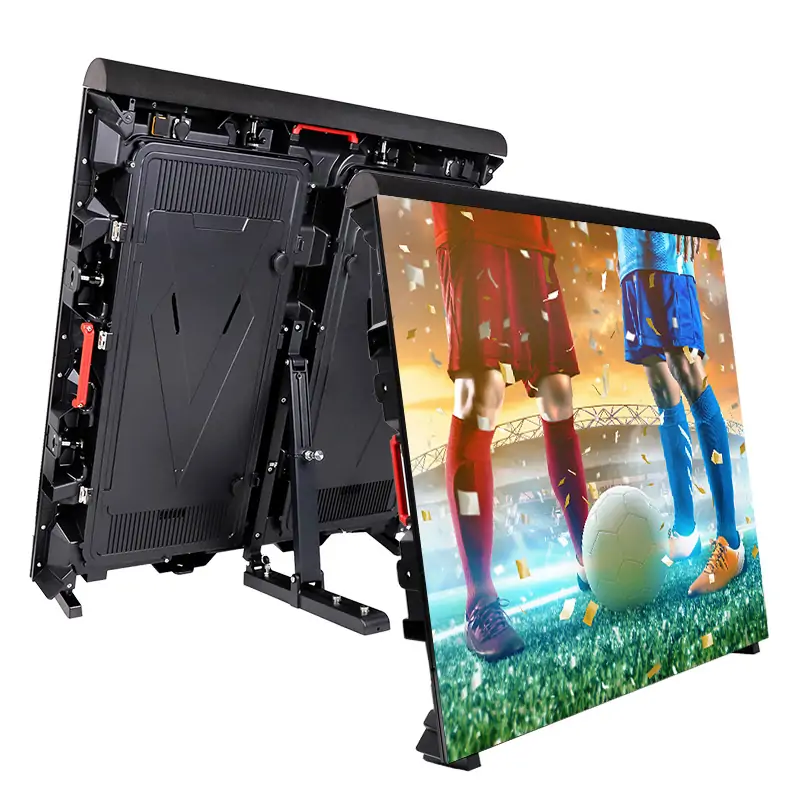
Features of Custom LED Display
● Operating temperature range: -20℃ to 60℃
● 60°-90° adjustable back bracket design
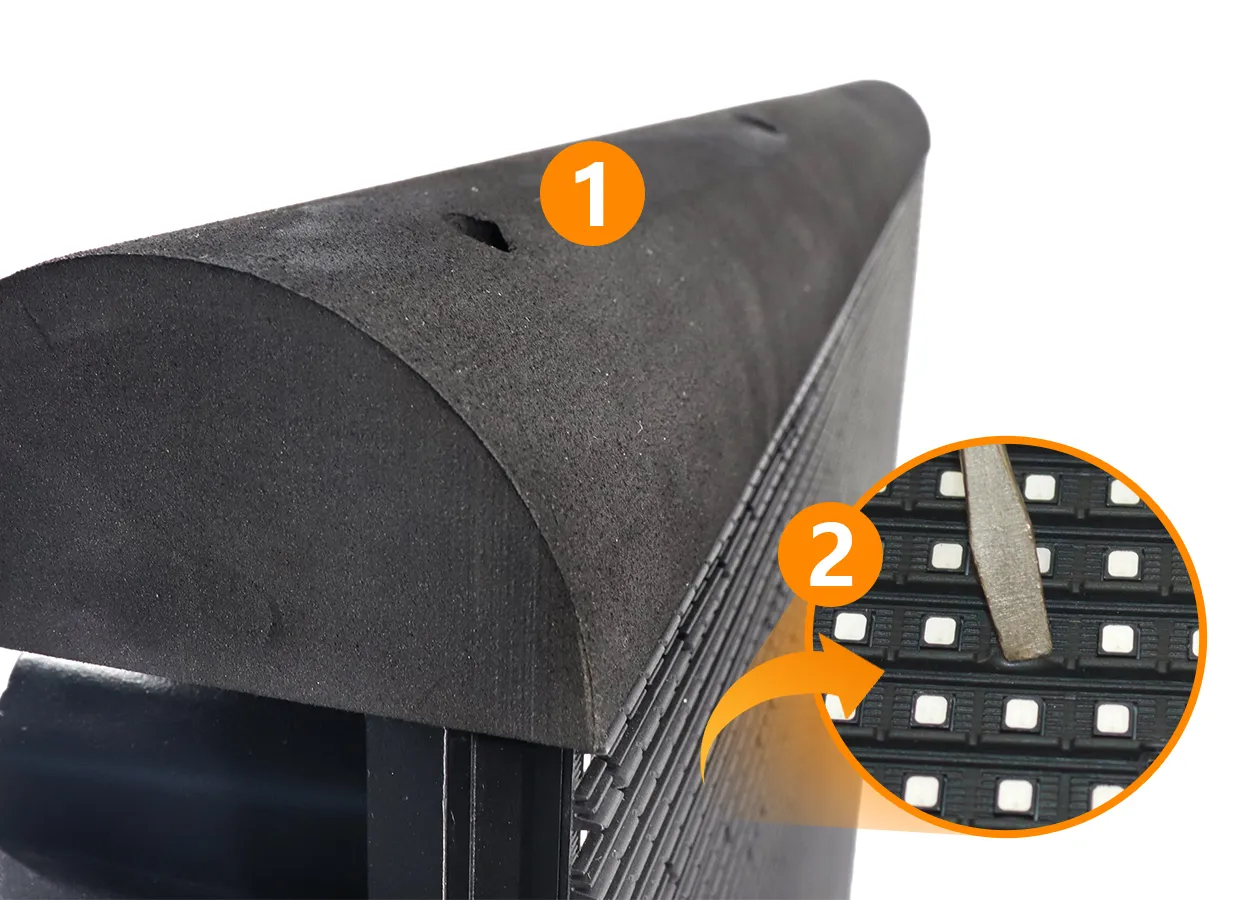
● Pillowcase and soft mask ensure high protection
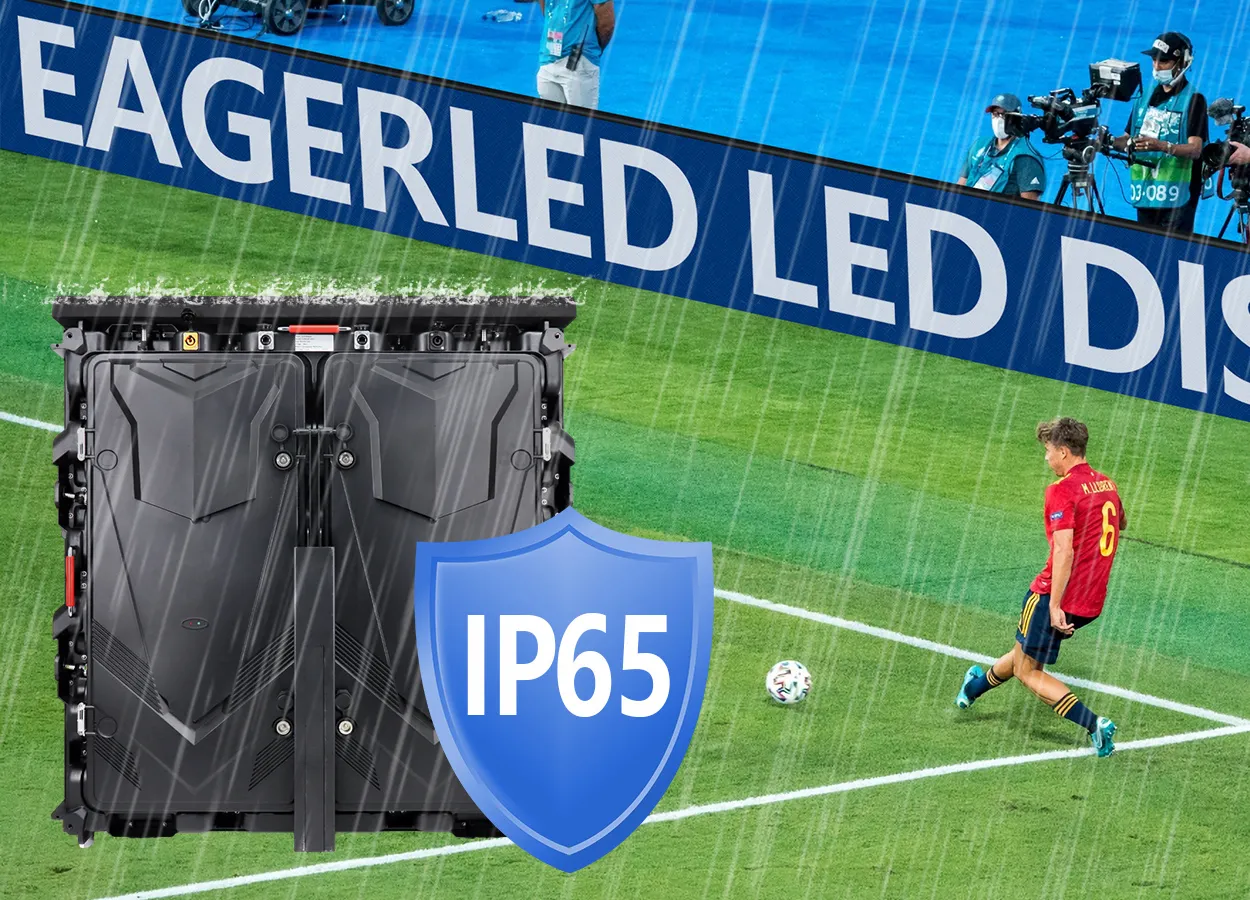
● IP65 high waterproof level
● 3840Hz high refresh rate, 6000CD/㎡ high brightness
● Openable back cover for rear maintenance
● Multi installation ways ensure versatility
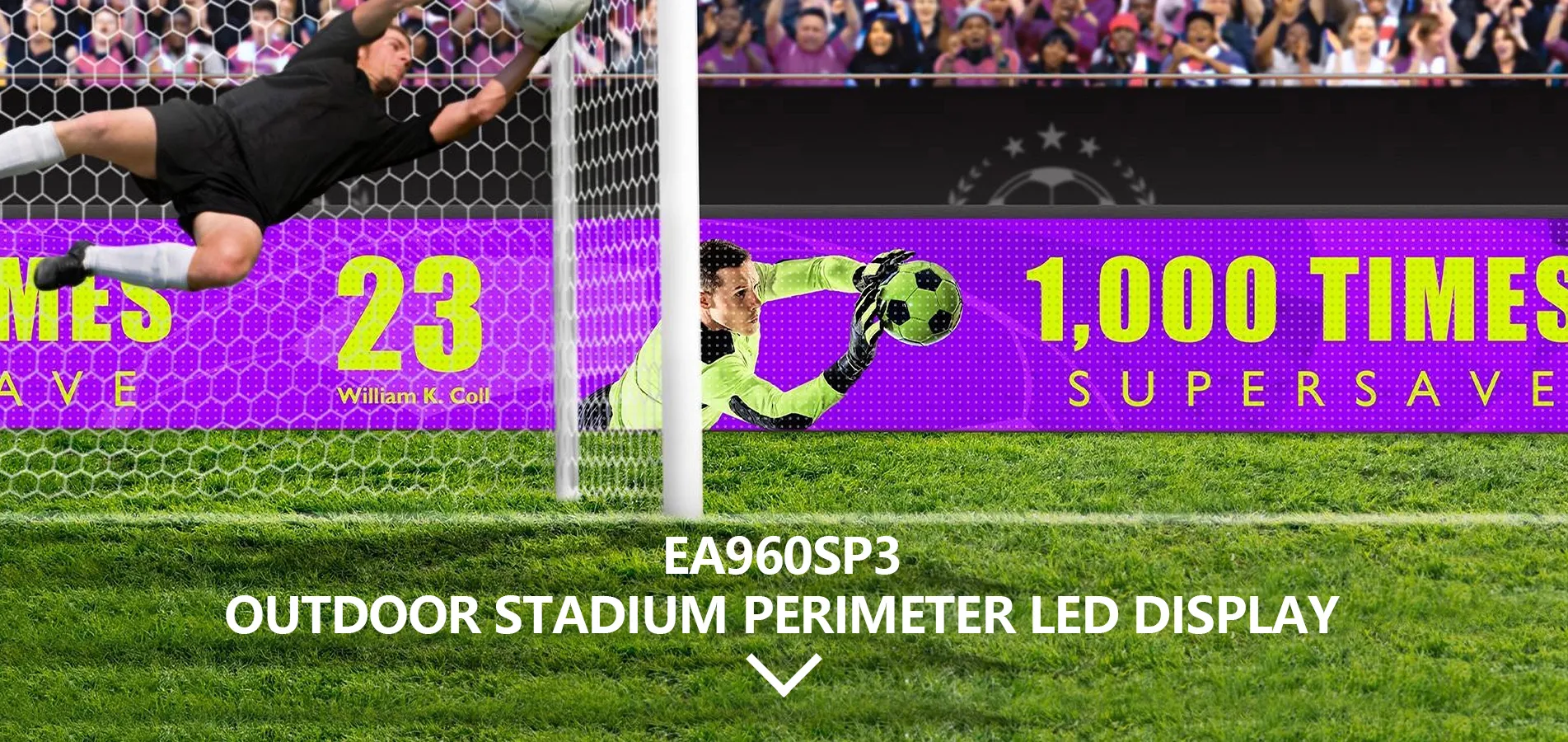
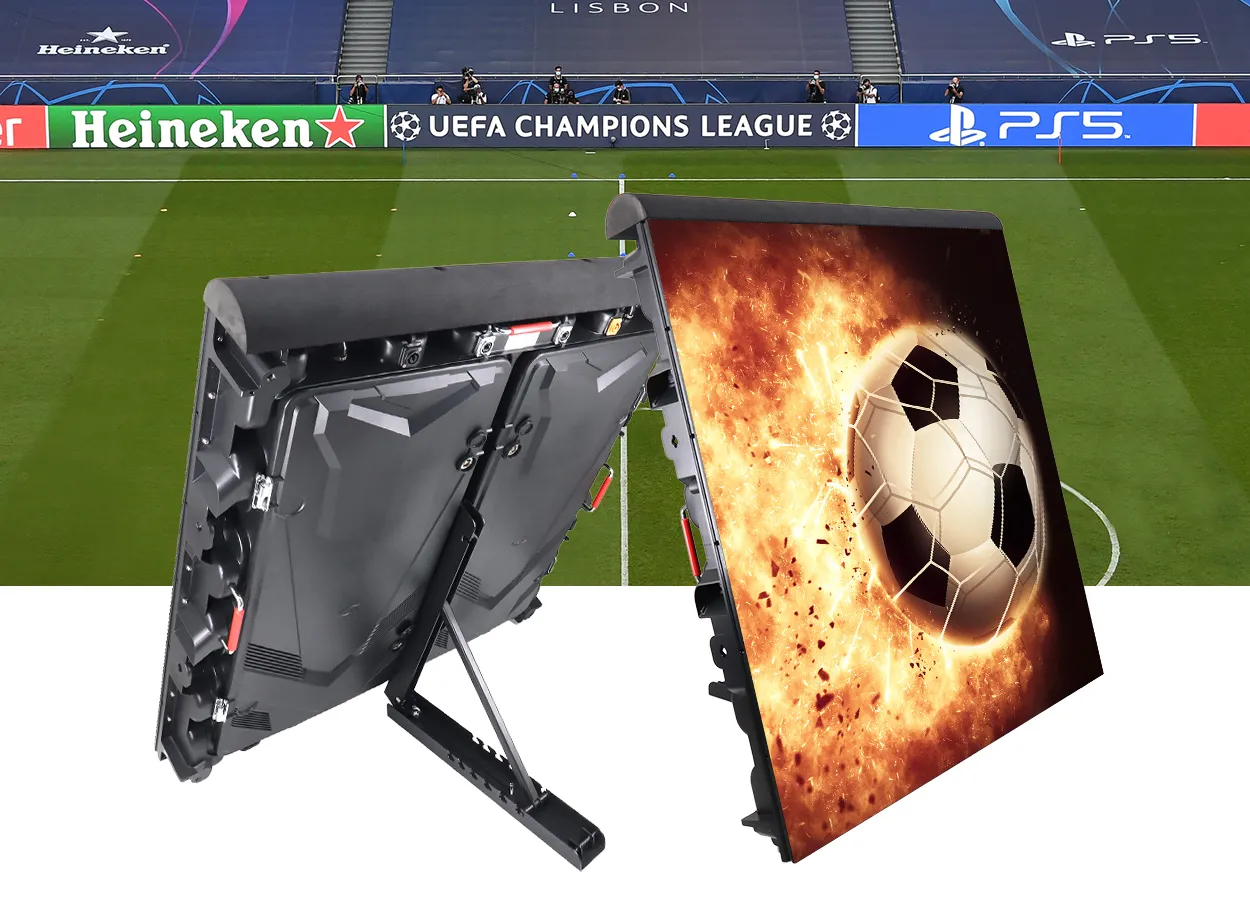
EA960SP3 Stadium Perimeter LED Screen
EA960SP3 stadium LED screen features IP65 high waterproof level, rear service design, 0-90° adjustable bracket, and high refresh rate. It guarantees optimum performance in a variety of stadium environments, offering an immersive visual experience to attract spectators.
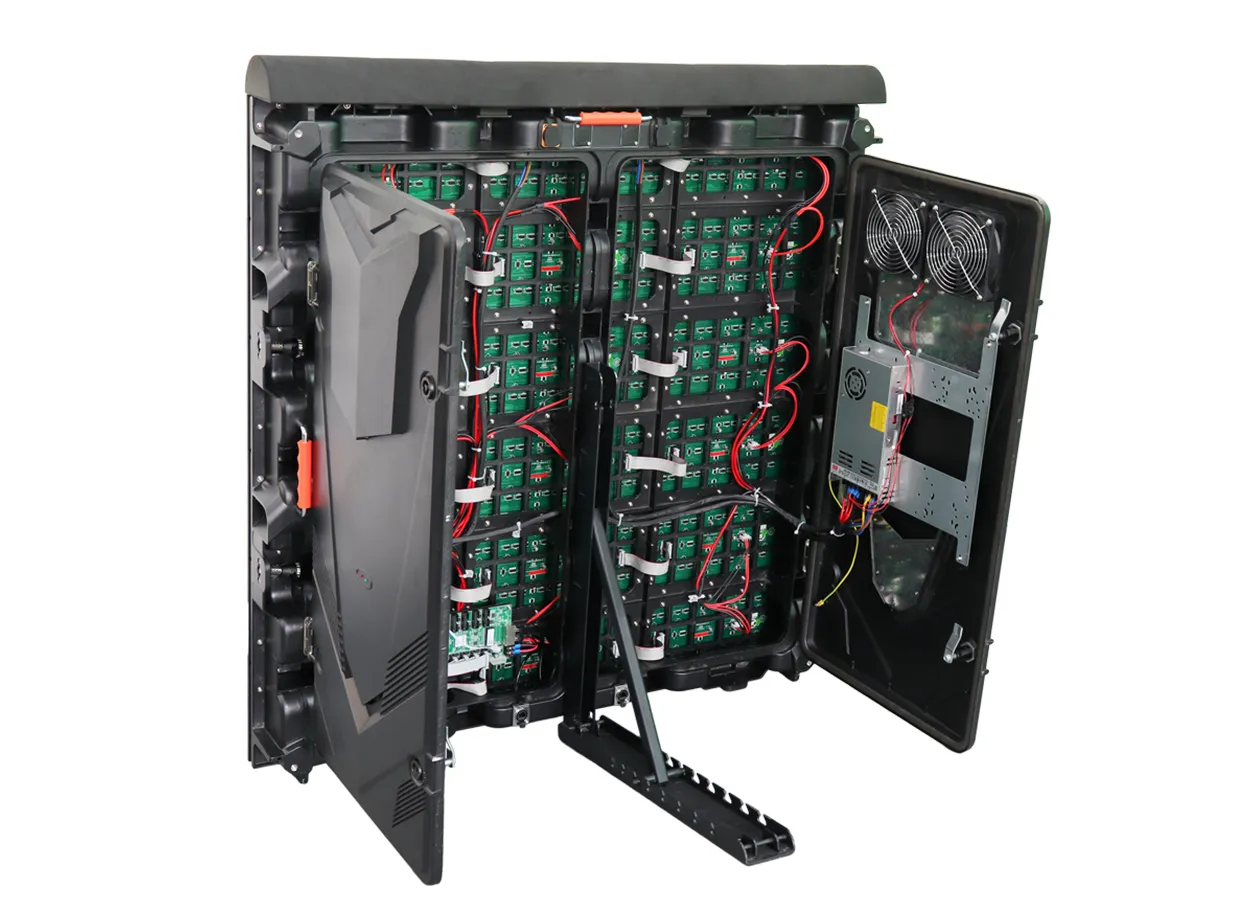
Openable Back Cover
The rear cover of EA960SP3 sports LED display can be easily opened to allow you to effortlessly install and maintain. The top and left side of the LED screen is designed with handles for easy moving and transportation.
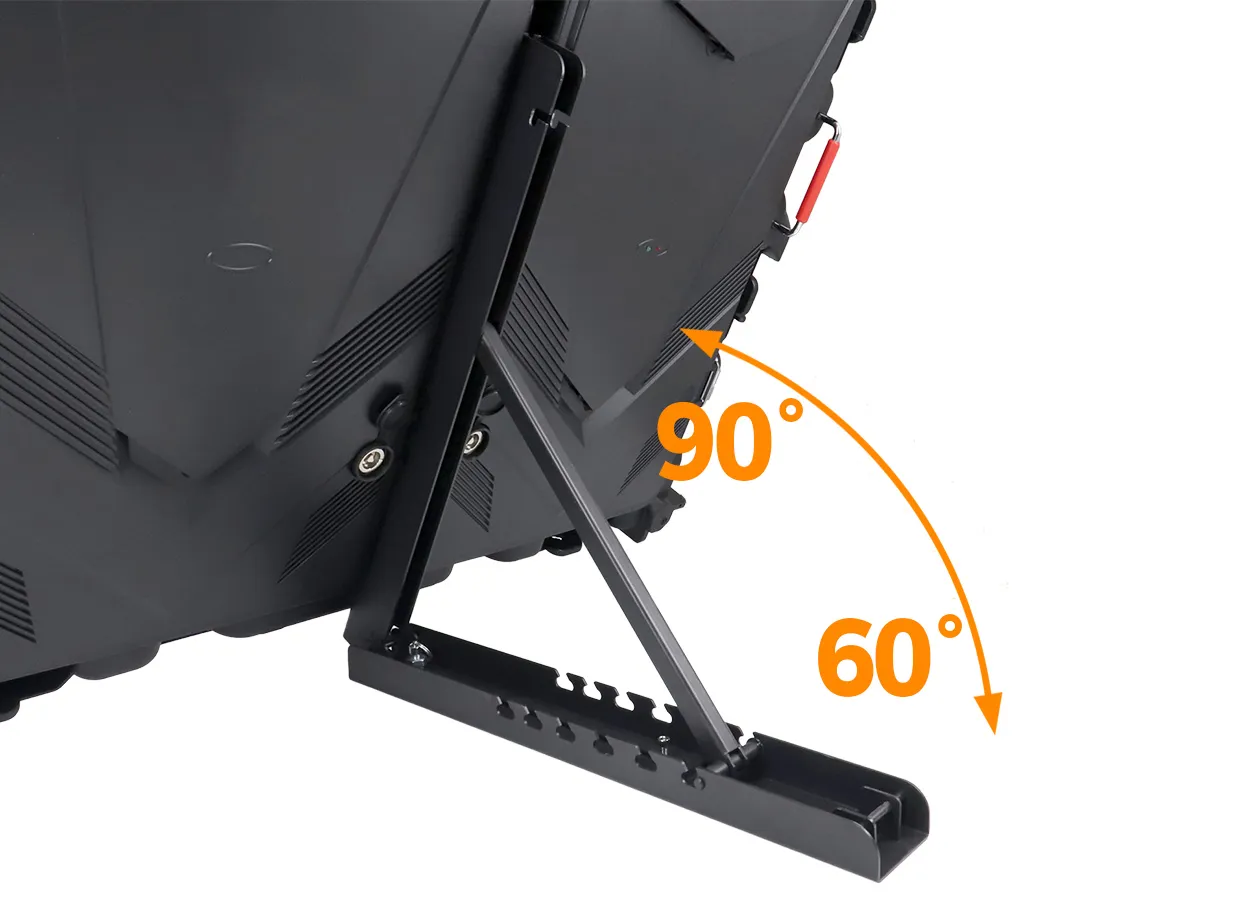
60°-90° Adjustable Back Bracket
This back support structure can not only withstand front and rear impacts, but also ensure solid stability. The cabinet support angle can be easily adjusted (60°-90°) to flexibly adapt to the site conditions.
Safety Design
EA960SP3 Sports LED Screen adopts soft mask and pillowcase protection designs, ensuring the safety of athletes while preventing stadium displays from potential injuries during competition.
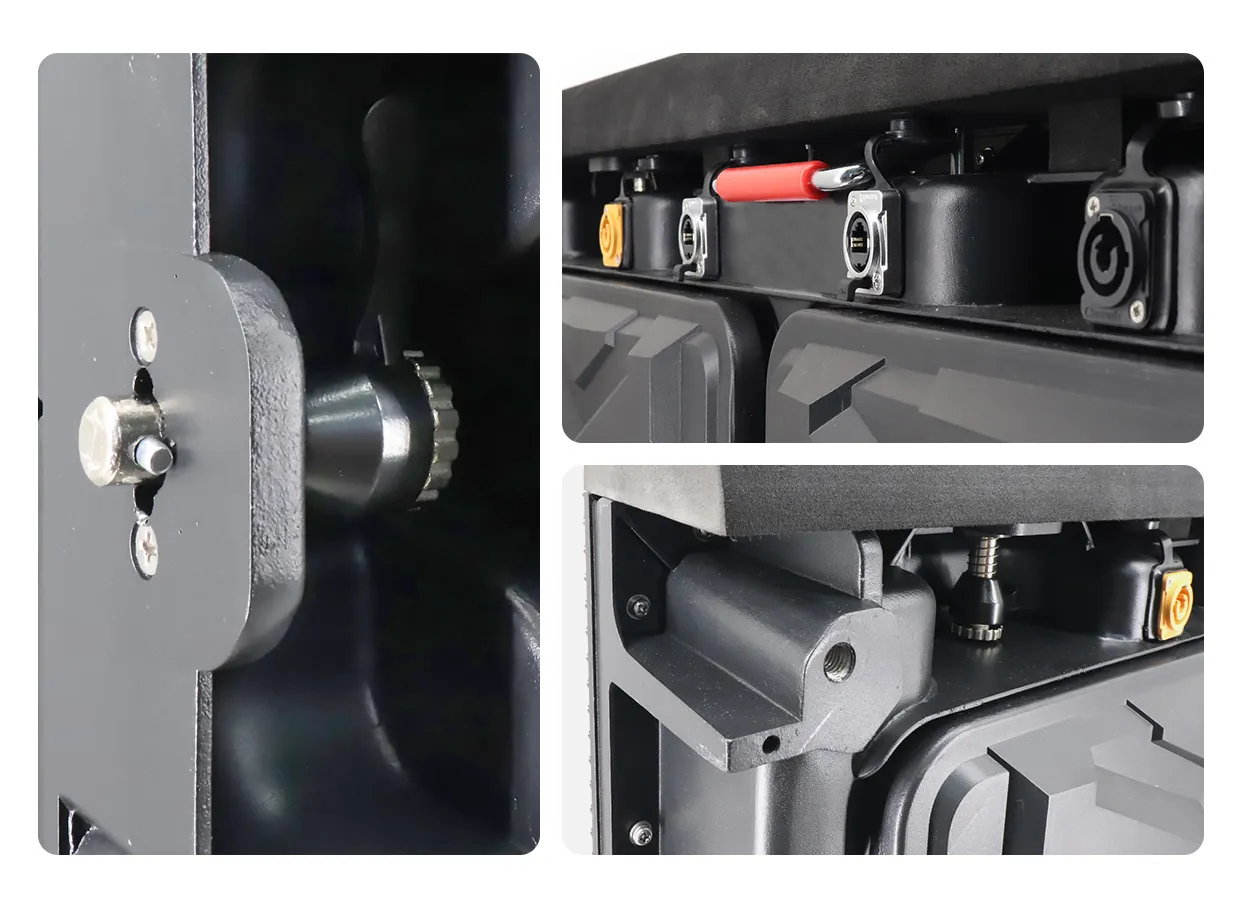
Easy to Install
The top and left sides of the cabinet are designed with two quick locks to support quick installation, and power cables between cabinets are seamlessly connected through the cabinet’s aviation sockets.
IP65 Waterproof Level
The protection level of EA960SP3 stadium LED display is as high as IP65. The fully sealed cabinet features high weatherproof, dustproof, and damp-proof, ensuring long-term stable display operation in all kinds of outdoor conditions.
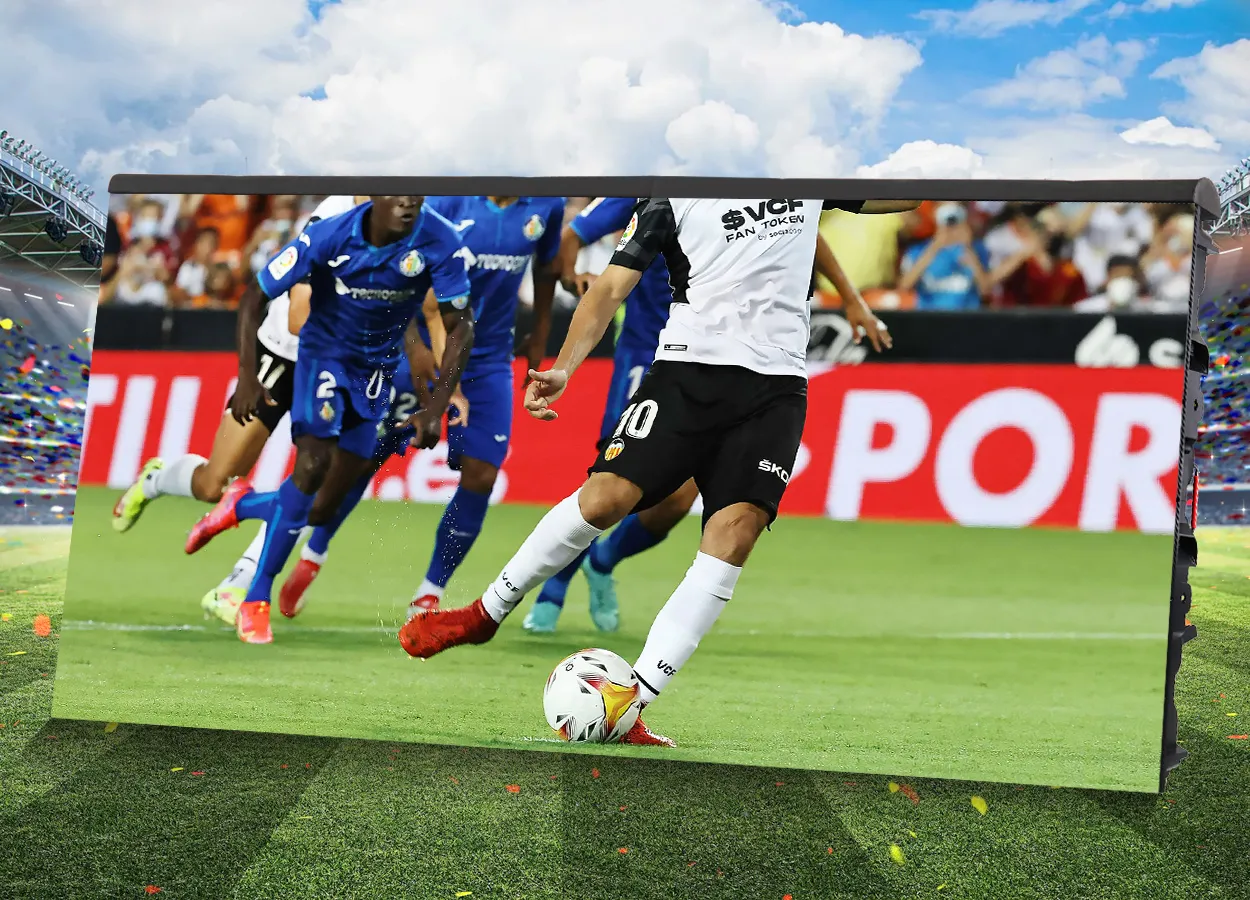
Customized for the Stadium
EA960SP3 perimeter LED display is specially designed for sports events. Its captivating display content and wide field of view immerses viewers in exciting content.
Multiple Installation Types
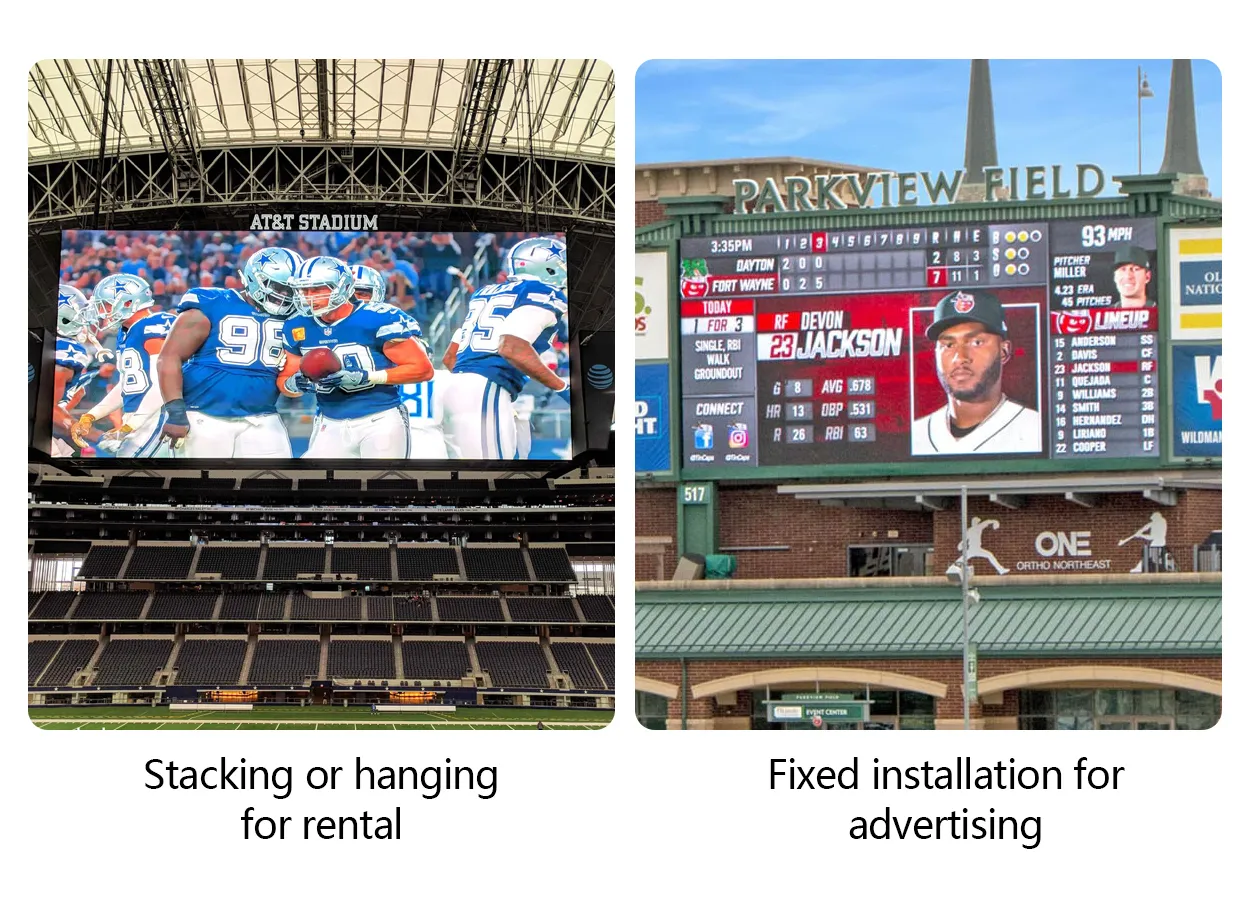
EA960SP3 sports LED display is easy to install and offers a variety of installation options such as hanging or stacking installation for rental, fixed installation for advertising. Multi installation ways make it ideal for sports events.
Superb Display Effect
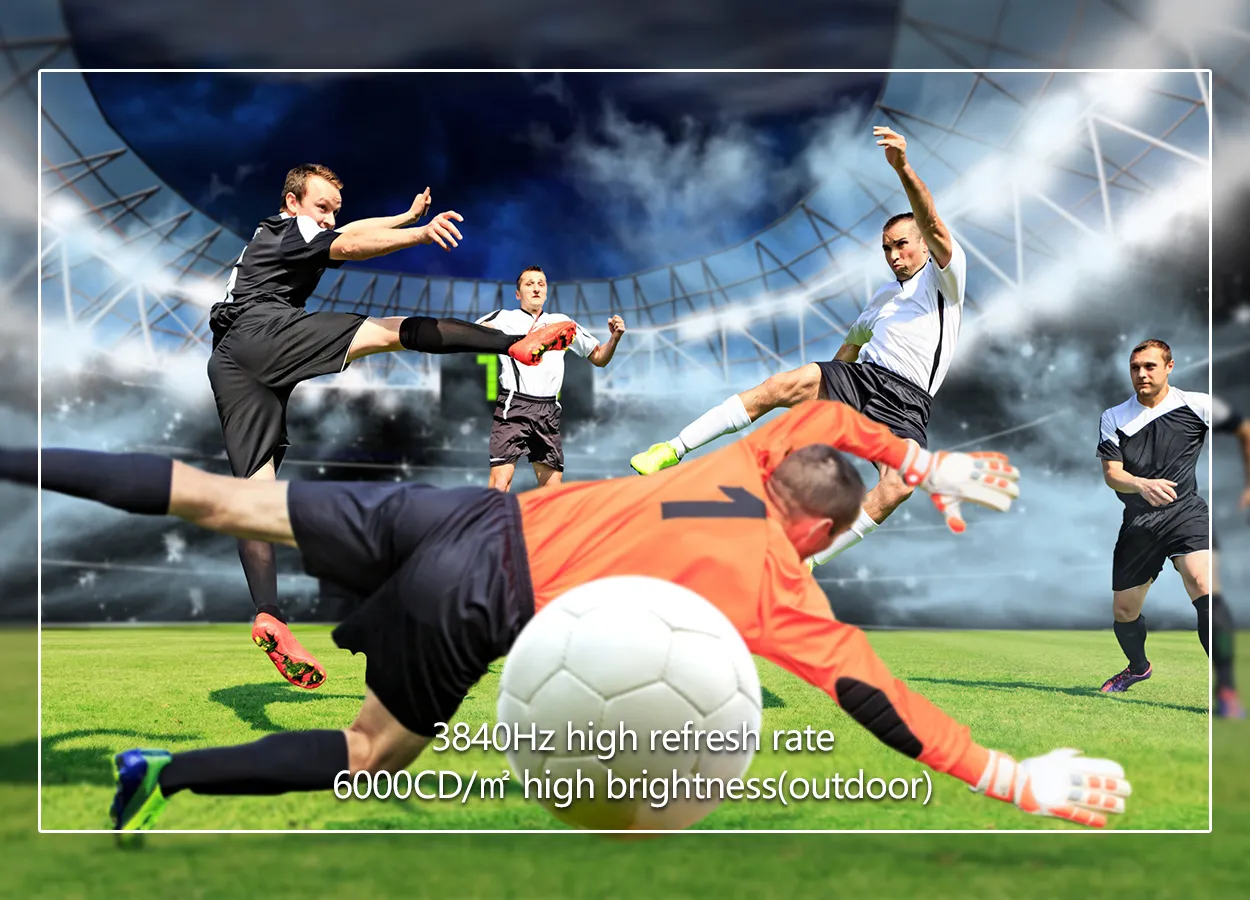
EA960SP3 Sports LED Screen comes with 6000CD/㎡ high brightness and 3840Hz high refresh rate to captivate users with more lifelike and immersive visual effects.
EA960SP3 Outdoor Stadium Perimeter LED Display Parameter
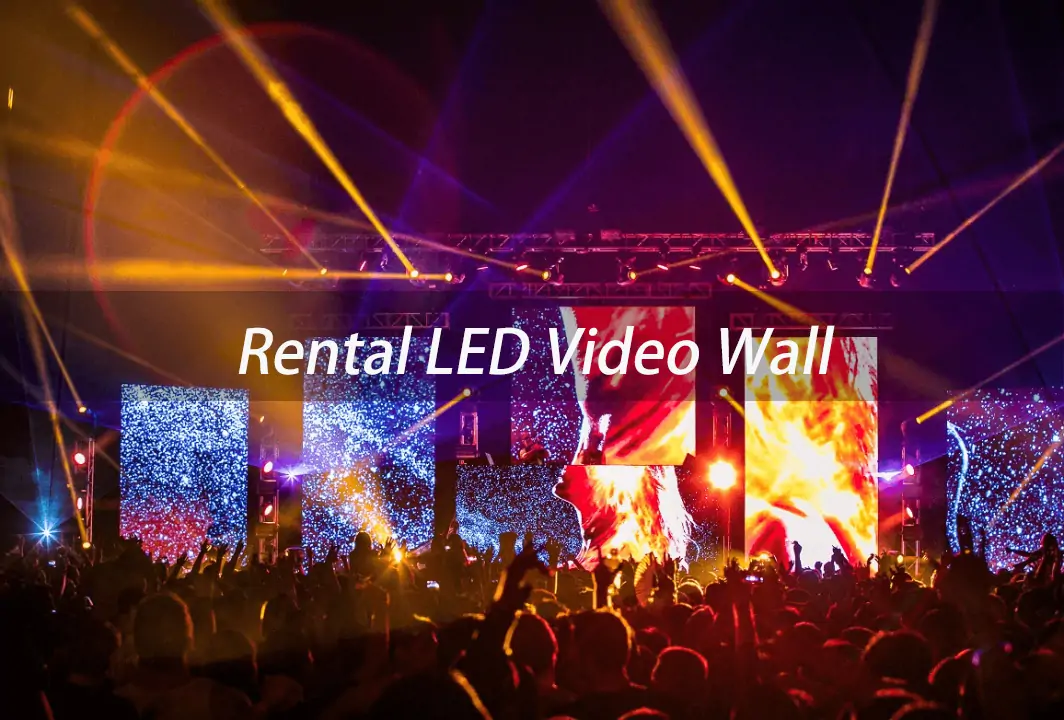
Rental LED Video Wall: Latest Features, Prices, FAQs and More
Rental LED video wall prices are built from screen area, pixel pitch, cabinet type, rental duration and the services included in the package. Whether you are planning concerts, conferences, exhibitions or stadium events, comparing a rental LED video wall quote line by line shows exactly where the rental cost comes from and helps you predict ROI.
In this guide we break down how LED video wall rental costs are calculated, what a typical hire package includes, how to read an LED screen rental price list and how to decide whether hiring or buying the display is the better investment for your event.
1. The Main Types of Rental LED Video Wall
There are totally six types of rental LED video walls, which are designed for various large applications and activities. Below are the main types of hire LED screens.
1.1 Outdoor Rental LED Video Walls
The outdoor LED rental screen features an IP65 weatherproof rating, high brightness, sturdy cabinet design, and quick-lock design. EA1000C3 rental LED display screen is a perfect choice for outdoor events.
1.2 Indoor Rental LED Board
They are designed for indoor events such as conferences, trade shows and concerts. They typically have the following features: high pixel density for close viewing; lightweight and slim design for easy installation; modular structure for flexible screen size and shape; high refresh rate for smooth video playback.
1.3 Transparent Hire LED Video Walls
The transparent hire LED video walls are often used for creative stage designs or event backdrops. They have around 80% transparency and customized size design, providing creative and aesthetically pleasing visual effects to customers.
1.4 Flexible LED Rental Screen
Flexible or curved rental LED video walls are designed for more creative and unique setups, such as wrapping around a stage or forming irregular shapes. Key features include bendable modules and high versatility. EA-Flex series is specially designed for exhibition spaces or dynamic stage backdrops.
1.5 LED Floor Tiles
This is a more specialized type of rental LED wall that is used as part of the stage floor. They can hold a lot of weight and are often interactive, with features such as touch response. Perfect for concerts, exhibitions and product launches, these LED tiles can add a dynamic element to an event.
1.6 Mobile LED Screens
A mobile LED screen is a screen that arrives at the venue fully assembled and intact. Transported by trailer or truck, mobile displays are a cost-effective way to promote an outdoor party. Organizers can also enjoy the quick set-up and dismantling of this equipment.
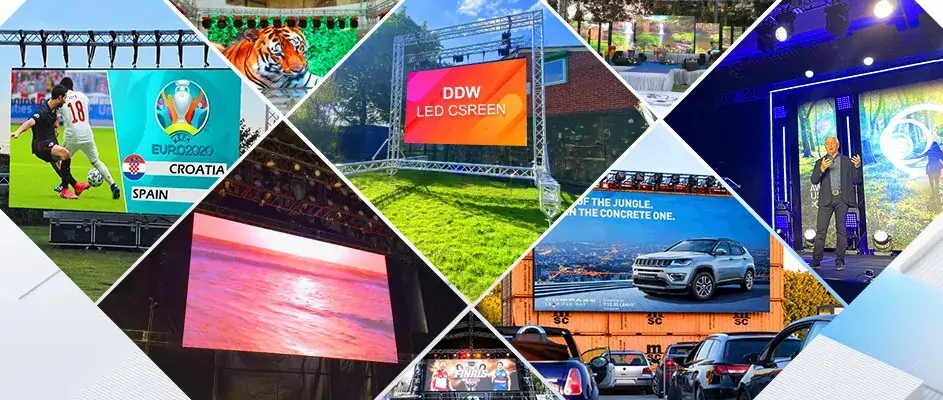
2. What Are the Latest Technical Features of Rental LED Boards?
Rental LED video walls continue to incorporate cutting-edge technologies designed to improve performance, usability and visual experience. Below are the latest technology features that will shape the rental LED industry:
2.1 4,800 Hz Ultra-High Refresh Rates
Refresh rates in excess of 4,800 Hz are now commonplace, ensuring ultra-smooth video playback even when capturing video with high-speed cameras at live events. This improvement minimizes flicker and motion blur, which are critical for broadcasts, sports and concerts.
2.2 High Dynamic Range (HDR) and Enhanced Colour Gamut
Rental LED video wall now supports HDR10+ and Dolby Vision for richer colors, better contrast and more detailed visuals. Enhanced Color Gamut provides more accurate colour reproduction.
2.3 Mini LED and Micro LED Technology
Mini LED and Micro LED technologies are becoming more mainstream in rental LED video walls. They offer superior brightness, contrast and colour accuracy, providing a better visual experience through better black levels and higher contrast.
2.4 Self-Adjust for Color Uniformity
Auto-calibration technology has been improved so that rental LED screens can adjust colour uniformity and brightness between panels on their own. This ensures a seamless display with no visual discrepancies, even when connecting multiple panels to create a larger video wall.
2.5 Smart Control Systems Via WiFi and 4G/5G
New rental LED boards are equipped with cloud-based control systems that support remote monitoring and real-time updates via WiFi and 4G/5G connections. This feature is particularly useful for large, complex event setups.
2.6 Smaller Pixel Pitches Available
Hire LED screens are now available with pixel pitches as low as P1.2-P2.5, providing crisp, high-resolution images that are ideal for close-up viewing at indoor events. The smaller pixel pitches are available for rental LED video walls.
2.7 Augmented Reality (AR) Integration
Rental LED video walls are now integrating AR technology to enable real-time interaction between the audience and the content on the rental LED video wall. The technology is widely used for immersive marketing campaigns and product launches.
3. Buying or Renting an LED Screen for Your Specific Events
Deciding whether to buy or rent an LED screen depends on several factors, such as budget, frequency of use, and specific event needs. The following comparison will help you determine which option is best for your situation:
3.1 When to Hire an LED Screen
1. Cost-Effective for Short-Term Use
Rental is ideal for events that only need to use LED screens for a short period of time or occasionally. You can save on maintenance, storage and shipping costs, which are usually handled by the rental company.
2. Access to the Latest Technology
Rental companies often update their inventory with the latest rental LED video wall, which means you can benefit from cutting-edge features without having to upgrade your own equipment.
3. Flexibility and Customization
Whether you need a small LED rental screen for a trade show or a large rental LED video wall for a concert, rental offers the flexibility to customize the screen setup to suit the venue and audience size.
4. Professional Installation and Support
When renting, you’ll usually get installation and technical support from your provider, which eliminates the need to hire additional technicians and reduces the risk of technical problems.
3.2 When to Buy LED Screens
1. Cost-Effective for Frequent Use
If you plan to use your rental LED board frequently, it’s often more cost-effective to purchase it in the long run. While the initial purchase is expensive, the cumulative cost of renting for multiple events may outweigh the one-time investment of purchasing your own screen.
2. Control Features and Customization
You can invest in a model that exactly meets your needs, and permanent installations can be fully customized to your liking without having to worry about returning the screen after use.
3. Brand Consistency and Flexibility
Owning your own hire LED screen gives your business more opportunities to build brand consistency. You can create iconic displays for trade shows, in-store promotions or regular company events to reinforce your brand image.
4. Tax Benefits
Purchasing a rental LED video wall can bring tax benefits, such as depreciation over time. Depending on your business structure, it may also count as a capital investment.
5. No Leasing Restrictions
You are free to use the screen as often as you need to, for as long as you need to, without worrying about additional rental fees or equipment availability during peak seasons.
4. How the Rental LED Video Wall Price Is Calculated
There is no single fixed rate for an LED screen rental cost, because the total is built from several variables: screen area, pixel pitch, the type of rental LED video wall, the rental term and additional services such as installation, transport and technical support. Below is a guide to how video wall rental costs are calculated and how to read a supplier quote:
4.1 Determine the Size of the LED Display Screen
The size of the hire LED screen is a key factor in determining the rental price and is usually measured in square meters (m²).
Formula: Screen Size = Height (m) x Width (m)
For example, if you rent a LED screen with a width of 6 meters and a height of 2 meters, the total dimensions will be:
6 meters x 2 meters = 12 m²
4.2 Consider the Type of LED Panel and Pixel Pitch
The type of LED panel rental and pixel pitch (P1.5, P2.6, P3.9, etc.) will affect the rental price. Higher resolution screens (smaller pixel pitch) tend to cost more because of higher image quality and denser LED arrays.
Indoor vs. outdoor panels: Outdoor LED panels have features such as IP65 weatherproofing and higher brightness, so the rental cost is usually higher than indoor panels.
4.3 Consider the Rental Period
Prices also depend on the term of the lease. LED screen rentals are usually charged by the day, but discounted rates may be available for longer-term rentals.
For example, if the daily rental rate for a 20 square metre screen is US$100 per square metre, the cost for one day would be:
20 square meters x US$100 per square metre = US$2,000 per day
If you are renting a screen for multiple days, multiply the daily rate by the number of days:
US$2,000/day x 3 days = US$6,000
4.4 Consider Additional Costs
4.5 Calculating Methods 1
Firstly, you need to determine how many rental LED screen you need.
Next, calculate the total cost based on the price of each panel.
Finally, add the cost of transport, equipment, technical support, etc. to the rental cost.
For example, for a rental LED display with a length of 16 feet and a height of 10 feet, which can be calculated as follows:
16/2 = 8 panels wide
10/2 = 5 panels high
Therefore, the total number of panels you need is: 8 * 5 = 40 panels.
If each LED panel is calculated at $150 per day, the total would be:
40 * $150 = $6,000 per day rental cost
This is the estimated rental cost for the first day, and the rental cost for the next few days may drop significantly.
4.6 Calculating Methods 2
If we are talking about continuous cost, the first day will be 20%. When you rent a 16ft LED display for four days, the cost will be as follows:
Day 1: 16 * 10 * 50 and 16 * 10 * 70 = $8,000-$11,200
Days 2-4: 8,000 * 0.2 and 11,200 * 0.2 = $1,600 – $2,240
Total: 8,000 + 1600 *3 or 11,200 + 2240 *3 = $12,800 – $17,920
Therefore, the cost of a 4-day rental would be between $12,800 – $17,920.
4.7 Rental Price Calculation Summary
To estimate the LED wall rental price, work through four steps:
- Measure the screen size (square meters)
- Select type and pixel pitch (indoor/outdoor, high resolution or low resolution)
- Multiply by the lease term
- Plus installation, delivery and support costs
5. How to Monetize by Renting a LED Screen?
Making money by renting LED screens can be a lucrative venture, especially if you strategically target industries and events that require high-quality visuals. Here are a few ways to generate revenue by renting LED video walls:
5.1 Profit from Sponsorship
For sporting events, concerts, or other large-scale events, work with sponsors who want to display their brand on LED screen hire. You can charge sponsors to display their logos or adverts at key moments in the event.
5.2 Selling Advertising Space on LED Screens
If your rental LED board is placed in a high-traffic location, such as an outdoor billboard or popular venue, you can profit from selling advertising space to companies, brands or local businesses.
5.3 Rent for Film and Video Production
With the rise of virtual productions and the use of LED walls in film production, you can rent out LED screens for video shoots, music videos and even TV commercials, providing filmmakers with a cutting-edge solution for immersive environments.
5.4 Use Your LED Screens for Live Events
In the age of virtual events, many companies and organizations now host live streaming conferences, webinars, concerts and gaming tournaments. You can hire LED screens for mixed events.
5.5 Expand Your Offerings with Value-Added Services
In addition to renting screens, offer value-added services to generate additional revenue. These services may include content creation, video production and event management.
6. How to Maximize the Value and ROI of LED Display Rental?
Maximizing the value and return on investment (ROI) of your LED panel rental business requires careful planning, strategic pricing and excellent service delivery. Here’s how to make it happen:
6.1 Choose High-Quality and Versatile LED Displays
Investing in high-quality rental LED video walls with multifunctional features will enable you to cater to a wide range of event types and environments. The latest models should have a high waterproof rating, robust construction, versatility and energy efficiency.
6.2 Upsell and Cross-Sell Related Services
Increase your overall revenue by offering add-ons and complementary services. Up-selling features such as larger screens, additional panels or advanced content management systems can increase customer satisfaction while improving your ROI.
6.3 Build Long-Term Relationships
Building long-term relationships with your customers can significantly increase your ROI. Offer repeat contracts or long-term leases at discounted rates to ensure your LED rental screens are used frequently.
6.4 Offer a Range of Hire Packages
Offering flexible pricing packages for different types of clients and events will appeal to a wider audience and ensure your rental screens are used more frequently. Consider offering tiered rental plans based on screen size, duration, installation, support and content creation.
6.5 Invest in Digital Marketing and Networking
A strong online presence and targeted marketing can help you reach more customers and secure ongoing bookings. Use digital marketing strategies such as social media or websites to showcase your rental LED video walls and services and build partnerships with event organizers.
7. How to Compare Rental LED Video Wall Prices and Suppliers
Rental LED video wall prices vary between suppliers, so compare every quote on the same screen size, pixel pitch and rental term before you commit. Use these checks when you shortlist a supplier for a hire LED video wall.
1. Review Reputation and Experience: Industry experience is an essential factor in judging product quality. Meanwhile, you also can realize the company portfolio of past events and customer feedback.
2. Industry Certifications and Compliance: Choosing a supplier with relevant ISO certifications ensures they meet industry standards and provide high-quality, reliable equipment.
3. Consider Product Quality and Technology: When choosing the hire LED video wall, you should assess the pixel pitch and resolution, refresh rate, brightness level, and durability.
4. Check for Scalability and Availability: If you are planning a large-scale event or have specific requirements, ensure the supplier has enough inventory size, scalability in size and available in busy seasons to meet your needs.
5. Partner with an Eco-Friendly Supplier: Many event organizers now prioritize sustainability. Look for LED wall rental suppliers that practice sustainable business methods.
8. FAQs
9. Conclusion
Sometimes renting a LED screen is a wise investment for short-term use, which reduces your maintenance costs and transportation costs. Therefore, you should deliberate to buy or rent LED video walls so as to maximize the ROI.
After reading this post, you will be able to calculate the LED video wall rental price, profit from renting an LED displays, and make an informed decision. To know more about the accurate price, please contact us or send us a quote.